
Why Do Succulents Get a Dusty Appearance? (Farina Explained)
Published on: February 18, 2026 | Last Updated: February 18, 2026
Written By: Lena Greenfield
You’ve noticed that powdery, dusty coating on your succulent’s leaves and wondered if something is wrong. Let me reassure you-that “dust” is usually a good sign and is a natural sunscreen called farina.
In this guide, I’ll share my experience to help you understand what farina is, why plants produce it, how to handle plants with farina, and when a dusty look is actually a problem.
What Is That Powdery Coating? Meet Farina
That beautiful, dusty film on your echeveria or pachyphytum is called farina, and it’s a sign of a happy, healthy plant. I’ve learned from years of collecting that this coating is a natural, waxy substance the plant produces, not dust or a sign of mold. It’s often called “epicuticular wax” or its lovely nickname, “bloom.”
Think of farina as the plant’s own built-in, multi-purpose lotion and sunscreen. This delicate layer is part of the succulent’s outer skin, or cuticle, and once it’s wiped away, it does not grow back on that same leaf. That’s why I’m always so careful when handling my prized specimens.
Why Your Succulent Wears This Dusty Jacket: The Benefits of Farina
Your succulent isn’t just trying to look mysterious; that dusty jacket is a brilliant survival tool. Here’s exactly what it does.
Natural Sunscreen for Intense Light
Farina acts as a highly effective sunscreen. It reflects a significant amount of the sun’s harsh UV rays, preventing the delicate leaf tissues underneath from getting a nasty sunburn. I learned this the hard way when I once accidentally brushed the farina off a new leaf, and that spot quickly turned brown and scarred.
This is especially crucial for succulents that hail from high-altitude, sunny environments. Their farina allows them to bask in bright light without cooking. If you notice your plant’s colors looking washed out or bleached, it might not be producing enough farina to handle its current light levels—especially when trying to enhance and maintain vibrant succulent colors.
A Brilliant Water Conservation Strategy
This waxy coating is a masterclass in hydration. Farina creates a waterproof barrier that drastically reduces moisture loss from the leaves, a process called transpiration. It seals the precious water inside, which is the whole point of being a succulent! In fact, many succulents store water in their leaves and stems. This reservoir helps them survive extended dry spells.
It also causes water to bead up and roll right off the leaves. This keeps the leaf surface dry, which helps prevent rot from setting in if water were to pool in the rosette. Always water the soil directly, not the leaves, to protect this amazing coating.
Pest and Fungus Deterrent
That dusty texture isn’t a comfortable landing pad for many common pests. The slippery, waxy surface makes it difficult for insects like mealybugs and aphids to get a good grip and start feeding. It’s one of the plant’s first lines of defense.
Furthermore, by repelling water, farina creates an environment where fungal spores and bacteria struggle to establish themselves. A dry leaf is a healthy leaf, and farina is the best tool your plant has to stay that way.
Protection from Minor Scratches and Abrasions
While it’s delicate, the farina layer does offer a small amount of physical protection. It can help shield the leaf from fine dust, sand, and minor abrasions that might occur in its natural, often windy, habitat. It’s like a thin, protective film on your phone screen-it takes the minor hits so the surface underneath doesn’t have to.
QUICK TIP: When handling your succulents, try to hold them by the bottom of the pot or the stem to avoid leaving fingerprints on the farina-coated leaves. Those marks are permanent and can become weak spots for sunburn. To prevent sunburn, gradually acclimate your plants to brighter light and provide some shade during peak sun. If moving outdoors, start with morning sun and slowly increase exposure over a couple of weeks.
Is It Farina or Trouble? Spotting the Difference
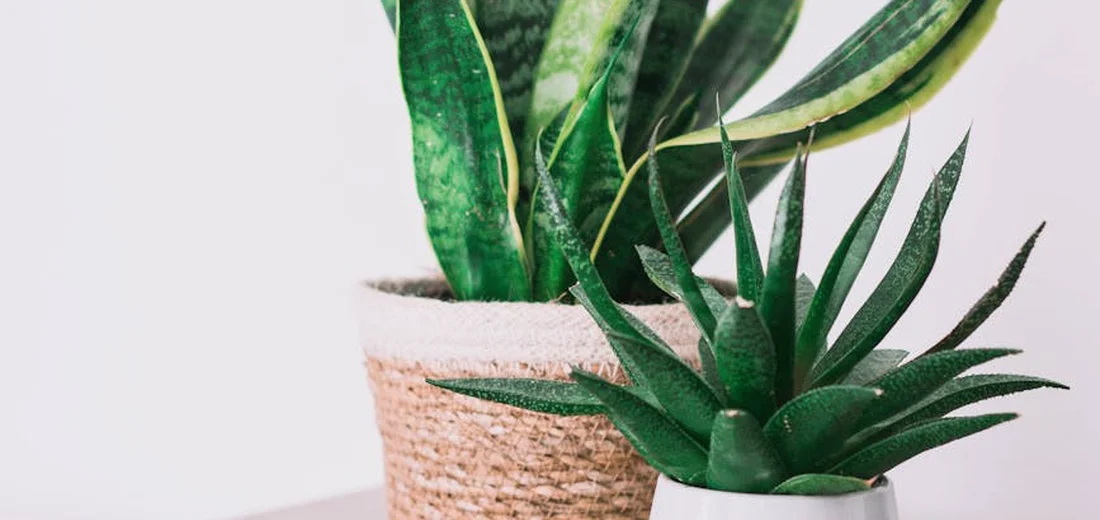
I’ve lost count of how many plant parents have texted me a panicked photo, worried their succulent is sick when it’s actually just showing off its natural sunscreen. Learning to spot the difference between healthy farina and a real problem will save you from unnecessary stress and treatments. Recognizing stress signs in succulents is crucial for their care.
Farina vs. Common Imposters
Here’s a quick comparison I use in my own plant clinic to identify what’s on the leaves.
| Feature | Healthy Farina (The Good Stuff) | Powdery Mildew (The Bad Stuff) | Dust & Dirt (The Nuisance Stuff) |
|---|---|---|---|
| Appearance | Even, bluish-white, powdery coating that looks baked on. | Patchy, splotchy white circles that look fuzzy or fluffy. | Clumpy, greyish film that settles into leaf crevices. |
| Texture | Feels smooth and dry; you can’t wipe it off easily. | Feels slightly fuzzy or velvety to a close look. | Feels gritty; comes off easily with a gentle wipe. |
| Location | Uniformly covers new and old leaves, stems, and sometimes buds. | Starts in isolated spots, often on the top of leaves in shaded areas. | Accumulates on the upper surfaces of leaves that face the room. |
| Plant Health | Plant is firm, plump, and growing normally. | Leaves may yellow, distort, or drop; plant looks unhappy. | Plant is healthy but the dust can block light over time. |
Quick Check Steps for Confusion
If you’re still unsure, run through this simple 30-second check I do with every questionable plant.
- Observe the Pattern: Look at the distribution. Is the coating even and natural-looking, or are there obvious, spreading white spots?
- Perform the Gentle Swipe Test: Lightly run a dry fingertip over a small, less visible area. Farina will smudge slightly but not come off completely. Dust will wipe away cleanly. Mildew won’t budge much and you’ll see the fungal structure underneath.
- Check the Plant’s Posture: A succulent with farina stands proud and firm. A plant with mildew often has leaves that are wilting, yellowing, or look generally distressed.
Remember, farina is part of the plant’s skin, while mildew and dust are sitting on top of it. This mindset shift alone helps most people identify the issue correctly.
How to Clean Your Succulent Without Harming the Farina
Sometimes, your succulent gets genuinely dusty or has a little splash of soil on it. You want to clean it, but the thought of damaging that beautiful bloom is terrifying. I’ve been there! The golden rule is to avoid touching the farina as much as humanly possible, because it does not grow back on mature leaves. Especially when cleaning succulents and removing dust and dirt, be gentle. Once it’s gone, that leaf is permanently more vulnerable to sun.
Here are the only methods I trust and use on my own prized collection.
- Use a Soft, Dry Makeup Brush: This is my absolute go-to. A clean, fluffy blush or powder brush is perfect for gently whisking away dust particles without applying pressure that would smudge the coating.
- Try a Gentle Blast of Air: A camera lens blower or a can of compressed air (used from a respectful distance on a low setting) can dislodge dust effectively. Hold the plant firmly so it doesn’t get knocked over!
- Spot Clean with a Damp Q-tip: For stubborn dirt or sticky residues, slightly dampen a cotton swip. Carefully touch only the dirty spot, not the surrounding farina, and immediately dab it dry with the other end.
Let’s talk about what you should never do, based on my own sad learning experiences.
- Do not use a wet cloth or paper towel to wipe the leaves. This will strip the farina instantly and leave permanent, shiny finger marks.
- Do not use any leaf shine products or oils. These clog the plant’s pores and completely destroy its natural protective layers.
- Avoid spraying the leaves directly when you water. Water sitting on the farina can sometimes cause spotting, and it’s just an unnecessary risk.
If you accidentally remove some farina, don’t panic-just be extra mindful to slowly acclimate that plant to any direct sunlight to prevent scorching. The new leaves that grow in will produce their own fresh coating.
Common Mistakes That Damage Farina and How to Avoid Them
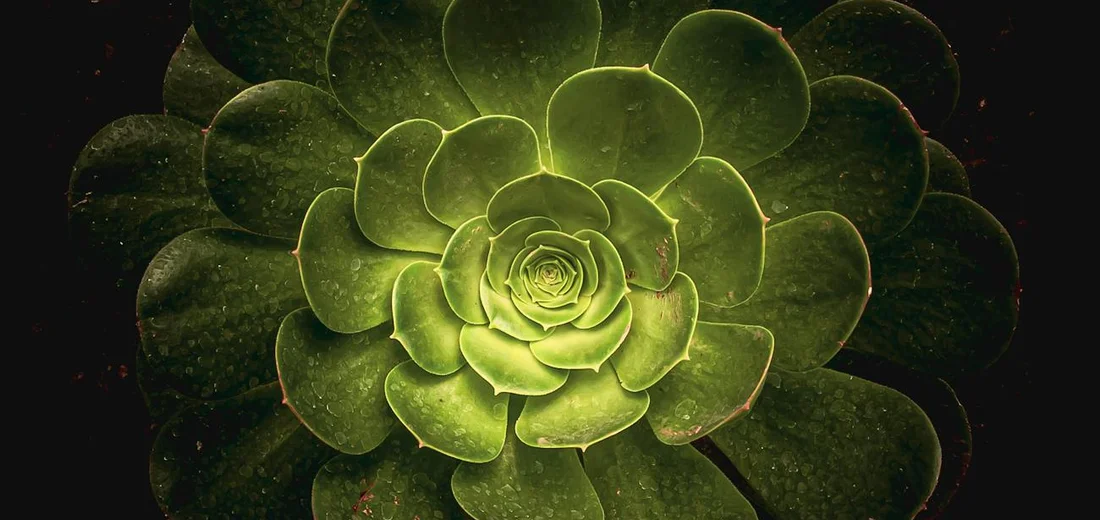
I’ve accidentally wiped the beautiful coating off my own plants more times than I’d like to admit. Once that farina is gone, it’s gone for good on that leaf, so prevention is your best strategy. Learning these common pitfalls will help you keep your succulents looking their pristine, powdery best. If you spot a dusty white coating on your succulents, it’s often powdery mildew. Identifying it early and using the right treatment will keep your collection thriving.
Handling and Environmental Stressors
Think of farina as a delicate, natural dusting of powdered sugar. The slightest touch can mar its perfection. Here are the main culprits that ruin that flawless finish.
Rough Handling and Touching
This is the number one way people damage farina. Your fingers, no matter how clean, will leave marks.
- Always handle succulents by the base of the plant or the bottom of the pot.
- When repotting, avoid letting leaves brush against each other or the pot’s edge.
- If you need to remove a leaf for propagation, gently wiggle it from side to side instead of pulling straight down.
Quick Tip: Use soft-tipped tweezers to pluck out dead leaves from the bottom of the plant without touching the healthy, coated ones above.
Improper Watering Techniques
How you water is just as important as how much. Spraying or top-watering can leave permanent water spots on the farina.
- Water at the soil level, avoiding the leaves entirely. A watering can with a long, narrow spout is perfect for this.
- Soak the soil thoroughly until water runs out the drainage hole, then let it dry out completely.
- Bottom-watering is an excellent method. Simply place your pot in a tray of water for about 30 minutes, allowing the soil to soak up moisture from the bottom.
Harsh Sunlight and Humidity
Environmental factors can degrade farina over time. A sudden move to intense, direct sun can literally bake the coating.
- Acclimate your succulents to brighter light gradually over a week or two.
- Be mindful of afternoon sun, which can be especially harsh through a window.
- High humidity doesn’t remove farina, but it can encourage fungal growth that damages it. Ensure good air circulation around your plants.
I learned this the hard way with a beautiful Echeveria ‘Lola’ that I moved outside too quickly; its flawless coating developed crispy, bleached patches.
Pests and Cleaning
Dealing with pests like mealybugs often requires touching the plant, but you can be strategic.
- Use a cotton swab dipped in isopropyl alcohol to spot-treat pests, dabbing them directly without swiping across the leaf.
- Never use leaf shine products or try to “clean” the farina off. It is not dust or dirt!
- If you get water or soil on a leaf, let it dry completely and then gently blow the debris off. Do not wipe.
Succulents That Often Sport a Dusty Look
While many succulents can have some farina, certain genera and species are famous for their spectacular, otherworldly coatings. If you’re a fan of that frosted, ghostly aesthetic, you’ll want to hunt for these varieties. These prettiest succulent varieties also shine as home decor accents and thoughtful gifts. They’re easy to style on shelves, mantels, or desks, and they make a memorable gift for any occasion.
Here are some of my favorite dusty-looking succulents that I’ve collected over the years:
- Echeveria: This genus is the queen of farina. Look for varieties like Echeveria ‘Lola’, Echeveria ‘Perle von Nurnberg’, and Echeveria ‘Tippy’. Their rosettes look like they’ve been dusted with pale lavender, blue, and pink powder.
- Graptopetalum: Plants like Graptopetalum paraguayense (Ghost Plant) live up to their name with a thick, pale coating that gives them a silvery, ethereal appearance.
- Pachyphytum: Known as “moonstones,” these chubby-leaved plants, especially Pachyphytum oviferum, have an almost perfect, round shape covered in a heavy, bluish-white farina.
- Kalanchoe: Species like Kalanchoe pumila and Kalanchoe beharensis (‘Fang’) develop a dense, felt-like coating of farina that can look almost white.
- Some Sedum: While not all Sedum have it, types like Sedum nussbaumerianum (Coppertone Stonecrop) and Sedum clavatum boast a lovely glaucous coating.
- Senecio: The blue chalk sticks (Senecio mandraliscae) and Senecio haworthii (Cocoon Plant) are covered in a thick, chalky substance that makes them stand out.
When you buy one of these, you’ll often see the farina has been slightly disturbed from shipping; the new leaves it grows in your care will come in with a perfect, untouched coating.
Common Questions
Can I wipe the farina off my succulent?
You should avoid wiping it off, as this natural sunscreen does not grow back on mature leaves.
Why is the farina on my new succulent smudged?
Farina is very delicate and is often accidentally smudged during handling, packing, and shipping from the nursery.
How should I clean a succulent that has lost its farina?
You can gently clean the leaves with a soft, damp cloth, but be aware the leaf will now be more susceptible to sunburn. For the best method, use a soft cloth dampened with lukewarm water and wipe both sides of the leaves. If dust is stubborn, a gentle brush can help; avoid soaps or detergents that can leave residues.
Is it bad if my succulent doesn’t have any farina?
Not necessarily, as some varieties naturally produce less, but it means your plant has less built-in protection from the sun and water loss.
Can I use leaf shine products on succulents with farina?
No, you should never use leaf shine products as they will clog the plant’s pores and destroy the protective farina coating.
Does farina help prevent pest infestations?
Yes, the waxy, slippery texture of farina makes it difficult for pests like mealybugs and aphids to grip and feed on the leaves.
Your Succulent’s Natural Glow: Final Thoughts on Farina
To keep that lovely dusty coating intact, handle your succulents gently and avoid touching the leaves directly—I always remind fellow plant lovers that farina is the plant’s own sunscreen and raincoat. These essential care tips help you avoid killing your succulents. With gentle handling and proper habits, your plants will thrive. Follow these simple habits to protect it:
- Water carefully at the soil base
- Provide bright, indirect sunlight
- Dust lightly with a soft brush if needed
Stick with Hardy House Plants for more friendly plant care tips—I’ve shared what works from my own succulent collection, and you’ve got this! Your plants will reward your care with strong, healthy growth and that signature silvery glow. For essential succulent care guides on specific varieties, our tutorials break down care needs by plant type, so you can tailor your approach to each succulent. Start with aloes, echeverias, haworthias, and more to maximize every pot’s potential.
Further Reading & Sources
- Echeveria ‘Dusty Rose’ | Mountain Crest Gardens™
- Why is Your Succulent Dusty? What it is & How to Clean it
- What Is This White Stuff on My Succulents? | The Succulent Eclectic
- Why Is My Succulent Dusty? What is that stuff?
Lena Greenfield is a passionate horticulturist and plant care expert with over 10 years of experience cultivating and nurturing hardy house plants. With a deep understanding of both indoor and outdoor gardening, Lena shares practical advice on choosing, caring for, and maintaining resilient plants that flourish year-round. Through her knowledge and hands-on approach, Lena helps plant lovers transform their spaces into vibrant, green sanctuaries, no matter their gardening experience.
Types of Succulents