
How to Fix and Prevent Stretched Succulents (Etiolation)
Published on: April 22, 2026 | Last Updated: April 22, 2026
Written By: Lena Greenfield
Are your succulents stretching out and looking leggy? You might be worried they are dying or you made a mistake, but I have seen this many times in my years of growing succulents and it is totally fixable.
I will guide you through why succulents stretch, how to prune and propagate them, and simple ways to keep them compact and healthy.
What is Etiolation and Why It Happens
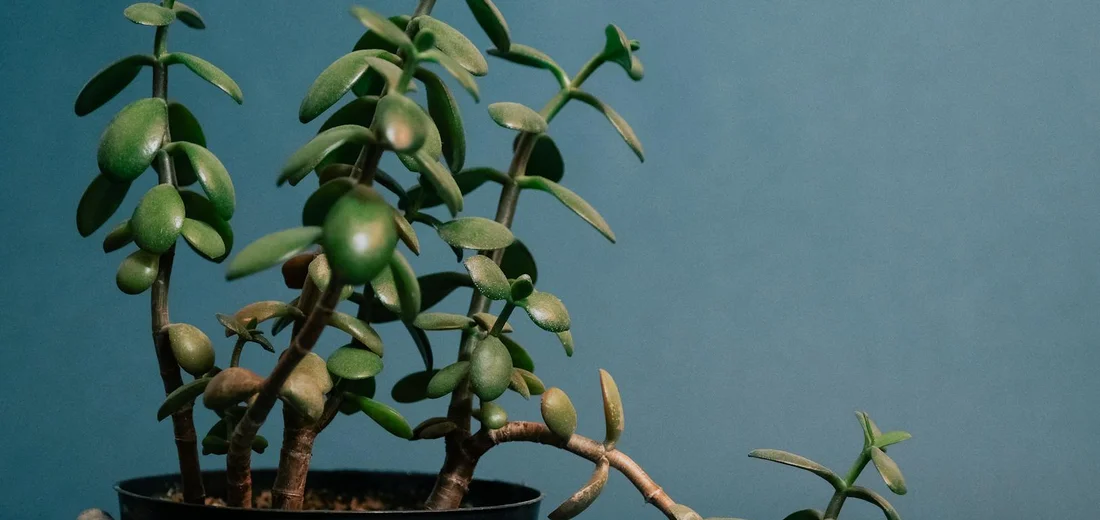
Etiolation is your succulent’s desperate, stretchy plea for more sunlight. I see this all the time with new plant parents-the plant starts growing tall and thin, with large gaps between the leaves, instead of staying compact and colorful. It’s essentially the plant growing rapidly in one direction to find a light source, sacrificing its beautiful form in the process.
Think of it like a person in a dark room stretching their arms out to feel for a light switch. The main culprit is almost always insufficient light intensity or duration, but incorrect watering can make the problem worse. A succulent sitting on a dim north-facing windowsill or in the middle of a room is a prime candidate for getting “leggy.” That’s why succulents get leggy —they stretch toward the light. To fix it, provide brighter light (or a grow light) and prune leggy growth to encourage compact new growth.
I’ve noticed that certain succulents, like Echeverias and most Sempervivums, are especially prone to stretching. Seasonal changes are a big factor too; the weak winter sun often triggers etiolation even in a spot that was perfect during the summer. If your plant is also being overwatered, the weak, stretched growth happens even faster.
Your Step-by-Step Plan to Fix a Stretched Succulent
Don’t worry if your succulent has gotten a little tall—this is a very fixable problem. I’ve rescued dozens of stretched succulents, and this simple three-step process always gets them back on track. These steps also help the plant grow bigger and plumper. You’ll end up with a happier original plant and potentially several new baby plants to enjoy or share.
Step 1: Assess and Prune the Leggy Growth
First, take a good look at your plant and decide where to make the cut. You want to use a clean, sharp pair of scissors or pruning shears to remove the stretched top part of the plant. I always wipe my blades with a little rubbing alcohol first to prevent spreading any disease.
Choose a spot on the stem just below where the compact, healthy rosette begins. Make a clean, confident cut-it might feel scary, but it’s the best thing you can do for your plant’s future shape. You’ll be left with a “stump” in the original pot and a leafy cutting in your hand.
- Leave at least an inch or two of stem and a few lower leaves on the original plant potted in the soil.
- This stump will often sprout new baby plants, or “pups,” from the sides.
- Don’t throw away the leaves that fall off during this process; you can propagate those too!
Step 2: Propagate Your Cuttings for New Plants
This is the fun part where you get free plants! Lay your leafy cutting on a dry paper towel or a tray and place it in a spot with bright, indirect light for about a week. This allows the cut end to dry out and form a “callus,” which is essential to prevent rot when you plant it.
Once the end has calloused over, you can plant it in a small pot with fresh, well-draining succulent soil. I like to use a mix of half potting soil and half perlite for excellent drainage, which is critical for success. Don’t water it right away-wait another week to encourage the new roots to search for moisture.
- Callus the cutting for 5-7 days in a bright, airy spot.
- Plant the callused stem in dry, gritty succulent soil.
- Wait one more week before giving it its first light watering.
Quick Tip: The individual leaves you saved can be laid on top of the soil; many will grow tiny new plants from their base!
Step 3: Gradually Introduce Your Plant to Brighter Light
Now, address the root cause of the problem: light. Both your original plant stump and your new cuttings need significantly more light than they were getting before. The biggest mistake you can make now is to move them directly into harsh, direct sun, which will scorch the leaves.
Instead, practice what I call “light hardening.” Start by placing your plants in a spot that gets bright, indirect light for most of the day, like an east-facing window. After a week, you can gradually introduce them to an hour or two of gentle morning sun.
- An east-facing window is ideal for a gentle introduction to direct sun.
- If you only have a south or west window, use a sheer curtain to filter the intense afternoon light.
- Rotate your pots a quarter-turn every time you water to ensure even growth and prevent leaning.
Over the next 3-4 weeks, slowly increase their exposure to direct sunlight until they are receiving the full amount of light they need to thrive compactly. You’ll know you’ve succeeded when the new growth from the stump is tight and colorful, not pale and stretched.
Providing the Perfect Light to Prevent Leggy Succulents
Understanding Seasonal Light Changes
I learned about seasonal light the hard way when my favorite echeveria stretched into a weird palm tree shape one gloomy winter. The sun’s path changes with the seasons, so the bright spot your succulent loved in summer might be dim and inadequate by December. You need to play musical chairs with your plants throughout the year. Recognize seasonal stress signs in succulents—stretching, pale color, or drooping leaves—and respond quickly. Adjust light, water, and placement as the seasons shift.
Track the sun’s movement in your home. A south-facing window is usually the champion for consistent, strong light. During the shorter, darker days of fall and winter, move your succulents as close to the brightest window as possible. I even wipe my windowsills clean every few weeks to maximize every bit of available sunlight.
Come spring and summer, you might need to pull some plants back from a hot south or west window to prevent sunburn. Quick Tip: Give your pot a quarter-turn every time you water. This simple habit ensures all sides get equal light, preventing lopsided growth.
The Best Long-Term Care for Compact, Healthy Succulents
Choosing the Right Soil and Pot
Think of soil and pot choice as the foundation of your succulent’s health. Using regular potting soil was one of my biggest beginner mistakes-it holds too much moisture and can lead to root rot. A gritty, fast-draining mix is non-negotiable for happy, compact succulents.
I now make my own blend with equal parts potting soil, coarse sand, and perlite. This creates airy pockets that let water flow through quickly and encourage strong root development.
- Always choose a pot with a drainage hole. This is your safety net against overwatering.
- Terracotta pots are my top pick. They are porous, allowing the soil to dry out faster than plastic or ceramic.
- Select a pot that’s just 1-2 inches wider than the plant’s root ball. A pot that’s too large holds excess soil that stays wet for too long.
Mastering the Watering Routine
Succulents thrive on neglect, but they need deep, infrequent drinks. The “soak and dry” method has never failed me. Water thoroughly until it runs out the drainage hole, then wait until the soil is completely dry before even thinking about watering again. Common succulent watering mistakes to avoid include overwatering and letting the pot sit in water. Stick to the soak-and-dry approach and ensure the soil dries completely between drinks.
Stick your finger in the soil. If the top few inches are bone-dry, it’s time to water. In winter, when growth slows, you might only need to water once a month or less. For more details, you can refer to this guide on how often to water succulents in winter vs summer. In summer, when temperatures rise and growth speeds up, you may need to water more often. Let the soil dry out between waterings. A succulent’s plump leaves are its water storage tanks—let it use up some of that reserve between waterings.
Quick Tip: Water in the morning so any splashes on the leaves can dry during the day, reducing the risk of rot.
The Roles of Temperature and Air Circulation
Good air flow is the secret weapon for preventing pests and disease. Stagnant, humid air is a breeding ground for mealybugs and fungal issues. I keep a small oscillating fan on low in my plant room, and it made a huge difference in the overall health of my collection.
Most common succulents prefer the same temperatures we do, between 60-80°F (15-27°C). Avoid placing them near hot radiators in winter or in the direct path of icy air conditioning vents in summer. That sudden temperature stress can shock the plant. These temperatures are widely considered the optimal range for many succulents, though some varieties tolerate modest deviations.
An open window on a nice day provides a wonderful boost of fresh air and circulation. Just make sure your plants aren’t in a cold draft. A little breeze mimics their natural, breezy habitats and helps strengthen their stems.
How Long Until My Succulent Looks Normal Again?
Patience is your best tool here, because you’re essentially waiting for the plant to grow its way out of the problem. You won’t see a dramatic change overnight; this is a slow, steady process of encouraging new, compact growth.
In my experience, you’ll typically start to see a noticeable improvement in the plant’s shape within a few weeks to a couple of months. The new growth emerging from the center will be tighter and more compact, which is your sign that the fix is working.
Factors That Influence the Recovery Speed
Not every succulent will bounce back at the same pace. A few key things affect the timeline:
- The Succulent Species: Fast-growing varieties like many Echeverias might show improvement faster than a slow-growing Haworthia.
- The Severity of Stretching: A plant that is only slightly leggy will recover its shape much quicker than one with a long, bare stem.
- Growing Season: Your plant will respond fastest during its active growing season, which for most succulents is spring and summer.
- Light Quality: Providing that perfect, bright indirect light (or gentle direct sun) is the single biggest factor in speeding up recovery.
What to Expect as Your Plant Recovers
The old, stretched part of the stem will not shrink or compact. It will remain as it is. The recovery happens as the new growth at the top becomes dense and eventually masks the leggy stem underneath. Over many months, the lower, older leaves may naturally dry up and fall off, which is a normal part of the process.
Think of it like getting a bad haircut. You can’t glue the hair back on, but you can nurture the new growth until the awkward stage grows out. Even broken pieces can regrow when replanted properly. Your succulent is doing the same thing!
Quick Tip: Rotate your succulent a quarter turn every time you water it. This ensures all sides get even light, preventing new growth from leaning and stretching toward the window.
FAQs
How much direct sunlight do stretched succulents need?
Stretched succulents require at least 4-6 hours of direct sunlight daily to encourage compact new growth.
Should I repot a stretched succulent?
Repotting is usually unnecessary unless the soil is compacted or drainage is poor, as improving light is the priority.
How to identify if leggy growth is due to lighting or watering?
Leggy growth from low light appears stretched with pale leaves, while overwatering may cause soft, mushy stems alongside elongation.
Does temperature affect stretching of succulents?
Temperature changes can influence growth speed, but etiolation is primarily caused by insufficient light, not temperature alone.
Can I prune leggy succulents to restore shape?
Yes, pruning the elongated stem allows the plant to focus energy on producing new, compact growth from the base.
How long does it take for stretched succulents to recover after bright light?
With adequate light, you may see improved compactness in new growth within a few weeks to a couple of months.
Your Succulents Deserve the Best Light
From my years of nurturing succulents, I’ve found that etiolation is easily managed by increasing light exposure and making strategic cuts to redirect growth. Quickly addressing stretched stems with more sunlight and careful pruning can restore your plant’s compact, vibrant form. Focus on these core actions:
- Move the plant to a brighter spot or use a grow light
- Snip elongated stems and propagate the healthy tops
- Rotate pots regularly for even light distribution
I’ve revived many leggy succulents in my own collection, and you can do the same-trust your instincts, give your plants the care they crave, and watch them flourish with renewed energy.
Further Reading & Sources
- Succulent Etiolation: Understanding and Fixing Leggy Growth – Succulents Box
- r/succulents on Reddit: Etiolation Guide
- Etiolation in Succulents and How to Prevent It – Trex Plants
- How to Fix Leggy / Etiolated Succulents | The Next Gardener – Thenextgardener
Lena Greenfield is a passionate horticulturist and plant care expert with over 10 years of experience cultivating and nurturing hardy house plants. With a deep understanding of both indoor and outdoor gardening, Lena shares practical advice on choosing, caring for, and maintaining resilient plants that flourish year-round. Through her knowledge and hands-on approach, Lena helps plant lovers transform their spaces into vibrant, green sanctuaries, no matter their gardening experience.
Light Requirements