
How to Safely Use Neem Oil and Epsom Salt for Succulent Pest Control
Published on: April 26, 2026 | Last Updated: April 26, 2026
Written By: Lena Greenfield
If pests are bugging your succulents, neem oil and epsom salt offer a natural fix that really works.
I get it-you might fret about burning leaves or messing up the mix, but in my years of tending succulents, I’ve nailed down a safe, simple routine.
In this article, I’ll walk you through mixing ratios, step-by-step application, safety tips, and troubleshooting common issues.
Identifying Common Succulent Pests
In my years of tending to a crowded succulent shelf, I’ve learned that catching pests early is the key to an easy victory. Regularly inspecting your plants is the single most effective thing you can do to prevent a full-blown infestation. I make it a habit to gently check the undersides of leaves and the tight spaces where leaves meet the stem every time I water. Sometimes it’s a pest, sometimes a disease, and telling the difference matters for treatment. The most common culprits are pests like mealybugs, scale, and mites.
Visual Clues of an Infestation
Your succulents will show you they’re under attack long before they start to seriously decline. Look for these tell-tale signs, especially when it comes to seasonal stress.
- Mealybugs: These look like tiny, fluffy white patches of cotton. I often find them nestled in the rosette’s center or along the stem. They leave behind a sticky honeydew residue.
- Spider Mites: You’ll notice very fine, delicate webbing, especially between leaves. The leaves themselves may look stippled with tiny yellow or white dots.
- Scale: These appear as small, bumpy brown or tan shells that seem stuck to the leaves and stems. They can be tricky to spot because they don’t look like moving insects.
- Aphids: Tiny pear-shaped bugs, usually green or black, that cluster on new growth and flower buds. They also excrete sticky honeydew.
Quick tip: Use a magnifying glass for a closer look! Many pests are masters of disguise and a little magnification makes them much easier to spot.
Creating Your Safe Pest Control Sprays
Mixing your own sprays gives you complete control over what goes on your plants. I always use warm water because it helps the ingredients emulsify and dissolve much better than cold water.
The Essential Neem Oil Contact Spray
Neem oil is my go-to for directly tackling active infestations. It works by smothering pests and disrupting their feeding. Always do a test spray on a single leaf and wait 48 hours to ensure your succulent doesn’t have a sensitive reaction. Natural organic treatment options for succulent diseases also cover fungal and rot issues with plant-based methods. Neem oil is one option within this broader, chemical-free approach.
- Start with one quart of warm water in a spray bottle.
- Add one teaspoon of pure, cold-pressed neem oil.
- Include a few drops of mild liquid soap (like Castile soap) – this is crucial as it acts as an emulsifier so the oil mixes with the water.
- Shake the bottle vigorously until everything is well combined. You must shake it before every single use.
- Spray the plant thoroughly, making sure to coat the tops and bottoms of leaves, stems, and the soil surface. I do this at dusk to prevent potential sunburn on wet leaves.
The Supportive Epsom Salt Soil Drench
Epsom salt is not a direct pesticide. I use it as a supportive treatment to strengthen the plant from the roots up. The magnesium can help improve the plant’s overall vigor, making it more resilient to pest stress.
- Dissolve one tablespoon of Epsom salt in one gallon of water. Stir until completely clear.
- Use this solution to water your succulent as you normally would, ensuring the entire root ball gets moistened.
- Apply this drench only once a month during the growing season. Overuse can lead to a harmful salt buildup in the soil.
This one-two punch approach-neem oil on the foliage and an Epsom salt drench for the roots-has saved many of my plants without resorting to harsh chemicals.
Step-by-Step Application for Pest Control
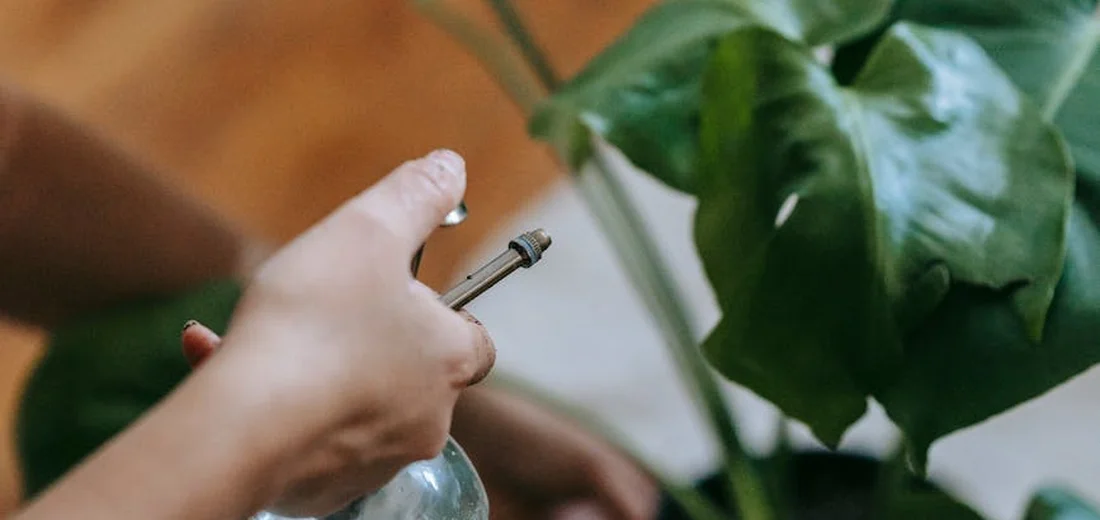
I’ve found that combining neem oil and Epsom salt creates a powerful one-two punch against pests. Always test any new spray on a single leaf first and wait 48 hours to check for damage before treating the whole plant. This simple step has saved many of my succulents from unnecessary stress.
Frequency and Timing for Best Results
Timing is everything with pest control. I apply this treatment in the early evening when the sun is low. Spraying at night prevents the sun from magnifying through the oil droplets and burning your succulent’s delicate leaves. This approach aligns with a seasonal pest control guide for succulents in spring and winter. It helps extend protection as pests shift with the seasons. The cooler temperatures also allow the solution to work without evaporating too quickly.
For an active infestation, I treat my plants every 4-7 days for three weeks. This breaks the pest life cycle. For prevention during growing season, a monthly treatment is perfect. In winter, I scale back to once every 6-8 weeks since pests are less active.
Critical Safety Guidelines for Your Plants
Succulents have a natural waxy coating called farina that you must protect. That powdery bloom can trap dust from the air, giving succulents a dusty frosted appearance. This is the farina at work, which is why the look matters and why you want to protect it. Neem oil can damage this precious farina, so I always spray lightly and from a distance, never drenching the leaves. Once that beautiful powdery coating is gone, it won’t grow back on those leaves.
Epsom salt is magnesium sulfate, which sounds fancy but simply means it’s a mineral supplement. Too much Epsom salt can build up in your soil and actually prevent your succulents from absorbing other nutrients they need. I stick to the 1 tablespoon per gallon ratio and only use it during the growing season.
Protecting Beneficial Insects and Your Home
While we’re eliminating pests, we need to protect our six-legged garden helpers. I only spray my neem solution directly on affected plants, avoiding flowers where bees might visit. If your succulents are flowering, consider manually removing pests from the blooms instead of spraying. Identifying common succulent pests, such as mealybugs, scale, aphids, and spider mites, helps you target treatments effectively. Regular monitoring and quarantining new plants can prevent outbreaks.
Neem oil has a strong, garlicky odor that lingers. I always treat my plants outside or in a very well-ventilated area, and I let them dry completely before bringing them back indoors. The smell will fade within a day, but your family will appreciate not experiencing it up close!
After treatment, wipe down any surfaces where spray might have drifted. Neem oil is natural but can leave slippery residues on floors or windowsills that you’ll want to clean for safety. I keep a dedicated microfiber cloth just for my plant care cleanup.
Troubleshooting Treatment Problems
Sometimes, even with the best intentions, your pest control efforts can hit a snag. I’ve learned through trial and error that the most common issues are easy to fix once you know what to look for. Here’s how to handle a few sticky situations.
Leaf Damage After Spraying
If you notice spots, browning, or a sunburned appearance on your succulents after using a neem oil spray, the culprit is usually sunlight. Neem oil can magnify the sun’s rays, essentially frying the delicate leaves if applied in direct light. I always treat my plants in the evening or move them to a shady spot for a day after application. If damage occurs, don’t panic. Move the plant to a less intense light source and hold off on any further treatments until it recovers. This can sometimes be confused with black spots on succulents caused by disease.
Sticky Residue on Leaves
A sticky film left behind means your neem oil mixture wasn’t emulsified properly. Oil and water naturally separate, and without a soap to bind them, the oil will cling to the leaves and clog their pores. The fix is simple: next time, make sure you’re using a pure castile soap or a mild, natural dish soap (not a detergent) and shake the bottle vigorously before and during spraying. To remove the current residue, gently wipe the leaves with a soft, damp cloth.
Pests Seem Worse or Unaffected
It’s discouraging to see bugs still hanging around. This typically means your application isn’t thorough enough or frequent enough. Neem oil works by suffocating pests and disrupting their life cycle; it’s not an instant knockout. You must cover the entire plant, especially the undersides of leaves and the tight spots where pests love to hide. Reapply every 5-7 days for at least three weeks to break the breeding cycle. If a specific pest like scale isn’t budging, I’ll physically wipe them off with a cotton swab dipped in rubbing alcohol before applying the neem spray.
White, Crusty Buildup from Epsom Salt
That white powder on the soil surface or pot rim is a classic sign of overdoing it with Epsom salt. While Epsom salt is beneficial, too much can lead to a harmful salt buildup in the soil, which prevents your succulent from absorbing water properly. If you see this, it’s time to flush the soil. Take your plant to the sink and slowly run water through the soil for a few minutes, allowing it to drain completely. Hold off on any Epsom salt treatments for at least two months.
Alternative and Complementary Pest Control Methods
Neem oil and Epsom salt are fantastic tools, but they aren’t the only ones in the shed. Having a multi-pronged approach is the best way to win the war against pests. Here are a few other methods I regularly use and trust.
Rubbing Alcohol: The Spot Treatment
For immediate action on visible pests like mealybugs (those little white cottony blobs), nothing beats a bottle of 70% isopropyl alcohol. I keep a small spray bottle filled with it for quick strikes. You can spray it directly on the pests or dab them with a cotton swab soaked in alcohol. They’ll die on contact. It’s a brilliant, targeted method that causes no harm to the succulent itself, as the alcohol evaporates quickly. For indoor succulents, this is one of the best first-line options for eliminating mealybugs. If you still see activity after the first treatment, recheck in a few days and repeat until the infestation is fully cleared.
Insecticidal Soap: The Gentle Cleanse
Commercial insecticidal soaps are a great option, especially for soft-bodied insects like aphids. They work by breaking down the insects’ protective outer coating, causing them to dehydrate. The key is to ensure you’re using a product specifically labeled for this purpose, as other soaps can damage plants. I find them to be a good alternative on days when I don’t want to mix my own neem solution.
Diatomaceous Earth: The Physical Barrier
This is my go-to for soil-dwelling pests like fungus gnats. Diatomaceous earth is a fine powder made from fossilized algae that feels soft to us but is lethally sharp to tiny insects. It scratches their exoskeletons, leading to dehydration. I sprinkle a thin layer on top of the dry soil around the base of my plants. Just remember, it loses effectiveness when wet, so reapply after watering.
Systemic Granules: The Heavy Artillery
For a severe, recurring infestation that topical sprays can’t control, I sometimes turn to a systemic insecticide in granule form. You mix these granules into the soil, and the plant absorbs the ingredient, making its sap toxic to sucking and chewing pests. This is a very effective but stronger measure. I reserve this for my non-edible, ornamental succulents and always use it as a last resort, strictly following the package instructions. For aphids on indoor succulents, I usually start with natural controls—like a thorough spray of water to dislodge them or insecticidal soap—before leaning on systemic options. These gentler methods are safer for indoor plants and often effective.
Prevention is the Best Cure
All the treatments in the world can’t beat a good defense. The single most effective thing you can do is quarantine every new plant for at least two weeks before introducing it to your collection. This gives you time to spot any hitchhiking pests. During quarantine, you can quarantine and treat new plants if needed, preventing pest spread to the rest of your collection. It’s a simple safeguard that makes quarantine truly effective. Regularly inspecting your plants when you water them is another simple habit that lets you catch problems early, when they’re easiest to manage.
- Quarantine new plants for 2-3 weeks.
- Inspect leaves (top and bottom) during weekly watering.
- Ensure plants have plenty of airflow and the right amount of light to keep them strong and resilient.
FAQs
Can neem oil be used on all types of succulents?
Most succulents tolerate neem oil, but always test it on a small leaf first to check for any adverse reactions.
What do Reddit users commonly say about using neem oil on succulents?
Reddit advice often highlights applying neem oil at dusk and shaking the mixture well to prevent leaf damage.
Are there variations to the basic neem oil recipe for succulents?
Stick to the standard recipe, but ensure you use a pure soap as an emulsifier for safe and effective mixing.
How should I apply neem oil to avoid harming succulent leaves?
Spray neem oil lightly from a distance to protect the delicate farina and avoid applying in direct sunlight.
Is neem oil effective as a standalone treatment for succulent pests?
Neem oil works well on its own by suffocating pests, but combine it with Epsom salt for enhanced plant resilience.
What is a reliable neem oil spray recipe recommended by succulent enthusiasts?
A trusted recipe mixes one teaspoon of neem oil with a quart of water and a few drops of mild soap, shaken thoroughly before each use.
Happy, Healthy Succulents Await!
The most important takeaway is that you can effectively and safely tackle pests by using a diluted neem oil spray for direct contact and incorporating Epsom salt into your soil for a gentle nutrient boost. Always remember to test on a single leaf first, dilute your solutions properly, and apply treatments during the cooler parts of the day to prevent sun damage.
You have everything you need to confidently protect your plant collection. Trust your instincts, observe your plants closely, and enjoy the process of nurturing them back to vibrant health-you’ve got this!
Further Reading & Sources
- How to Use Neem Oil on Your Succulents and Cactus | THE NEXT GARDENER – Thenextgardener
- Help! Used neem oil to treat succulents. They seem to be dying now.
- Exterminating Pests on Your Succulents and Cacti – Planet Desert
- r/succulents on Reddit: Neem oil… just don’t do it. If anyone every tries to tell you to put Neem oil on your succulents. Punch them in the face.
Lena Greenfield is a passionate horticulturist and plant care expert with over 10 years of experience cultivating and nurturing hardy house plants. With a deep understanding of both indoor and outdoor gardening, Lena shares practical advice on choosing, caring for, and maintaining resilient plants that flourish year-round. Through her knowledge and hands-on approach, Lena helps plant lovers transform their spaces into vibrant, green sanctuaries, no matter their gardening experience.
Organic Pest Control