
Natural Aphid Control for Indoor Plants and Succulents
Published on: April 27, 2026 | Last Updated: April 27, 2026
Written By: Lena Greenfield
Noticing tiny bugs clustering on your indoor plants can make any plant parent worry, but you can manage aphids naturally with items you likely have at home. I’ve rescued many of my own succulents and leafy friends from these pests using gentle, effective techniques that won’t harm your plant babies.
In this article, I’ll share my hands-on tips for spotting aphids early, creating DIY sprays, preventing infestations, and caring for affected plants to keep your indoor garden pest-free and flourishing.
Identifying Aphids and Their Damage
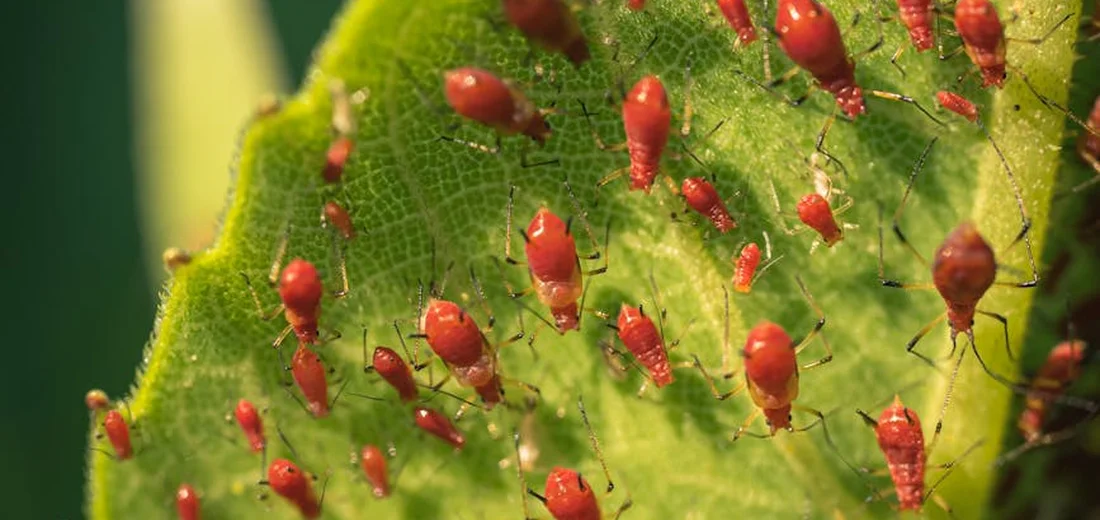
I’ve learned that catching an aphid problem early is the key to an easy fix. Look for clusters of tiny, pear-shaped bugs on new growth, flower buds, and the undersides of leaves. They can be green, black, brown, yellow, or even pink.
You’ll often spot the damage before you see the bugs themselves. Watch for leaves that are curling, yellowing, or becoming distorted, which is a classic sign of aphids sucking out the plant’s sap. I once had a succulent whose new center growth looked crumpled and never opened properly-it was a textbook aphid case.
A clear, sticky residue on leaves or surfaces below the plant is a major red flag. This “honeydew” is aphid waste, and it can attract ants or lead to a black, sooty mold fungus. If you see this shine, it’s time for a closer inspection.
Your First Response: Immediate Action to Stop the Spread
When I find aphids, I move fast. Your immediate goal is to contain the outbreak and knock the population way down before trying any long-term solutions. This three-step process has saved many of my plants.
Step 1: Quarantine for Plant Safety
The very first thing I do is move the infested plant away from all others. Isolating the plant prevents aphids from crawling or flying to their next victim. I put mine in a separate room or a different corner for at least two weeks after I stop seeing bugs. That mindset helps deter pests in an indoor garden, as detailed in this resource. Regular upkeep keeps the whole indoor garden healthier and less prone to infestations.
Check the plants that were nearby over the next few days. Aphids are notorious for spreading, so a quick check on neighbors can catch a satellite outbreak early. I give them a good look-over, especially in the leaf joints.
Step 2: The Power of a Simple Water Spray
Don’t underestimate a strong stream of water. Blast the aphids off your plant using a spray bottle or a sink sprayer set to a firm (not damaging) setting. I do this over the sink or in the shower to contain the mess.
You must thoroughly spray the undersides of leaves and the tight spaces where leaves meet the stem. This is where aphids love to hide, and a direct hit will dislodge and drown them. I often do this for two or three days in a row to catch any newly hatched ones.
Step 3: Pruning Heavily Infested Growth
If a stem or leaf is completely covered in aphids, it’s often best to just remove it. Pruning away the worst of the infestation gives your plant a fresh start and removes a huge source of the pest population. I use clean, sharp scissors and cut back to healthy growth.
Always dispose of these clippings in a sealed bag in the trash, not your compost. Throwing infested leaves directly in the trash ensures the aphids can’t find their way back to your plants. This one act can dramatically reduce your battle time.
Effective Natural and DIY Aphid Treatments
Neem Oil: The Go-To Organic Solution
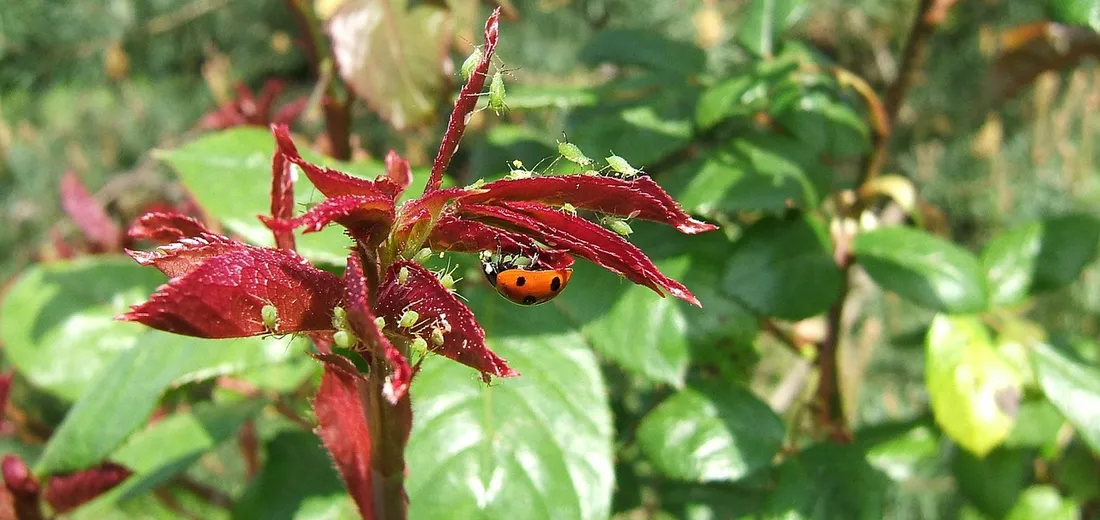
In my own plant collection, neem oil is the first thing I grab when I spot those tiny green pests. Neem oil works by disrupting the aphids’ hormonal systems, making it hard for them to grow and lay eggs. It doesn’t kill them on contact, so you need a little patience, but it breaks their lifecycle beautifully. I always start by identifying common pests—aphids, scale, or spider mites—so I can tailor the treatment. Recognizing common pests is the first step to effective control.
I mix one teaspoon of pure, cold-pressed neem oil with a half-teaspoon of mild liquid soap in a quart of warm water. The soap helps the oil mix with the water and stick to the leaves. Always test your spray on a single leaf first and wait a day to ensure it doesn’t cause any damage, especially to sensitive succulents. Proper technique is important. Shake the bottle well and spray every part of the plant, especially the undersides of leaves, once a week for three weeks.
Insecticidal Soap: Gentle Yet Powerful
Insecticidal soap is a fantastic, low-toxicity option that I’ve used for years on everything from delicate ferns to sturdy jade plants. These soaps work by breaking down the soft outer shell of the aphid, causing it to dehydrate and die. You can buy a ready-to-use bottle or make your own with a simple recipe.
My favorite homemade mix is one tablespoon of pure castile soap (like Dr. Bronner’s) in a quart of water. The key is to use a soap without degreasers, moisturizers, or antibacterial additives, as these can harm your plants. Spray the plant thoroughly until it’s dripping, making sure you hit the aphids directly. Repeat every few days until the infestation is gone.
Rubbing Alcohol: For Targeted Spot Treatment
When I have a precious succulent with just a few aphids tucked in a crevice, I reach for rubbing alcohol. This method provides immediate, direct action and is perfect for small, localized problems. I keep a small spray bottle filled with 70% isopropyl alcohol for quick responses.
You can either lightly mist the affected area or, for more precision, dip a cotton swab in the alcohol and dab it directly on each aphid. You’ll see the pests change color and die almost instantly, which is very satisfying. I always follow up by rinsing the area with a little water about 15 minutes later to prevent any potential alcohol burn on the plant tissue.
Diatomaceous Earth: A Physical Barrier
Diatomaceous earth (or DE) is a fine, powdery substance made from fossilized algae. It feels soft to us, but on a microscopic level, it’s made of sharp, abrasive particles that scratch the waxy coating on an aphid’s body. This causes the pest to lose moisture and dehydrate.
For indoor use, you must get “food-grade” DE. I use a small duster or a makeup brush to apply a very light, even layer on the soil surface and on the stems where aphids like to crawl. The powder only works when it’s dry, so you have to reapply it after you water your plant. Be careful not to inhale the dust when you’re applying it—it’s a good idea to wear a mask. This method can also help get rid of fungus gnats in the soil of indoor plants and succulents.
Enlisting Beneficial Insects for Indoor Control
This might sound like a strategy for the outdoors, but you can absolutely use beneficial insects inside your home. Introducing predator insects is a completely hands-off, natural approach that lets nature do the work for you. In indoor settings, the most effective biological controls target common pests like aphids, whiteflies, and spider mites, especially when you choose the right predator. With careful monitoring and a stable indoor environment, these natural controls can be highly effective. I’ve had great success with this in my sunroom, where I keep my more pest-prone plants.
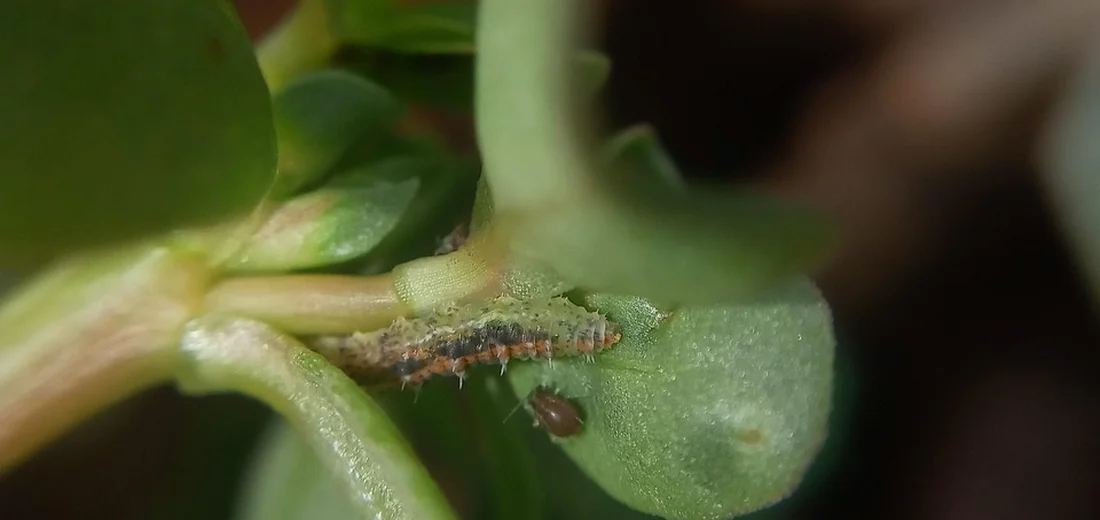
The two best candidates for indoor aphid control are ladybugs and lacewings. You can order them online or find them at some garden centers. This aligns with integrated pest management (IPM) for indoor plants, which emphasizes monitoring, prevention, and the use of beneficial organisms. Before you release them, lightly mist your plants with water so the insects have something to drink. Then, gently release them in the evening onto the infested plants and loosely drape a sheer curtain over the plant to encourage them to stay put.
They will happily feast on your aphid problem. Just remember that this works best in a contained space, like a single room or a grow tent, so your helpful bugs don’t wander off throughout your entire house. It’s a fascinating and highly effective solution for a persistent infestation.
Creating a Hostile Environment: Long-Term Prevention
Routine Plant Inspection is Your Best Defense
I make it a habit to check my plants every time I water them. Turning this quick check into a routine is the single most effective way to catch an aphid problem before it becomes an infestation. I gently lift leaves and look closely at the undersides, where pests love to hide, and I always inspect any new, tender growth. By doing so, you can spot the early warning signs of pest infestations on your plants before they spread. This quick vigilance lets you act fast and protect your greens.
Good airflow around your plants is a simple but powerful deterrent. I keep my succulents and other houseplants from being crammed too close together. Stagnant, humid air is a pest’s paradise, while a gentle breeze from an oscillating fan makes the environment much less inviting. Gentle, light airflow reduces fungal diseases, which is crucial for maintaining healthy plants. You can read more about this in detail here. It helps leaves dry faster after watering, reducing the chance of fungal diseases taking hold on your succulents.
Quarantine New Plants
I learned this lesson the hard way after bringing home a beautiful, but infested, fern that spread bugs to half my collection. Now, every new plant spends at least two weeks in a separate room, away from my other plants. This gives me time to watch for any pests that might have hitched a ride.
During this quarantine period, I don’t just watch it—I treat it. I give every new plant a thorough shower in the sink or with a hose sprayer to physically knock off any unseen critters. Sometimes, I’ll even do a preventative spray with a mild soap solution before it ever joins the group. Quarantine is my first line of defense against pests. By quarantining and treating new plants and keeping them isolated, I prevent pest spread.
Crafting Your Own Natural Pest Control Sprays
When I spot aphids, my first move is almost always to mix up a simple spray. These are my go-to recipes that I’ve used for years with great success on both delicate succulents and sturdier foliage plants.
The Simple Soap Spray
This is my number one, all-purpose weapon. The soap breaks down the aphids’ protective waxy coating, causing them to dehydrate.
- Mix 1 tablespoon of a pure, liquid castile soap (like Dr. Bronner’s) with 1 quart of warm water in a spray bottle.
- Shake gently to combine-you don’t want a lot of suds.
- Spray it directly onto the aphids, making sure to coat the tops and bottoms of the leaves.
- Let it sit for about two hours, then rinse the plant thoroughly with clean water to prevent any soap residue from harming the leaves.
Always do a test spray on a single leaf and wait 24 hours to ensure your plant isn’t sensitive to the solution.
The Zesty Garlic and Pepper Brew
For a more stubborn problem, I whip up this potent concoction. Aphids absolutely hate the smell and taste.
- Mince 3-4 cloves of garlic and 1-2 hot peppers (like cayenne).
- Steep them in 1 quart of boiling water for at least 12 hours, or overnight.
- Strain the mixture through a cheesecloth or fine sieve to remove all the solid bits.
- Add a teaspoon of the castile soap to help the spray stick to the leaves.
- Spray this directly on the pests. The smell will fade for you but will keep aphids away!
This spray is a powerful repellent, so I use it more for prevention and for serious infestations that need a stronger approach.
FAQs
Can essential oils be used for natural aphid control on indoor plants?
Yes, essential oils like peppermint or rosemary diluted in water can repel and suffocate aphids when sprayed on affected plants.
Is vinegar effective for natural aphid control indoors?
A diluted vinegar spray can kill aphids on contact, but use it carefully to avoid harming sensitive plant leaves.
How do I naturally control aphids on hibiscus plants grown indoors?
For hibiscus, apply a mild soap spray or introduce beneficial insects like ladybugs to target aphids without damaging blooms.
What are natural aphid control methods for orange trees kept inside?
On indoor orange trees, use neem oil or a garlic spray to deter aphids and protect the fruit and foliage.
Can I use natural aphid control on apple trees in containers indoors?
For container-grown apple trees, regularly wipe leaves with a damp cloth or use a soap-based spray to manage aphids.
What is a natural way to control aphids on indoor trees like ficus?
Maintain high humidity and use a water spray to dislodge aphids, or apply diatomaceous earth around the soil as a barrier.
Your Natural Defense Plan for Happy, Healthy Plants
In my years of nurturing indoor gardens, I’ve found that staying proactive with simple, natural methods is the secret to keeping aphids away for good. To apply this across your plant collection, craft a comprehensive pest prevention strategy. Focus on these core actions:
- Inspect your plants weekly and wipe leaves gently
- Use a soap spray or neem oil at first sight of pests
- Boost plant health with proper light and airflow
Trust your instincts and give these gentle techniques a try-your plants will thank you with lush, vibrant growth. You’re now equipped to handle aphids confidently and keep your green friends thriving.
Further Reading & Sources
- How to Control Aphids on Indoor House Plants
- Aphids on Indoor Plants | University of Maryland Extension
- How To Get Rid Of Aphids On Houseplants, For Good! – Get Busy Gardening
- 11 Smart Ways to Kill Aphids on Indoor Plants
Lena Greenfield is a passionate horticulturist and plant care expert with over 10 years of experience cultivating and nurturing hardy house plants. With a deep understanding of both indoor and outdoor gardening, Lena shares practical advice on choosing, caring for, and maintaining resilient plants that flourish year-round. Through her knowledge and hands-on approach, Lena helps plant lovers transform their spaces into vibrant, green sanctuaries, no matter their gardening experience.
Organic Pest Control