
How to Balance Humidity and Air Circulation in a Terrarium or Greenhouse
Published on: May 5, 2026 | Last Updated: May 5, 2026
Written By: Lena Greenfield
Are you worried about condensation blocking your view or mold starting to creep across your favorite plants? Getting the air and moisture levels just right is the secret to a thriving miniature ecosystem.
I’ve spent years fine-tuning environments for everything from tropical terrariums to arid greenhouses, and I’ll walk you through the process. We’ll cover how to monitor humidity levels, choose the right ventilation methods, and implement simple techniques to create the perfect balance.
Why Humidity and Air Circulation Matter for Your Plants
I’ve learned that humidity and airflow are like the lungs and skin of your enclosed garden. Getting this balance right prevents a host of problems before they even start, saving you from countless rescue missions.
How Humidity Affects Different Plant Types
Not all plants enjoy a steamy jungle. I group my plants by their humidity needs to keep everyone happy.
- Tropical Plants (Ferns, Calatheas): These thrive in high humidity, around 60-80%. I’ve seen my ferns perk up dramatically when I moved them to a more humid spot. Without it, their leaf tips turn crispy brown.
- Succulents and Cacti: They prefer it dry, around 30-50% humidity. I learned this the hard way when a jade plant in a humid terrarium developed soft, mushy spots. High humidity invites rot in plants that are built for arid climates.
- Air Plants (Tillandsia): These are the Goldilocks. They need good air circulation to dry out completely between waterings, but they also absorb moisture from the air. Stagnant, wet air is a death sentence for them.
The Impact of Airflow on Plant Vitality
Still air is the enemy of a healthy terrarium. Proper airflow does more than you might think.
- Prevents Mold and Mildew: I once had a beautiful moss carpet get taken over by white fuzz because the air was too still. A small fan fixed the issue completely.
- Strengthens Plant Stems: Gentle movement encourages plants to grow stronger, just like trees growing in a breezy field. Plants in stagnant air can become weak and leggy as they stretch for resources.
- Regulates Temperature: Moving air helps prevent hot spots from forming under grow lights, ensuring an even environment for all your plants.
Setting Up Your Terrarium for Perfect Humidity and Airflow
Creating the ideal environment is a hands-on process. Here’s how I set up my terrariums for success.
Choosing Between Passive and Active Ventilation
Your first big decision is how to move the air. I’ve used both methods extensively.
- Passive Ventilation: This relies on natural air exchange. I use screened lids or drill small holes in plastic domes. It’s silent, energy-free, and perfect for setups that don’t need a major humidity boost. Quick Tip: For a simple passive vent, just prop the lid open a half-inch with a small cork.
- Active Ventilation: This uses small, USB-powered computer fans. I install these in my larger, sealed terrariums to create a consistent breeze. It’s the best way to guarantee high humidity AND good air circulation simultaneously.
The choice is simple: if your plants need desert-like air, go passive. If they crave a tropical mist, you’ll likely need an active fan system. Pruning branches to open the canopy can improve air circulation and light penetration.
Creating Microclimates Within Your Terrarium
You don’t have to have one condition for the entire space. I love designing terrariums with different zones.
- Use Hardscape: Position rocks and wood to create sheltered, high-humidity pockets on one side and more exposed, breezy areas on the other.
- Layer Your Substrate: A deeper substrate layer at the back of the terrarium will hold more moisture, creating a damper zone for moisture-loving plants.
- Strategic Plant Placement: Place taller, thirstier plants near the back or in corners where humidity tends to be higher. Keep your succulents and cacti up front and elevated, where the air is driest and circulation is best.
Managing Greenhouse Environments for House Plants and Succulents
Using Vents and Fans for Effective Air Circulation
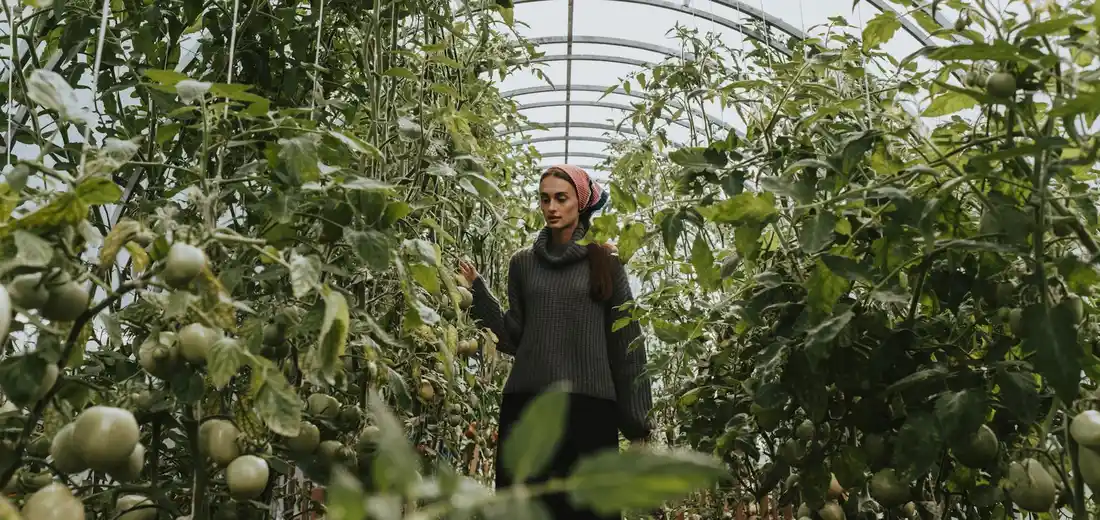
I learned the hard way that stagnant air is a silent killer in my greenhouse. My first batch of succulents developed mold because I treated the space like a sealed box. Stagnant air creates pockets of high humidity that encourage fungal growth and pest infestations. You need to mimic a gentle breeze, not a windstorm. The role of light and airflow plays a key role in preventing succulent diseases. A gentle breeze helps leaves dry and keeps humidity in check.
Here’s how I set up my system for healthy plants:
- Place oscillating fans at plant level, pointing slightly upward to move air across the foliage.
- Open roof and side vents during the warmest part of the day to let hot, moist air escape.
- Run exhaust fans for at least 15 minutes after watering to pull out excess moisture.
- Ensure there are no dead zones; air should move around every plant, especially in corners.
For my succulent shelf, I use a small, quiet computer fan on a timer. A little air movement goes a long way in preventing soft, mushy leaves on your succulents. It keeps their soil surface drier and strengthens their stems.
Controlling Humidity with Misting and Dehumidifying
Managing moisture feels like a constant dance. My tropical houseplants beg for humidity, while my succulents demand a desert-like dryness. Grouping plants with similar humidity needs together makes this balancing act much easier. Controlling humidity is essential for healthy indoor plants, and I tailor moisture levels to each zone. I have a “high-humidity zone” for my ferns and a “dry zone” for my cacti.
I use a two-pronged approach:
- For Boosting Humidity: I use a fine misting bottle for my tropical plants in the morning, which gives the leaves time to dry before nightfall. I also place trays of water with pebbles near my humidity-loving plants-the evaporating water provides a steady, gentle boost.
- For Lowering Humidity: My small, portable dehumidifier is a lifesaver during rainy seasons. For a low-tech solution, I keep a bag of silica gel beads tucked away on my succulent shelf to absorb ambient moisture quietly.
Remember, misting is a temporary lift, not a long-term solution for dry air. Never mist succulents or fuzzy-leaved plants like African Violets, as water sitting on their leaves can cause rot.
Essential Tools for Monitoring and Adjusting Your Environment
How to Read and Respond to Hygrometer Data
Buying a simple digital hygrometer was a game-changer for me. Guessing the humidity by how “muggy” it felt was a recipe for disaster. Place your hygrometer at plant canopy level, away from direct sunlight and water sources, for the most accurate reading.
Here is a quick guide to interpreting the numbers and what to do:
| Reading | What It Means | My Immediate Action |
|---|---|---|
| Above 70% | Danger zone for rot and mold. | I turn on fans, open vents, and sometimes run a dehumidifier for 30 minutes. |
| 40% – 60% | Ideal for most tropical houseplants. | I do nothing! This is the sweet spot for plants like Monsteras and Pothos. |
| Below 30% | Too dry for most plants, but perfect for many succulents. | For my tropicals, I might run a humidifier or group them closer together. |
Don’t panic over a single high or low reading. It’s the sustained, prolonged periods of extreme humidity that cause the most harm to your plants. Watch the trends over a day or week. Whether humidity is too high or too low, your plants may show signs of humidity stress. Look for clues like curled leaves, brown tips, or mold, which tell you it’s time to adjust humidity.
Automating Humidity and Airflow with Controllers
Once I got tired of manually adjusting everything, I invested in a simple environmental controller. It’s like a thermostat, but for humidity and fans. Automation brings peace of mind and creates a consistent environment that plants thrive in. I can leave for a weekend without worrying.
My setup is straightforward and wasn’t as expensive as I thought:
- I plugged my exhaust fan into a humidity controller. I set it to turn on when the humidity hits 65%.
- My oscillating fans are on a separate timer that runs for 10 minutes every hour during the day.
- For my tropical plant cabinet, a humidistat turns a small humidifier on and off to maintain 55% humidity.
You don’t need a high-tech greenhouse to benefit from this. Even a simple timer for your fans can drastically improve air circulation on a set schedule. Start with one automated device and see what a difference it makes.
Troubleshooting Common Humidity and Airflow Issues
Fixing Too Much Humidity or Condensation
Seeing constant condensation or even a light film of mold on the glass is your first clue that the humidity is too high. I learned this the hard way with my first closed terrarium, which turned into a fuzzy science experiment within a month. High humidity creates a breeding ground for fungal issues and can cause your plants’ roots and leaves to rot, especially if succulents are exposed to it in the bathroom or other damp areas.
Here are the immediate steps I take to lower humidity:
- Increase Ventilation: If you have a lid, simply crack it open or remove it for a few hours each day. For a greenhouse, open a vent or door to let the moist air escape.
- Add a Small Fan: A tiny, low-speed computer fan placed at the top of an enclosure works wonders to move stagnant, moist air out. I use these in my larger terrariums.
- Introduce a Moisture Absorber: A small, hidden dish of horticultural charcoal or silica gel packets can passively pull excess moisture from the air without chemicals.
- Check Your Watering: Often, the problem starts with overly wet soil. Let the top layer of substrate dry out completely before you even think about adding more water.
Solving Poor Air Circulation and Stagnation
Stagnant air feels heavy and can make your plants look limp and sad. Proper air movement is like a gentle breeze that strengthens plant stems and helps them breathe, making them more resilient to pests and disease. If you notice weak growth or a musty smell, it’s time to get the air moving. Air movement is one of the key factors in plant suitability for indoor environments. Considering these factors helps you choose plants that will thrive in your space.
My go-to solutions for improving air flow are simple and effective:
- Strategic Fan Placement: Don’t point a fan directly at your plants, as this can cause windburn. Instead, aim it at a wall or the ceiling of the space to create a gentle, circulating breeze.
- Prune for Space: Regularly trim back any overgrown leaves. This opens up the plant’s structure, allowing air to pass through the stems and around the soil surface more easily.
- Elevate Your Plants: Use plant stands or shelves to create vertical space. Staggering plants at different heights prevents them from creating one solid, air-blocking wall of foliage.
- Choose the Right Container: For terrariums, a wide-mouth jar is always better for air exchange than a narrow-necked bottle. More surface area at the top means better natural circulation.
Selecting Plants That Thrive in Balanced Environments
Best Succulents for Low-Humidity Setups
If you’re aiming for lower humidity with excellent air flow, most succulents are your best friends. These plants have adapted to store water in their leaves, so they prefer the air to be on the drier side. In my sunny, drafty windowsill, these are the champions that never let me down.
- Haworthia: With their striking, architectural shapes, they tolerate lower light and are very forgiving of the dry air in our homes.
- Echeveria: The classic rosette-shaped succulent, they love bright light and will thrive as long as their soil dries out completely between waterings.
- Jade Plant (Crassula ovata): This is a tough, woody succulent that almost seems to enjoy a bit of neglect and the dry conditions of a typical living room.
- Aloe Vera: Not only is it useful for soothing burns, but it’s also incredibly hardy and prefers the same warm, dry air that we do.
Ideal Tropical Plants for Humid Terrariums
For a lush, humid terrarium that feels like a miniature rainforest, you need plants that revel in moisture. These plants have thin leaves that lose water quickly, so they depend on a humid microclimate to stay perky and hydrated. In humid environments, tropical succulent varieties can thrive and bring intriguing shapes to the mix. My closed terrariums are filled with these varieties, and they create a beautiful, self-sustaining world.
- Nerve Plant (Fittonia): Its vividly veined leaves are a dramatic statement. It will dramatically wilt to tell you it’s thirsty, then bounce right back with a drink, making it perfect for a consistently moist environment.
- Baby’s Tears (Soleirolia soleirolii): This plant forms a beautiful, bright green carpet of tiny leaves. It loves humidity and will happily trail and fill in any empty space on the terrarium floor.
- Peperomia: With so many varieties like the Watermelon Peperomia, they offer interesting textures and colors without growing too large, keeping your miniature landscape manageable.
- Club Moss (Selaginella): This isn’t a true moss but a primitive plant that creates fern-like, deep green mats. It absolutely thrives in the constant, high humidity of a sealed container.
FAQs
How often should I monitor humidity levels?
Monitor humidity levels at least once a week to ensure they remain within the ideal range for your plants.
What is the simplest way to improve air circulation in a small terrarium?
Improve air circulation by slightly opening the lid or adding small holes for passive ventilation.
Can I use natural ventilation for a greenhouse?
Yes, natural ventilation through vents and windows is effective for greenhouses during appropriate weather.
How do I know if my plants are getting too much or too little airflow?
Signs of inadequate airflow include weak growth and mold, while too much can cause leaf desiccation.
What are the cost-effective tools for humidity control?
Use inexpensive options like pebble trays for humidity and simple fans for air circulation.
How can I balance humidity for a mixed plant collection?
Group plants with similar humidity needs together or use microclimates within the space.
Your Path to Plant Happiness
Balancing humidity and airflow boils down to regular checks and smart tweaks to mimic your plants’ natural habitats. Good air circulation prevents plant disease by reducing leaf wetness and fungal growth. It also supports overall plant health by avoiding stagnant air pockets.
- Use a hygrometer to monitor moisture and a small fan for gentle circulation.
- Group plants with similar needs and adjust ventilation based on your setup.
- For succulents, lean toward drier air to prevent rot, while tropicals enjoy higher humidity.
Trust your instincts and start applying these tips today—your plants will reward you with lush, vibrant growth. From my own terrarium experiments, I’ve found that a little consistency turns uncertainty into confidence, so dive in and enjoy watching your green space thrive! Think of succulent terrarium care as creating and maintaining a tiny, self-contained ecosystem. With careful drainage, light, and watering, your mini landscape will thrive.
Further Reading & Sources
- How to Keep Humidity in a Glass Terrarium – Self-Sustaining Ecosystem
- Terrariums Control Humidity and Air – The New York Times
- How to Increase Humidity in a Terrarium – FrogPets
- How to Increase Humidity in a Terrarium (5 Easy Ways)
Lena Greenfield is a passionate horticulturist and plant care expert with over 10 years of experience cultivating and nurturing hardy house plants. With a deep understanding of both indoor and outdoor gardening, Lena shares practical advice on choosing, caring for, and maintaining resilient plants that flourish year-round. Through her knowledge and hands-on approach, Lena helps plant lovers transform their spaces into vibrant, green sanctuaries, no matter their gardening experience.
Light and Temperature