
Healthy Succulents: Your Guide to Temperature and Humidity
Published on: April 29, 2026 | Last Updated: April 29, 2026
Written By: Lena Greenfield
Getting the temperature and humidity right is key to keeping your succulents thriving, not just surviving. If these factors are off, you might notice problems like mushy leaves or stunted growth, but a few simple tweaks can make all the difference.
Based on my years of growing succulents in various climates, I’ll break it all down for you, covering ideal temperature ranges, humidity control methods, seasonal adjustments, and early warning signs.
Understanding the Perfect Succulent Climate
Think of your succulent’s ideal home as a perfect, sunny desert vacation spot, like Arizona or Southern Spain. These plants are built for dry air and warm days, and replicating that environment is the single biggest key to keeping them from getting mushy or shriveled. In my own collection, I’ve seen stressed succulents bounce back almost overnight once I corrected their temperature and humidity.
Getting this environment right does more than just keep your plant alive. You’ll be rewarded with much more vibrant leaf colors, especially those beautiful stress colors like reds and purples. Proper conditions also encourage strong, compact growth instead of the leggy, stretched-out look they get when they’re unhappy.
- Vibrant, intense coloration on the leaves.
- Strong, compact growth that doesn’t get leggy.
- Increased resistance to pests and rot.
The Ideal Temperature Range for Happy Succulents
Most common succulents are happiest in a daytime range similar to a comfortable spring day. I aim for between 70°F and 85°F (21°C to 29°C) during the day when my plants are actively growing. They appreciate a cooldown at night, with ideal temperatures dropping to between 50°F and 60°F (10°C to 15°C). These ranges are a solid general guide for many succulents, though some species have different optimal temperature ranges for succulents.
It’s crucial to know their limits to prevent shock. As a general rule, don’t let temperatures dip below 40°F (4°C) for most varieties, as frost will cause severe damage. On the hot end, they can often tolerate heat up to 90°F (32°C), but anything beyond that requires extra shade and airflow to prevent sunburn.
| Growth Phase | Daytime Temperature | Nighttime Temperature |
|---|---|---|
| Active Growth (Spring/Summer) | 70°F – 85°F (21°C – 29°C) | 50°F – 60°F (10°C – 15°C) |
| Dormancy (Fall/Winter) | 60°F – 75°F (15°C – 24°C) | 45°F – 55°F (7°C – 13°C) |
A cooler winter rest period is actually beneficial for many succulents, as it helps trigger flowering in the spring. Winter dormancy vs summer dormancy is a cool-season rest, while summer dormancy is driven by heat and water stress. I move my hardy sedums and sempervivums to a cooler windowsill in the fall, and they always thank me with gorgeous blooms later on. Understanding these key differences helps tailor light, watering, and temperature for year-round health.
Getting Humidity Levels Just Right
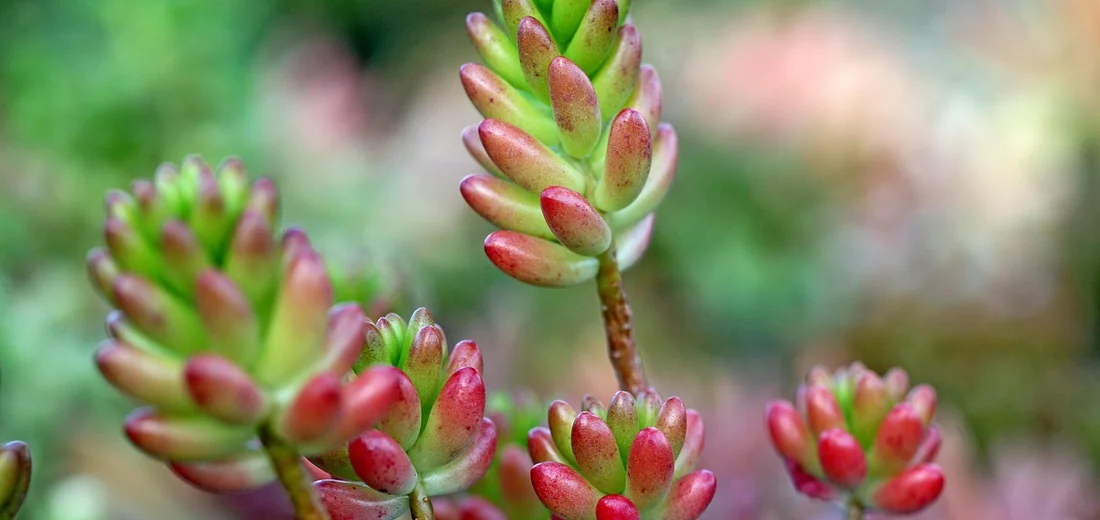
In my years of collecting succulents, I’ve found that understanding indoor humidity is a game-changer for preventing rot. Humidity is simply the amount of water vapor in the air, and it directly affects how quickly your plant’s soil dries out. Controlling humidity is key to healthy indoor plants—aim for steady airflow and suitable moisture levels to keep succulents happy. Small adjustments, like using a humidistat or a fan, can make a big difference.
For indoor growing, I categorize it like this:
- Low Humidity (Below 30%): Common in homes with central heating or air conditioning. Your soil will dry out faster, which can be great for preventing rot but might make some succulents thirsty a bit sooner.
- Moderate Humidity (40-50%): This is the sweet spot for most common succulents like Echeverias and Haworthias. It mimics their natural, arid habitats perfectly.
- High Humidity (Above 60%): This is the danger zone. Moist air slows soil evaporation dramatically, creating a soggy environment where roots suffocate and rot.
Humidity and watering are a tight-knit team you must manage. High humidity means you should stretch the time between waterings significantly, as the soil stays wet for much longer. I’ve learned this the hard way after losing a beautiful Jade plant to root rot in a steamy bathroom.
Your home will give you clues about its humidity level. Here’s what to look for:
- Signs Air is Too Dry: You might notice more static electricity, your own skin feels tight, or the tips of your succulent’s leaves start to brown and crisp up.
- Signs Air is Too Humid: Windows are often foggy, you feel clammy, or-most tellingly-you see condensation forming on the inside of your succulent’s pot.
Spotting Temperature and Humidity Stress
Your succulents communicate their discomfort through their leaves, and learning their language saves lives. Heat stress often shows up as sunburn-bleached, white, or crispy brown patches on the leaves most exposed to the light. It’s just one way to recognize and respond to seasonal stress in succulents.
Cold stress is a different beast. I once left a sensitive succulent near a drafty window on a cold night, and the next morning its leaves were soft, translucent, and felt mushy, like overripe fruit. That’s a classic sign of cell damage from the cold. For succulents that must survive outdoors, understanding cold hardiness is essential. These guidelines help determine who can stay outdoors and how to protect them from freezing temperatures.
Distinguishing between a temperature problem and a humidity problem boils down to the texture of the plant. A humidity issue (often too high) typically leads to rot at the base or roots, while a pure temperature issue affects the leaves and body of the plant first. Different types of humidity stress can cause different symptoms in plants, so it’s important to identify the specific cause.
Use this quick list to diagnose what you’re seeing:
- Mushy, Translucent Leaves: This is usually overwatering, but high humidity is the accomplice that kept the soil wet. It can also signal cold damage.
- Shriveling Leaves: The plant is thirsty. This can be from underwatering, but also from very low humidity pulling moisture from the leaves too quickly.
- Sunburn Spots: Crispy, scorched marks that are often white or brown. This is a direct result of too much intense light and heat.
- Blackened, Soft Stems: A sure sign of rot, almost always caused by cool temperatures combined with wet soil from high humidity or overwatering.
- Leaf Drop: If healthy leaves are falling off at a slight touch, the plant is often too hot and desperately trying to conserve water.
Simple Adjustments for Your Indoor Environment
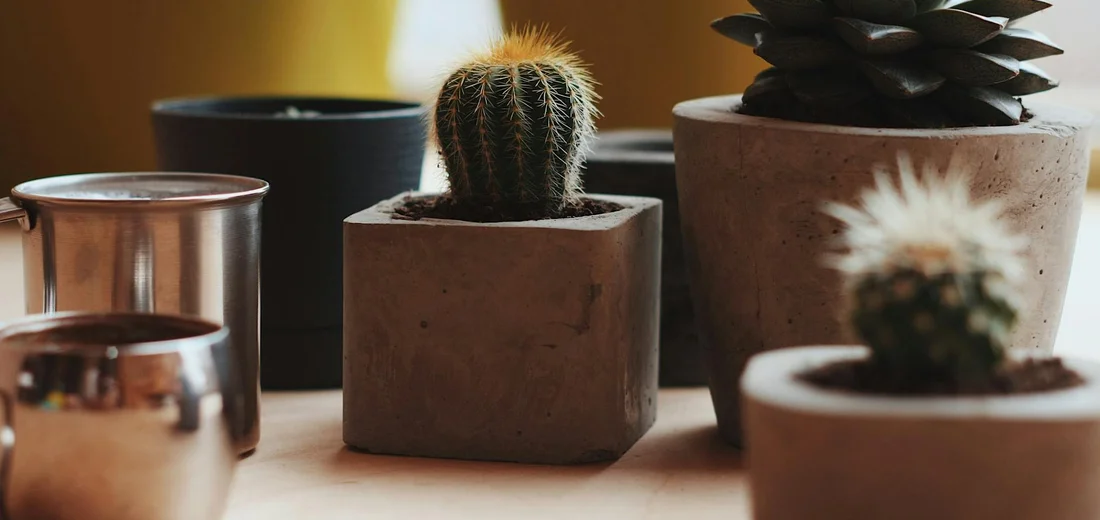
Smart Placement for Light and Air
Finding the perfect spot for your succulents is like choosing the best seat in a movie theater-you want the best view without the discomfort. I always test a new spot for a few days before committing a plant there permanently.
Here is my simple process for assessing any location:
- Check the morning and afternoon sun. A south-facing window often gets intense, all-day light, while an east-facing one provides gentler morning rays.
- Feel the air movement. Can you feel a slight breeze? Good air circulation helps prevent pests and fungal issues, which thrive in stagnant, humid air.
- Monitor the temperature for a full day. I leave a small thermometer in the spot for 24 hours to see the highs and lows, ensuring it stays within that 60-80°F sweet spot.
- Do the “hand test.” Place your hand where the plant’s leaves will be. If it feels uncomfortably hot to you after 10 seconds, it’s definitely too hot for your succulent.
Using Household Tools for Climate Control
You don’t need a fancy greenhouse to create a great environment. A simple oscillating fan on a low setting can work wonders for improving air flow and reducing excess moisture around your plants.
Let’s look at the common tools and some clever alternatives:
- Small Fan
- Pros: Inexpensive, greatly improves air circulation, deters pests.
- Cons: Can dry out soil faster, so you must check moisture levels more often.
- Dehumidifier
- Pros: Actively removes moisture from the air, perfect for damp basements or humid climates.
- Cons: Uses more energy, can be an upfront cost.
- Humidifier
- Pros: Adds moisture for dry winter air or for certain succulent varieties that prefer a bit more humidity.
- Cons: Can make the air too humid for most common succulents, leading to rot.
My favorite budget-friendly trick is the pebble tray. Fill a shallow tray with pebbles and water, then place your pot on top, ensuring the pot’s base isn’t sitting in the water. As the water evaporates, it creates a tiny pocket of higher humidity right around your plant without making the whole room damp. It also helps balance humidity and air circulation in small setups like terrariums or greenhouse shelves. Monitor condensation to prevent mold in humidity-loving arrangements.
Seasonal Shifts in Succulent Care
Protecting Succulents from Summer Heat
Summer sun can be brutal, even for sun-loving succulents. I’ve learned that a sheer curtain is a succulent’s best friend during a heatwave, diffusing that intense, direct light that can literally scorch their leaves.
When temperatures consistently soar above 85°F, I make two key adjustments. First, I might water a little more frequently, but only after confirming the soil is completely dry. Second, I pay close attention to my plants that are in terracotta pots, as they dry out much faster than plastic or glazed ceramic in the heat.
Guarding Against Winter Cold and Frost Risk
Cold is a far greater enemy to most succulents than heat. Drafts from a leaky window can do more damage than the overall room temperature, causing cold damage almost overnight.
My number one winter rule is to drastically reduce watering. The plants are semi-dormant and not growing much, so they use very little water. I might go 3-4 weeks, or even longer, between waterings. If you’re bringing outdoor succulents inside for the winter, give them a gradual acclimation period in a shaded, protected area for a week first—this prevents shock. For more detailed information, check out how to adjust watering for succulents in winter versus summer.
Caring for Different Types of Succulents
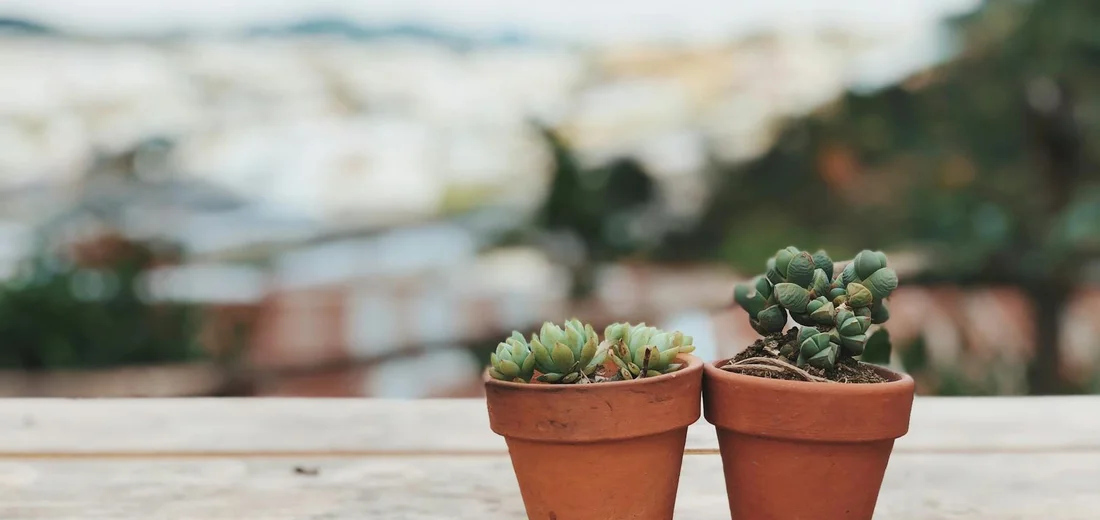
Just like people, different succulents have different comfort zones. I’ve learned that lumping all succulents together is a recipe for wrinkled leaves or worse, so I always check a new plant’s specific needs. Their temperature and humidity tolerance can vary dramatically by species and even by their native habitat.
Some varieties I grow absolutely thrive with a bit of a chill, while others sulk if they don’t get consistent warmth. This is why placing a heat-loving Echeveria next to a cool-craving Sempervivum on the same windowsill rarely works out well for both of them. Getting to know your plant’s background is the first step to providing perfect care.
Cool-Temperature Champions
These are the tough guys that can handle conditions that would make other succulents shiver. In my experience, many of these varieties are fantastic for outdoor rock gardens in climates with distinct seasons. They often originate from mountainous or coastal regions.
- Sempervivum (Hens and Chicks)
- Sedum (Many Stonecrop varieties)
- Some types of Agave
Heat-Loving Sun Worshipers
This group wants all the sunshine and warmth you can give them. I keep my collection of these on a south-facing patio where they bake happily all summer long. They typically come from desert environments.
- Echeveria
- Aloe
- Crassula (like the Jade Plant)
- Cactus (of course!)
Quick Guide to Common Succulent Preferences
Here’s a handy reference I use when arranging my plant shelves or giving advice to fellow succulent lovers.
| Succulent Type | Ideal Temperature Range | Humidity Preference |
|---|---|---|
| Echeveria | 65°F – 80°F (18°C – 27°C) | Low (Very dry air) |
| Jade Plant (Crassula) | 65°F – 75°F (18°C – 24°C) | Low to Average |
| Aloe Vera | 55°F – 80°F (13°C – 27°C) | Low |
| Haworthia | 75°F – 90°F (24°C – 32°C) | Low |
| Sempervivum | Can tolerate down to 20°F (-7°C) | Low, tolerates some moisture |
| Snake Plant (Sansevieria) | 70°F – 90°F (21°C – 32°C) | Extremely adaptable |
My top tip is to group plants with similar needs together; it makes creating the right microclimate so much easier. This simple table is a lifesaver for preventing the common mistake of treating a hardy Sempervivum the same as a tropical Haworthia.
FAQs
How can I accurately measure the humidity in my home for my succulents?
Use a digital hygrometer to monitor humidity levels in different areas of your home.
Is it safe to place succulents near air vents or heaters?
Avoid placing succulents near direct airflow from vents or heaters to prevent rapid drying and temperature stress. A gentle, light airflow around plants helps keep leaf surfaces dry and reduces the risk of fungal diseases. It supports healthier growth by minimizing humidity buildup that can invite rot.
Can succulents adapt to higher humidity over time?
Most succulents cannot adapt to consistently high humidity and may develop rot or fungal issues.
What is the impact of nighttime temperature drops on succulent health?
Moderate nighttime temperature drops can promote healthy growth and dormancy, but extreme changes may cause damage.
How do I know if my succulent is getting too much or too little light based on temperature?
If leaves feel hot or show sunburn in warm conditions, reduce light exposure; if growth is leggy in cool temps, increase light.
What are quick fixes for sudden humidity changes indoors?
Increase air circulation with a fan for high humidity or use a pebble tray for low humidity to stabilize the environment quickly.
Your Succulent Success Plan
After caring for countless succulents, I’ve found that mimicking their native dry, warm habitats with consistent temperatures and low humidity prevents most common issues and keeps them thriving, especially when you understand what succulents need to thrive.
- Maintain daytime temperatures of 65-80°F and slightly cooler nights
- Keep humidity under 50% to avoid mold and rot
- Protect plants from sudden drafts or extreme temperature swings
Now, take what you’ve learned, trust your growing skills, and give your succulents the cozy, dry home they love-you’ll see the rewarding results in no time!
Further Reading & Sources
- Succulents for high temperatures and high humidity in the Cactus and Succulents forum – Garden.org
- Growing Succulents Indoors | Yard and Garden
- What temperature and humidity range is best suited for succulents? – Quora
- Ideal Temperatures for Succulents: Keeping Your Plants Happy & Healthy – Succulents Box
Lena Greenfield is a passionate horticulturist and plant care expert with over 10 years of experience cultivating and nurturing hardy house plants. With a deep understanding of both indoor and outdoor gardening, Lena shares practical advice on choosing, caring for, and maintaining resilient plants that flourish year-round. Through her knowledge and hands-on approach, Lena helps plant lovers transform their spaces into vibrant, green sanctuaries, no matter their gardening experience.
Light and Temperature