
Are Coffee Grounds Good for Succulents?
Published on: January 6, 2026 | Last Updated: January 6, 2026
Written By: Lena Greenfield
You’ve probably heard that coffee grounds are a fantastic free fertilizer, but you might worry they’ll harm your precious succulents. Let me assure you, they can be beneficial, but only if you use them correctly to avoid root rot.
I’ve tested coffee grounds on my own succulent collection for years, and I’ll walk you through everything you need to know. We’ll cover the pros and cons, how to prepare them safely, the best application methods, and what alternatives work better.
The Great Debate: Can Coffee Grounds Help Your Succulents?
I’ve seen this question pop up in every plant group I’m in, and honestly, I’ve tested it myself on a few brave succulent volunteers. The short answer is that used coffee grounds can offer a mild benefit, but you absolutely cannot just dump them straight from your coffee pot onto your plants. Think of them more as a soil amendment ingredient, not a standalone fertilizer.
Fresh, unbrewed coffee grounds are far too acidic and can actually harm your succulents. The used grounds, however, are much milder. In my own patio garden, I’ve had the best results by mixing a small amount of used, dried grounds into my compost bin first. This gives you the upside without the major risks.
What Coffee Grounds Do to Your Succulent’s Soil
Throwing coffee grounds on top of your soil is a recipe for trouble. They form a dense, wet mat that blocks air and traps far too much moisture. Succulent roots need to breathe, and a compacted layer of grounds can literally suffocate them and lead to rapid root rot. I learned this the hard way with a jade plant that developed mold on its soil surface.
Instead, the magic happens when you mix them in. When incorporated properly into your potting mix, the grounds break down slowly. This gradual decomposition helps improve the soil structure over time, creating tiny pockets for air and water to move more effectively. It’s a long-game strategy, not a quick fix.
The Nutrient Boost: A Closer Look
Used coffee grounds are not a power-packed fertilizer, but they do contain a small amount of key nutrients. The most significant is nitrogen, which is vital for the green, leafy growth of your plants. They also offer trace amounts of potassium and phosphorus, supporting overall plant health and root development.
Don’t expect a dramatic growth spurt, though. In my experience, the nutrient release is so slow that it’s more of a gentle, sustained feeding than a sudden burst of energy. It’s perfect for low-maintenance succulents that don’t need or want heavy feeding. To aim for maximum growth, fertilize during the spring to early summer growth window. Pause feeding in fall and winter when growth slows.
- Nitrogen: Supports lush, green foliage.
- Potassium: Aids in overall plant function and drought resistance.
- Phosphorus: Encourages strong root systems.
The Moisture and Aeration Factor
This is the trickiest part of using coffee grounds. On one hand, their organic matter can help sandy soil retain a *bit* more moisture. For most succulents, however, increasing water retention is the opposite of what you want. Their native habitat is dry, and their roots are built for it. To prevent succulent diseases, water properly and use well-draining soil so roots don’t sit in damp conditions. This approach helps keep roots healthy and rot at bay.
The real benefit for aeration comes from the texture. When mixed thoroughly into a well-draining cactus and succulent mix, the coarse grounds can help prevent the soil from compacting too tightly over time. This means water drains through more efficiently, and roots have the airy environment they crave.
Quick Tip: Always let your used coffee grounds dry out completely on a paper towel before even thinking about adding them to your plants. This prevents immediate mold issues.
I like to use a very light hand-no more than a tablespoon or two of dried grounds mixed into a whole cup of fresh potting soil when I’m repotting. This small ratio gives you the soil-structure benefits without turning your pot into a waterlogged sponge. For established plants, I stick with mixing grounds into my compost pile and then using that finished compost in my soil mixes.
How to Safely Use Coffee Grounds with Your Succulents
I’ve made plenty of mistakes with coffee grounds over the years, so you don’t have to. Following these steps will help you harness the benefits of coffee grounds without harming your precious succulents.
-
Step 1: Preparing Your Coffee Grounds
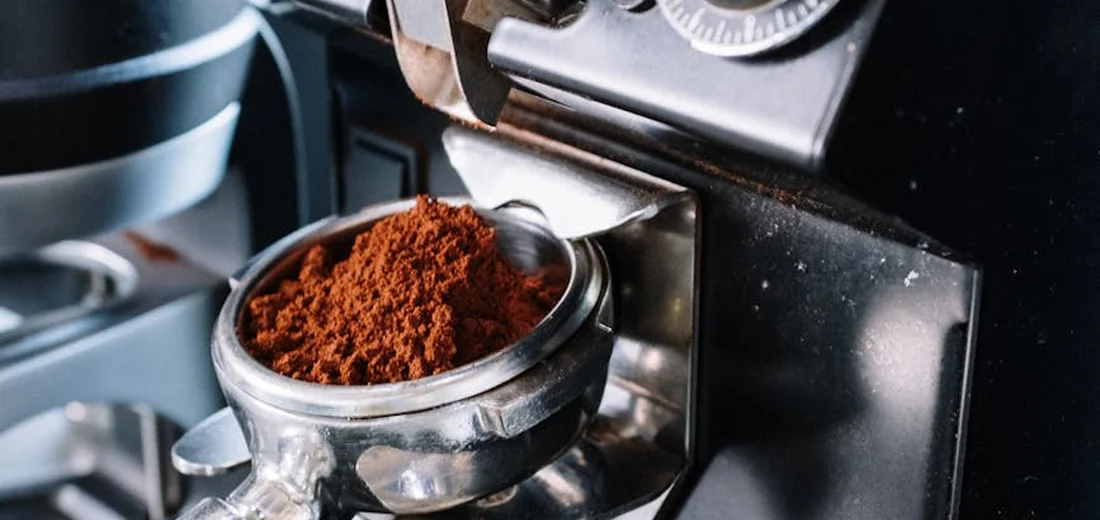
Never use wet, fresh coffee grounds directly from your machine. I learned this the hard way when a batch of my echeverias developed mold. Always spread your used coffee grounds on a baking sheet or paper towel and let them dry out completely. This prevents them from clumping and creating a soggy, moldy environment that succulents despise.
-
Step 2: Creating the Perfect Potting Mix Ratio
Succulents need a fast-draining mix, and coffee grounds are fine and can compact. Do succulents really need special soil? The truth is they benefit from a gritty, fast-draining mix rather than dense potting soil. I never use more than a 10-20% ratio of coffee grounds in my overall potting mix. For a standard pot, that’s roughly one part dried coffee grounds to four or five parts of your regular succulent soil. More than this can seriously risk water retention.
-
Step 3: Applying as a Top Dressing or Liquid Fertilizer
You have two main methods. For a top dressing, I lightly sprinkle a thin layer of the dried grounds on top of the soil, keeping it away from the plant’s stem. My preferred method is making a weak “coffee ground tea” by steeping a tablespoon of dried grounds in a gallon of water for a few hours. Then, I use this to water my plants, giving them a gentle nutrient boost without altering the soil structure.
-
Step 4: Determining How Often to Apply
Succulents are light feeders. I usually give my succulents a coffee ground tea or a fresh top dressing during the active growing season, which is typically spring and summer, and no more than once a month. During the fall and winter, I give them a complete break. Overdoing it is the fastest way to cause problems. You can learn more about how to care for succulents during hot summer months here.
Mixing the Ideal Potting Soil Blend
Creating the perfect home for your succulents is key. Here is my go-to recipe that I’ve perfected over many seasons. This blend ensures fantastic drainage while incorporating the slight acidity and organic matter from coffee grounds. Do succulents thrive with this mix? They tend to, when you water sparingly and give them bright light.
- Base (50%): A high-quality commercial succulent and cactus potting mix.
- Aeration (30%): Perlite or pumice. This is non-negotiable for preventing wet roots.
- Compost & Coffee Grounds (20%): A combination of well-aged compost and your dried coffee grounds. I aim for a 50/50 split here, so the coffee grounds make up about 10% of the total mix.
Mix everything thoroughly in a large tub before potting. Your final mix should be gritty and loose, not dense or muddy. If it feels like regular garden soil, add more perlite. For succulents, use perlite succulent soil mixes to ensure quick drainage. This drainage helps prevent root rot.
Common Problems and How to Avoid Them
Using coffee grounds isn’t without its risks, but being aware of them makes all the difference.
Fungus gnats absolutely love moist, organic material, and wet coffee grounds are a five-star hotel for them. This is the number one reason I insist on letting the grounds dry out completely before using them. If you see tiny flies, let the soil dry out deeply and consider a top layer of sand.
The biggest threat to succulents is root rot from compacted, waterlogged soil. If your plant’s leaves are turning yellow, translucent, and mushy, you’ve likely added too many coffee grounds or watered too soon after application. The fix is to unpot the plant, remove any rotten roots, and repot it in a fresh, grittier mix without any coffee grounds. To avoid these common succulent watering mistakes, let the soil dry out completely between waterings and ensure the pot has good drainage. With careful watering habits, you can prevent root rot and keep succulents healthy.
While most succulents enjoy slightly acidic soil, overdoing it can lock away essential nutrients. If your plant’s growth seems stunted or leaves look pale, the soil pH might be too low. Stop using coffee grounds and flush the soil with plain water to help rebalance it. A little goes a very long way.
My Top Alternatives to Coffee Grounds
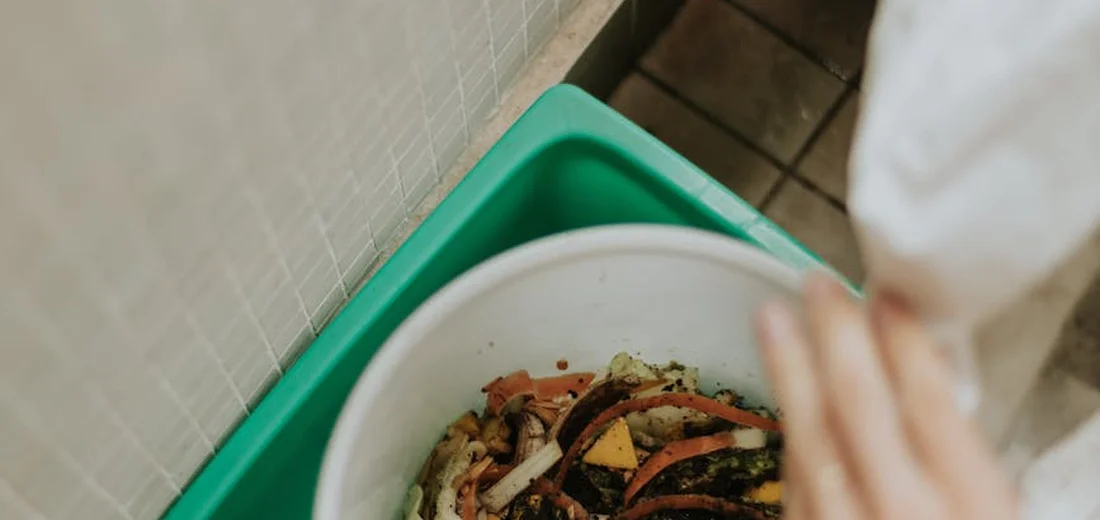
After years of trial and error in my own succulent collection, I’ve found several alternatives to coffee grounds that deliver results without the risks. These options provide gentle, controlled nutrition that won’t overwhelm your plants’ delicate root systems.
Worm Castings: My Go-To Power Food
I consider worm castings the ultimate plant superfood. They’re mild, odorless, and packed with beneficial microbes. I mix a handful into my potting soil every time I repot, and the results are fantastic.
- Provides a slow-release, balanced nutrient supply
- Improves soil structure without compaction
- Contains beneficial enzymes and bacteria
- Works for every type of succulent I’ve tried
Compost Tea for a Gentle Boost
When my succulents need a quick pick-me-up, I brew a weak compost tea. I dilute it much more than for other houseplants-about one part tea to four parts water. This gives them a light nutrient bath that’s easy to absorb.
- Steep finished compost in water for 24 hours
- Strain out the solid material
- Dilute until it looks like weak tea
- Water your succulents as normal
Diluted Liquid Fertilizers
For controlled feeding, I use balanced liquid fertilizers at half strength. Look for formulas with equal NPK numbers, like 2-2-2 or 5-5-5. I apply this only during active growth periods, usually spring and early summer.
- Choose water-soluble formulas for easy application
- Always dilute beyond package instructions
- Apply to damp soil to prevent root burn
- Feed no more than once monthly during growing season
Which Succulents Might Actually Like a Coffee Treat?
While I don’t recommend coffee grounds for most succulents, a few types can handle slightly more acidic conditions. These are the exceptions I’ve cautiously experimented with in my own collection. Even with these plants, I use extreme moderation.
Christmas Cactus (Schlumbergera)
My Christmas cactus has shown the best tolerance for occasional coffee treatments. I’ll sometimes add a teaspoon of used grounds to its soil in spring, months before blooming season. The key is doing this only once per year and ensuring excellent drainage.
This plant naturally grows in tree branches where organic matter decomposes slowly, making it more adaptable to coffee grounds than desert succulents.
Jade Plants (Crassula ovata)
Mature jade plants in my care have handled very diluted coffee applications. I’ll take cooled black coffee (no sugar or cream) and mix one part coffee with ten parts water. I use this mixture only during their spring growth spurt.
- Only for established plants over two years old
- Apply no more than twice per growing season
- Watch closely for leaf discoloration
- Discontinue immediately if growth slows
Snake Plants (Sansevieria)
These tough plants can survive almost anything, including occasional coffee. I’ve used a weak coffee solution to revive a neglected snake plant with yellowing leaves. The nitrogen boost helped green it up, but I wouldn’t make it a regular practice.
Remember that tolerance isn’t the same as preference-these plants survive coffee treatments rather than thriving from them. I still prefer the safer alternatives I mentioned earlier.
Common Questions
Can I put coffee grounds directly on my succulents?
No, you should never put fresh, wet coffee grounds directly on your succulents as they can form a dense mat that causes root rot.
How do I prepare coffee grounds for succulent soil?
Always spread your used coffee grounds out on a paper towel or baking sheet to let them dry completely before using them.
What is the safe ratio of coffee grounds to soil for succulents?
A safe ratio is no more than 10-20% coffee grounds in your overall potting mix, which is roughly one part dried grounds to four or five parts succulent soil.
What are the main benefits of coffee grounds for succulents?
The main benefit is a slow, gentle release of nitrogen, which supports green, leafy growth, along with trace amounts of potassium and phosphorus.
Are coffee grounds safe for indoor succulents?
Yes, but you must be extra cautious with drying and ratios to prevent moisture retention and fungus gnats in the less-ventilated indoor environment.
Can I use coffee grounds when propagating succulents?
It is not recommended, as succulent cuttings and leaves need a sterile, well-draining medium to root, and coffee grounds can introduce too much moisture and risk of mold.
Your Succulent Care Checklist with Coffee Grounds
After years of nurturing succulents, I’ve seen that coffee grounds can be a handy helper if you focus on gentle, infrequent use to dodge common troubles. Start small and observe how your plants respond-it’s the safest way to experiment.
- Combine spent coffee grounds with well-draining soil to avoid moisture buildup.
- Limit applications to once every season for a nutrient boost without over-acidifying.
- Check for plump, colorful leaves as a sign you’re on the right track.
For more trusted advice, follow along at Hardy House Plants where I share my hands-on insights. If you’re wondering whether succulents are easy care for beginners, this complete guide has you covered. It’s a beginner-friendly overview of succulent care. Remember, every plant parent learns by doing, and your succulents are hardy companions on this journey!
Further Reading & Sources
- r/succulents on Reddit: Can you use coffee grounds with succulents?
- Using Coffee Grounds on Succulents Directly: Yes or No? | THE NEXT GARDENER – Thenextgardener
- I sprinkled raw coffee grounds all over my succulent gardens. Is there any way to amend the soil? – Quora
- Do succulents benefit from coffee grounds? Jade and …
Lena Greenfield is a passionate horticulturist and plant care expert with over 10 years of experience cultivating and nurturing hardy house plants. With a deep understanding of both indoor and outdoor gardening, Lena shares practical advice on choosing, caring for, and maintaining resilient plants that flourish year-round. Through her knowledge and hands-on approach, Lena helps plant lovers transform their spaces into vibrant, green sanctuaries, no matter their gardening experience.
Fertilization