
Choosing the Right Pot Size for Snake Plants
Published on: January 11, 2026 | Last Updated: January 11, 2026
Written By: Lena Greenfield
Are you worried that your snake plant’s pot is too big or too small? The wrong pot can stop your plant from thriving and even lead to dreaded root rot.
In this guide, I’ll walk you through the simple steps I use to pick the perfect pot every time. You’ll learn how to measure your plant, understand the ideal “snug fit,” choose the best material, and recognize when it’s finally time for an upgrade.
Why Your Snake Plant’s Pot Size Matters
Getting the pot size right is the secret to a happy, thriving snake plant. Think of the pot as your plant’s foundation-it dictates everything from root health to how often you need to water. I’ve learned this through trial and error with my own collection. A pot that’s too large holds onto moisture for far too long, creating a soggy environment that snake plant roots absolutely despise.
Snake plants are champions of neglect, but their one major weakness is wet feet. An oversized pot is the fastest route to root rot, a silent killer that can destroy your plant from the ground up. The excess soil acts like a wet sponge, and the roots, which are designed to seek out water, can’t drink it all fast enough. They end up sitting in dampness, which causes them to decay.
On the flip side, a pot that’s too small is just as problematic. When a snake plant becomes root-bound, its growth grinds to a halt because there’s simply no more room to expand. You might notice the plant becoming top-heavy and tipping over, or the leaves starting to curl and wrinkle from dehydration, as the cramped roots can’t absorb water effectively. The plant is literally strangling itself. Skinny leaves are a telltale symptom of root-bound stress, signaling it’s time to address the issue. To find out more about how to fix root-bound stress, you can visit this [link](https://hardyhouseplants.com/why-is-my-snake-plant-growing-skinny-leaves-and-how-to-fix-it). To fix it, repot into a slightly larger pot with fresh, well-draining soil and trim any tangled roots to encourage proper growth.
Choosing the correct pot size creates a stable, balanced environment. The goal is to find a container that gives the roots a little room to grow without drowning them in unused soil. This balance encourages healthy growth and makes your watering schedule much more predictable and effective.
When It’s Time for a Bigger Home: Repotting Your Snake Plant
Snake plants are slow growers and actually enjoy being a bit snug, so they don’t need repotting often. You typically only need to repot a snake plant every 2 to 3 years, or when you see clear signs it’s outgrown its current space. Knowing when to repot your snake plant is crucial to ensure its health. I usually plan my repotting for the spring or early summer, when the plant is entering its active growing season and can recover more quickly.
Here are the undeniable clues that your snake plant is ready for an upgrade:
- Roots are circling the bottom or visibly growing out of the drainage holes.
- When you gently lift the plant, the root ball comes out in one solid mass, with more roots than soil visible.
- The pot is cracking or bulging outwards from the pressure of the roots inside.
- Your plant has stopped putting out new leaves, even during the growing season.
- It becomes extremely top-heavy and tips over with the slightest bump.
The Simple Repotting Process
Once you’ve confirmed it’s time, the process is straightforward. Gather your new pot (only 1-2 inches wider in diameter than the old one), fresh succulent or cactus potting mix, and some newspaper for the mess. I always do this on my patio or over a large tray to contain the soil.
- Water your snake plant lightly a day or two before repotting. This makes it easier to remove from the old pot and reduces transplant shock.
- Lay the pot on its side and gently wiggle the plant out. You might need to tap the sides of a plastic pot or carefully run a knife around the edge of a ceramic one.
- Inspect the root ball. Use your fingers to gently loosen the outer roots. If you see any dark, mushy roots, snip them off with clean scissors.
- Place a layer of fresh potting mix in the bottom of the new pot. The goal is to have the top of the root ball sit about an inch below the pot’s rim.
- Set your plant in the center and fill in around the sides with more soil, gently firming it down as you go to remove large air pockets.
- Wait about a week before you give it the first watering. This allows any minor root damage to callus over, preventing rot.
Resist the urge to water your newly potted snake plant right away—this patience is critical for preventing root rot. Place it back in its favorite spot with bright, indirect light and let it settle into its new home. You’ll likely see a surge of new growth in the following weeks as it celebrates the extra space. In our complete guide to keeping snake plants indoors, we cover how often to water and how to spot when watering is needed. This guide helps you tailor watering to season and light.
Finding the Perfect Fit: A Step-by-Step Guide to Measuring for a New Pot
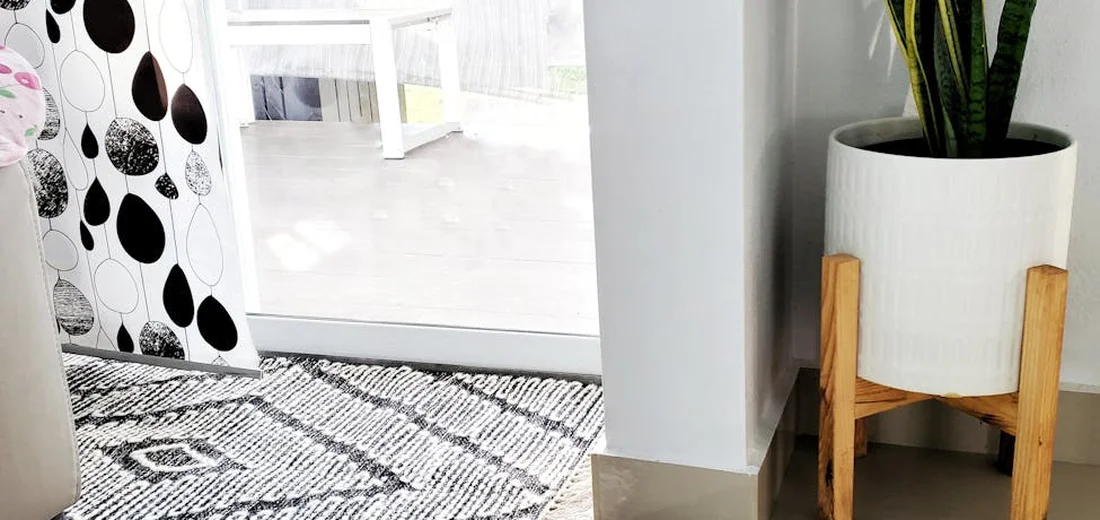
Step 1: Gently Remove and Inspect the Root Ball
First, lay the pot on its side and gently squeeze the sides of the nursery pot to loosen the root ball. I always support the plant’s base with my fingers as I ease it out, preventing any leaves from snapping under their own weight. Once it’s free, take a good look at the roots. Healthy snake plant roots are firm and orange-ish or white, while mushy, dark roots signal overwatering and rot.
Step 2: Measure the Root Ball’s Dimensions
Grab a tape measure and check the diameter of the root ball at its widest point, and then measure its height. This quick measurement is your most important piece of data and prevents you from buying a pot that’s way too big or frustratingly small. Don’t worry about cleaning off all the soil; you just need the overall dimensions of the earthy mass that holds your plant.
Step 3: Select Your New Pot Based on the 2-Inch Rule
Now, apply the golden rule I’ve used for years: choose a new pot with a diameter that is only 1 to 2 inches wider than the root ball you just measured. Snake plants truly thrive when they are slightly snug, and this small upgrade gives the roots just enough room to expand without being drowned in wet soil. For example, if your root ball is 6 inches across, shop for an 8-inch pot. That’s the sweet spot!
The Best Pot Materials for a Happy Snake Plant
Pot material isn’t just about looks; it directly affects how often you water and the health of your roots. From my experience, the best pot actively works with you to prevent overwatering, which is the number one killer of snake plants. Here’s a breakdown of the most common options. Choosing the right pot for your snake plant is essential.
Terracotta or Clay Pots
Terracotta is my go-to recommendation, especially for new plant parents. The porous clay walls allow water and air to pass through, which helps soil dry out more evenly and prevents roots from sitting in moisture. You’ll find yourself watering a bit more often, but that’s a fair trade-off for avoiding root rot. They are heavy, though, which can be a pro or con depending on where you place your plant.
Glazed Ceramic Pots
These pots are beautiful and come in endless colors and finishes. A glazed ceramic pot retains moisture much longer than terracotta, so you must be extra careful not to overwater. I use these for my snake plants in very bright, dry spots where the soil tends to parch quickly. Always, always make sure it has a drainage hole in the bottom.
Plastic Pots
Lightweight and affordable, plastic pots are great for shelves or hanging planters. The main drawback is that plastic holds water like a bucket, so the soil stays wet for a long time and requires less frequent watering. If you use a plastic pot, be vigilant and check the soil moisture with your finger before giving your plant another drink.
My Step-by-Step Snake Plant Repotting Process
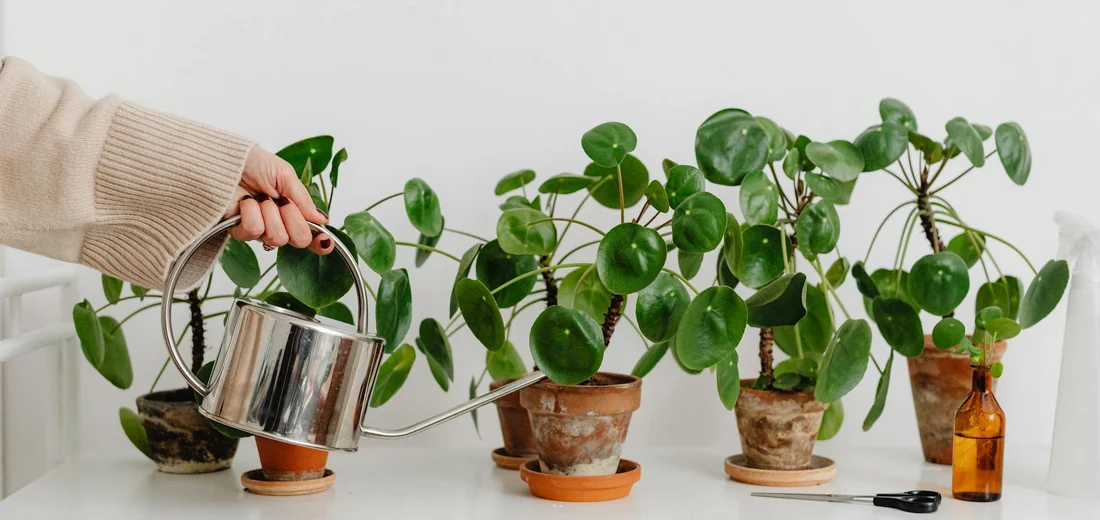
Step 1: Prepare Your Workspace and Pot
I always start by laying down an old towel or a few sheets of newspaper on my table or floor. This simple step makes cleanup from spilled soil a five-second job instead of a major chore. Next, I grab my new pot and add a layer of fresh, well-draining succulent and cactus mix to the bottom. The layer should be deep enough so that when you place your snake plant on top, the base of its leaves sits about an inch below the pot’s rim.
Quick Tip: Moisten your new potting mix slightly before you start. This helps control dust and gives the roots a bit of immediate moisture without making the soil soggy.
Step 2: Position the Plant and Fill the Pot
Gently tip the old pot on its side and coax the snake plant out. If it’s stubborn, I carefully run a butter knife around the inside edge of the pot to loosen the root ball. Once it’s free, I use my fingers to gently tease apart the root ball, especially if the roots are circling tightly. You don’t need to be aggressive, just loosen them up so they can spread out in their new home.
Place the plant in the center of the new pot on top of your soil layer. Holding it upright with one hand, use your other hand to scoop fresh soil into the space around the roots. Gently tap the pot on the table a few times as you go to help the soil settle and eliminate large air pockets. Keep filling until the soil level is consistent and the plant is stable.
Step 3: The First Watering and Aftercare
This is the step where many people get nervous, but my method is simple. I wait about 3 to 5 days after repotting before I give the plant its first drink. This short waiting period allows any tiny, inevitable root abrasions to callus over, which helps prevent rot when you finally do water.
When it’s time, take your plant to the sink and give it a thorough, deep watering until water runs freely out of the drainage hole. Let it drain completely before placing it back in its decorative spot. Do not fertilize for at least a month; the fresh soil has enough nutrients, and the plant needs to focus on root establishment, not new growth.
Caring for Your Snake Plant After Repotting
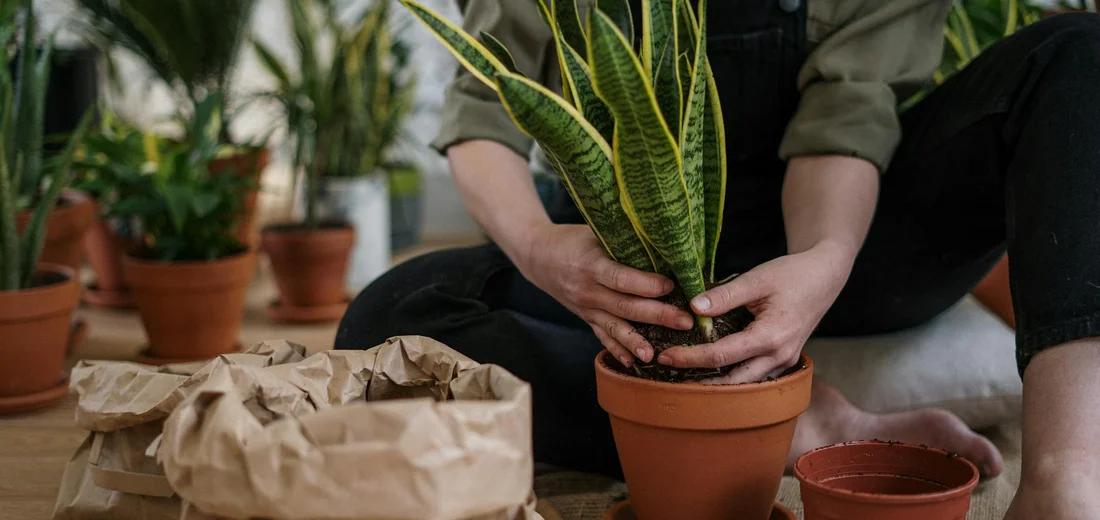
Your snake plant has just been through a minor surgery, so it needs a little TLC. For the first week or two, place it in a spot with bright, indirect light and avoid direct, harsh sunlight. A stressed plant is more susceptible to sunburn, and the indirect light provides a gentle environment for recovery.
Resist the urge to water again until the soil is almost completely dry. Stick your finger about two inches into the soil; if it feels dry, it’s safe to water. Overwatering is the single biggest threat to a newly repotted snake plant. I’ve learned this the hard way with a plant that developed soft, mushy leaves because I was too eager with my watering can. In a snake plant after repotting guide, you’ll find the recommended first watering schedule. It walks you through the exact timing and moisture cues to help it recover.
Don’t be alarmed if you see a leaf or two yellowing or drooping slightly after repotting. A little bit of transplant shock is normal as the plant adjusts to its new space. As long as the majority of the plant looks firm and healthy, it will bounce back. Just maintain your normal care routine, and you’ll likely see new growth emerging from the soil in a few weeks, a sure sign your plant is happy and settled.
Troubleshooting Common Pot Size Problems
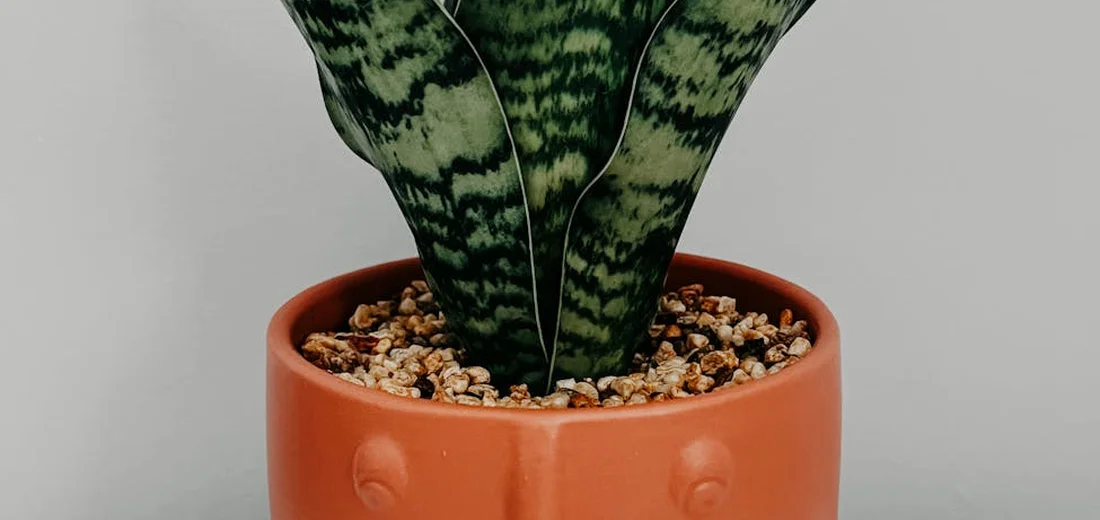
I’ve seen many snake plants struggle simply because their home wasn’t quite right. Spotting these issues early can save your plant from long-term stress and keep it thriving for years. Here are the most frequent pot-related problems and how I fix them.
Signs Your Pot is Too Big
A pot that’s too large holds excess soil, which stays wet for far too long. Your snake plant’s roots are sitting in a cold, soggy environment they absolutely hate.
- Consistently Wet Soil: If the soil is still damp a week or more after watering, the pot is holding too much moisture.
- Yellowing, Mushy Leaves: This is the classic sign of overwatering, which is a direct result of a too-large pot.
- Stunted Growth: The plant is so focused on not drowning that it puts all energy into survival, not new growth.
My go-to fix is to gently unpot the plant and move it into a container that’s only 1-2 inches wider than the root ball. I use a very gritty, well-draining cactus mix to prevent future waterlogging.
Signs Your Pot is Too Small
When a snake plant becomes root-bound, it’s literally bursting at the seams. I check for this every time I water by giving the pot a slight tilt.
- Roots Circling the Surface or Growing from Drainage Holes: This is a clear cry for more space.
- The Plant Becomes Top-Heavy and Tips Over: The root mass can’t support the tall leaves anymore.
- Soil Dries Out Extremely Fast: You might find yourself watering every few days because there’s more root than soil.
- Cracking Plastic Pots: I’ve actually seen cheap plastic pots split open from the pressure of a constricted root system.
When this happens, it’s time to upgrade. Choose a new pot that gives the roots about an inch or two of new soil to explore on all sides.
Dealing with Root Rot from Poor Drainage
This is the most serious issue I encounter. Root rot smells musty and looks dark brown or black and mushy. Healthy roots are firm and light in color.
- Remove the plant from its pot and gently wash the soil from the roots.
- With clean, sharp scissors, snip off every single soft, rotten root. Be ruthless here.
- Let the plant and its remaining healthy roots air dry for a day out of direct sun.
- Repot into a smaller pot with fresh, dry, well-draining soil.
- Wait at least a week before giving it the first, very light watering.
Acting quickly is your best defense, as root rot can kill a snake plant in a matter of days if left unchecked.
FAQs
What is the ideal snake plant pot size?
Select a pot that is only 1-2 inches wider than the root ball to maintain a snug fit and prevent overwatering.
How do I choose a snake plant pot size for a large plant?
For large snake plants, apply the same 2-inch rule but opt for a sturdy, heavy pot to support top-heavy growth and avoid tipping. If the plant becomes top-heavy, stake it to keep the fronds upright.
What do people commonly ask about snake plant pot size on Reddit?
Reddit users often inquire about signs of a pot being too small, such as roots circling tightly or emerging from drainage holes.
What is the recommended snake plant pot size for a large plant indoors?
Indoor large snake plants do best in pots that follow the 2-inch rule, with emphasis on good drainage to manage typical indoor humidity levels. Drainage is particularly crucial for snake plants to prevent root rot.
What Reddit advice is available for snake plant pot size for large plants?
On Reddit, common tips for large snake plants include checking for root-bound symptoms annually and repotting only when necessary to avoid overpotting. If you notice drooping leaves or yellowing, you can tell if your snake plant is dying and look into revival steps. With proper watering and adequate light, many struggling plants can be revived.
How can I prevent issues when selecting a pot size for my snake plant?
Avoid pots more than 2 inches larger than the root ball and always use one with drainage holes to reduce the risk of root rot.
Your Snake Plant’s Happy Home: Wrapping Up
Based on my years of growing snake plants, I always pick a pot that’s just 1-2 inches wider than the root ball to keep them thriving without overwatering. When you repot, apply the same rule: choose a container only slightly larger than the root ball. A snug fit helps prevent excess moisture and gives roots room to spread. Here’s a quick checklist to remember when considering the pot size for repotting:
- Choose a snug pot with drainage holes to prevent soggy soil.
- Use a fast-draining mix, like cactus soil, for best results.
- Repot only when roots peek out, usually every 2-3 years.
For more easy plant care tips, follow along at Hardy House Plants, and don’t worry—your snake plant is resilient and will reward your care with gorgeous, upright leaves! For a complete indoor snake plant care guide, covering placement and maintenance, check out our full guide.
Further Reading & Sources
- r/plant on Reddit: What size pot is needed for my snake plant? Current container is 10in.
- What pot size and soil type is best for a snake plant …
- Pots For Snake Plants: A Sanseveria Pot Shopping Guide
- A Handy Guide to the Snake Plant (Dracaena trifasciata) to Care For It Like a Pro
Lena Greenfield is a passionate horticulturist and plant care expert with over 10 years of experience cultivating and nurturing hardy house plants. With a deep understanding of both indoor and outdoor gardening, Lena shares practical advice on choosing, caring for, and maintaining resilient plants that flourish year-round. Through her knowledge and hands-on approach, Lena helps plant lovers transform their spaces into vibrant, green sanctuaries, no matter their gardening experience.
Repotting Guidelines