
Why Are Succulent Plants So Popular and Beneficial?
Published on: January 17, 2026 | Last Updated: January 17, 2026
Written By: Lena Greenfield
You’ve seen them everywhere, from trendy offices to sunny kitchen windowsills, and you might be wondering what all the fuss is about. Are they really that easy to care for, or is it just a passing trend?
From my years of collecting and nurturing them, I can tell you their appeal is deeply rooted in real, tangible benefits. I’ll walk you through exactly why these plants have captured so many hearts.
We’re going to explore their incredible resilience and low-maintenance nature, the vast variety of unique shapes and colors, their powerful air-purifying abilities, and simple, practical tips for keeping them thriving in your own home.
The Rise of Succulent Popularity
I’ve watched succulent plants explode in popularity over the last few years, and a big part of that comes from social media platforms like Instagram and Pinterest. Their unique shapes and vibrant colors make them incredibly photogenic, which fuels sharing and inspiration among plant lovers. When I post pictures of my own collection, I get messages from friends asking where to start-it’s a visual trend that pulls people in.
Several factors make succulents a go-to choice for many households. They’re perfect for small spaces like apartments because their compact size fits on windowsills or desks without crowding the area. Here’s a quick list of reasons driving their rise: To keep them small, compact, and healthy, a simple care routine helps. Gentle pruning, bright light, and careful watering prevent leggy growth and stress.
- Easy to gift-I often give succulents as presents because they’re affordable and come in cute pots.
- Low initial cost makes them accessible for beginners on a budget.
- Minimal care requirements appeal to busy people who still want greenery.
- Variety in appearance allows for personal expression in home decor.
Key Benefits of Growing Succulents Indoors
One of the top advantages I’ve experienced is their air-purifying ability-plants like snake plants and aloe vera filter common toxins from the air. Breathing cleaner air in my home has made a noticeable difference in how fresh the space feels, especially during dry seasons. It’s a simple way to boost indoor health without any extra gadgets.
Succulents also have a mood-boosting effect that I find genuinely calming. Tending to my plants after a long day helps me unwind and reduces stress, almost like a mini meditation session. Their resilience means even if I forget about them for a bit, they bounce back, which is reassuring for anyone new to plant care. Succulent plants are particularly forgiving and easy to care for.
Beyond that, their low-maintenance nature saves time and money. I’ve found that succulents thrive with minimal watering and light, making them ideal for people with hectic schedules. Curious if succulents are easy care for beginners? This complete guide will show you why they’re a top choice for new plant parents. Here’s a bulleted list of key benefits to highlight why they’re so beloved:
- Stress-relief through hands-on care and visual enjoyment.
- Resilience to neglect-they can survive occasional forgetfulness.
- Cost-effectiveness, as they rarely need replacements or expensive supplies.
- Educational value for kids and adults learning about plant biology.
- Eco-friendly option that encourages sustainable living habits.
Succulents in Different Living Spaces
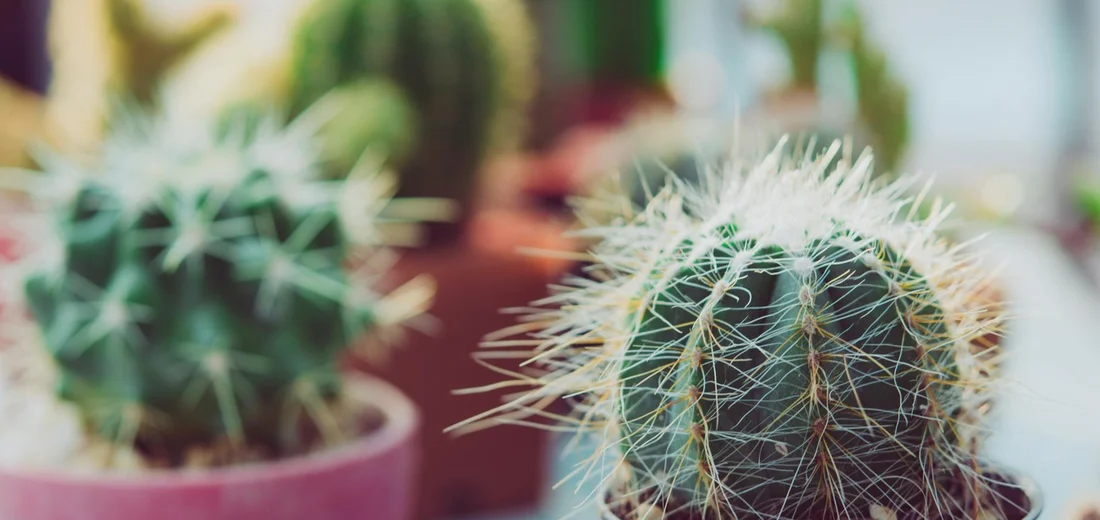
Benefits in the Office
I keep a small Haworthia on my desk, and I’ve found its presence genuinely lowers my stress during a hectic workday. Studies show that having a plant nearby can improve concentration and reduce mental fatigue by up to 15%. Their slow, deliberate growth is a calming contrast to frantic computer screens.
- Haworthia: Tolerates fluorescent lighting and doesn’t demand a window seat.
- Jade Plant: A classic symbol of good luck that thrives with weekly attention.
- Aloe Vera: Offers a handy, natural remedy for minor paper cuts right at your fingertips.
Benefits in the Bedroom
Unlike most plants, many succulents release oxygen at night, which can subtly improve air quality while you sleep. Do snake plants release oxygen at night? The idea that they dramatically boost night-time oxygen is a myth; like most plants, they mainly produce oxygen during the day and respire at night. Placing a Snake Plant in your bedroom is like having a silent, low-maintenance air purifier working through the night. I’ve noticed a difference in how rested I feel since adding a few to my nightstand.
- Snake Plant (Sansevieria): The champion of air purification, thriving in low light and needing water only every few weeks.
- Zebra Plant (Haworthiopsis fasciata): Its striking striped pattern adds visual interest without needing bright sun.
- Gasteria: A quirky, tongue-shaped plant that is exceptionally tolerant of shady corners.
Benefits Outdoors and in Home Decor
I love using succulents as living sculptures on my patio. Their architectural forms and diverse textures create instant, drought-tolerant curb appeal that changes with the seasons. You can tuck them into rock gardens, let them spill from hanging baskets, or create a stunning centerpiece for an outdoor table. Here are some outdoor succulent landscaping ideas and design tips to bring this look to your own space. You can elevate the design by choosing the right containers and pairing textures and colors.
- Sedum (Stonecrop): Forms a beautiful, hardy groundcover that chokes out weeds.
- Echeveria: Its rosette shape looks like a flowering rose, perfect for container gardens.
- Sempervivum (Hens and Chicks): Spreads readily to fill space, producing adorable “chicks” around the main plant.
Easy-Care Nature of Succulents
My first successful houseplant was a succulent, and it taught me everything I know. The golden rule for succulent care is to mimic the desert conditions they adore: a big drink followed by a long, thorough dry period. Forgetful waterers rejoice, these plants are on your side. One reliable method is bottom watering, a staple of succulent care. Our complete guide on bottom watering techniques for succulents walks you through the how and when.
- Watering: Soak the soil completely until water runs out the drainage hole, then do not water again until the soil is bone-dry. In winter, this might mean watering only once a month.
- Sunlight: Most need about 6 hours of bright, indirect light daily. A south or east-facing window is ideal. They’ll tell you if they need more-they’ll stretch out and become “leggy.”
- Drainage: This is non-negotiable. Always use a pot with a hole in the bottom and a gritty, fast-draining cactus/succulent potting mix to prevent root rot.
Their forgiving nature makes them the perfect starter plant for anyone who doubts their green thumb. Here’s why they are so resilient and water-wise:
- They store water in their thick leaves, stems, or roots, acting like their own personal canteens.
- They are adapted to survive long periods of drought, so they won’t hold a grudge if you forget a watering.
- They grow slowly, meaning they don’t need frequent repotting or fertilizing.
- Many propagate easily from a single leaf, so one plant can become many for free.
Aesthetic and Design Appeal
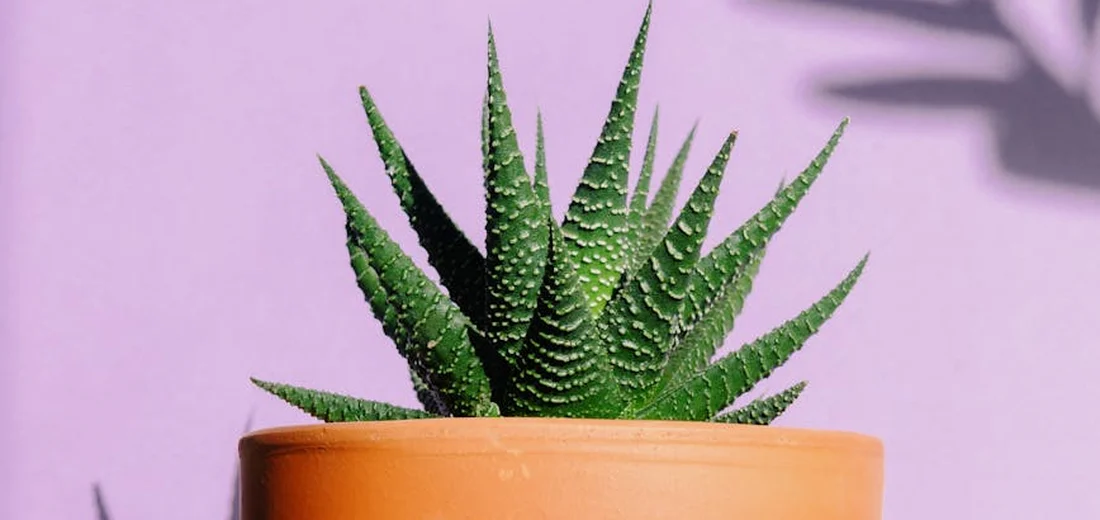
Succulents are like living sculptures you can use to decorate your home. Their incredible variety means you can find a plant to match any style, from the perfect geometric rosettes of Echeverias to the quirky, stacked leaves of a Crassula ‘Buddha’s Temple’. There are many creative ways to display them around the house. Terrariums, wall-mounted planters, or tiered trays can turn any space into living art. I’ve filled sunny windowsills with a collection of different shapes and textures, and it instantly makes the room feel more alive and designed.
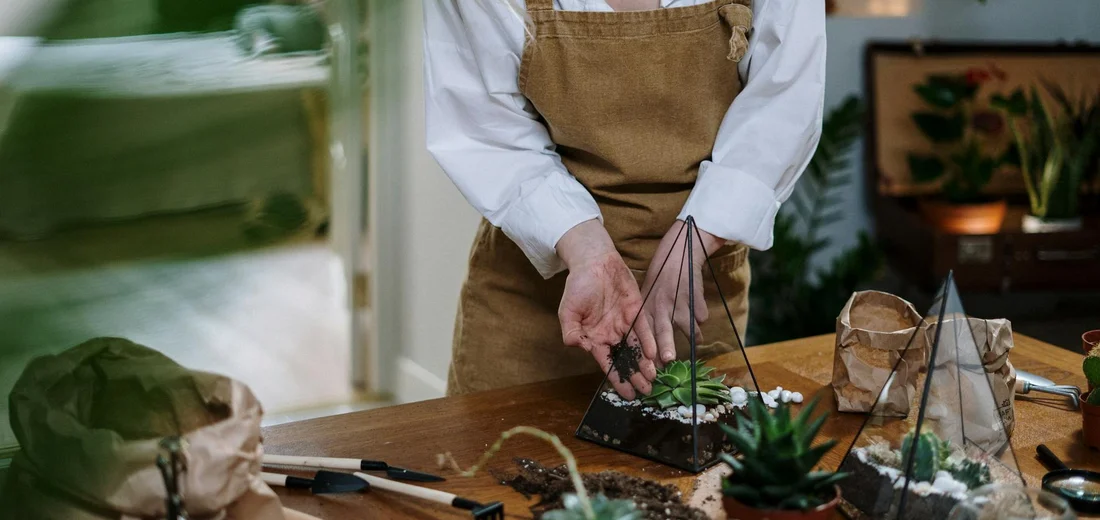
One of my favorite ways to display them is in a shallow, open terrarium. Creating a tiny, self-contained landscape with a mix of succulents, sand, and small stones feels like an artistic project, and it becomes a stunning centerpiece. You aren’t limited to pots on a shelf; try mounting air plants on driftwood or letting a String of Pearls cascade from a hanging planter.
- Create a color-themed arrangement by grouping blue-tinted Senecio serpens with purple Graptopetalums and green Haworthias.
- Use a single, large, architectural succulent like an Agave or a large Aloe as a bold statement piece in an empty corner.
- Incorporate them into your bookshelves or home office desk to add a touch of soft, natural beauty to your workspace.
Mental Health and Wellness Perks
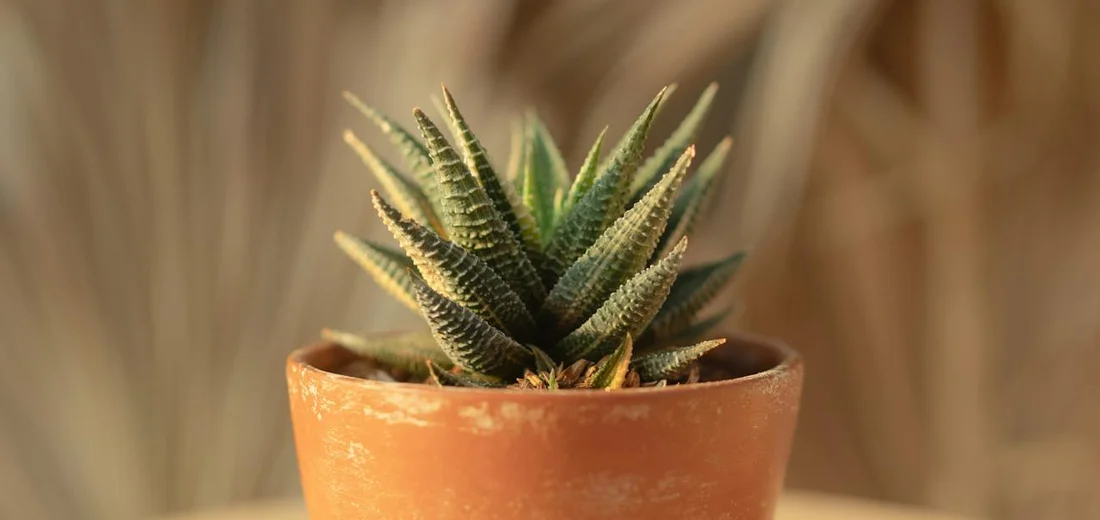
Caring for my succulents has become my go-to method for unwinding after a long day. The simple, mindful acts of checking the soil, wiping dust off a leaf, or giving a plant a drink forces me to slow down and focus on the present moment, which is a powerful form of stress relief. It’s a quiet hobby that doesn’t demand much, but gives back a great sense of calm.
For me, the biggest mood boost comes from propagation. Seeing a tiny pup emerge from the base of a plant or watching a single leaf slowly sprout roots and a new plant is a profoundly hopeful and rewarding experience. It’s a gentle reminder that growth and new beginnings are always possible, even from something small.
- The routine of a weekly plant check-in provides a comforting structure that can ease anxiety.
- Watching your collection thrive directly rewards your care and effort, building a sense of accomplishment.
- Having living, growing things in your personal space can combat feelings of loneliness and bring a sense of companionship.
Quick tip: Keep a propagation tray on your windowsill; watching new life form is a guaranteed daily dose of joy.
Sustainability and Eco-Friendly Aspects
As someone who’s cared for all sorts of houseplants, I’ve found succulents to be champions of sustainable living. Their incredible water efficiency is a direct lesson in conservation that you can practice right on your windowsill. While my ferns and peace lilies needed weekly watering, my succulents thrive on neglect, teaching me to be more mindful of my water usage without even trying.
Water-Wise Practices Made Simple
I learned to embrace the “soak and dry” method, which mimics the natural desert rains these plants adore. This approach not only keeps your plants healthy but also trains you to use water more intentionally, preventing the wasteful habit of frequent, light sprinklings. A quick tip I always share: collect the cold water that runs before your shower gets hot and use it for your next plant watering day. It’s a small habit that makes a big difference over time.
Propagation for a Greener Home
One of my favorite things about succulents is how easily they multiply. You can create an entire collection from a single plant just by carefully removing a leaf, letting it callous, and placing it on soil. I started my jade plant collection from one small cutting a friend gave me; five years later, I’ve gifted over two dozen baby plants to neighbors and friends. This cycle of growth and sharing reduces the need to buy new plants and the plastic pots and transportation that come with them.
- Leaf Propagation: Gently twist a healthy leaf from the stem. Let it dry for a few days until the end callouses over, then place it on top of well-draining soil. Mist occasionally, and soon you’ll see tiny roots and a new plant forming.
- Stem Cuttings: Snip a piece of stem, remove the bottom leaves, and let it dry. Plant it in soil, and it will grow its own root system, creating a clone of the parent plant.
- Offsets or “Pups”: Many succulents like aloe and haworthia produce small offshoots. You can carefully separate these from the mother plant and pot them independently.
Reducing Your Environmental Impact
Compared to many traditional houseplants, succulents have a noticeably lighter environmental footprint. Their slow growth and minimal needs mean less fertilizer, less soil replacement, and far less water over their lifetime. I’ve calculated that my succulent collection uses about 90% less water annually than my previous collection of tropical foliage plants. They also generally live in the same small pot for years, reducing plastic waste from repotting.
- Lower Water Consumption: Succulents can survive weeks or even months without water, drastically cutting your household’s water use for plant care.
- Reduced Need for Fertilizers: They thrive in lean soil and require little to no fertilizer, preventing chemical runoff.
- Long Lifespan and Less Waste: Many succulents are perennials that live for decades, unlike seasonal annuals that need frequent replacing.
- Natural Air Purification: Like other plants, they help clean indoor air, contributing to a healthier home environment without any energy cost.
Growing succulents has genuinely changed how I view my role in the ecosystem. Every time I propagate a new plant from a single leaf, I’m reminded that the most sustainable practices are often the simplest ones. Seeing roots appear and new leaves push upward is a clear sign propagation was successful. Those signs—root growth and healthy new growth—show my cuttings are taking hold.
FAQs
What are the benefits of succulents?
Succulents provide low-maintenance care, air purification, and stress relief through their resilient and visually appealing nature. They release oxygen during daylight through photosynthesis, which can contribute to a fresher indoor environment.
What are the benefits of succulents in the office?
They boost concentration and reduce stress by purifying air and adding a calming presence to your workspace.
What are the benefits of succulents outdoors?
Outdoor succulents offer drought-tolerant beauty that enhances curb appeal with minimal water and upkeep.
What are the benefits of succulents in the bedroom?
Certain succulents release oxygen at night, improving air quality for a more restful sleep environment.
What are the benefits of succulents for skin?
Succulents like aloe vera contain gel that soothes and moisturizes skin, aiding in healing minor irritations.
What are the benefits of succulent soil?
Succulent soil ensures proper drainage to prevent root rot, promoting healthy growth with its fast-drying mix.
Your Succulent Journey Starts Here
Based on my years of nurturing succulents, the best way to enjoy their benefits is by mastering a few simple care habits. Focus on giving them bright, indirect light and watering only when the soil is completely dry to prevent root rot. It’s important to understand what succulents need to thrive to ensure they grow healthy and vibrant.
- Choose well-draining soil and pots with drainage holes.
- Rotate plants occasionally for even growth.
- Clean leaves gently to keep them photosynthesizing efficiently.
Keep exploring more guides and tips on Hardy House Plants to build your confidence. Remember, every succulent lover learns by doing, and your efforts will bloom beautifully over time.
Further Reading & Sources
- 7 Benefits of Growing Succulents in Your Home
- Benefits of Growing Succulents/Why Are They So Popular? – Succulent Plant Care
- Benefits Of Succulents – Why Are Succulents Good
- Succulents : How They Can Benefit You | Blog | JP Parker Flowers
Lena Greenfield is a passionate horticulturist and plant care expert with over 10 years of experience cultivating and nurturing hardy house plants. With a deep understanding of both indoor and outdoor gardening, Lena shares practical advice on choosing, caring for, and maintaining resilient plants that flourish year-round. Through her knowledge and hands-on approach, Lena helps plant lovers transform their spaces into vibrant, green sanctuaries, no matter their gardening experience.
Types of Succulents