
How to Test Your Succulent Soil for Proper Drainage
Are you wondering if your succulent soil drains well enough to keep your plants happy? Proper drainage is the secret to preventing overwatering and root rot, which I’ve seen trip up many new plant parents.
In my years of nurturing succulents, I’ve found that a quick soil check can make all the difference between a thriving plant and a struggling one. I’ll walk you through simple home tests, signs of poor drainage, and easy ways to fix it so you can feel confident about your plant care.
Why Succulent Soil Drainage is Essential
I learned this lesson the hard way with my first jade plant. I treated it like my other leafy houseplants and watered it on a regular schedule. Succulents are desert natives, and their roots are designed to search for water in gritty, fast-draining conditions, not sit in a wet sponge. When soil holds too much moisture, it creates an environment where harmful fungi and bacteria thrive.
This leads to the number one killer of succulents: root rot. The roots literally suffocate and decay, and by the time you see mushy, yellowing leaves on top, the damage below the soil is often severe. Proper drainage is your first and best defense against overwatering, which is the most common mistake new succulent owners make.
Think of it this way: you’re trying to mimic a sudden desert downpour. A huge burst of water soaks the ground, and then it drains away completely, leaving the roots moist but not waterlogged. That’s the ideal cycle. Good drainage ensures your plant gets a satisfying drink without the risk of drowning.
Quick Tip: If you’re ever unsure, it’s always safer to underwater your succulent than to overwater it. They are built to handle drought! To tell when your succulents need water, watch for signs and symptoms like wrinkled leaves or a soft, shriveled stem. These cues help you water only when needed.
Components of a Well-Draining Succulent Soil Mix
After that first jade plant tragedy, I started making my own soil mixes. Store-bought “cactus and succulent” mixes are a good start, but I often find they still hold too much moisture for my liking, especially indoors. Creating your own blend gives you complete control over the texture and drainage, and it’s surprisingly simple.
A perfect succulent mix has two jobs: provide some nutrients and anchor the roots, but mostly, it needs to create pockets of air and let water flow through instantly. Here are the key players I always have on hand. Different succulents may require specific soil mixes to thrive.
The Base: Potting Soil
This is the organic part of the mix that holds a little moisture and provides nutrients. Don’t use soil from your garden, as it’s too dense and can contain pests. I use a standard, sterile potting mix as my base, but it should only make up about half of the final blend. Its job is the supporting role, not the star.
The Drainage Champions: Gritty Materials
This is the inorganic part-the stuff that doesn’t break down and creates all those crucial air pockets. I mix one or more of these with my potting soil.
- Perlite: Those little white, lightweight balls you see in many bagged mixes. They are fantastic for aeration and preventing soil compaction. I use this most often because it’s cheap and readily available.
- Coarse Sand: Not fine play sand, which can cement together! You want horticultural sand or builder’s sand with large, gritty particles. It adds weight and improves drainage significantly.
- Pumice: My personal favorite. It’s a lightweight volcanic rock that is porous, so it absorbs a small amount of water without becoming soggy and then releases it slowly. It doesn’t float to the top like perlite can.
- Pine Bark Fines: Small chunks of pine bark that help create structure and air space as they slowly decompose.
My Go-To Recipe
For most of my succulents, I use a simple, effective formula. I combine two parts of my gritty material (usually a 50/50 mix of perlite and coarse sand) with one part potting soil. So, for example, two cups of grit to one cup of soil. I mix it all together in a large tub until it’s uniform. When I scoop up a handful and squeeze, it should crumble apart immediately-it should not hold the shape of my fist.
Quick Tip: Always plant your succulents in a pot with a drainage hole. The best soil in the world won’t help if the water has nowhere to go!
Step-by-Step Methods to Test Soil Drainage
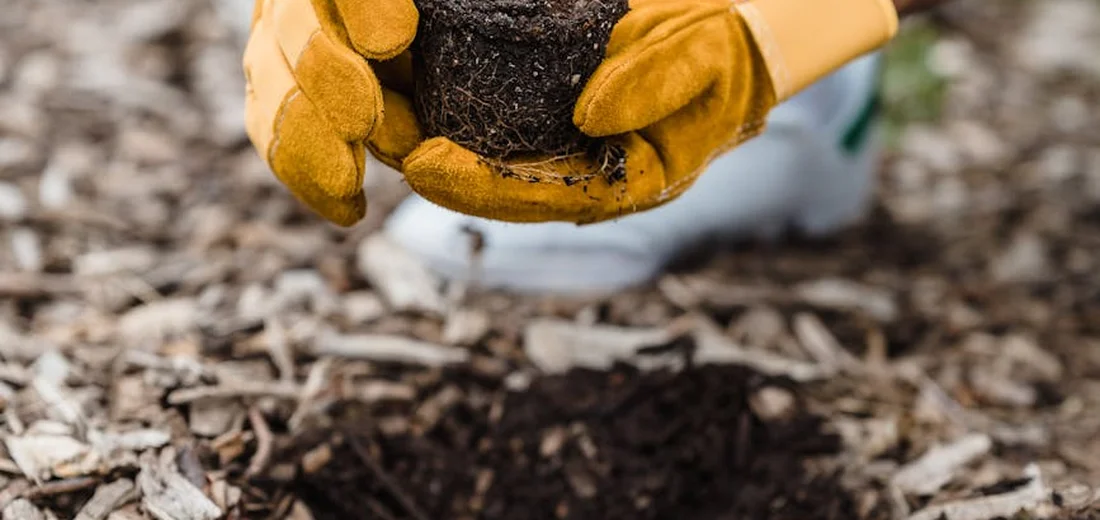
Testing your succulent’s soil is like giving it a quick health check-up. I always perform these simple tests before I even think about repotting a new plant. They’ve saved me from countless overwatering disasters. If you ever see signs of poor soil quality—slow drainage, a compacted mix, or a crusty top layer—that’s a clear cue to refresh the soil. For succulents, healthy soil is key to avoiding root rot and stress.
The Simple Poke Test
This is my go-to method for a fast check. All you need is your finger or a simple wooden chopstick.
- Wait until the soil is completely dry on the surface.
- Gently push your finger about two inches down into the soil. If you meet firm resistance, the soil is too compacted.
- Alternatively, push a dry wooden chopstick all the way to the bottom of the pot. Pull it out. If it comes out clean, the soil is dry and likely well-aerated. If it has damp soil stuck to it or shows a dark stain, the soil is retaining too much moisture deep down.
Well-draining soil should feel loose and crumbly, allowing your finger or the stick to slide in with little effort. If it feels like a dense brick, it’s time for a change.
The Thorough Watering Test
This test gives you the most accurate picture of what’s happening every time you water. I do this with every new bag of potting mix I buy.
- Take your succulent (or an empty pot with the same soil) and place it in a sink or basin.
- Water the soil slowly and evenly, just like you normally would, until water runs freely out of the drainage hole.
- Start a timer. Watch how long it takes for the water to stop dripping from the bottom.
- Now, feel the top inch of the soil about 30 minutes after watering.
Good drainage means water flows through the pot in seconds, not minutes, and the surface soil doesn’t feel soggy or waterlogged afterward. If the pot sits in a puddle for more than a minute or the top remains soupy, your drainage is poor.
Identifying and Correcting Poor Drainage Issues
Once you’ve tested your soil, you’ll know exactly what you’re dealing with. Spotting the signs early is the key to preventing root rot, the number one killer of succulents. I’ve learned this from reviving many a sad, overwatered plant. Understanding the causes helps you choose the right treatment to save succulents. It also helps prevent future root rot outbreaks.
Tell-Tale Signs of Bad Drainage
Your plant and soil will send you clear signals if something is wrong.
- The Soil Stays Wet For Days: If the soil feels cold and damp 4-5 days after watering, it’s holding too much water.
- Mold or Fungus Gnats: A white, fuzzy mold on the soil surface or tiny flies buzzing around are classic signs of constant moisture.
- Yellowing, Mushy Leaves: The leaves, especially the lower ones, will become translucent, soft, and yellow. This is a cry for help from the roots.
- Soil Shrinkage and Hardening: The soil pulls away from the edges of the pot and forms a hard, crusty surface that water runs right off of, instead of soaking in.
If you see any of these, stop watering immediately and assess the soil situation. Your plant is telling you it’s drowning.
My Go-To Fixes for Waterlogged Soil
Fixing poor drainage is straightforward. Here are the methods I use in my own plant care routine.
1. The Gritty Mix Amendment
This is the most effective long-term solution. I never use bagged succulent soil straight from the bag-I always amend it.
- Get a bag of perlite or coarse sand (horticultural grit).
- Mix two parts of your potting soil with one part of your chosen gritty amendment. For succulents that are extra prone to rot, I use a 1:1 ratio.
- This creates air pockets and dramatically improves drainage, mimicking their natural, rocky habitat.
Mixing in perlite is the single best thing you can do to create a happy home for succulent roots. It makes the soil light and fluffy. Use perlite in succulent soil mixes for optimal drainage and aeration. It helps create a quick-draining, airy mix that supports healthy roots.
2. The Full Repotting Rescue
If your plant is already showing signs of stress, a full repot is the best course of action.
- Gently remove the plant from its pot and brush away all the old, wet soil from the roots.
- Inspect the roots. Healthy roots are firm and white or light tan. Trim away any that are black, mushy, or slimy with clean scissors.
- Let the plant and its roots air dry for a day or two out of direct sun.
- Repot it into a clean pot with a drainage hole, using your fresh, well-draining gritty mix.
Don’t water for about a week after repotting to allow any damaged roots to callous over and prevent rot. This patience is crucial for recovery.
3. The Pot Upgrade
Sometimes the problem isn’t just the soil. The pot itself can be the culprit.
- Always choose a pot with at least one drainage hole. This is non-negotiable.
- Terracotta pots are my favorite because they are porous and allow the soil to dry out much faster than plastic or glazed ceramic.
- Ensure the pot isn’t too large for the plant. Excess soil holds excess water that the small roots can’t absorb.
Quick Tip: Never use a layer of rocks at the bottom of the pot to “improve drainage.” This is a myth-it actually raises the water table inside the pot, making the soil stay wetter longer. A proper drainage hole is all you need.
Selecting Containers to Enhance Drainage
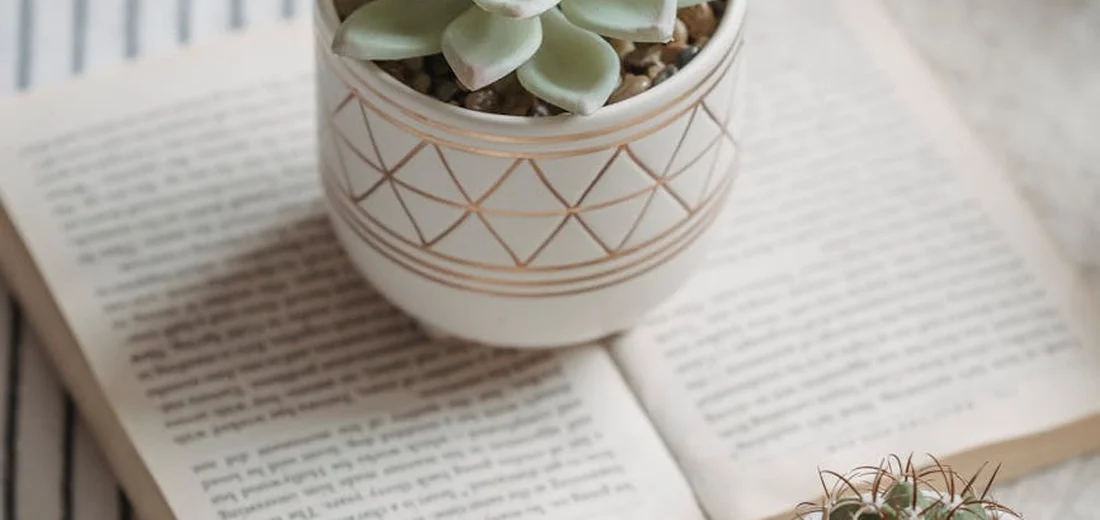
I’ve learned that the pot you choose is just as important as the soil you put in it. A beautiful pot without a drainage hole is a death sentence for most succulents, no matter how perfect your soil mix is. I learned this the hard way with a gorgeous ceramic pot that killed my favorite echeveria.
Your best friend is a pot with at least one drainage hole in the bottom. This single feature allows excess water to escape freely, preventing the soil from becoming a swamp. I exclusively use pots with holes now, and my plants are so much healthier for it.
- Terracotta Pots: These are my absolute favorite. The porous clay walls allow water to evaporate from the sides of the soil, which helps the mix dry out faster and more evenly.
- Ceramic & Glazed Pots: These look beautiful but hold moisture longer. You must use a very gritty, fast-draining soil mix to compensate for their non-porous nature.
- Plastic Pots: Lightweight and cheap, plastic pots retain the most moisture. Be extra careful not to overwater and ensure your soil is exceptionally well-draining.
- Wood & Metal Containers: These can rot or rust over time with constant moisture. Always use them as a cachepot by placing a plastic nursery pot with drainage holes inside.
Quick Tip: If you fall in love with a pot that has no hole, use a diamond-tipped drill bit to carefully create one yourself-it’s a game-changer! I’ve saved countless decorative pots this way.
Adjusting Care Based on Soil Drainage
Once you understand your soil’s drainage, you can tailor your care routine perfectly. Think of it like this: fast-draining soil needs a different approach than slow-draining soil. Your watering can is not your enemy; timing is.
If your soil drains very quickly (water rushes right through), your plant will dry out faster. You’ll likely need to water a bit more frequently, but always check the soil first. Don’t just water on a schedule. Stick your finger about two inches into the soil. If it’s completely dry, it’s time for a deep, thorough drink.
If your soil drains slowly (water sits on top or drains very gradually), you must be much more cautious. Overwatering is the single biggest killer of succulents, and slow-draining soil is the main accomplice. With this type of soil, you need to extend the time between waterings significantly.
- Check the Soil: Wait until the soil is not just dry on the surface, but also dry an inch or two down.
- Water Deeply: When you do water, do it thoroughly until water runs freely from the drainage hole.
- Empty the Saucer: This is critical! Never let the pot sit in a saucer full of water. Always dump it out after 15 minutes.
I adjust my watering habits with the seasons. In the hot, bright summer months when my plants are actively growing, my fast-draining soil might need water every 7-10 days. In the dark, cool winter, that same soil might not need water for three or four weeks. Your plant will tell you what it needs-wrinkled leaves often mean thirst, while soft, mushy leaves often mean too much water.
FAQs
Can cactus potting mix be used for succulents?
Yes, cactus potting mix can be used for succulents, but it’s often best to amend it with extra perlite or sand for improved drainage.
Do succulents require organic matter in their soil?
Succulents need some organic matter for nutrients and root support, but it should be limited to prevent excess moisture retention. Do succulents really need special soil? The truth is that drainage and aeration matter more than the label; a well-draining mix—plain potting soil amended with sand or perlite—often works fine.
Are there differences in drainage needs among different succulent species?
Yes, drainage needs can vary by species, with some arid-native succulents requiring faster-draining soil than others.
What soil pH is ideal for succulent drainage?
A slightly acidic to neutral pH between 6.0 and 7.0 is ideal for succulent soil to support drainage and nutrient uptake. For succulents, this pH range helps nutrient availability and healthy root growth. Regularly testing soil acidity keeps succulent mixes balanced and thriving.
How can you improve drainage in heavy clay soil for succulents?
Improve drainage in heavy clay soil by mixing in coarse sand, perlite, or pumice to break up compaction and enhance aeration.
What is the ideal drainage for succulent soil?
Ideal drainage allows water to pass through the soil rapidly, within seconds, leaving it moist but not waterlogged.
Your Path to Perfect Succulent Soil
In my years of nurturing succulents, I’ve learned that a simple drainage check before watering is the single most effective habit for keeping plants healthy and rot-free. Avoid common succulent watering mistakes by making this drainage check part of every watering. Focus on these core actions:
- Always perform the squeeze test to gauge moisture and texture.
- Observe how quickly water flows through the soil after you irrigate.
- Amend your mix with perlite or coarse sand if water lingers too long.
Trust your observations and don’t be afraid to get your hands dirty-your succulents will reward you with robust growth and vibrant leaves. I’m cheering you on as you give your green friends the thoughtful care they need to flourish!
Further Reading & Sources
- Succulent Soil: The Ultimate Guide – Mountain Crest Gardens
- Best Soil For Succulents | Kellogg Garden Organics™
- Succeeding with Succulents – Piedmont Master Gardeners
- How can I tell when my soil is completely dry? | Succulents and Sunshine
Lena Greenfield is a passionate horticulturist and plant care expert with over 10 years of experience cultivating and nurturing hardy house plants. With a deep understanding of both indoor and outdoor gardening, Lena shares practical advice on choosing, caring for, and maintaining resilient plants that flourish year-round. Through her knowledge and hands-on approach, Lena helps plant lovers transform their spaces into vibrant, green sanctuaries, no matter their gardening experience.
Soil Types