
How to Use Rooting Hormone for Succulent Propagation
Published on: January 3, 2026 | Last Updated: January 3, 2026
Written By: Lena Greenfield
Have you ever watched a succulent cutting just sit there, refusing to grow roots, while you worry it’s slowly dying? Using rooting hormone can be the simple trick that turns a questionable leaf into a thriving new plant, and I’ve found it makes the whole process much less stressful.
I’ll walk you through my own methods that have filled my shelves with baby succulents. We’ll cover what rooting hormone is and why it works, when you absolutely should use it, my step-by-step application guide, and easy household alternatives if you don’t have any on hand.
Is Rooting Hormone Necessary for Succulent Cuttings?
You can absolutely propagate succulents without rooting hormone-I’ve done it countless times with jade plants and echeverias on my sunny windowsill. Think of rooting hormone not as a requirement, but as a powerful success booster that gives your cuttings a significant head start. It’s the difference between a cutting that *might* root and one that you can be fairly confident *will* root.
From my own propagation experiments, I’ve noticed cuttings treated with hormone develop thicker, more robust root systems much faster than untreated ones. This speed is a huge advantage because it reduces the time your vulnerable cutting is exposed to potential rot. I find it most valuable for more challenging or expensive varieties where you don’t want to take any chances.
If you’re propagating a common succulent like a sedum or a prolific graptopetalum, you can skip it. In our complete guide to propagating specific succulent varieties, we break down species-by-species techniques so you know what to expect. This helps you choose the right approach for each plant. But for leaf cuttings that are slow to callous or stem cuttings from a prized, mature plant, using rooting hormone is an insurance policy I’m always glad to have.
When to Apply Rooting Hormone in the Propagation Process
Timing is everything with rooting hormone, and getting this step wrong can ruin your chances of success. The single most critical rule is to only apply rooting hormone to a completely dry, fully calloused cutting. I cannot stress this enough based on the cuttings I’ve lost to mold by being impatient.
If you dip a fresh, moist cutting directly into your hormone powder, you’ll introduce moisture into the container. This will clump the powder and create a breeding ground for bacteria that can quickly travel up the stem and kill your new plant. Always, always wait for that clean, dry callous to form over the wound.
Once that protective layer has sealed the cut end, that’s your green light. This is the perfect window where the cutting is protected but its cells are still primed to rapidly develop roots once given the right signal. The hormone provides that powerful signal.
Preparing Your Succulent Cutting Correctly
Proper preparation sets the stage for everything that follows. Here is the exact process I follow for every single cutting I take.
- Use a sharp, sterile knife or pruners. I wipe my blade with isopropyl alcohol to prevent transmitting any disease to the mother plant or the cutting.
- Make a clean, swift cut. A ragged, crushed stem is harder for the plant to heal and more susceptible to rot.
- Gently remove any leaves from the bottom inch or two of the stem cutting. This gives you a clear section to dip and plant.
- Lay the cutting in a dry, shaded spot with good air circulation. Do not put it in soil or water yet.
- Wait. This is the hardest part. It can take anywhere from a day for a thin-stemmed succulent to a full week for a thick one like a jade. The end must be dry and hardened to the touch.
A perfectly calloused cutting feels like dry, tough skin and shows no signs of softness or moisture. Once it reaches this stage, you are ready to move on to the hormone application.
Step-by-Step Guide to Using Rooting Hormone
Gathering Your Propagation Toolkit
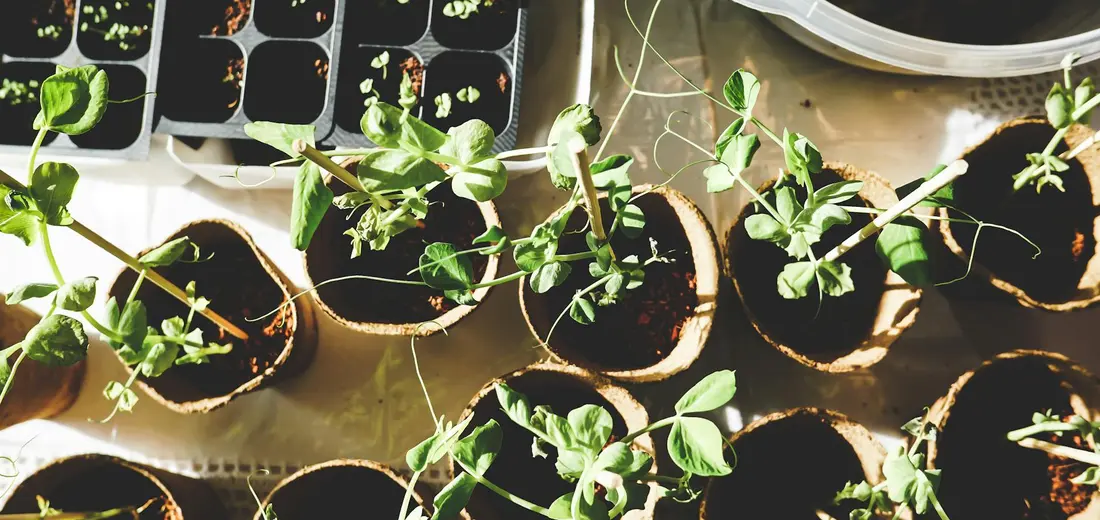
Before you make the first cut, get everything ready on a clean surface. Having your tools assembled makes the process smooth and reduces the risk of infection for your plant babies. I keep a dedicated “prop station” in my gardening cabinet with these items:
- Sharp, sterilized scissors or a knife: I wipe my blade with isopropyl alcohol to prevent spreading disease.
- Your chosen rooting hormone (powder or gel): I have both on hand for different types of cuttings.
- Small dishes or jar lids: Pour a small amount of hormone into these to avoid contaminating the whole container.
- A clean, dry tray or plate: This is your staging area for prepared cuttings before they go into the medium.
- Your propagation pots and medium: More on the best choices for this in a moment!
- A spray bottle with water: For lightly misting your medium after planting, not the cuttings themselves.
Applying Rooting Powder or Gel to Cuttings
The key here is to treat the exact spot where roots will emerge. For succulents, this is almost always the calloused end of a leaf or stem cutting. I take my healthy cutting and let the cut end dry out and form a callus for a day or two—this is a non-negotiable step to prevent rot. Once the cut has calloused, begin a careful watering routine for your propagations—water sparingly and only when the soil is dry. Avoid overwatering, as succulents hate wet roots and rot.
Using Powder Rooting Hormone Effectively
Powder is my go-to for most leafy succulent propagations, like echeveria leaves. Leaf cuttings are a classic way to propagate succulents. Once calloused and powder-touched, the leaf is ready to root in the medium. I gently tap the stem or leaf end on the powder, coating the calloused area with a fine, even layer. Then, I gently tap off any excess. A light coating is all you need; caking it on can actually hinder rooting. I then immediately place the cutting into a pre-made hole in my propagation medium.
Applying Rooting Gel for Better Adhesion
I prefer gel for thicker stem cuttings, like from a jade plant, because it sticks better. After dipping the calloused end into the gel, I swirl it around to get an even, thin coat that completely covers the area. The gel creates a protective seal that keeps the cutting hydrated. It’s messier than powder, but I find it gives me a slightly higher success rate with trickier specimens.
Choosing the Right Propagation Medium
Where you plant your treated cutting is just as important as the hormone itself. The perfect medium holds a tiny bit of moisture but drains exceptionally well and allows for air flow around the developing roots. Over the years, I’ve moved away from standard potting soil for propagation because it stays wet for too long.
My top recommendation is a mix of perlite and coco coir. It’s what I use on my own propagation shelf. The coco coir holds minimal moisture, while the perlite ensures fantastic drainage and keeps the mix light and airy. You can use a 50/50 mix.
Here are a few other excellent options I’ve tested:
- Pure Perlite: Fantastic for preventing rot. I use this for cuttings I’m nervous about.
- Coarse Sand: Provides great drainage and stability for taller cuttings.
- A special succulent & cactus mix: If you use a bagged mix, amend it with extra perlite (about 30%) to improve drainage further.
Quick Tip: Moisten your chosen medium before you plant your cuttings, but make sure it is only lightly damp, not soggy. A quick spray with your water bottle is usually perfect.
Caring for Succulent Cuttings After Treatment
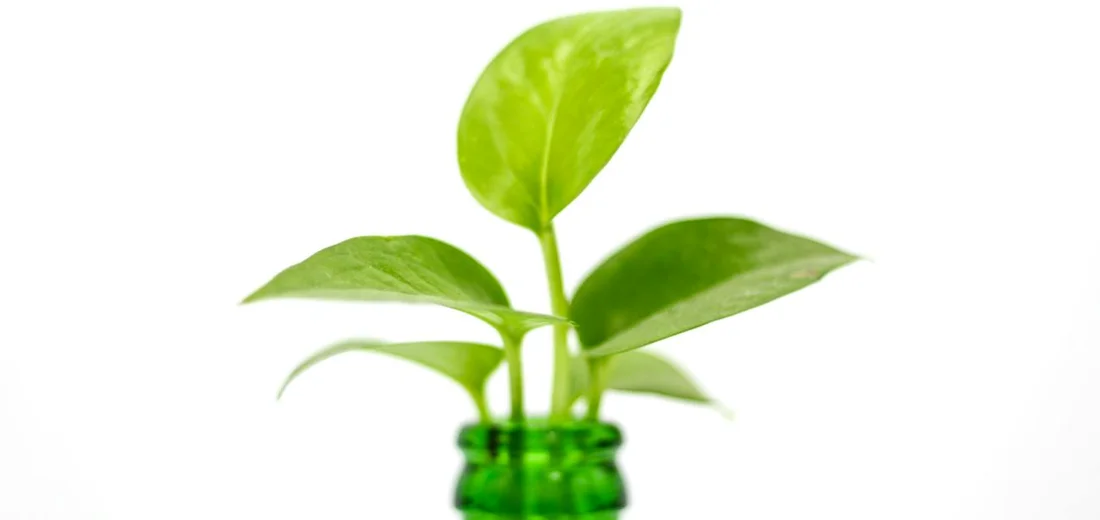
You’ve applied the rooting hormone-fantastic! Now, the real work begins. Think of your cutting as a patient in recovery; it needs a stable, gentle environment to focus all its energy on growing new roots. I’ve learned through many propagation trays that consistent aftercare is what separates a thriving new plant from a shriveled disappointment.
Managing Light, Temperature, and Humidity
Getting this trifecta right is your number one job. It’s a balancing act, but a simple one once you know the rules.
Bright, indirect light is the sweet spot for your succulent cuttings. A north or east-facing windowsill is perfect. I made the mistake of putting my first tray of jade cuttings on a sunny south-facing patio, and they got scorched before they could even think about rooting. Direct sun cooks them. Different succulents have different light needs, so it’s worth checking each species’ requirements. Some tolerate more sun after a slow acclimation, while others thrive best in bright indirect light.
Keep your cuttings in a warm spot, ideally between 65°F and 75°F (18°C – 24°C). Consistent warmth encourages root cells to divide and grow much faster than in cooler conditions. I avoid placing them on cold windowsills in winter; a simple heat mat made all the difference for my winter propagations.
Humidity is the trickiest part. Succulents hate soggy soil, but the air around the cutting needs a little moisture to prevent it from drying out completely. I never mist my succulent cuttings directly, as this can encourage rot. Instead, I sometimes place a clear plastic bag loosely over the tray or pot to create a mini-greenhouse effect, making sure to remove it for an hour each day for fresh air.
- Light: Bright, filtered light. No direct sun.
- Temperature: A cozy room temperature, away from drafts.
- Humidity: A lightly tented plastic bag can help, but air circulation is key.
How Long Does Rooting Take with Hormone Use?
Patience is the secret ingredient in plant propagation! With rooting hormone, you’re giving your cuttings a significant head start, but you still need to wait for nature to do its work.
Most succulent cuttings will show their first tiny white roots within 2 to 4 weeks when using a rooting hormone. In my experience, faster-growing varieties like Sedum or some Echeverias can surprise you in as little as 10 days. Slower growers, like many Haworthias, can take 6 weeks or more. To help you plan, this complete timeline guide walks you through each stage from rooting to establishment. Expect the full process to take anywhere from a few weeks to several months, depending on species and conditions.
You’ll know it’s working when you see new, bright green growth emerging from the center of the cutting. That new growth is your visual confirmation that roots have established themselves below the soil and are now supporting the plant. Resist the urge to tug on the cutting to check for roots-you can easily break them off and have to start all over.
- Weeks 1-2: The cutting is callusing and the hormone is stimulating root cell formation. No visible change above soil.
- Weeks 2-4: First roots typically appear! You might see new baby leaves starting to form.
- Weeks 4+: The root system develops and the plant begins sustained growth.
Quick Tip: Label your pots with the date you planted the cutting. This takes the guesswork out of the waiting game and helps you track what’s normal for each plant type.
DIY and Natural Alternatives to Rooting Hormone
While commercial rooting powders are fantastic, I often turn to items from my own kitchen or garden. These natural alternatives are inexpensive, easy to make, and surprisingly effective for encouraging those first tiny roots.
Using Honey as a Rooting Aid
I always have a jar of raw, unpasteurized honey in my pantry, and not just for my tea. Honey is a natural antiseptic and contains enzymes that can promote root growth. I’ve had great success using it on succulent cuttings like jade plants and echeverias.
Here is my simple process:
- Take your succulent cutting and let the cut end callous over for a day or two.
- Dip the calloused end directly into a small dish of honey, coating it lightly.
- Let any excess honey drip off-you don’t want it globbed on.
- Plant the cutting in your well-draining succulent soil as you normally would.
I find honey works best for me when I’m propagating in soil, not water. It helps protect the cutting from bacteria while it’s trying to establish itself. The results might take a week or two longer than with a commercial hormone, but it’s a wonderfully gentle and accessible option.
Creating and Using Willow Water
This is my favorite natural rooting method, and it feels a bit like magic. Willow trees contain high levels of two rooting hormones: indolebutyric acid (IBA) and salicylic acid. You can make a potent “tea” from their branches to stimulate root growth on your succulents.
To make willow water, follow these steps:
- Gather a handful of young, fresh willow branches. You can often find these near ponds or streams.
- Chop or crush the branches into one-inch pieces to maximize surface area.
- Place the pieces in a jar and cover them with boiling water.
- Let the mixture steep for at least 24 hours, or up to a couple of days.
- Strain out the plant material, and your homemade rooting hormone is ready.
You have two ways to use it. You can dip your cuttings directly into the willow water before planting, or you can use it to water your newly planted succulent cuttings. I like to use it for both the initial dip and the first few waterings to give my plants a continuous boost. Some gardeners debate water propagation vs soil propagation for succulents—each method has its fans. Using willow water in both the dip and early watering helps you compare the two approaches and see which yields the best results for your plants. I’ve noticed cuttings develop stronger, more robust root systems with this method compared to using nothing at all.
FAQs
What do Reddit users commonly say about using rooting hormone for succulents?
Reddit communities often highlight that rooting hormone can significantly speed up root growth and increase success rates for tricky succulent varieties. If you’re wondering about signs your succulent propagation is successful, look for new roots and fresh growth at the base. Healthy color and firm leaves are also good indicators as the cuttings establish.
Is saliva an effective alternative to rooting hormone for succulent cuttings?
Saliva may contain natural enzymes that could mildly stimulate rooting, but it is less reliable and potent than commercial rooting hormones.
Are there other DIY rooting hormone methods besides honey or willow water?
Yes, common homemade options include using cinnamon powder or diluted apple cider vinegar, which may help prevent fungal issues while encouraging roots.
How does rooting hormone compare to saliva specifically for stem cuttings?
Rooting hormone provides a concentrated dose of auxins for consistent results, whereas saliva offers minimal and variable benefits for stem cuttings.
What are the considerations for using rooting hormone vs saliva on indoor succulents?
For indoor plants, rooting hormone is preferred due to controlled environments reducing rot risks, while saliva might not provide enough stimulation in low-light conditions.
What do online forums suggest about the safety of homemade rooting hormones?
Online discussions often caution that homemade recipes can vary in effectiveness and may introduce bacteria if not prepared sterilely.
Your Succulent Propagation Journey Starts Now
In my years of nurturing succulents, I’ve found that a dab of rooting hormone turns hesitant cuttings into confident starters almost every time. To avoid common succulent propagation mistakes, focus on sanitation and timing. Learning from these pitfalls will boost your success. Stick to these core steps for best results:
- Select plump, healthy leaves or stems for cutting.
- Apply rooting hormone to the dry cut end before planting.
- Use well-draining soil and provide bright, indirect light.
You’ve got this—succulent propagation is a rewarding skill that gets easier with each attempt. For ongoing support and more plant care wisdom, follow along with our guides right here at Hardy House Plants (www.hardyhouseplants.com). Whether you’re transplanting or propagating, we’ll walk you through steps to help succulents root successfully. Our guides cover healthy cuttings, proper potting, and ideal light for thriving plants.
Further Reading & Sources
- How to Propagate Succulent Using Natural Rooting Hormones – Succulents Box
- 🌱 Propagate Succulents with Natural Rooting Hormones | HOJNY Succulents
- r/succulents on Reddit: Rooting hormone advice…
- Succulent Rooting Agents: Types and Use | THE NEXT GARDENER – Thenextgardener
Lena Greenfield is a passionate horticulturist and plant care expert with over 10 years of experience cultivating and nurturing hardy house plants. With a deep understanding of both indoor and outdoor gardening, Lena shares practical advice on choosing, caring for, and maintaining resilient plants that flourish year-round. Through her knowledge and hands-on approach, Lena helps plant lovers transform their spaces into vibrant, green sanctuaries, no matter their gardening experience.
Propagation Methods