
Sansevieria vs. Snake Plant: Are They the Same?
Published on: January 22, 2026 | Last Updated: January 22, 2026
Written By: Lena Greenfield
You’ve seen both names, and you’re wondering if you’re caring for one plant or two different ones. Let’s clear up the confusion right away: Sansevieria and the snake plant are the exact same plant.
I’ve been growing these hardy plants for years, and I’ll walk you through the simple name change and what it means for you as a plant parent. You’ll learn the botanical reason for the name swap, why the care hasn’t changed, and how to identify the most popular varieties for your home.
The Simple Answer to a Common Plant Question
Yes, a Sansevieria is a snake plant. They are two names for the exact same group of tough, architectural houseplants. Think of it like this: “Sansevieria” is the formal, scientific surname, while “Snake Plant” is the friendly, common nickname everyone uses. I have a whole collection of them, and I use both names interchangeably depending on who I’m talking to.
Untangling the Names: Sansevieria vs. Snake Plant
This naming confusion is one of the most common questions I get from fellow plant lovers. The story behind the names is actually quite interesting and explains why you might see both labels at the garden center.
Why Two Names? A Little Bit of Plant History
The plant was originally named Sansevieria in the 18th century, honoring an Italian prince and inventor named Raimondo di Sangro, the Prince of San Severo. The common name “Snake Plant” comes from the distinctive, patterned look of the leaves, which often resemble the skin of a reptile. It’s a much more descriptive and memorable name for most people. You can learn more about the origins of the snake plant here.
The Big Botanical Update: Welcome to the Dracaena Family
Here’s where it gets even more interesting for plant nerds like me. A few years ago, botanists used advanced DNA testing and decided that Sansevieria plants are genetically much closer to the Dracaena family (think of the Dragon Tree). This led to the official scientific name changing from Sansevieria to Dracaena. So technically, the most up-to-date botanical name for your Snake Plant is now Dracaena trifasciata.
This reclassification was a huge topic of discussion among plant enthusiasts! In my own experience, this name change hasn’t fully trickled down to everyday plant care. Most growers, nurseries, and plant parents still overwhelmingly use “Sansevieria” or “Snake Plant.” You’ll see all three names used, but they all point to the same wonderful plant on your shelf.
What This Means for You and Your Plant Care
The most important thing to remember is that the plant itself hasn’t changed one bit.
- The care instructions remain identical. Whether you call it a Sansevieria, Snake Plant, or Dracaena, it still thrives on neglect, prefers bright indirect light but tolerates low light, and needs its soil to dry out completely between waterings.
- When you’re searching for care tips online, using any of the three names will get you the right information.
- Don’t feel pressured to use the new scientific name. Sticking with “Snake Plant” is perfectly fine and understood by everyone.
My quick tip: If you ever feel confused at the store, just look for the tall, sturdy leaves with sharp points-you’ve found your plant, no matter what the label says. I’ve bought them under all three names, and they’ve all been the same resilient, low-maintenance friend.
The Big Botanical Shift: When Sansevieria Became Dracaena
For decades, I called them Sansevierias, just like everyone else. Then, the world of plant science turned my labeling tape upside down. Around the early 2000s, botanists started using advanced DNA analysis, and they discovered something fascinating: the Sansevieria genus was genetically nestled right inside the much larger Dracaena genus.
This wasn’t just a minor tweak. It was a full-scale reclassification. By 2017 and 2018, major horticultural bodies made it official, moving most of our beloved snake plants into the Dracaena family. So, your classic Snake Plant, once Sansevieria trifasciata, is now scientifically known as Dracaena trifasciata.
What This Scientific Change Means for You
Honestly, in your day-to-day plant care, almost nothing changes. You don’t need to run out and buy new pots or different fertilizer. The plant on your windowsill is the exact same hardy friend it was yesterday.
I’ve cared for them under both names, and their needs are identical. The name change is purely a scientific one for accuracy. Think of it like learning a friend’s formal, legal name is Robert, but you’ve always called him Bob. He’s the same person, just with a more technical title in certain contexts.
The most important takeaway is that both names refer to the exact same plant. You can use “Snake Plant,” “Sansevieria,” or “Dracaena” when you’re shopping or asking for advice, and any seasoned plant enthusiast will know what you mean. In our zz plant vs snake plant detailed comparison guide, we’ll compare care needs, growth habits, and appearance. This helps you decide which is right for your space.
A Closer Look at Popular Sansevieria Varieties
One of the joys of collecting these plants is the incredible variety of shapes and colors they come in. Over the years, I’ve found that having a mix of types creates a stunning, textured display. Here are a few of my absolute favorites that you’re likely to encounter. Maintaining a cohesive look with mixed plant collections can be both an art and a science.
Dracaena trifasciata ‘Laurentii’ (Variegated Snake Plant)
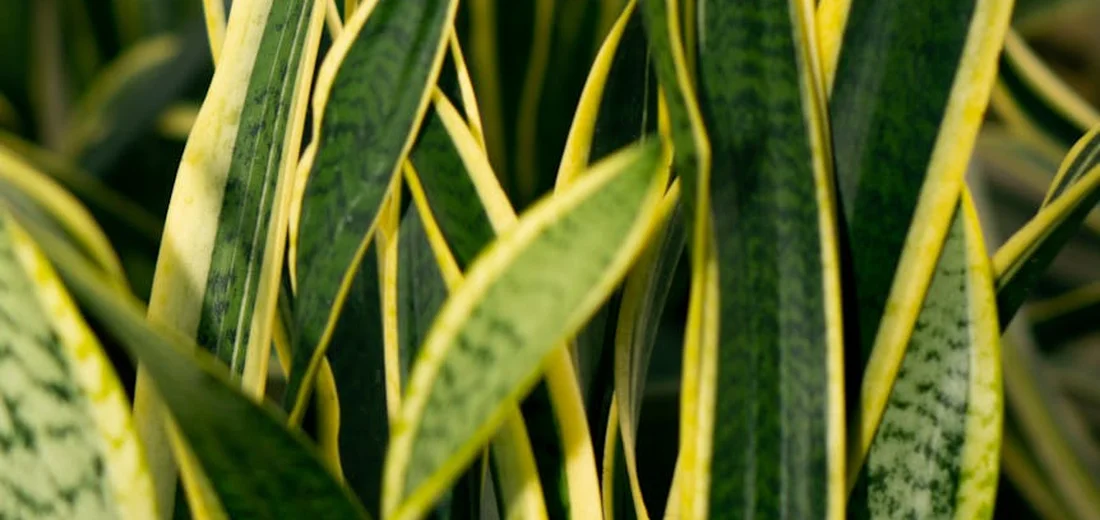
This is the classic, the one most people picture. Its tall, sword-like leaves have gorgeous yellow-gold edges that frame the green center. It’s a superstar for beginners because it’s so forgiving of imperfect light and watering schedules.
Dracaena angolensis (formerly Sansevieria cylindrica)
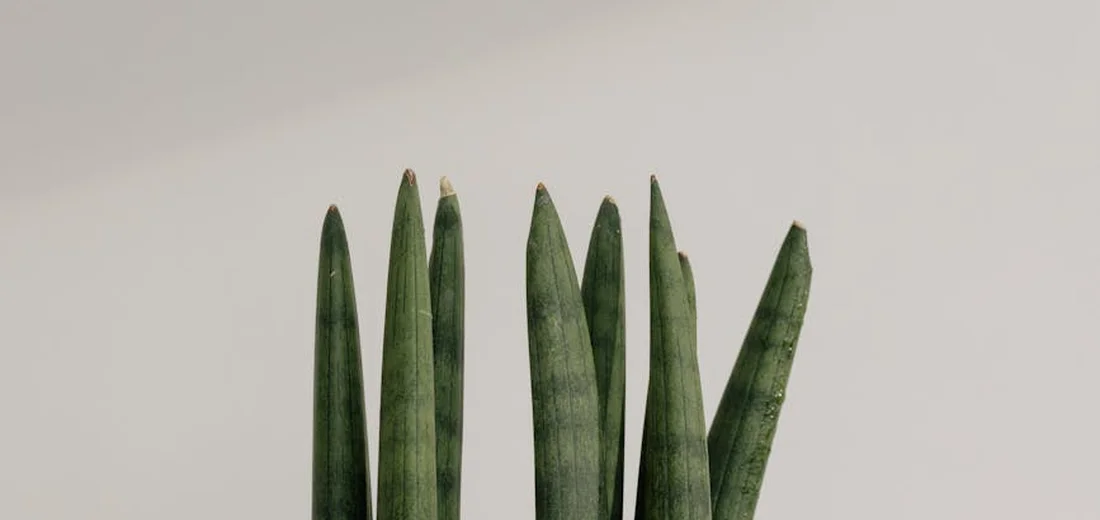
This one breaks the mold with its smooth, rounded leaves that grow straight up like spears. I love to braid the young leaves of this plant to create a fascinating, living sculpture. It adds a fantastic modern and architectural feel to any room.
Dracaena trifasciata ‘Hahnii’ (Bird’s Nest Snake Plant)
If you’re short on space, this is your plant. The ‘Hahnii’ stays beautifully short and rosette-shaped, looking like a bird’s nest. It’s perfect for a desk, a shelf, or as a table centerpiece. I have one in my bathroom, and it thrives on the low light and humidity.
Dracaena trifasciata ‘Moonshine’
For a lighter, brighter look, seek out a ‘Moonshine’. Its wide, silvery-green leaves seem to glow, especially when placed in a bright room. It’s a bit more of a slow grower in my experience, but its unique color makes it well worth the wait.
Proven Care Tips for Your Resilient Plant
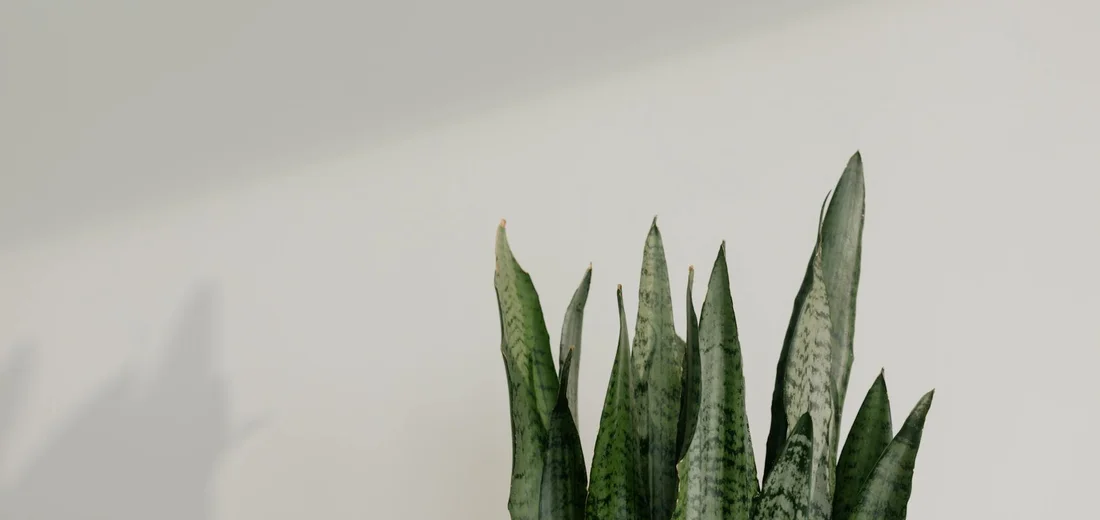
I’ve grown Sansevierias for over a decade, and their forgiving nature is why I recommend them to everyone. Treat this plant with a little benign neglect, and it will often thrive more than if you fuss over it constantly.
Light and Location
These plants are famous for tolerating low light, but they truly adore bright, indirect light. I keep one in a north-facing bathroom window, and it grows steadily. Another sits in a sunny, east-facing room, and it puts out new shoots constantly. A spot with bright, filtered light will make your Sansevieria happiest and encourage faster growth.
Watering: The Biggest Pitfall
The number one killer of these plants is overwatering. I wait until the soil is completely dry all the way to the bottom of the pot before I give mine a drink. In the winter, that might mean watering only once a month. When in doubt, skip the water. It’s far better to underwater a Snake Plant than to overwater it.
Soil and Potting
They need soil that drains incredibly fast. I use a standard cactus and succulent mix and sometimes add a handful of perlite for extra drainage. A pot with a drainage hole is non-negotiable in my book. A terracotta pot is a fantastic choice because it pulls excess moisture away from the soil, making it one of the best pots and containers for succulents.
My Simple Propagation Method
I’ve propagated dozens of Snake Plants, and leaf cuttings are my go-to method. It’s slow but incredibly reliable. If you cut snake plant leaves properly, you can achieve successful propagation. With patience, those cuttings will root and grow into new plants.
- Use a clean, sharp knife to cut a healthy leaf. I usually cut it into several 3-4 inch sections.
- This is the most critical step: Make a mental note of which end was pointing down towards the roots. The cuttings will only root from the end that was closest to the soil.
- Let the cuttings sit out for a day or two until the cut ends form a dry callus. This prevents rot.
- Stick the correct end (the one that was down) about an inch deep into a small pot filled with damp cactus mix.
- Place it in bright, indirect light and water very sparingly, only when the soil is bone dry. In a few weeks, you’ll feel resistance if you give a gentle tug-that’s your new root system!
Quick Tip: If you propagate a variegated variety like ‘Laurentii,’ new plants from leaf cuttings will revert to all-green leaves. To keep the yellow stripes, you must divide the plant at the roots.
Important Safety Note for Pet Owners
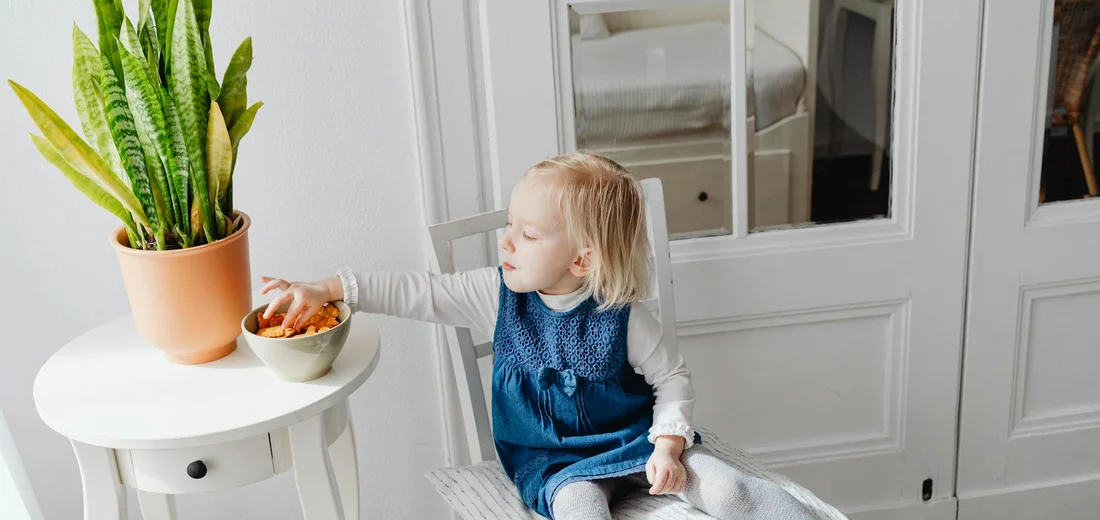
As a plant lover with a curious cat, this is something I take very seriously. Sansevieria plants are considered toxic to cats and dogs.
They contain saponins, which can cause nausea, vomiting, and diarrhea if ingested. I keep all of my Snake Plants on high shelves or in rooms my cat cannot access. It’s a simple precaution that gives me peace of mind.
If you suspect your pet has chewed on a leaf, contact your veterinarian or the ASPCA Animal Poison Control Center immediately. It’s always better to be safe and get professional advice.
Finding Your Perfect Plant: A Buying Guide
Walking into a garden center can feel overwhelming with so many varieties. I always tell people to start by looking at the leaves-the shape, color, and pattern will tell you everything about the plant’s personality and needs. This simple trick has never steered me wrong.
What to Look For in a Healthy Plant
Don’t just grab the first green thing you see. A healthy Sansevieria has firm, upright leaves with vibrant coloring. Run your fingers along a leaf; it should feel sturdy and solid.
- Check the leaf color: Avoid plants with yellowing or pale, washed-out leaves. Some brown tips are common from transit, but extensive damage is a red flag.
- Inspect for pests: Look closely under the leaves and near the soil line for any signs of mealybugs (they look like tiny bits of cotton) or spider mites.
- Give it a gentle wiggle: The plant should feel secure in its pot. A wobbly plant might have root rot, which is a much bigger problem to fix.
- Assess the pot size: A plant that looks too big for its pot is likely root-bound. This isn’t a deal-breaker, but it means you’ll need to repot it soon.
My best quick tip: If the soil is sopping wet and the store is dark, put it back. That plant is likely stressed and could be developing root issues.
Choosing the Right Size and Variety for Your Space
Think about where your new plant will live. A tall, architectural variety like the classic Laurentii is a stunning floor plant, while a small, rosette-forming ‘Hahnii’ is perfect for a bright desk or shelf.
- For low light: Darker green varieties, like Sansevieria ‘Zeylanica’ or ‘Futura Superba’, are your most tolerant champions.
- For a statement piece: Look for the ‘Whale Fin’ (Sansevieria masoniana) with its single, massive leaf, or the cylindrical ‘Starfish’ snake plant.
- For small spaces: The ‘Birds Nest’ types stay compact and form tight, ground-hugging rosettes.
Where to Buy: Garden Center vs. Big Box Store
I’ve bought beautiful, healthy plants from both local nurseries and large home improvement stores. Each has its pros and cons.
| Garden Center/Nursery | Big Box Store |
|---|---|
| Often has rare or unique varieties | Typically lower prices and frequent sales |
| Expert staff who can answer specific care questions | Convenient one-stop shopping |
| Plants are usually better acclimated and cared for | Selection can be more limited to common types |
No matter where you shop, your inspection is the most important step. A great plant can come from anywhere if you know what to look for. I’ve found some of my most resilient snake plants at a grocery store, simply because I took an extra minute to check its health. If you notice yellowing leaves, drooping, or a soft, mushy base, that’s a sign the plant may be dying. Learn quick ways to tell if your snake plant is dying and how to revive it.
FAQs
What is the feng shui significance of snake plants?
In feng shui, snake plants are believed to purify air and bring protective, uplifting energy into a space.
What are the benefits of having a snake plant?
Snake plants improve indoor air quality by filtering out toxins like formaldehyde and releasing oxygen at night.
Where can I buy a snake plant?
Snake plants are widely available at garden centers, online retailers, and stores like Home Depot.
Are there black or purple snake plant varieties?
Yes, varieties like ‘Black Coral’ or ‘Purple’ feature dark, almost black leaves with purple undertones.
How do I care for a snake plant indoors?
Place it in bright, indirect light and water only when the soil is completely dry to prevent overwatering.
Is the snake plant toxic to cats?
Yes, snake plants are toxic to cats and can cause vomiting or diarrhea if ingested.
Your Quick Snake Plant Recap
Based on my years of growing succulents, Sansevieria and Snake Plant are indeed the same hardy plant, and sticking to simple care routines keeps them flourishing. Here’s a handy list to remember:
These plants are wonderfully forgiving, so even if you’re just starting out, you’ll find success with a little attention. For more easy plant care guides, keep exploring Hardy Houseplants—I’m here to help your indoor garden thrive!
Further Reading & Sources
- The Difference Between Snake Plant Varieties | Plant Care Tips – JOMO – JOMO Studio
- Plant profiles: Sansevieria (snake plant) – Stamen & Stem
- r/plants on Reddit: Sansevieria vs Dracaena
- Dracaena trifasciata – Wikipedia
Lena Greenfield is a passionate horticulturist and plant care expert with over 10 years of experience cultivating and nurturing hardy house plants. With a deep understanding of both indoor and outdoor gardening, Lena shares practical advice on choosing, caring for, and maintaining resilient plants that flourish year-round. Through her knowledge and hands-on approach, Lena helps plant lovers transform their spaces into vibrant, green sanctuaries, no matter their gardening experience.
Types of Succulents