
Mixed Plant Collection Care: Balancing Different Plant Needs
Published on: December 1, 2025 | Last Updated: December 1, 2025
Written By: Lena Greenfield
Juggling a mix of plants can feel overwhelming when you’re trying to meet each one’s unique demands. I’ve been there myself, watching some plants flourish while others falter, and it often comes down to finding that sweet spot in care routines.
Drawing from my own indoor gardening journey, I’ll guide you through assessing light and water needs, creating a unified care schedule, selecting compatible plants, and adapting for seasonal changes to keep your entire collection thriving.
Start with Smart Plant Selection
When I first started mixing plants, I learned the hard way that a beautiful arrangement can turn into a soggy disaster if the plants have clashing needs. The single best thing you can do for your mixed collection is to group plants with similar thirst levels right from the start. This one strategy saves you so much time and prevents countless problems.
Grouping Plants by Watering Needs
I treat my plants like friends at a party-I group the ones who like the same drinks together. Here’s how I sort them on my shelves and in my pots:
- The Drought-Tolerant Crew: This is my succulent and cactus squad. Snake plants, jade plants, and aloe vera all hang out here. They like their soil to dry out completely between drinks.
- The Moderate Sippers: Pothos, philodendrons, and ZZ plants are in this group. They enjoy a drink when the top inch or two of soil feels dry to the touch.
- The Thirsty Friends: Ferns, calatheas, and peace lilies make up this group. They prefer their soil to stay consistently moist (but never sopping wet!).
Keeping these groups separate means I can water an entire section of my plant shelf without worrying I’m overwatering one plant while underwatering another. Quick tip: Use your finger to feel the soil moisture for each group-it’s the most reliable tool you own.
Understanding Light Requirements for a Harmonious Group
Light is like plant food, and every species has a different appetite. I arrange my plants based on how much light they crave, creating little neighborhoods of happiness.
- Bright Light Lovers: These are your sun-worshippers. Most succulents, cacti, and fiddle leaf figs need several hours of direct sun. I keep them on my sunniest windowsill.
- Medium Light Dwellers: This is the largest group in my home. Pothos, snake plants, and philodendrons thrive in bright, indirect light, away from the harsh afternoon sun.
- Low Light Tolerant: ZZ plants and snake plants are the champions here. They can survive in that darker corner of your room where other plants would sulk.
I once put a sun-loving succulent in a shady spot, and it grew tall and leggy, desperately reaching for light. Observing how your plants grow and react to their spot will tell you everything you need to know about their light satisfaction—especially for different types of succulents.
Mastering Watering Schedules for Diverse Plants
You don’t need a complicated calendar or a dozen reminders on your phone. After years of trial and error, I’ve found that creating simple systems works better than trying to remember individual schedules for thirty different plants.
Creating Personalized Watering Zones
I’ve divided my plant care into zones, which turns a chaotic chore into a quick and easy routine. Here’s my simple method:
- Group by Need: I physically place all my “thirsty” plants together on one shelf, my “moderate” plants on another, and my “drought-tolerant” plants in their own sunny area.
- Check the Zone, Not the Clock: On watering day, I don’t water every plant. I check the soil in one zone at a time. The succulent zone might only need water every three weeks, while the fern zone might need it weekly.
- Use the Right Tools: For my thirsty plants, I use a watering can with a long, narrow spout to water the soil directly. For my succulents, I sometimes use a squeeze bottle for precision to avoid getting water on their leaves.
This zonal approach prevents me from accidentally giving a cactus the same amount of water as a fern. Quick tip: For succulents, wait until the leaves feel a little soft or you can gently fold one like a taco—that’s their sign they’re ready for a drink. To tell when they need water, watch for telltale signs like wrinkled or soft leaves.
Your watering routine should work for your life, not the other way around. By grouping plants with similar needs, you build a resilient collection that thrives with simple, consistent care. For a diverse plant collection, implement tailored watering schedule strategies that fit each group. Adjust those strategies seasonally to keep every plant happy.
Managing Light and Humidity in a Shared Space
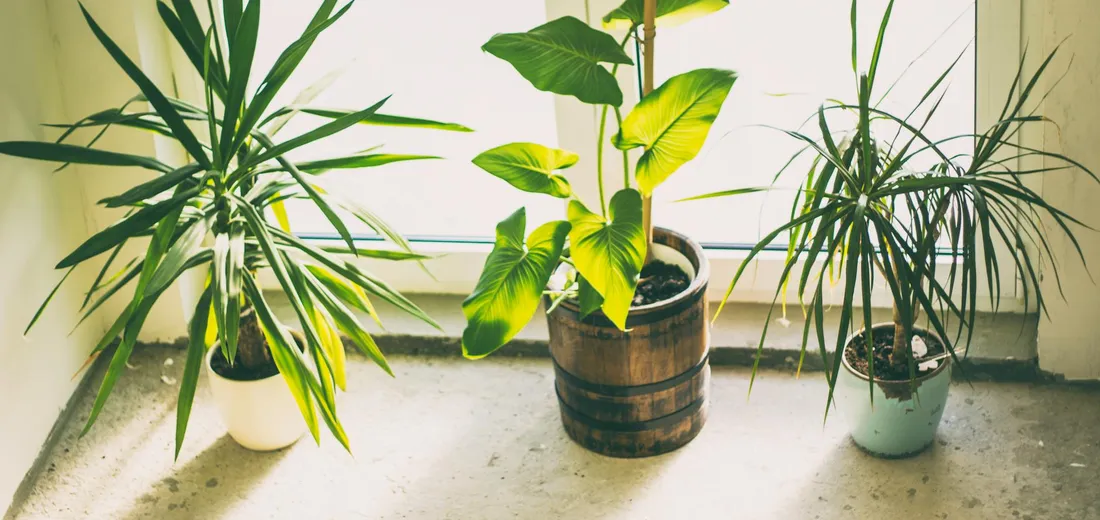
Juggling the different light and humidity needs in one room is like being a party host for guests with wildly different preferences. My biggest breakthrough was learning to create microclimates within a single room, grouping plants by their needs rather than just their looks. I keep my humidity-loving ferns and calatheas clustered together on a pebble tray filled with water, which creates a lovely little pocket of moist air just for them.
Seasonal Lighting Shifts and Your Collection
As the seasons change, so does the light in your home, and your plant collection will feel it. I make it a habit to do a “light audit” at the start of each season, observing how the sun’s angle changes the brightness in different spots. A windowsill that was perfect for succulents in summer might become too dim by mid-fall, requiring a strategic relocation.
Here is how I handle my own mixed collection throughout the year:
- Spring & Summer: I pull my sun-worshipping succulents and cacti a few feet back from south-facing windows to prevent leaf scorch from the intense light. This is also when I shuffle my medium-light plants, like pothos and philodendrons, closer to the windows to soak up the longer days.
- Fall & Winter: I do the complete opposite shuffle! Everyone gets moved closer to the light source. My succulents go right up against the brightest window to compensate for the weak sun, and I even pull out a couple of grow lights for my most light-hungry tropical plants to prevent leggy growth.
You’ll know a plant isn’t happy with a seasonal light change by its signals. If you see stems stretching out awkwardly or new leaves coming in much smaller, it’s a cry for more light. Conversely, if you notice bleached, crispy patches on leaves, that’s a sure sign of too much direct sun.
Don’t be afraid to play musical chairs with your plants. I’ve found that a simple quarterly rotation based on the sun’s path keeps my entire collection thriving and avoids most light-related stress. It’s a small effort that makes a massive difference in balancing everyone’s needs.
Soil and Fertilization: A Tailored Approach
Getting the soil and food right is where I’ve seen most plant parents struggle, but it’s also where you can make the biggest difference. Think of soil as your plant’s home and fertilizer as its groceries; you wouldn’t serve a steak to a rabbit, and you shouldn’t give a cactus the same soil as a fern. Over the years, I’ve learned to stop buying generic “all-purpose” potting mix and started creating my own blends, and the results have been incredible.
The Role of Drainage in Plant Health
Drainage is the single most important factor in preventing root rot, the number one killer of houseplants. When water sits around the roots, it literally suffocates the plant, creating an environment where harmful fungi and bacteria thrive. Common signs of root rot include yellowing leaves, limp growth, and a musty smell. If you notice these symptoms, treat it by improving drainage, letting the soil dry between waterings, and repotting with fresh, well-draining soil. I learned this the hard way after losing a beautiful string of pearls to a dense, moisture-retentive soil.
Your goal is to create a soil environment where water can flow through freely, hydrating the roots and then exiting, leaving behind air pockets. You can test your soil’s drainage by watering it and timing how long it takes for the water to run out the bottom drainage hole; if it takes more than 30 seconds, your mix is too dense.
Crafting Your Own Soil Mixes
I keep three main soil “bases” in my plant care toolkit, which I then tweak for specific plants.
- The Aroid Mix: Perfect for Monstera, Philodendron, and Pothos. I use 40% orchid bark, 30% coco coir, 20% perlite, and 10% worm castings. The chunky bark creates essential air pockets their roots love.
- The Gritty Succulent & Cactus Mix: My go-to is a simple 1:1:1 ratio of potting soil, perlite, and coarse sand. This mix is almost impossible to overwater, which is exactly what your succulents need.
- The Moisture-Loving Mix: For plants like Calathea and Ferns, I use 50% potting soil, 30% coco coir, and 20% perlite. It holds moisture longer without becoming a soggy mess.
Fertilizing a Mixed Collection
Fertilizing isn’t about more food; it’s about the right food at the right time. I treat my leafy tropicals like hungry teenagers and my succulents like disciplined athletes—they have vastly different nutritional needs. A one-size-fits-all fertilizer can burn some plants while starving others. For succulents, timing is crucial for maximum growth. Fertilize during the active growing season (spring through early summer) and pause during dormancy.
- For actively growing tropicals: I use a balanced, water-soluble fertilizer (like a 10-10-10) at half-strength every 4-6 weeks during the spring and summer.
- For succulents and cacti: They need a low-nitrogen fertilizer. I use a specialized cactus food or a generic one diluted to a quarter-strength, and only once or twice during their growing season.
- For dormant plants: In the fall and winter, when light levels drop, I stop fertilizing almost entirely. Feeding a dormant plant is like forcing a sleeping person to eat-it causes more harm than good.
Quick Tip: Always water your plants thoroughly before applying any fertilizer to prevent root burn. Dry soil and concentrated fertilizer are a dangerous combination.
What If My Plants Share a Pot?
Arrangements with multiple plants in one pot are beautiful but tricky. The key is to group plants with similar thirst levels and soil needs, like a Snake Plant and a ZZ plant, or a Pothos and a Philodendron. If you have a mixed planter, water carefully, aiming at the base of the thirstier plants and avoiding the drier ones. You may need to repot them separately if one plant starts to struggle.
Routine Care and Troubleshooting Common Issues
Reading Your Plants’ Stress Signs
Your plants are constantly talking to you, and learning their language is the most rewarding part of plant parenthood. I’ve learned that the key to a thriving mixed collection is not just a perfect schedule, but in becoming a detective for your plants’ subtle signals. Each droop, discoloration, or new growth tells a story about what’s happening in their world.
Yellow leaves can mean many things, so you need to play detective. If the yellowing is on older leaves and the soil is dry, your plant is likely thirsty and sacrificing its oldest growth to save energy. If the yellowing is widespread and the soil is wet, you’re probably looking at overwatering. In my collection, my peace lily and snake plant taught me this difference—one droops dramatically when thirsty, the other just gets mushy when over-loved with water. If neither watering scenario fits, nutrient problems could be the culprit—nitrogen, iron, or other deficiencies can also cause yellowing leaves. For a focused look at these causes, check out our guide on nutrient problems and yellow leaves.
- Overwatering: Leaves turn yellow and feel soft or mushy. Soil has a soggy, dense feel and may have a musty smell.
- Underwatering: Leaves turn crispy, brown, and brittle, often starting at the tips. The entire plant may look droopy and sad.
- Too Much Sun: Leaves look faded or have brown, scorched patches. This is common for plants like ferns or nerve plants placed in direct light.
- Not Enough Light: Stems become long and leggy as they stretch for a light source. New leaves are smaller and paler than usual.
Drooping is one of the most common signs I see, and it doesn’t always mean thirst. Sometimes, a drooping plant is actually drowning, its roots gasping for air in waterlogged soil. Before you reach for the watering can, do the simple finger test. Push your finger about two inches into the soil. If it feels cool and damp, hold off on watering. If it’s dry and dusty, it’s time for a drink.
Brown, crispy leaf tips are a classic cry for help, often related to humidity. Many tropical plants in mixed collections, like calatheas, will develop brown tips if the air is too dry, which is common in homes with air conditioning or heating. I keep a small humidifier near my fussier plants, and it’s made a world of difference. Alternatively, you can group humidity-loving plants together to create a mini microclimate.
- Check the soil moisture with your finger before assuming the cause of drooping.
- Feel the leaf texture-mushy means too wet, crispy means too dry.
- Assess the light situation. Has a seasonal shift changed the sun’s angle in the room?
- Look for pests on the undersides of leaves and along stems, a common source of stress.
Leaf drop can be alarming, but it’s often a plant’s way of adjusting to change. When I bring a new plant home, I expect it to drop a few leaves as it acclimates to my home’s light and humidity levels. This is normal. Consistent leaf drop on an established plant, however, signals a bigger issue, usually a sudden change in its environment, like a drafty window or a new fertilizer that doesn’t agree with it.
Quick Tip: A toothpick stuck in the soil can act like a cake tester for your plants; if it comes out clean, it’s time to water!
Quick Tip: Bottom-watering your plants by placing the pot in a tray of water for 20 minutes can help prevent overwatering and ensures the roots get a thorough drink. For succulents, this bottom-watering method is a staple in our complete guide to bottom watering techniques.
Styling Your Mixed Plant Collection
Once you’ve got the care routine down, the real fun begins-arranging your plants into a living work of art. Styling a mixed collection is where you get to express your personality and turn your plant corner into a visual sanctuary. I love playing with different arrangements on my windowsills, constantly tweaking them until they feel just right.
Choosing a Cohesive Container Theme
Your pots are the frame for your green masterpiece. I’ve found that sticking to a single material or color family creates a unified look that lets the plants themselves shine. A consistent pot theme, like all terracotta or a palette of muted ceramics, ties wildly different plants together visually. My personal favorite is using simple, neutral-colored pots; it makes the vibrant greens, purples, and variegations of the foliage pop.
- Terracotta: Classic, breathable, and perfect for succulents that hate wet feet. They develop a beautiful patina over time.
- Glazed Ceramic: Offers a splash of color and retains moisture longer, ideal for your thirstier tropical plants.
- Neutral Tones: White, gray, and beige pots act as a calm backdrop, making any plant collection look intentionally curated.
Creating Height and Depth
A flat line of pots on a shelf can look a bit static. To give your display life and movement, think in three dimensions. Elevating some plants adds instant drama and allows light to reach everyone in the group. I use plant stands, stacks of old books, and even upturned pots as pedestals.
- Place your tallest plant (like a snake plant or a large succulent) in the back or center as your “thriller.”
- Surround it with mid-height “fillers,” such as bushy pothos or clustered haworthias.
- Let “spillers” cascade over the edges of pots in the front. String of Pearls or a trailing Sedum morganianum are perfect for this.
Playing with Textures and Forms
This is the secret sauce for a captivating collection. Don’t just think about color-contrast the shapes and surfaces of your plants. Juxtaposing spiky, soft, round, and trailing forms creates a dynamic display that’s endlessly interesting to look at. I love the look of a spiky Aloe next to the soft, velvety leaves of a Kalanchoe.
- Spiky & Structural: Aloes, Agaves, Snake Plants
- Soft & Fuzzy: Panda Plant (Kalanchoe tomentosa), Purple Passion Plant
- Round & Plump: Many Echeverias, String of Buttons (Crassula perforata)
- Trailing & Flowing: String of Hearts, Burro’s Tail Sedum
Quick Tip: Group plants with similar light and water needs in the same decorative tray or plant caddy. This creates a mini-habitat, makes watering easier, and allows you to move the whole group to catch the sun throughout the day.
FAQs
How often should I repot plants in a mixed collection?
Repot plants when they become root-bound or every 1-2 years to ensure healthy growth.
What are the best tools for monitoring soil moisture in different plants?
Use a moisture meter or perform the finger test to check soil dryness accurately for each plant.
How do I prevent pests from spreading in a diverse plant group?
Isolate new plants for a few weeks and inspect regularly to catch and contain pests early.
What should I do if one plant outgrows its space in the collection?
Prune back overgrown plants or repot them into larger containers to maintain harmony.
How do I acclimate a new plant to my existing collection’s environment?
Place the new plant in its intended location gradually over several days to help it adjust.
Can I use tap water for all my plants, or do some require filtered water?
Some sensitive plants like calatheas may develop brown tips from tap water, so use filtered or distilled water for them.
Your Thriving Plant Community Awaits
Success with a mixed plant collection boils down to one simple strategy: group your plants by their similar needs for light, water, and humidity. Focus on these three core elements to create a harmonious and low-maintenance indoor garden. For a mixed collection with different lighting needs, use layered or adjustable lighting so sun-loving plants get bright exposure while shade-tolerant varieties thrive in gentler light. Place plants in zones that match their light requirements and tweak as needed.
- Match light requirements first
- Water based on the thirstiest plant in the group
- Use pots with drainage and well-suited soil
I promise, this approach makes plant parenting feel less like a chore and more like a rewarding hobby. For more specific care guides and troubleshooting tips, be sure to follow our blog at Hardy House Plants-you’ve got this!
Further Reading & Sources
- r/houseplants on Reddit: How do you maintain your collection once you officially have a LOT of plants?
- Plant Collection and Preservation | FWBG | BRIT Herbarium
- How Many Plants – Indoor and House Plant Resource
- Plant Wellness Supplies | Delivered To Your Door | The Sill
Lena Greenfield is a passionate horticulturist and plant care expert with over 10 years of experience cultivating and nurturing hardy house plants. With a deep understanding of both indoor and outdoor gardening, Lena shares practical advice on choosing, caring for, and maintaining resilient plants that flourish year-round. Through her knowledge and hands-on approach, Lena helps plant lovers transform their spaces into vibrant, green sanctuaries, no matter their gardening experience.
Light and Temperature