
Why Are My Plant’s Leaves Turning Yellow? A Guide to Nutrient Problems
Published on: February 23, 2026 | Last Updated: February 23, 2026
Written By: Lena Greenfield
You’ve noticed a few yellow leaves on your favorite plant, and it’s natural to feel a little worried. The good news is, yellow leaves are your plant’s way of talking to you, and with a little detective work, we can usually figure out what’s wrong.
In this guide, I’ll walk you through the most common nutrient-related reasons for yellowing leaves, based on years of nursing my own houseplants back to health. We’ll cover nitrogen deficiency, overwatering, improper soil pH, and iron deficiency so you can diagnose and fix the issue with confidence.
The Link Between Yellow Leaves and Plant Nutrients
-
When your plant’s leaves turn yellow, it’s often a condition called chlorosis. Chlorosis means the plant can’t make enough chlorophyll, and I’ve seen this happen when nutrients are out of balance-it’s like your plant is waving a little yellow flag for attention.
-
Plants need two main types of nutrients: macronutrients (like Nitrogen, Phosphorus, and Potassium, or NPK) in larger amounts, and micronutrients (such as Iron and Magnesium) in smaller traces. Macronutrients are the heavy lifters for growth, while micronutrients act like tiny catalysts—I think of them as the protein and vitamins in a plant’s diet. Even though micronutrients are needed in small amounts, a deficiency can affect plant health. Micronutrient deficiencies can cause issues like chlorosis and stunted growth.
-
Imagine feeding your plant like planning a healthy meal for yourself. Just as you’d mix carbs, proteins, and greens, your plant thrives on a balanced nutrient mix, and I always check for variety to keep my succulents perky and green. Curious if succulents need fertilizer? This essential guide breaks down when and how to feed them.
Decoding the Yellow: A Visual Guide to Nutrient Deficiencies
Nitrogen Deficiency: The Classic Overall Yellowing
-
Older leaves turn uniformly pale green to yellow, starting from the bottom up. If your plant’s lower leaves look washed out and tired, nitrogen is probably running low—I’ve spotted this in fast-growing houseplants that guzzle nutrients. It’s a classic nitrogen deficiency symptom, and it’s easily fixable.
-
Nitrogen is mobile, meaning the plant shifts it from older leaves to fuel new growth. This natural reshuffling leaves mature leaves yellowing as the plant prioritizes fresh sprouts, a trade-off I’ve watched in my own collection.
-
Apply a balanced, nitrogen-rich fertilizer to replenish levels. I use a water-soluble option with a higher first number in the NPK ratio, and within weeks, those yellow leaves often green up again.
Iron Deficiency: Young Leaves Turn Yellow with Green Veins
-
New growth shows yellowing between dark green veins, creating a stark contrast. This interveinal chlorosis makes young leaves look striped, and I’ve caught it early in my succulents by inspecting new shoots regularly.
-
High soil pH often locks out iron, making it unavailable even if it’s present. Alkaline soils bind iron tightly, and I’ve learned that overwatering or hard water can push pH up, blocking absorption.
-
Use a chelated iron supplement or soil acidifier to correct this. Chelated iron is easy for plants to uptake, and I mix it into water for a quick fix-my plants bounce back with vibrant green in no time.
Magnesium Deficiency: Yellow Patches Between Leaf Veins
-
Older leaves develop a marbled, yellow pattern between the veins. This mottled effect starts subtly, but I’ve seen it spread if ignored, turning leaves into a patchwork of yellow and green.
-
Magnesium is a central atom in chlorophyll, crucial for photosynthesis. Without it, energy production drops, and I’ve noticed plants growing slower and looking dull, almost like they’re on energy saver mode.
-
Apply Epsom salt solution as a foliar spray or soil drench to boost magnesium. I dissolve a teaspoon in water and spray it on leaves-it’s a household hack that revives photosynthesis and brings back that deep green color.
Potassium, Phosphorus, and Calcium: Other Common Shortages
-
Potassium deficiency shows as browning leaf tips and edges with yellow halos. I call this the “scorched edge” effect, and adding potash or a balanced fertilizer usually fixes it in my drought-tolerant succulents.
-
Phosphorus shortage may cause leaves to develop a purplish tint and stunted growth. In cooler months, I’ve seen this purpling intensify, and a phosphorus boost helps roots and flowers thrive.
-
Calcium issues lead to new leaves that are distorted or crinkled with yellow margins. This often happens with irregular watering, and I prevent it by mixing crushed eggshells into soil for a slow-release calcium source.
Is It Really a Deficiency? Ruling Out Other Culprits
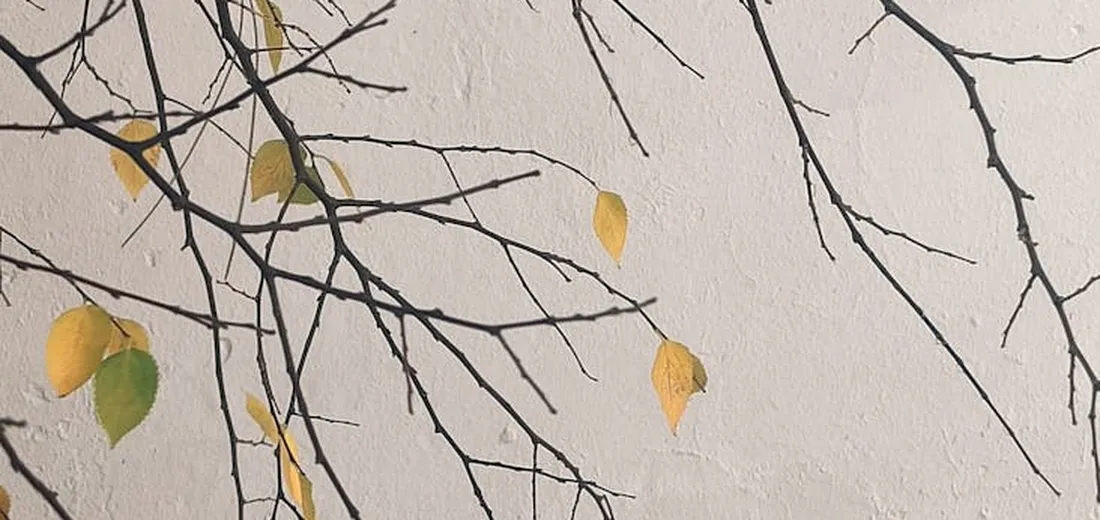
Before you start mixing up special plant food, let’s play detective. Yellow leaves can be a red herring, and I’ve learned to check these common issues first in my own collection.
- Overwatering: This is public enemy number one for houseplants. Soggy soil that smells a bit funky and stems that feel mushy are classic signs. Nutrient-deficient leaves are typically more pale and might have weird patterns, not accompanied by that tell-tale rot.
- Underwatering: A thirsty plant will often show overall wilt, with leaves turning crispy and brown at the edges before they yellow and fall. If the soil is pulling away from the pot’s edge, you’ve found your culprit.
- Pests: Grab a magnifying glass and check the undersides of leaves! Tiny spider mites, almost invisible aphids, or little scale insects can suck the life out of a leaf, causing yellow speckles or patches. I once lost a beautiful basil plant because I missed the tiny bugs hiding underneath.
- Natural Aging: Don’t panic if it’s just one or two of the oldest, lowest leaves on your plant slowly turning yellow and dropping. This is just your plant’s way of saying goodbye to its senior leaves to make energy for new growth up top. It’s a normal part of the lifecycle.
My Step-by-Step Plan to Fix Nutrient Problems
Once you’re confident it’s a nutrient issue, here is the exact process I follow to nurse my plants back to vibrant health.
-
Step 1: Confirm the Diagnosis
Look closely at *where* the yellowing is happening. Is it on new growth or old leaves? Are there any strange patterns? Then, do a quick environmental check. How long has it been since you last repotted? When did you last fertilize? This context is everything.
-
Step 2: Flush the Soil
If you suspect a fertilizer salt buildup or a nutrient lockout, flushing is your best first move. I take my plant to the sink or shower and slowly run a generous amount of room-temperature water through the soil for a few minutes, letting it drain completely. Using rainwater or distilled water for this step is a fantastic trick to avoid adding more minerals from tap water.
-
Step 3: Apply the Right Remedy
Don’t just grab any fertilizer! Match the solution to the problem. For a general, all-over yellowing, a balanced, water-soluble fertilizer is a safe bet. If you see signs of a specific deficiency, like interveinal chlorosis (yellow leaves with green veins, a classic sign of iron deficiency), seek out a supplement that targets that specific micronutrient.
-
Step 4: Adjust Your Long-Term Care
The fix isn’t a one-time event. I mark a recurring reminder on my calendar for a “plant feeding day” during the growing season (spring and summer). For most of my leafy friends, I fertilize every 4-6 weeks, and I always dilute the fertilizer to half-strength to avoid shocking their roots. Consistency with a mild solution is far better than occasional, heavy doses.
Preventing Yellow Leaves: Proactive Plant Care

I’ve learned that stopping yellow leaves before they start is much easier than fixing the problem later. Your best defense is a consistent, thoughtful care routine that anticipates your plant’s needs. A little foresight keeps your green friends vibrant and saves you from future headaches.
Always start with a quality, well-draining potting mix that’s suited to your plant type. I can’t stress this enough. Using the wrong soil is like building a house on a shaky foundation – everything else becomes a struggle. For succulents, the best soil mix can vary by type—some love an ultra-gritty, sand-based blend, while others do better with a looser, mineral-rich mix. For my tropical plants, I use a mix with peat moss and perlite, while my succulents get a gritty, sand-based blend.
Establish a light feeding schedule during the active growing season, typically spring and summer. Think of fertilizer as a vitamin supplement, not a main course; a little goes a long way. I use a diluted, balanced liquid fertilizer every 4-6 weeks for most of my houseplants and have seen much healthier growth as a result. Knowing when and how often to fertilize is crucial to plant health.
Understand your water’s pH, as tap water can slowly alter your soil’s chemistry over time. My water is quite hard, so I sometimes use filtered or rainwater for my more sensitive plants like Calatheas. This one simple change prevented the leaf tip burn I used to constantly battle.
Repot your plants every 1-2 years to refresh the soil’s nutrient content. As a rule for succulents, fertilize lightly after repotting. Use a diluted fertilizer only during the growing season. Even with fertilizing, the soil eventually becomes compacted and depleted of its original goodness. When I repot, I always see a surge of new, green growth as the roots explore their fresh, nutrient-rich home.
Special Care for Succulents and Specific Houseplants
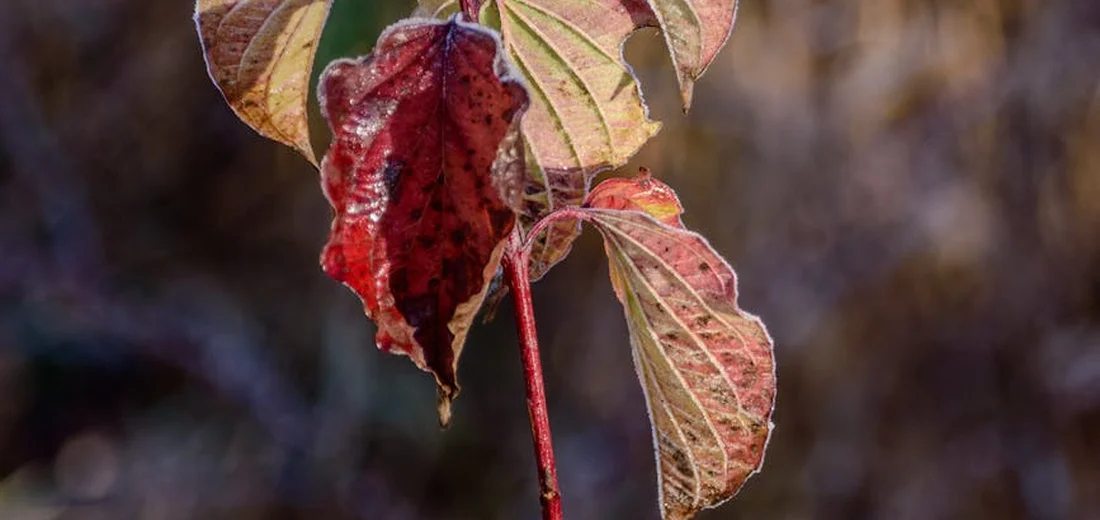
Why Succulents Are Different
Caring for succulents taught me a whole new plant language. These hardy plants are built for survival in lean conditions, so they react poorly to over-kindness, especially with fertilizer. They require far less food than your average houseplant and are extremely prone to fertilizer burn, which shows up as brown, crispy spots on the leaves. Succulents have specific needs to thrive that differ from regular plants.
The signs of a nutrient lack in succulents are subtle and easy to miss. Instead of dramatic yellowing, you might see a general paling of the normally vibrant color or a slowdown in growth. In some cases, the lower leaves may become thinner and softer, almost translucent, as the plant reabsorbs them for their stored nutrients. It’s a slow, quiet process. Recognizing these signs helps you identify common succulent nutrient deficiencies and guide the right fixes. With an accurate diagnosis, you can tailor fertilizer and care to restore health.
Common Houseplant Troubles
Some plants are just a bit more particular than others. Peace Lilies, for instance, are famously iron-sensitive. If your Peace Lily’s new leaves are turning yellow while the veins stay green, it’s likely crying out for more iron. I address this by using a fertilizer that includes micronutrients or, in a pinch, by adding a tiny bit of chelated iron to its water.
Spider Plants are another common one, often showing their displeasure with tip burn. Those brown leaf tips are frequently a sign of salt and mineral buildup from tap water or over-fertilization. My solution is to flush the soil every few months by letting water run slowly through the pot for several minutes, washing away the excess salts. For fussy plants, paying attention to these small details makes all the difference.
The Flip Side: Dangers of Too Many Nutrients

Just like us after a huge holiday meal, plants can get overwhelmed by too much of a good thing. I learned this the hard way with a fiddle leaf fig I was desperately trying to perk up. Over-fertilizing is one of the most common mistakes I see fellow plant lovers make, and the damage can show up fast. Timing is everything. The best time to fertilize indoor plants is during their active growing season, typically spring and summer.
Symptoms of Fertilizer Burn
Your plant will send clear distress signals if it’s had more nutrients than it can handle. The most classic sign is fertilizer burn. If you spot these signs of over-fertilizing, you might be over-fertilizing—here’s how to fix it. Start by flushing the soil with water to wash away excess salts, then cut back on feeding and monitor the plant’s recovery.
- Brown, Crispy Leaf Tips and Margins: It looks like someone took a tiny torch to the very edges of the leaves. They turn dry, brown, and feel crunchy to the touch.
- White Crust on Soil: A visible, chalky white or yellowish crust building up on the surface of the soil is a dead giveaway of salt and mineral buildup from fertilizer.
- Wilting Despite Wet Soil: This confused me for the longest time. The soil is damp, but the plant droops because the high salt concentration is actually pulling water *out* of the roots.
Nutrient Toxicity and Yellowing
It might seem strange, but an overload of certain nutrients can also cause yellowing, often combined with other symptoms. This yellowing from toxicity is different from the pale, all-over yellow of a deficiency. It can be more patchy or appear alongside those burnt tips.
- Stunted Growth: The plant just stops putting out new leaves. It’s too busy dealing with the chemical imbalance in its system to focus on growing.
- Leaf Drop: In a severe case, the plant might start dropping both yellow and green leaves as a survival mechanism.
My peace lily once got a heavy hand with liquid feed, and its leaves turned a sickly yellow-green before developing brown tips-a classic one-two punch of over-fertilization.
Immediate Steps for Suspected Over-Fertilization
If you spot these signs, don’t panic! You can often save your plant with quick action.
- Flush the Soil: This is the most critical step. Take your plant to the sink or bathtub and slowly run a generous amount of room-temperature water through the soil. Let it flow freely out of the drainage holes for a few minutes. This helps wash away the excess salts.
- Hold All Fertilizer: Put the fertilizer bottle away for at least a month, if not longer. Your plant needs a break to recover.
- Trim the Damage: Using clean scissors, snip off the badly burnt and crunchy parts of the leaves. This is just cosmetic, but it helps the plant look better and stops it from wasting energy on parts that can’t be saved.
- Consider Repotting: For a severe case with a lot of crusty buildup, the kindest thing might be to repot the plant in fresh, well-draining soil to give it a completely clean start.
Quick Tip: When in doubt, err on the side of under-fertilizing. Most houseplants are surprisingly resilient and can thrive with less food than the bottle recommends.
FAQs
Why do plant leaves turn yellow due to nutrient issues?
Nutrient imbalances disrupt chlorophyll production, causing leaves to yellow as a distress signal.
What are the most common nutrient deficiencies that cause yellow leaves?
Nitrogen, iron, and magnesium deficiencies are the top causes of yellowing in houseplants and succulents.
How can I distinguish nutrient deficiency yellowing from other causes?
Look for specific patterns like interveinal chlorosis or uniform yellowing, and exclude issues like overwatering first.
Are there visual guides or pictures for identifying nutrient deficiencies?
Yes, images showing patterns such as striped veins or marbled leaves can aid in diagnosing deficiencies accurately.
What symptoms indicate a specific nutrient deficiency?
Symptoms include yellowing on older leaves for nitrogen or green veins on young leaves for iron deficiency.
How can I prevent yellow leaves caused by nutrient problems?
Maintain a consistent fertilizing schedule and use well-draining soil to avoid nutrient imbalances.
Keep Your Plants Happy and Green
Remember, yellow leaves are your plant’s way of talking, and the conversation usually starts with watering habits and soil nutrients. Start by checking these three things first: your watering schedule, potential nitrogen deficiency, and whether your plant is getting enough iron.
You’ve got this! Figuring out what your plant needs is a journey, and every bit of troubleshooting makes you a better plant parent. For more tips and friendly advice, be sure to follow along with us here at Hardy House Plants.
Further Reading & Sources
- Why Plant Leaves Turn Yellow and How to Fix Them
- Chlorosis in Plants: How to Treat It | RHS Advice
- Yellow Leaves Can Indicate Plant Problems | Extension’s Greatest Hits | Illinois Extension | UIUC
- Are you sure that yellowing means nitrogen deficiency? – MSU Extension
Lena Greenfield is a passionate horticulturist and plant care expert with over 10 years of experience cultivating and nurturing hardy house plants. With a deep understanding of both indoor and outdoor gardening, Lena shares practical advice on choosing, caring for, and maintaining resilient plants that flourish year-round. Through her knowledge and hands-on approach, Lena helps plant lovers transform their spaces into vibrant, green sanctuaries, no matter their gardening experience.
Fertilization