
How to Make Succulents Grow Bigger and Plump
Are your succulents staying small when you wish they were larger and more filled out? You might be concerned that improper care is the reason they aren’t thriving as expected.
Drawing from my own gardening journey, I’ll guide you through optimal light exposure, correct watering routines, ideal soil composition, smart fertilization, beneficial pruning, and common issue troubleshooting to achieve those plump, vibrant plants.
The Right Foundation: Soil and Drainage for Plump Growth
Think of your succulent’s soil like its mattress. A soggy, dense mattress leads to a miserable, rotting plant, while a firm, airy one supports healthy, plump growth. The single biggest mistake I see is using standard potting soil, which holds far too much moisture for these desert-adapted plants.
Crafting Your Own Well-Draining Potting Mix
After losing a beautiful echeveria to root rot years ago, I stopped buying pre-made “cactus mixes” and started making my own. The control is worth the extra five minutes of effort.
My go-to, simple recipe is a 1:1:1 ratio:
- One part potting soil (as a base)
- One part coarse sand or poultry grit (for weight and drainage)
- One part perlite or pumice (for aeration and to prevent compaction)
This mix feels gritty in your hands and water runs straight through it, which is exactly what you want. When you squeeze a handful, it should crumble apart immediately instead of forming a muddy clump.
Why Drainage Holes Are Non-Negotiable
I don’t care how cute that ceramic pot without a hole is-don’t use it for succulents. It’s a death sentence. Drainage holes are your emergency release valve for excess water.
I learned this the hard way with a Haworthia I planted in a trendy, hole-less pot. Even with perfect watering, residual moisture sat at the bottom, and the roots slowly suffocated. Your succulent’s roots need to breathe almost as much as they need water, and a drainage hole guarantees they get that oxygen.
If you absolutely must use a decorative pot without a hole, keep your plant in a cheap plastic nursery pot and slip it inside the decorative one. You can easily remove it for watering and let it drain completely before putting it back.
Watering for Size: The Soak and Dry Method
Many people think succulents thrive on neglect, but that’s only half true. They thrive on *calculated* neglect. The goal isn’t to give them tiny sips frequently; it’s to mimic the desert downpours they’ve evolved for. Deep, infrequent watering encourages strong, widespread roots that support bigger, plumper leaves. Succulents store water in their leaves, and in many species also in their stems. That stored water helps them ride out dry spells between waterings.
Step-by-Step: Mastering the Soak and Dry Technique
This method is my holy grail for plumping up succulents. Forget the calendar; your plant will tell you when it’s time. Learn to recognize seasonal stress signs in succulents and respond quickly to keep them thriving. Adjust watering, light, and airflow as seasons change.
- Check for Dryness: Stick your finger an inch or two into the soil. If it’s completely dry, it’s time to water. For potted plants, you can also lift them. A dry pot feels significantly lighter than a watered one.
- Soak Thoroughly: Take your plant to the sink or outdoors. Water it slowly and evenly until you see water streaming freely out of the drainage hole. You want to saturate the entire root ball.
- Drain Completely: Let the pot sit in the sink or on a rack for at least 15-20 minutes until no more water drips out. Never let your plant sit in a saucer of water.
- Wait for the Next Signal: Return your plant to its spot and do not water again until the soil is bone dry. This cycle could be a week in summer or a month in winter.
Reading Your Plant’s Thirst Cues
Your succulent will visually tell you when it’s using up its internal water reserves. A thirsty plant is a plant ready for a big drink. Watch for common signs and symptoms such as wrinkled leaves, a softer texture, or a faded color. These cues help you tell when your succulents need water.
- Wrinkled or Shriveling Leaves: The lower, older leaves may start to look a bit puckered or soft. This is the most common sign. They’ll plump back up within a day or two after a good soak.
- Thinner Leaves: The normally fat leaves may start to look deflated or feel less firm when you give them a gentle squeeze.
Quick Tip: Underwatering is almost always easier to fix than overwatering. A wrinkled plant can be revived; a mushy, overwatered one often can’t.
Let There Be Light: Fueling Growth with Sun
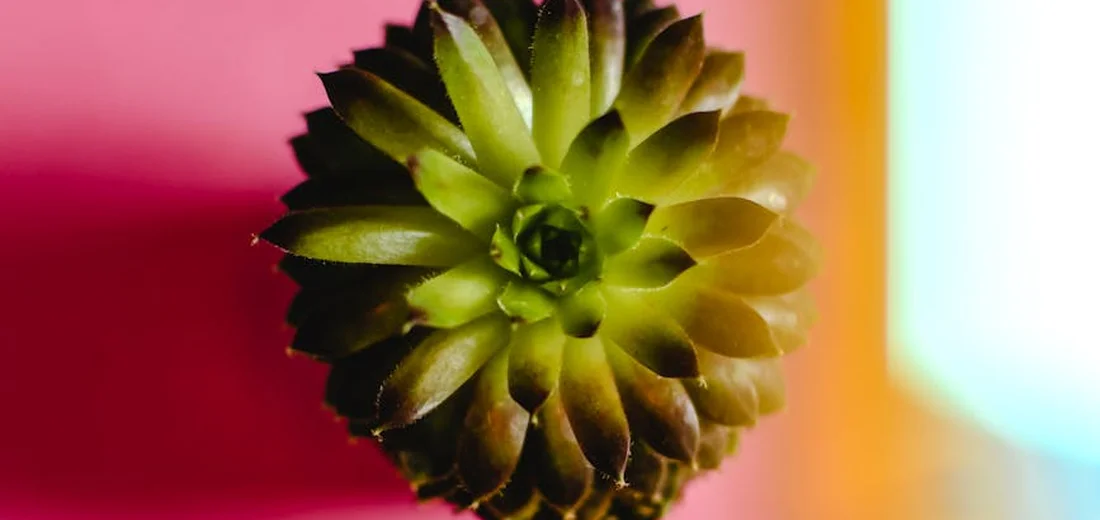
Think of sunlight as your succulent’s favorite food. Without enough of it, your plant simply can’t produce the energy it needs to grow big and plump. I’ve seen many sad, stretched-out succulents that were just crying out for more rays. To fix or prevent this, give them bright, even light—about 6–8 hours a day—and rotate the plants so growth stays compact. If natural light is limited, supplement with a grow light.
Finding the Perfect Spot for Your Succulent
Not all windows are created equal. A south-facing window is usually the gold standard, providing the most intense light throughout the day. I always recommend a south-facing window as your first stop for sun-hungry succulents like Echeverias and Sedums. East or west-facing windows can work too, but you’ll get gentler, morning or afternoon sun.
Watch your plant’s color. A happy, well-lit succulent will often develop beautiful “stressed” colors like red or purple tips. If your plant is stretching out and leaning toward the light, it’s telling you it needs more sun, immediately.
Here are the light needs for some common succulents:
- Full Sun Lovers: Echeveria, Sedum, Graptopetalum. They crave at least 6 hours of direct sun.
- Bright, Indirect Light Preferrers: Haworthia, Gasteria, some Aloes. A spot with bright light but protection from harsh afternoon sun is perfect.
- Quick Tip: Give your pot a quarter-turn every time you water. This prevents your succulent from growing lopsided as it reaches for the light.
Room to Grow: Pot Size and Repotting
A succulent stuck in a tiny pot is like a person wearing shoes three sizes too small. Giving your plant a slightly larger home is one of the fastest ways I’ve found to encourage a growth spurt. The roots need space to spread out and gather more water and nutrients.
Choose a new pot that is only 1-2 inches wider in diameter than the current one. Going too big is a common mistake; a huge pot holds too much moisture and can lead to root rot. I always, always use a pot with a drainage hole. Terracotta pots are my personal favorite because they breathe, helping the soil dry out faster.
Step-by-Step: How to Repot for Bigger Growth
- Water your succulent a day or two before repotting. This makes the roots more flexible and less prone to breakage.
- Gently tip the pot and coax the plant out. I sometimes use a chopstick through the drainage hole to help push it out.
- Loosen the root ball with your fingers. Gently teasing apart the roots encourages them to grow outward into their new space instead of staying coiled up.
- Place a layer of fresh, well-draining succulent soil in the bottom of the new pot.
- Set your plant in, fill around it with more soil, and gently firm it down.
- Wait about a week before you water. This gives any tiny root injuries a chance to heal and prevents rot.
Quick Tip: The best time to repot is at the start of your succulent’s active growing season, which is typically spring or early summer. When you repot, refresh the soil with a fresh, well-draining mix. Change the soil every 1-2 years, or whenever it has broken down and no longer drains well.
Nutritional Support: A Guide to Fertilizing
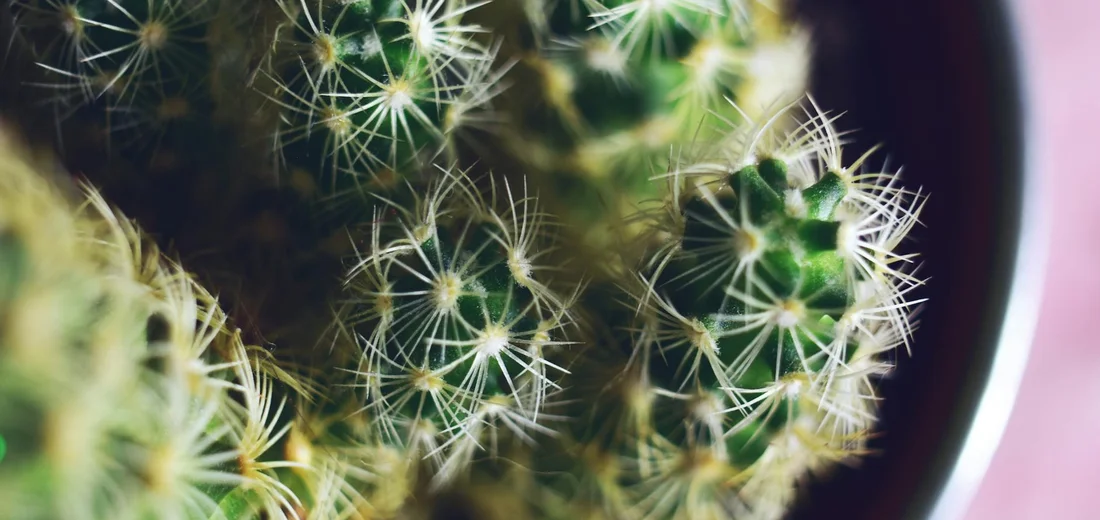
Choosing and Using a Balanced Fertilizer
Think of fertilizer as a vitamin boost, not a daily meal. I learned the hard way that over-fertilizing is the fastest way to burn those delicate succulent roots. My plants thrive on a simple, consistent routine.
I always look for a balanced, water-soluble fertilizer. A formula where the three numbers on the bottle are equal, like 5-5-5 or 10-10-10, is perfect. This provides an even mix of nutrients for steady growth without forcing a spurt that weakens the plant.
My golden rule is to dilute the fertilizer to half the strength recommended on the package. Succulents are light feeders, and a mild solution prevents root shock. I mix this weak solution and use it to water my plants. Do succulents need fertilizer? Here’s an essential guide to feeding them.
Timing is everything. I only fertilize during the active growing season, which for most succulents is spring and summer. I completely stop feeding them in the fall and winter when they are dormant. Feeding a sleeping plant just leads to nutrient buildup in the soil. For maximum growth, target the peak of the growing season with light, regular fertilizer applications. Avoid feeding when growth has slowed or the plant is dormant.
- Use a balanced, water-soluble fertilizer (look for equal NPK numbers).
- Always dilute it to half-strength to avoid root burn.
- Only fertilize during the spring and summer growing months.
- Apply the fertilizer solution to damp soil, never to dry dirt.
Apply your fertilizer to soil that is already slightly moist. Watering dry roots with fertilizer is like pouring salt on a wound-it causes stress and damage. A quick pre-watering ensures the nutrients are absorbed gently and evenly.
Ongoing Care: Pruning and Health Monitoring
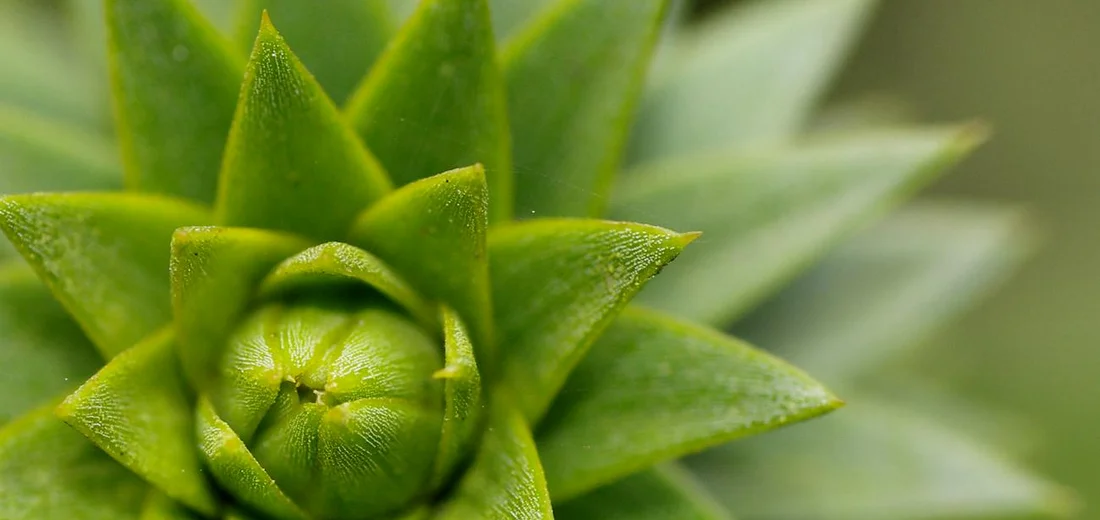
Simple Pruning for a Stronger Plant
Pruning isn’t just for looks; it’s a health treatment. By removing old or damaged leaves, you redirect the plant’s energy into pushing out new, plump growth. I keep a pair of clean, sharp scissors dedicated just for my plant care.
I start by gently removing any leaves at the very bottom of the plant that are dried up, shriveled, or yellowing. These leaves will not recover, and the plant is already trying to absorb their remaining moisture. Plucking them away helps prevent rot and pests.
If a stem gets too long and leggy, I don’t hesitate to give it a haircut. I snip it back to a point where the plant looks fuller. This encourages the stem to branch out, creating a denser, more robust plant. You can even propagate the piece you cut off to grow a whole new succulent!
- Inspect your plant for dead, yellow, or damaged leaves.
- Gently twist them off or use clean scissors to snip them at the base.
- For leggy stems, cut back to a node or a point where you want new growth to emerge.
- Always allow any fresh cuts to callous over for a day or two before watering again.
Make it a habit to gently feel your succulent’s leaves every time you water. A firm, plump leaf is a happy leaf, while a soft or mushy one often signals overwatering. Catching these issues early is the key to a long-lived, thriving plant.
Creating New Giants: Propagation for Bigger Plants

Starting a New Plant from a Leaf
One of my absolute favorite ways to get a bigger, fuller succulent collection is by propagating from leaves. It feels like pure magic every single time. You’re not just growing one plant; you’re creating an entire new generation. Propagating from a single leaf is the most cost-effective way to multiply your favorite plump succulents.
Success starts with the leaf you choose. Don’t just pluck any leaf. Look for the lower, older leaves on the plant that are still firm and healthy. Gently wiggle the leaf from side to side until it snaps cleanly off the stem. A clean break is vital-if it tears, it’s much less likely to root.
Here is the single most important step that most beginners skip:
- Place your healthy leaves in a dry, shaded spot for 1-3 days. I use a small tray on a shelf away from direct sun.
- Wait for a callus to form over the broken end. It will look like a thin, scabby film.
- Do not skip this! Planting a fresh, wet wound directly into soil is an invitation for rot.
This callusing period is non-negotiable for preventing rot and giving your leaf its best shot at life.
Once callused, lay your leaves on top of a well-draining succulent soil mix. I use a simple 50/50 blend of potting soil and perlite. Do not bury them! Mist the soil around the leaves lightly every few days, only when the soil is completely dry. The mother leaf provides all the water and nutrients the baby needs.
Be patient. In a few weeks, you’ll see tiny pink roots searching for soil and a miniature rosette forming. The key is to resist watering until the original mother leaf has shriveled up and fallen off. This means the new plant is ready to support itself. I’ve found that terracotta pots are fantastic for these new babies, as they help wick away excess moisture.
Quick Tip: Choose plump, undamaged leaves from the healthiest part of your plant for the highest success rate.
Common Questions
Do succulents grow bigger in bigger pots?
Succulents can grow bigger in a slightly larger pot that provides room for root expansion, but an excessively large pot can hold too much moisture and cause root rot. In fact, many succulents prefer to stay a bit snug in small pots. If roots begin to fill the pot, it’s a cue to repot into a size that allows a little room.
Do succulents grow bigger over time?
Yes, with proper light, watering, and care, most succulents will grow bigger and fuller over time.
Why is my succulent not getting bigger?
A succulent may not be growing bigger due to insufficient light, a pot that is too small, or a lack of essential nutrients. These issues also apply to propagating succulents. Cuttings that don’t get enough light or are kept in too-small pots may fail to root or stall in growth.
How much light do succulents need to grow bigger?
Most succulents need several hours of direct or bright, indirect sunlight daily to produce the energy required for significant growth.
How often should I water my succulent to encourage growth?
Water your succulent deeply only when the soil is completely dry to encourage strong root development and plump growth.
Do succulents have a dormant period where they stop growing?
Yes, many succulents enter a dormant period, typically in winter, where growth slows or stops and watering should be reduced.
Your Plump, Happy Succulents Await
For bigger, plumper succulents, focus on providing the right balance of intense light, deep but infrequent watering, and a gritty, well-draining soil mix. In my own collection, I’ve seen the most dramatic plumping occur when I get these three fundamentals just right.
- Bright, direct light for several hours a day.
- Thorough watering only when the soil is completely dry.
- A fast-draining potting mix with plenty of perlite or pumice.
You now have the simple, effective blueprint to help your succulents thrive. Trust your instincts, give your plants what they need, and enjoy watching them grow fuller and more beautiful with every season.
Further Reading & Sources
- Any Way to Force a Succulent to Grow Abnormally Large?
- How to Help Succulent Grow Faster: Succulent Care Guides – Succulents Box
- How to Get Big, Branchy Succulents | THE NEXT GARDENER – Thenextgardener
- r/succulents on Reddit: Do some succulents just grow “up” instead of “out” or does care play a role in their shape? Do I need a bigger pot?
Lena Greenfield is a passionate horticulturist and plant care expert with over 10 years of experience cultivating and nurturing hardy house plants. With a deep understanding of both indoor and outdoor gardening, Lena shares practical advice on choosing, caring for, and maintaining resilient plants that flourish year-round. Through her knowledge and hands-on approach, Lena helps plant lovers transform their spaces into vibrant, green sanctuaries, no matter their gardening experience.
Fertilization