
What Are the Signs of Low or High Humidity Stress in Plants?
You’ve noticed your plant looking a little off, and you’re wondering if the air in your home is to blame. Both overly dry and overly humid air can cause distinct, visible problems for your leafy friends.
In this guide, I’ll share the clear signals I’ve learned to spot after years of troubleshooting my own plant collection. We’ll cover signs of low humidity, signs of high humidity, and my favorite quick-fix solutions to get your plant back to perfect health.
How Humidity Works Inside Your Home
Think of your home’s air like a sponge. When the air is dry (low humidity), that sponge is thirsty, and it will pull moisture from anywhere it can-including your plant’s leaves. I’ve walked into rooms in winter and felt my own skin get tight; that’s the same sensation your tropical plants are feeling constantly.
Heating and air conditioning are the biggest culprits. Your furnace in winter actively removes moisture from the air, while your AC unit cools the air by pulling water vapor out of it. This creates a constant battle for your plants, forcing them to lose water faster than they can drink it up through their roots. It’s why a plant can be sitting in damp soil but still look utterly parched.
Clear Signs Your Plant Needs More Humidity
Your plants are talking to you; you just need to know their language. The most common plea for more moisture is the appearance of brown, crispy leaf tips and edges. This isn’t a disease or a pest-it’s a direct result of the dry air literally scorching the delicate leaf tissue.
Low Humidity Symptoms on Tropical Houseplants
I’ve seen this countless times with my own Fiddle Leaf Fig and Calatheas. Tropical plants evolved in steamy jungle understories, and our living rooms are a harsh substitute.
- Crispy, brown leaf tips and edges: This is the classic sign. The leaf is losing water from its edges faster than the roots can supply it.
- Yellowing leaves that drop prematurely: The plant is sacrificing older leaves to conserve water for new growth.
- New leaves are small or deformed: Without enough atmospheric moisture, a new leaf can’t unfurl and expand properly. I’ve had new Monstera leaves come in crumpled and stunted because the air was too dry.
- Bud blast (flower buds drying up and falling off): If your flowering plants like Orchids or African Violets drop their buds before they open, low humidity is a prime suspect.
- Leaf curling: Leaves will curl inward at the edges in a desperate attempt to reduce their surface area and slow water loss.
Quick Tip: Group your tropical plants together. They create their own little pocket of humid air through transpiration, helping each other out!
Low Humidity Symptoms on Succulents and Cacti
This one is trickier because these plants are built for dry air. The problem for succulents isn’t usually low humidity itself, but our reaction to it. We see a plant looking sad and assume it’s thirsty, leading to fatal overwatering. In reality, succulents also require specific temperature and humidity conditions for healthy growth. Keeping them in the right range helps prevent stress and rot.
- Shriveled, puckered leaves: This is a true sign of thirst, but check the soil first! If the soil is bone dry, it needs water. If the soil is wet and the leaves are shriveling, the roots may have rotted from overwatering, and now the plant can’t drink.
- Brown, scabby patches (corking): While some corking is normal on older stems, sudden, patchy, dry brown spots can be a sign of low humidity stress, almost like a callus.
- Stunted growth: Even desert plants need some moisture in the air to function optimally during their growing season.
- Leaves feeling softer or less plump: A healthy succulent leaf should feel firm and full of water. In consistently dry, hot air, they can lose some turgor pressure.
The key with succulents is to resist the urge to water more frequently. Instead, ensure they get a deep, thorough soak when you do water, and provide bright light to keep them metabolically active. To tell when they need water, look for signs like wrinkled or shriveling leaves and a dry, compact soil surface. Recognizing these symptoms helps you time a proper soak rather than watering on a calendar.
Warning Signals of Too Much Humidity
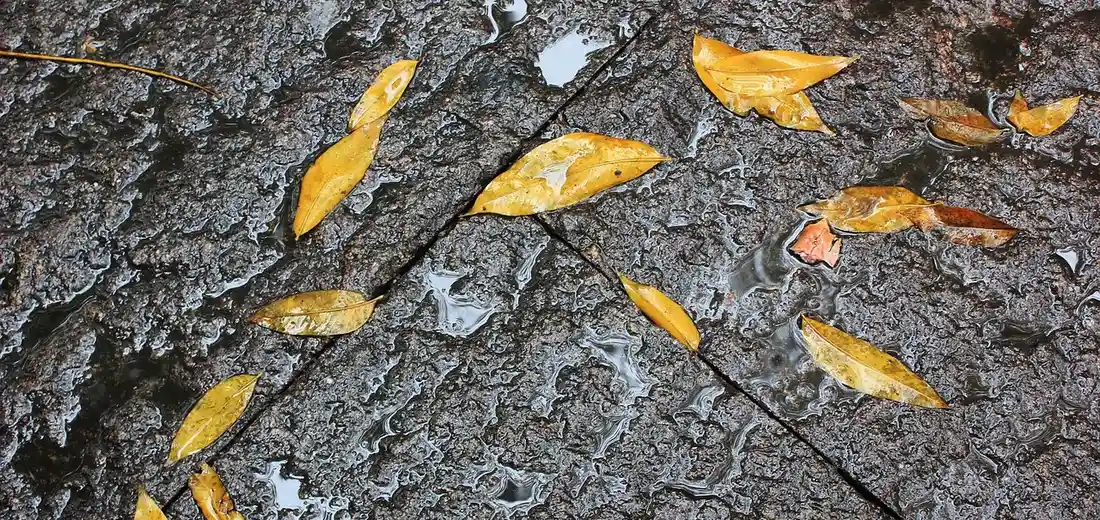
While many houseplants enjoy a little moisture in the air, too much creates a soggy, stagnant environment they can’t escape. You’ll often see the first signs of high humidity on the leaves, which act like the plant’s primary weather station.
High Humidity Symptoms on Succulents and Cacti
My succulents have taught me that they despise “wet air” almost as much as wet feet. Their plump leaves, designed to store water in arid climates, can’t handle constant atmospheric moisture. Look for leaves that feel soft, mushy, or look almost translucent, as if they’re waterlogged from the inside out. If you’re seeing wrinkly, soft, or squishy leaves, that’s a telltale sign of water stress and a signal to check your watering and drainage.
I’ve also seen succulents start to stretch out awkwardly, a condition called etiolation, but in this case, it’s often because the stem is becoming weak. A fuzzy, white or gray mold on the soil surface or the plant itself is a surefire sign the air isn’t moving enough and humidity is too high. To fix and prevent stretched succulents etiolation, ensure bright light and good air flow. Space plants apart and prune leggy growth when needed. This is a common issue I see in terrariums or tightly clustered plant shelves.
The Critical Link Between High Humidity and Root Rot
This is the most dangerous consequence of high humidity that new plant parents often miss. The air itself doesn’t rot the roots; it creates the perfect storm for it to happen. High humidity dramatically slows the rate at which water evaporates from the soil, leaving your plant’s roots sitting in wetness for far too long.
In my own collection, I’ve lost a beautiful jade plant to this. The top of the soil felt dry, but the dense, moisture-laden air meant the root ball was still a swamp weeks after watering. Roots need oxygen as much as they need water, and waterlogged soil pushes all the air out, slowly suffocating them. Once the roots rot, they can’t take up water or nutrients, which is why you’ll see symptoms of thirst (wilting, yellowing) in a pot of damp soil-a classic and confusing contradiction.
My Step-by-Step Guide to Diagnosing Humidity Stress
When a plant looks unhappy, I run through this simple checklist to see if humidity is the culprit. It takes the guesswork out of the equation. Controlling humidity is a key part of keeping healthy indoor plants. Small adjustments can make a big difference.
- Touch the Soil and the Leaves. Push your finger an inch or two into the soil. Is it sopping wet days after watering? Then feel the leaves. Are they papery and crisp (low humidity) or soft and mushy (high humidity)?
- Inspect for Unwanted Guests. Look very closely at the undersides of leaves and along stems. Spider mites love dry air and leave fine webbing, while mold and mildew spores love dampness and look like a dusting of powder.
- Check the Plant’s Location. Is your plant right next to a heating vent or in a drafty hallway? That’s a low-humidity zone. Is it in a bathroom with no window or a crowded corner with no air circulation? That’s a high-humidity trap.
- Observe New Growth. New leaves are the most sensitive. If they’re emerging small, misshapen, or with brown, crispy edges right from the start, your humidity levels are likely off.
- Confirm with a Hygrometer. For about $10, you can buy a small digital hygrometer. This tool gives you a definitive number, removing all doubt and allowing you to adjust your plant’s environment with precision. I keep one in my main plant room and it completely changed my care routine.
Simple Ways to Adjust Your Home’s Humidity
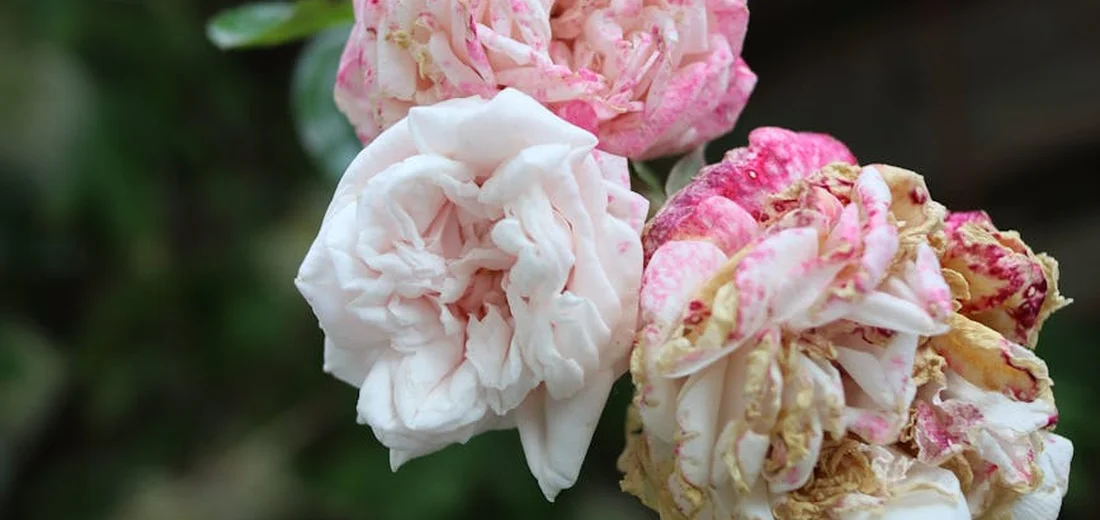
You don’t need an expensive gadget collection to create a happier environment for your plants. I’ve found that a few household items and slight routine changes can make a world of difference for humidity-loving plants. You can apply these tips to balance humidity and improve air circulation in a small terrarium or greenhouse. With simple adjustments, your plants will thrive in a healthier, more stable environment.
Quick Fixes for a Dry Environment
If your air is too dry, these are my go-to solutions that work quickly and don’t cost much.
- The Pebble Tray Method: This is my number one recommendation for a targeted humidity boost. Fill a shallow tray with pebbles, add water until it’s just below the top of the stones, and place your plant pot on top. The evaporating water creates a lovely little humid microclimate right where your plant needs it most.
- Group Your Plants: I always group my tropical plants together. They release moisture through their leaves in a process called transpiration, and when they’re clustered, they create their own communal spa day. It’s a simple trick that makes the air around them noticeably more moist.
- Misting with Care: A fine spray of water on the leaves provides a temporary humidity lift. I use this for my ferns, but I do it in the morning so the leaves dry before evening. This prevents moisture from sitting on the foliage overnight, which can invite fungal issues.
- Relocate to Humid Rooms: Your bathroom or kitchen often has higher humidity levels from showers and cooking. If you have a plant struggling with dry air, moving it to one of these rooms for a few days can be a quick rescue mission.
Helping Your Plant Recover and Thrive
Once you’ve adjusted the humidity, your plant needs a little TLC to bounce back. Patience is key here, as plants recover on their own schedule.
First, assess any damage and give the plant a gentle trim. Use clean, sharp scissors to snip off any completely brown, crispy leaves or leaf tips. This helps the plant focus its energy on pushing out fresh, healthy growth instead of trying to save parts that are too far gone.
Stick to a consistent watering routine that matches the new humidity level. In higher humidity, soil will take longer to dry out, so you might need to water less frequently. In drier air, you may need to water a bit more often. Always check the soil with your finger first-it’s the most reliable method I know.
Hold off on fertilizing while the plant is in recovery mode. Fertilizer can stress a plant that’s already working hard to heal, so wait until you see signs of new, stable growth before you feed it again.
Finally, keep a watchful eye on your plant. New growth is the ultimate sign that your plant has forgiven the humidity stress and is ready to thrive again. Celebrate those tiny new leaves-they mean you’re on the right track! And if you notice that your plant isn’t recovering, be sure to know when it’s beyond saving.
FAQs
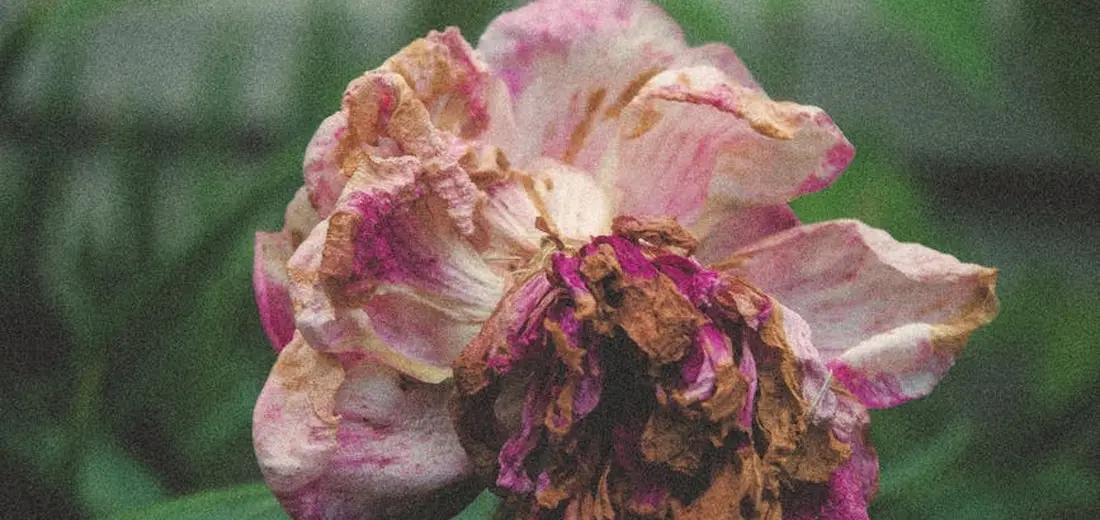
How does high humidity affect plant transpiration?
High humidity slows plant transpiration by reducing the evaporation of water from leaves, which can hinder nutrient uptake and lead to waterlogged conditions.
What symptoms indicate humidity stress in houseplants?
Symptoms include brown, crispy leaf tips from low humidity and mold growth or soft, mushy leaves from high humidity.
How can you measure humidity stress indoors?
You can measure humidity stress by using a hygrometer to check air moisture levels and observing signs like leaf curling or discoloration on plants. These are essential tools for plant health monitoring tools. Regular checks with a hygrometer, soil moisture meter, and thermometer help you catch issues early and support healthy growth.
What management strategies reduce humidity stress in indoor plants?
Strategies include using pebble trays or grouping plants to raise humidity and improving ventilation or using a dehumidifier to lower it. This helps you create the perfect microclimate for your indoor plants.
What is the role of leaf curling in humidity stress?
Leaf curling helps plants conserve water by reducing surface area in low-humidity conditions to minimize moisture loss.
How does low humidity compare to high humidity stress in plants?
Low humidity causes dehydration and crispy leaf damage, while high humidity increases the risk of fungal infections and root rot due to poor air circulation.
Your Quick Guide to Plant Humidity Health
From my years of tending to houseplants and succulents, I’ve learned that the secret to avoiding humidity stress is simple: observe your plants closely and make small, timely changes to their environment. This is especially important when you notice seasonal stress signs in succulents.
- Low humidity shows as crispy leaf tips or drooping-boost moisture with a pebble tray or group plants together.
- High humidity causes mold or soft leaves-increase air circulation or relocate to a drier spot.
- Check soil and leaves weekly to catch issues early and keep your green friends happy.
Now you have the tools to confidently care for your plants and help them flourish. Trust your instincts, give them a little extra attention, and enjoy watching them thrive right before your eyes!
Further Reading & Sources
- High & Low Humidity Symptoms in Plants – How to Prevent It?
- Plant Stress Signs and Preventatives – Botanicare
- Temperature and humidity guide for houseplants
- Plant Moisture Stress – Symptoms and Solutions | Rollitup
Lena Greenfield is a passionate horticulturist and plant care expert with over 10 years of experience cultivating and nurturing hardy house plants. With a deep understanding of both indoor and outdoor gardening, Lena shares practical advice on choosing, caring for, and maintaining resilient plants that flourish year-round. Through her knowledge and hands-on approach, Lena helps plant lovers transform their spaces into vibrant, green sanctuaries, no matter their gardening experience.
Stress Symptoms