
Why Are My Succulent Leaves Wrinkly, Soft, or Squishy?
Published on: February 20, 2026 | Last Updated: February 20, 2026
Written By: Lena Greenfield
You’ve noticed your succulent’s plump leaves are suddenly looking wrinkled, soft, or even a bit squishy, and it’s completely natural to worry. The good news is that this is your plant’s clear way of communicating, and I’m here to help you understand exactly what it’s trying to say.
In this guide, I’ll walk you through the common culprits based on my years of collecting succulents, covering overwatering, underwatering, and natural aging so you can pinpoint the problem and get your plant back to perfect health.
Decoding Your Succulent’s SOS: Wrinkled vs. Squishy Leaves
Learning to read your plant’s leaves is like learning a new language. Wrinkled leaves are typically a sign of thirst, while soft, squishy leaves are a classic symptom of too much water. I’ve learned this the hard way after years of collecting succulents.
A wrinkled leaf will feel thin and papery, and the plant will look deflated overall. Think of it like a raisin-it’s lost its internal water pressure. A squishy leaf, on the other hand, feels like a waterlogged sponge and may appear translucent or yellow.
The Primary Culprits: Overwatering and Underwatering
Nearly every issue with succulent texture boils down to one thing: water. Getting the watering right is the single most important skill for a succulent parent. It’s a dance, and you’ll learn the steps with a little practice.
Overwatering: The Silent Killer
This is the most common mistake I see, and it’s the one I made most often when I started. Overwatering doesn’t just mean giving it too much water at once; it means the soil stays wet for too long. The roots literally drown and begin to rot, unable to deliver water or nutrients to the leaves.
You might notice these signs:
- Leaves feel mushy and soft, especially at the base.
- Leaves turn yellow or almost translucent.
- The stem may become black or brown and feel soft.
- The plant looks unstable and might drop leaves at a slight touch.
Quick Tip: If the soil is still damp a few days after watering, your pot might not have enough drainage, or the soil is too dense. The fix is urgent. You need to take the plant out of its pot, remove all the wet soil, and cut away any black, mushy roots with a sterile knife. Let it dry out for a day or two before repotting in fresh, dry, gritty mix.
Underwatering: A Cry for Help
While less immediately fatal, chronic thirst will stress your plant. An underwatered succulent is using up the water reserves stored in its leaves, causing them to shrivel and wrinkle. The entire plant might look a bit deflated and less plump.
Look for these clues:
- Lower, older leaves wrinkle and dry out first.
- Leaves feel thin and flexible, not firm.
- The soil is bone-dry and may have pulled away from the edges of the pot.
- The plant’s growth may have slowed or stopped completely.
The good news is this is an easy problem to solve. Give your plant a thorough, deep watering until water runs freely out of the drainage hole. Don’t just sprinkle the surface. I like to place my pots in a sink or tray, water them thoroughly, and let them sit for about 30 minutes to ensure the roots have had a good drink before draining the excess completely. You should see the leaves plump back up within a day or two.
Beyond Water: Other Reasons for Leaf Distress
Poor Drainage and Soil Issues
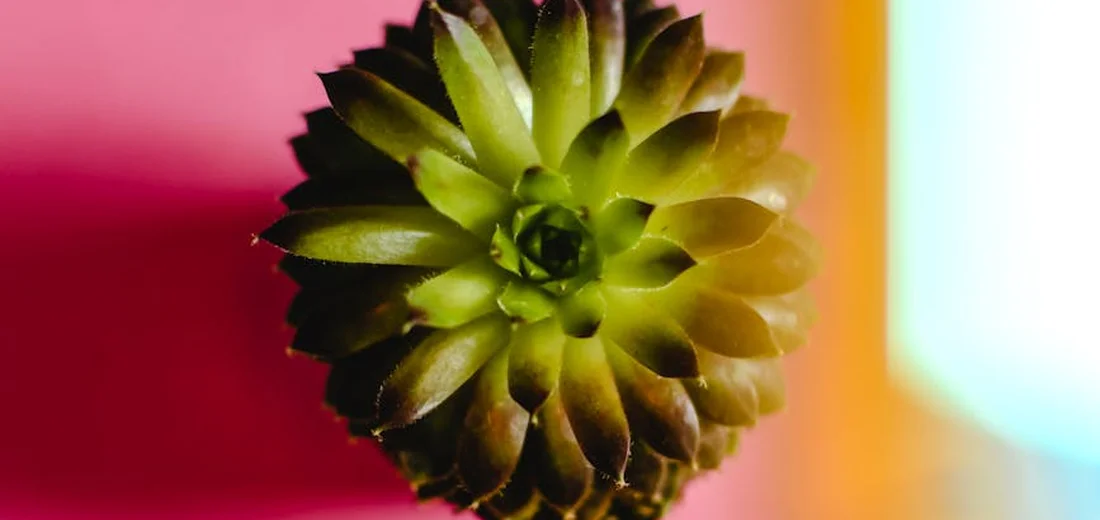
Sometimes, the problem isn’t just the water you pour in, but the home your succulent lives in. I’ve learned this the hard way after a beautiful echeveria of mine started getting mushy despite my careful watering schedule. The culprit was the soil holding onto moisture like a sponge, slowly suffocating the roots. Regular potting soil is a death sentence for most succulents because it’s too dense and rich. That’s a classic example of a common succulent watering mistake to avoid. To prevent this, switch to a fast-draining mix and water only when the soil is dry.
Your succulent’s soil should be gritty and fast-draining, mimicking its natural, rocky habitat. A tell-tale sign of poor drainage is soil that stays wet for days after watering or water that pools on the surface before soaking in. If your pot feels heavy long after you’ve watered, that’s a major red flag for poor drainage. The right soil mix feels coarse and contains ingredients like perlite, pumice, or coarse sand to create air pockets. If you still notice moisture lingering after watering, those are common soil problems you can fix. You can correct them by improving drainage with gritty amendments like perlite, pumice, or coarse sand, or by repotting into a fast-draining mix.
Environmental Stress: Light and Temperature
Succulents are sun worshippers, but they can get stressed by the wrong kind of light. Too little light causes them to stretch out and become weak, making their leaves more prone to issues like softness. That stretched growth is exactly what people mean by leggy. To fix it, provide more light—either move to a brighter spot or supplement with a grow light—and prune stretched stems to encourage compact new growth. Insufficient light forces the plant to use its internal water reserves inefficiently, leading to weak, sometimes wrinkled growth. On the flip side, a sudden blast of intense, direct sun can literally cook the leaves, causing sunburn that appears as bleached, crispy, or squishy patches.
Temperature plays a role, too. A cold draft from a window in winter can shock the plant, while extreme heat next to a hot window can accelerate moisture loss. I always check if a wrinkly plant has been recently moved or is sitting in a new spot with different temperature conditions. Consistency is key for these resilient but sensitive plants.
Your Step-by-Step Diagnosis and Rescue Plan
When you see a sad, wrinkly leaf, don’t panic. Follow this simple plan to figure out what’s wrong and how to fix it.
Step 1: The Soil and Root Check
This is the most important step. Gently tip the plant out of its pot to get a real look at what’s happening below the surface.
- Feel the Soil: Is it sopping wet, bone dry, or just damp?
- Inspect the Roots: Healthy roots are firm and white or light tan. Gently brush away the soil to see them clearly. Rotted roots will be dark brown or black, mushy, and might fall apart when touched. They often have a musty, unpleasant smell.
- Check the Stem: Look at the base of the plant, right at the soil line. Is it firm, or is it discolored and soft? A soft stem often means the rot has spread from the roots upwards.
Step 2: Treat Based on Your Findings
Your investigation from Step 1 will tell you exactly what to do next.
- If the soil is wet and roots are rotten: This is an emergency. You must act fast. Remove all the old, wet soil. Using clean, sharp scissors, cut away every single soft, rotten root and any mushy parts of the stem or leaves. Be ruthless here-any rot left behind will spread. Let the plant sit out in a shady, airy spot for a few days so the cuts can callous over completely before repotting.
- If the soil is bone dry and roots are dry/brittle: Your plant is severely underwatered. Give it a thorough “bottom watering.” Place the pot in a shallow dish of water and let the soil soak up moisture from the bottom for about 30-45 minutes. This method encourages the roots to grow downward in search of water, making for a stronger plant.
- If the soil and roots seem okay: The issue might be environmental. Adjust its light exposure-more bright, indirect light is usually the answer. Consider if it needs a soil refresh into a grittier mix.
Step 3: Post-Treatment Care and Monitoring
After you’ve taken action, your plant needs a gentle recovery period.
- For a repotted plant (after rot): Do not water it for at least a week after repotting. This gives the roots time to heal in their new, dry home. Place it in bright, indirect light and resist the urge to fuss over it. Wait until you see signs of new growth before you resume a normal watering routine.
- For a rehydrated plant: The leaves should plump up within a few days to a week. Don’t water it again until the soil is completely dry. Going forward, water deeply but less frequently.
- Keep a close eye: Watch for new growth, which is the best sign of recovery. If the problem continues or spreads to other leaves, you may need to reassess its light or soil situation.
Long-Term Prevention: Keeping Leaves Plump and Happy
Once you’ve corrected the immediate problem, the real goal is to stop it from ever happening again. Consistency is your secret weapon for keeping those succulent leaves firm and full of life. I’ve found that building a simple, reliable routine is far more effective than any dramatic rescue mission.
Mastering the “Soak and Dry” Watering Method
Forget watering on a schedule. The “soak and dry” method mimics the desert downpours succulents are built for. I water my succulents only when the soil is completely dry from top to bottom, which I confirm by sticking a wooden chopstick deep into the pot. If it comes out clean, it’s time for a drink. This approach is a key point in our complete guide on how often to water succulents, which emphasizes moisture-based decisions over fixed calendars. By following soak-and-dry, you tailor watering to each plant’s needs rather than the clock.
Here’s my simple process:
- Take your plant to the sink or a spot where water can flow freely from the drainage hole.
- Water the soil surface slowly and thoroughly until you see a steady stream running out the bottom.
- Let the pot drain completely before placing it back in its decorative cover or saucer.
- Now, ignore it! Do not water again until the soil is bone-dry.
This cycle of a deep drink followed by a period of drought encourages strong, water-seeking roots and prevents the dreaded squishy leaf syndrome.
Building the Perfect Home: Soil and Pot Selection
Your succulent’s pot and soil are its foundation. Using a gritty, fast-draining soil mix is non-negotiable for long-term succulent health; regular potting soil holds too much moisture and will suffocate the roots. I make my own blend with two parts potting soil to one part perlite and one part coarse sand. This approach fits within our complete guide on sand succulent soil mixes. In that guide, we’ll cover choosing sands, particle sizes, and mixing ratios for different succulents.
Your pot choice is just as critical. Here are the options I recommend:
- Terra Cotta Pots: My personal favorite. They are porous, which allows the soil to dry out evenly and helps prevent overwatering.
- Ceramic Pots with a Drainage Hole: A great choice if you want more color and style, as long as that hole at the bottom is present.
- Nursery Pots: The simple, plastic pots plants come in. They work perfectly. I often keep my succulents in these and just slip them inside a prettier cachepot.
Quick Tip: Always choose a pot with a drainage hole. It’s the easiest way to avoid waterlogged soil and root rot. If you fall in love with a pot without one, use it as a decorative outer sleeve instead of planting directly into it.
Finding the Sweet Spot for Light and Warmth
Light fuels your succulent’s ability to use the water you give it. Providing several hours of bright, indirect light each day ensures your plant can efficiently process water and nutrients, keeping its metabolism and leaf structure strong. Knowing how much light different succulents need is key to their health. A sun-starved succulent is a weak succulent.
I keep most of my collection on a south or east-facing windowsill where they get plenty of morning sun. Watch for these signs to know if your light is right:
- Not Enough Light: The plant starts to “stretch” or become leggy as it reaches for a light source. The color may also fade.
- Too Much Direct, Hot Sun: Leaves can get sunburned, showing brown or white scorched spots. Some varieties, like Haworthias, prefer bright indirect light over harsh afternoon sun.
As for temperature, most succulents are happy with the same comfortable temperatures we are. Most succulents have an optimal temperature range, usually around typical room temperatures. Staying within that range helps them thrive and minimizes stress from temperature swings. Just keep them away from cold drafts in the winter and away from hot radiator blasts, as extreme temperature swings can cause stress.
Common Questions
What causes wrinkled succulent leaves?
The most common cause is the plant using its internal water reserves due to underwatering.
What do Reddit users say about wrinkled succulent leaves?
Many users on plant forums advise first checking the roots and soil moisture before adjusting your watering routine.
Why are wrinkled succulent leaves turning yellow?
Yellowing alongside wrinkles can indicate the plant is both overwatered and suffering from root rot.
How does watering affect wrinkled succulent leaves?
Inconsistent watering, either too much or too little, disrupts the plant’s ability to maintain turgor pressure in its leaves.
What treatments exist for wrinkled succulent leaves?
Treatment depends on the cause, ranging from a deep soak for underwatering to repotting in dry soil for overwatering.
Why are wrinkled succulent leaves after watering?
If leaves remain wrinkled after watering, the roots may be damaged or dead and can no longer absorb moisture.
Your Succulent Success Starts Here
In my experience, the quickest fix for wrinkly or soft succulent leaves is to check your watering habits and adjust based on the plant’s signals. Consistent, mindful watering tailored to your home’s environment is the cornerstone of happy, healthy succulents. Remember these core actions: assess soil moisture before watering, ensure pots have drainage holes, and place plants in bright, indirect light. Additionally, using proper bottom watering techniques can be particularly beneficial for succulents.
I’ve seen countless succulents bounce back with simple care adjustments, so trust that you can do this too. For ongoing support and fresh tips, bookmark our site and visit often – your plant parenting journey is full of rewarding moments ahead. For those who have just propagated succulents, our care guide for newly propagated succulents aftercare walks you through rooting, watering schedules, and light needs. Keep this guide handy as your plants establish.
Further Reading & Sources
- Common Problems and Issues of Succulents | Yard and Garden
- r/succulents on Reddit: I’m not sure what’s causing my little guy to get wrinkly 🙁
- Why are My Succulent Leaves Shriveling? By ourhouseplants.com
- Are You Overwatering or Underwatering Succulent | THE NEXT GARDENER – Thenextgardener
Lena Greenfield is a passionate horticulturist and plant care expert with over 10 years of experience cultivating and nurturing hardy house plants. With a deep understanding of both indoor and outdoor gardening, Lena shares practical advice on choosing, caring for, and maintaining resilient plants that flourish year-round. Through her knowledge and hands-on approach, Lena helps plant lovers transform their spaces into vibrant, green sanctuaries, no matter their gardening experience.
Stress Symptoms