
How Often to Water Succulents in Winter vs. Summer
Published on: May 10, 2026 | Last Updated: May 10, 2026
Written By: Lena Greenfield
You’re probably wondering if your succulent needs a drink right now or if you should hold off-it’s the number one question I get from fellow plant lovers. Getting the watering right is the single most important thing you can do to keep your succulents from turning to mush or shriveling up.
I’ve learned this through years of trial and error with my own collection, and I’m going to break down the exact seasonal shifts your watering routine needs. We’ll cover the key differences between summer and winter care, how to check if your plant is thirsty, and my simple seasonal watering schedule.
Why Your Succulent’s Thirst Changes with the Seasons
Your succulent isn’t being fussy; it’s responding to its environment just like it would in the wild. The amount of light, temperature, and the plant’s own growth cycle are the three big reasons your watering schedule needs to shift. In my own collection, I see this play out every single year.
Summer brings longer, brighter days. Your succulent is actively growing, stretching its roots, and sometimes even flowering. It’s using water much faster. Think of it like a person on a summer hike—they need to drink constantly to keep up their energy. That bloom is part of a natural flowering cycle. Understanding when and why succulents bloom helps you tailor care through it.
Winter is the complete opposite. The days are shorter and the light is weaker. Many succulents enter a period of dormancy, a kind of hibernation where their growth nearly stops. They simply aren’t doing enough to warrant a big drink. Watering them on a summer schedule in winter is the fastest way to cause root rot. Winter dormancy means a rest period with less water. In many species, summer dormancy occurs for different reasons—heat and drought—so care changes with the season.
Temperature also plays a huge role. Warm soil helps water evaporate from the pot and the plant itself. Cool, damp soil in a chilly room stays wet for what feels like forever. I’ve learned to always feel the weight of the pot before I even think about watering in the winter.
The Soak and Dry Method: Your Year-Round Watering Foundation
No matter the season, the “Soak and Dry” method is the golden rule for succulent care. This technique mimics the natural desert rains they’ve evolved to love: a heavy downpour followed by a long period of drought. It’s the single best habit I’ve adopted to keep my plants thriving.
You’ll use this method all year, but the time between “soaks” will stretch much longer in the winter. It’s all about training yourself to water based on the plant’s needs, not the day of the week.
Step-by-Step Guide to Soak and Dry Watering
- Check the Soil: Stick your finger about two inches into the soil. If it feels completely dry and crumbly, it’s time to water. If you feel any dampness or coolness, wait.
- Bring it to the Sink: Always water your succulent at the sink. This prevents mess and ensures you can give it a proper, thorough soak.
- Water Deeply and Evenly: Turn on the tap and gently water the soil surface. Continue until you see water flowing freely out of the drainage hole at the bottom of the pot. Don’t just sprinkle the top!
- Let it Drain Completely: Leave your plant in the sink or on a draining rack for at least 15-20 minutes. Let all the excess water drip out. A succulent should never sit in a saucer of water.
- Return to its Spot: Once it’s fully drained, you can place your happy, hydrated succulent back in its sunny home. Now, you forget about it until the soil is bone-dry again.
Quick Tip: A pot with a drainage hole is non-negotiable for this method to work. If your decorative pot doesn’t have one, plant your succulent in a simple plastic nursery pot and then slip it inside the decorative one. You can easily take the inner pot out for watering.
Watering Succulents in Summer: Nurturing Active Growth
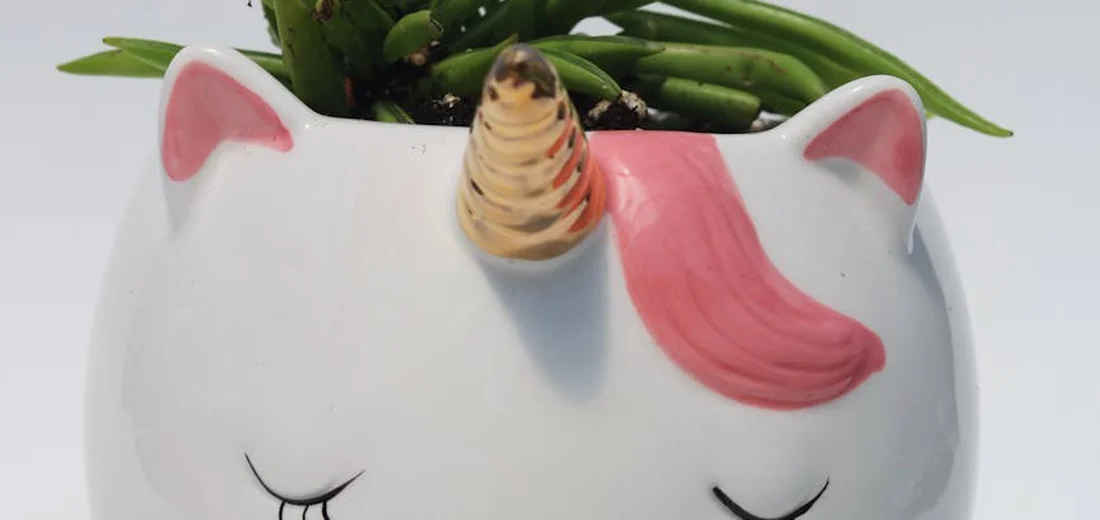
Summer is when your succulents are in their prime, actively growing and often even flowering. I’ve found that increasing water frequency during these warm, bright months directly supports this growth spurt and keeps plants from becoming stressed. The hotter temperatures and stronger sunlight cause the soil to dry out much faster than in other seasons. It’s essential to take extra care of them during this time.
Summer Watering Frequency for Common Succulents
Over the years, I’ve kept a simple journal to track how my different succulents respond to summer care. This hands-on tracking taught me that a one-size-fits-all approach doesn’t work, even during the growing season. Here’s a quick guide based on what has consistently worked for my collection. That means adjusting care as the seasons change, not just during the growing months. A seasonal care guide helps tailor watering, light, and protection through the year.
| Succulent Type | Typical Summer Watering Frequency | My Personal Tip |
|---|---|---|
| Echeveria | Every 7-10 days | Water only when the top inch of soil is completely dry. |
| Jade Plant | Every 10-14 days | Wait for the leaves to feel slightly soft, not firm. |
| Aloe Vera | Every 2-3 weeks | These are thirstier; water when soil is dry halfway down the pot. |
| Haworthia | Every 2 weeks | They prefer less frequent drinks than Echeverias. |
| Sedum | Every 7-10 days | Excellent drainage is non-negotiable for these. |
Your specific environment is the real boss. If your succulents live in a hot, sunny window or outdoors, they might need water more often than a plant in a cooler, shadier spot. Always trust the soil and the plant’s appearance over a rigid calendar schedule, especially when considering how to water indoor vs. outdoor succulents.
Watering Succulents in Winter: Embracing the Dormant Phase
Winter is a time of rest for most succulents, and their water needs drop dramatically. I learned this the hard way after losing a beautiful Echeveria to root rot one chilly winter; it taught me that less is truly more during this season. Understanding dormancy periods and seasonal growth cycles helps guide watering and light needs throughout the year. It’s all part of giving plants the rest they require to thrive come spring. The combination of cooler temperatures and lower light levels means the soil stays wet for much, much longer.
Your goal is to give them just enough water to prevent their roots from completely drying out and the leaves from shriveling excessively. Think of it as providing sips of water instead of full drinks to keep them ticking over until spring.
Winter Watering Checks and Adjustments
During winter, I completely change my approach from a schedule to a system of checks. The most reliable method I use is the “taco test” for fleshy-leaved varieties like Echeverias-if you can gently fold a leaf like a taco, it’s time for a small drink.
- Check the soil moisture first. It should be bone dry all the way to the bottom of the pot.
- Look for visual cues on the plant itself, like slight puckering or wrinkling on the lower leaves.
- Reduce your summer watering frequency by half or even more. A plant watered every two weeks in summer might only need water once a month or even every 6-8 weeks in winter.
- Water sparingly. Instead of a full soak, I often give my plants just a few tablespoons of water, ensuring it doesn’t pool at the bottom.
- Always water in the morning on a relatively bright day. This gives any accidental moisture on the leaves a chance to evaporate.
Succulents are built to handle drought, and a little underwatering in winter is far safer than the alternative. When in doubt during the cold months, wait another week before watering; your patience will almost always be rewarded with a healthy plant. Many longer-lived succulents store water in their tissues, letting them endure extended dry spells. This is why they can survive without frequent watering.
Spotting Trouble: Signs of Overwatering vs. Underwatering
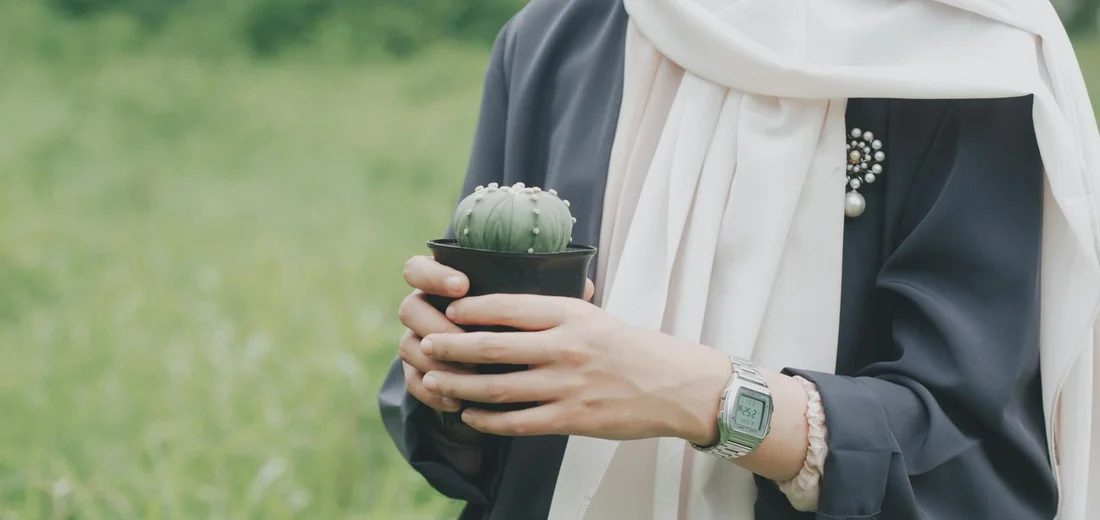
Getting the watering right is the single most important skill for a succulent parent, and I’ve learned the hard way that the signs can be confusing. Your succulent will tell you everything you need to know if you know what to look for. Look for telltale signs that it needs water—wrinkled leaves, a softer or shriveled feel, or a lighter-weight pot. With practice, you’ll be able to tell when your succulents need water by these symptoms.
Classic Signs of Overwatering
This is the most common killer of succulents, especially in winter. I’ve lost a beautiful echeveria to this exact mistake. In many cases, the problem is a pest or disease—common culprits include mealybugs and root rot—and they can be treated if detected early. Treatments range from targeted insecticides or soaps for pests to adjusting watering and improving drainage for rot.
- Yellow, translucent leaves: The leaves look sickly and feel soft or mushy, like an overripe peach.
- Leaf drop: Healthy, plump leaves fall off at the slightest touch.
- Black or brown stem: The base of the plant turns dark and feels soft, a sure sign of rot.
- A constantly wet soil feel: The potting mix never seems to dry out.
Clear Signs of Underwatering
This is much easier to fix than overwatering! Your plant is simply asking for a drink.
- Wrinkled, shriveled leaves: The leaves look deflated and feel thin and papery.
- Flat leaves: Instead of being plump and firm, the leaves look concave or folded.
- Brown, crispy tips: The very ends of the leaves dry out and turn brown.
- Slow growth: The plant seems to have completely stopped putting out new leaves.
Quick Tip: When in doubt, wait it out. A thirsty succulent can recover in days, but a rotted one often can’t be saved. Root rot is usually caused by overwatering or poor drainage, so understanding the causes helps you apply the right treatment to save the plant. If you catch it early, you can remove affected roots and adjust watering and soil to prevent recurrence.
Simplifying Care with a Soil Moisture Meter
If you’re tired of second-guessing yourself, a soil moisture meter is your new best friend. I started using one years ago, and it completely eliminated my guesswork.
This simple tool takes the stress out of watering by giving you a clear, numerical reading of what’s happening at the root level. No more poking your finger in the soil and hoping you’re right.
How to Use a Moisture Meter Correctly
- Gently insert the probe deep into the soil, close to the plant’s stem but avoiding major roots.
- Wait 30-60 seconds for the reading to stabilize.
- Check the meter’s scale. For most succulents, you only want to water when the meter reads completely dry (typically a “1” on a 1-10 scale).
- Wipe the probe clean after each use to keep it accurate.
Why I Trust My Meter
The top of the soil can feel bone dry, but the bottom of the pot might still be holding moisture. A moisture meter reveals this hidden dampness, preventing you from accidentally overwatering a plant that’s still wet at the roots. It’s the most reliable way to know exactly what your plant is experiencing down where it counts.
Quick Tip: For a few dollars, a moisture meter is the best investment you can make for your plant’s long-term health.
FAQs
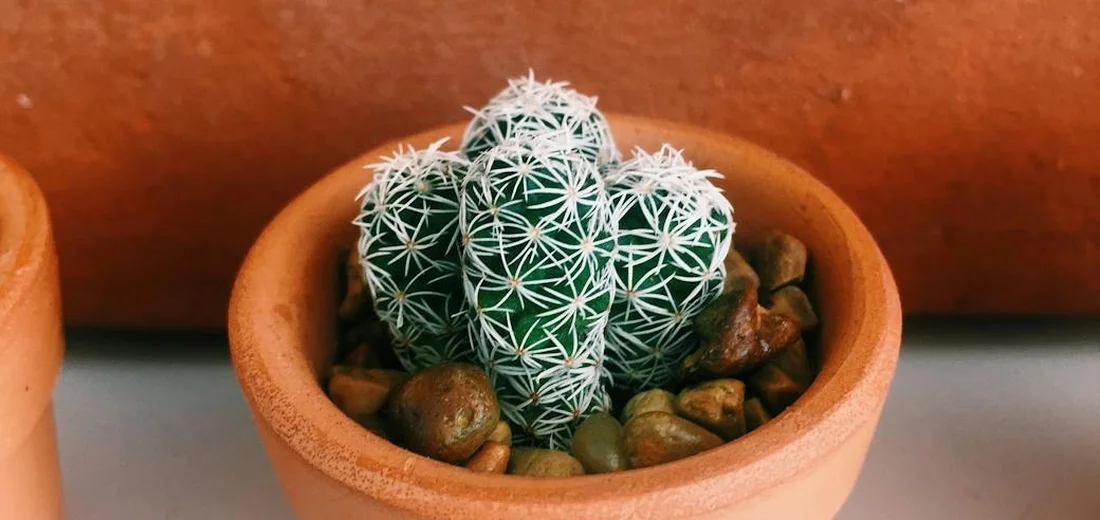
How can I tell if my succulent is dormant in winter?
Look for signs like no new growth and leaves that remain firm but don’t plump up after watering.
Is it safe to water succulents with tap water?
Yes, but use room-temperature water and avoid softened water high in salts, which can harm the roots.
How does pot material affect watering frequency?
Porous pots like terracotta dry out soil faster than plastic, requiring more frequent watering in active seasons.
Should I adjust watering for succulents in humid climates?
In high humidity, water less often as moisture evaporates slowly, while dry climates may need more frequent checks.
What is the best time of day to water succulents in summer?
Water in the early morning to reduce evaporation loss and allow leaves to dry before evening, preventing rot.
How long can succulents go without water in winter?
Many can survive 4-6 weeks without water in winter, but always check soil and plant cues to avoid dehydration.
Your Seasonal Succulent Watering Plan
In my years of growing succulents, I’ve found that the golden rule is to water less in winter and more in summer, always letting the soil guide you.
- Winter: Water only when soil is bone-dry, sometimes just once a month.
- Summer: Water when the top inch of soil feels dry, usually every 1-2 weeks.
- Stick your finger in the soil-it’s the best moisture test!
Trust your instincts and these tips-I’ve seen countless plants thrive with this approach, and yours will too as you nurture them through the seasons.
Further Reading & Sources
- How Often Should I Water my Succulents in Winter Season? | Harddy Frequently Asked Succulent & Cactus Questions blog
- How to Water Succulents ‘Care & Growing Guide’ | Planet Desert
- Caring for Succulents in Winter | Succulents and Sunshine
- A Complete Guide to Watering Succulents Indoors (2025)
Lena Greenfield is a passionate horticulturist and plant care expert with over 10 years of experience cultivating and nurturing hardy house plants. With a deep understanding of both indoor and outdoor gardening, Lena shares practical advice on choosing, caring for, and maintaining resilient plants that flourish year-round. Through her knowledge and hands-on approach, Lena helps plant lovers transform their spaces into vibrant, green sanctuaries, no matter their gardening experience.
Watering Practices