
Succulent Dormancy Periods: Your Guide to Seasonal Care
Published on: March 7, 2026 | Last Updated: March 7, 2026
Written By: Lena Greenfield
If your favorite succulent suddenly seems to have stopped growing, you might worry you’ve done something wrong. The truth is, it’s probably just taking a seasonal nap, and understanding this cycle is the key to keeping it thriving year-round.
In this guide, I’ll share my experience to help you master your plant’s natural rhythm, covering how to spot dormancy signs, adjust your watering and feeding for each season, and use the rest period to make your plant even stronger.
What is Succulent Dormancy and Why It Matters
Think of succulent dormancy as a long, cozy nap. This is a natural rest period where your plant dramatically slows its growth to conserve energy. I’ve learned this isn’t a sign of a lazy plant, but a brilliant survival strategy. It’s how they endure seasonal extremes in their native habitats, whether that’s a scorching, dry summer or a chilly winter.
Understanding this cycle is the single biggest game-changer in my succulent care routine. When you align your watering and feeding schedule with your plant’s natural rhythm, you prevent a world of problems like root rot and etiolation (that stretched-out, weak growth). You’re essentially working with your plant, not against it, which leads to a much healthier, happier specimen that will reward you with vigorous growth and even flowers when it wakes up. For exact watering frequencies, the guide breaks it down by climate, season, and potting mix. It’s a quick reference you can use to tailor your routine to your plants.
Spotting the Signs: Is Your Succulent Sleeping or Stressed?
This is where many plant parents get tripped up. A dormant succulent and a stressed one can look surprisingly similar at first glance. The key difference is that dormancy is a planned, healthy state, while stress is a cry for help.
Here’s a quick comparison I use based on my own collection:
| Sign | Dormant Succulent (Healthy) | Stressed Succulent (Problem) |
|---|---|---|
| Growth | Growth completely stops or is extremely slow. | Growth is distorted, stretched, or halted unexpectedly. |
| Leaves | Lower leaves may dry and shed slowly. The plant feels firm. | Leaves are mushy, translucent (overwatered), or shriveled and crispy (underwatered). |
| Color | Colors might fade slightly or remain stable. | Rapid yellowing, black spots, or widespread browning. |
My rule of thumb is to always check the roots and stem if I’m unsure-a firm, white root system means it’s likely just sleeping. A quick tip: if your plant hasn’t been repotted or moved and the seasons are changing, it’s probably dormancy. If you just changed its care routine and it looks “off,” it’s likely stress.
Cold Season Dormancy vs. Heat Dormancy
Not all succulents nap at the same time! I group mine into two main categories based on their natural cycles.
Winter Dormant (Summer Growers)
- These are the most common types you’ll find, like Aloe, Haworthia, and most Euphorbias.
- They grow actively during the warm, bright days of spring and summer.
- When daylight shortens and temperatures drop, they begin to slow down.
- During their winter rest, they need much less water and no fertilizer.
Summer Dormant (Winter Growers)
- This group includes some of the most dramatic succulents, like Aeoniums, many Sedums, and some Crassulas.
- They come alive in the cooler, wetter months of fall and winter.
- To survive intense summer heat, they go dormant, often curling their rosettes inwards to protect their growth center.
- They need careful, minimal watering during their summer sleep to prevent rot.
I keep a simple plant journal to track which of my succulents are summer or winter growers—it takes the guesswork out of their care. Observing your plants over a full year is the best way to learn their unique patterns. You’ll start to see the subtle signs that they’re getting ready for their long rest. Learn to recognize and respond to seasonal stress signs in succulents. A quick adjustment to light, water, or temperature based on those signs helps them ride their natural cycles.
The Main Triggers: What Tells a Succulent to Rest
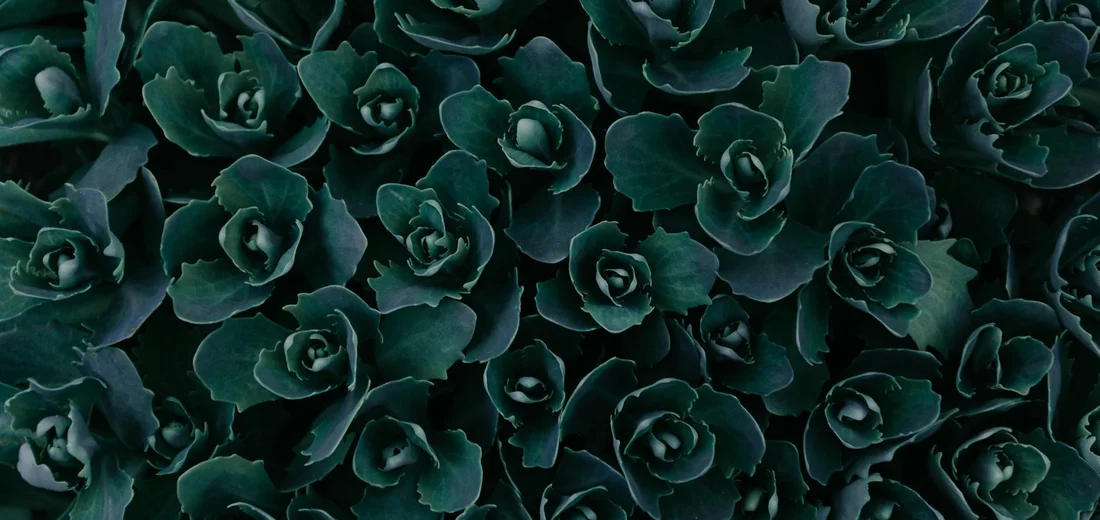
Succulents don’t check a calendar to know when to take a nap; they respond to subtle shifts in their environment. I’ve found that the two biggest signals are a consistent drop in temperature and a significant change in day length. When the nights get cooler and the days get shorter, your plant’s internal clock starts ticking, telling it to slow down.
Another major trigger is light intensity. The sun’s rays are much weaker in the winter, even in a bright window. This decrease in light energy directly tells the plant it can’t support active growth. Think of it like a bear sensing the coming winter-it’s a primal, survival-based response to conserve energy.
Your Dormancy Care Checklist: Water, Light, and Food
Caring for a dormant succulent is all about embracing a “less is more” philosophy. Getting this seasonal care right is the single biggest factor I’ve seen in keeping succulents thriving for years. You’re essentially matching your care to the plant’s slowed-down metabolic rate. A seasonal care guide shows you how to adjust watering, light, and temperature through the year. With these tweaks, your succulents stay vibrant across seasons.
Adjusting Your Watering Schedule
This is the most critical adjustment. Your goal is to prevent the roots from sitting in moisture for long periods. I switch from my summer “soak and dry” method to a “sip and survive” approach. I only give my plants a small drink when the soil is completely dry *and* the leaves show the very first signs of thirst, like slight wrinkling.
- For winter growers (like Aloe and Haworthia), I might water every 3-4 weeks.
- For summer growers (like Echeveria and Sedum), I stretch that to every 4-6 weeks, sometimes longer.
- Always use a pot with a drainage hole and water deeply enough to moisten the roots, but never so much that the soil stays wet.
Finding the Right Light Requirements
Even though they’re resting, your succulents still need bright light to maintain their shape and color. A common mistake is assuming they need less light, which leads to pale, stretched-out plants. I move my sun-lovers to the brightest window in the house, which for me is a south-facing one. Light needs vary by species, though. So how much light do different succulents really need?
If you’re using grow lights, you don’t necessarily need to reduce the hours. Maintaining 12-14 hours of bright, indirect light helps them stay compact and healthy through their sleepy season. Just be cautious of cold drafts from windows, as a sudden chill can damage the leaves.
The Truth About Fertilization
This one is simple: stop. Fertilizing a dormant succulent is like offering a heavy meal to someone who is fast asleep-it’s not helpful and can actually harm the plant. The roots aren’t actively seeking nutrients, so the fertilizer can build up in the soil and cause root burn.
I completely halt all feeding from late fall until early spring. Resume fertilizing only when you see clear signs of new growth, like fresh, bright green leaves emerging from the center. That’s your plant’s way of telling you it’s awake, hungry, and ready for the growing season.
Not All Succulents Sleep the Same: Understanding Species Variation
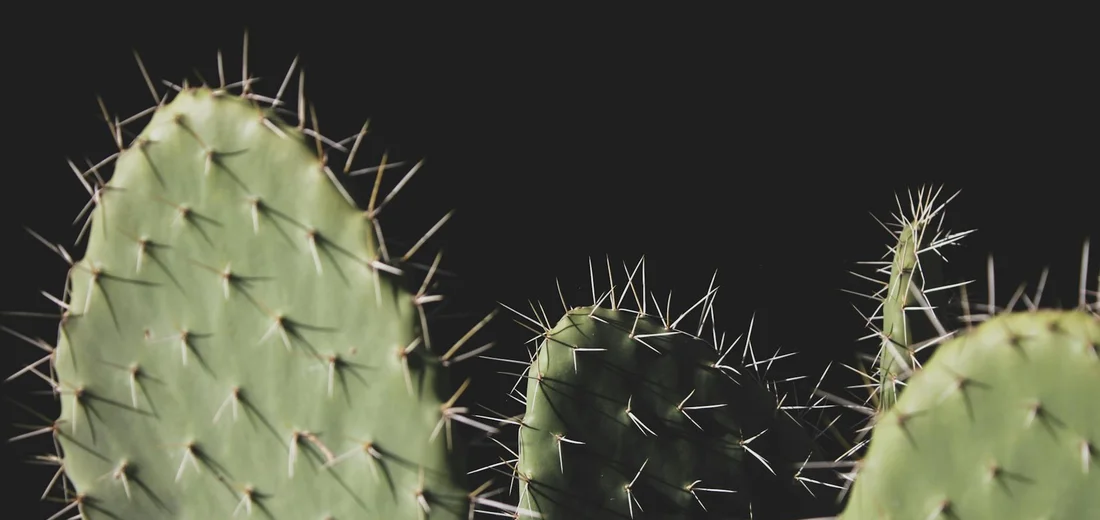
When I first started collecting succulents, I assumed they all took a winter nap. I quickly learned that their dormancy schedules are as unique as their shapes and colors. Some are summer sleepers, others power down in the winter, and a few seem to grow whenever they please. That’s where the winter vs summer dormancy key differences come into play. They guide when to water and how to light each plant.
Summer Dormant Succulents
These are the plants that slow down during the hottest, brightest part of the year. They’ve adapted to conserve water when evaporation rates are highest.
- Haworthia: My Haworthias practically stop growing in July and August. Their soil stays moist for what feels like forever.
- Aloe: Many Aloe species, like the popular Aloe vera, will show noticeably slower growth during peak summer heat.
- Gasteria: These tough plants follow a similar pattern to their Haworthia cousins, preferring to rest when the sun is most intense.
Quick Tip: If your succulent isn’t drinking water during a summer heatwave, don’t panic—it might just be taking a siesta. To tell when it needs water, look for signs like wrinkled leaves or dry soil. Water when you see those signs, then let the soil dry out again before the next watering.
Winter Dormant Succulents
This group is the one most people are familiar with. They rest during the shorter, cooler days.
- Echeveria: These popular rosette-formers are classic winter dormants. Their vibrant colors often intensify during this rest period.
- Sedum: Many ground-cover Sedums will die back above the soil line in winter, storing energy in their roots.
- Sempervivum (Hens and Chicks): These cold-hardy plants are built for winter dormancy and can often survive freezing temperatures under snow.
I keep a simple sticky note on my winter dormant pots that says “Less Water Nov-Feb” so I don’t accidentally love them to death.
Opportunistic Growers
Some succulents don’t follow a strict calendar. I’ve found that certain Crassula and Kalanchoe species will grow whenever conditions are good. If you provide consistent warmth and light year-round, they might never fully go dormant. They’re the flexible freelancers of the succulent world, unlike others which require seasonal changes.
Wake-Up Call: Transitioning Your Succulent Out of Dormancy
Watching a succulent wake up is one of the most rewarding parts of plant care. The key is to mimic a gentle, natural spring-not an abrupt shock to the system. Rushing this process is the number one mistake I see beginners make.
Step 1: Gradually Increase Water
Don’t go from zero to a deep soak overnight.
- Wait until you see the very first signs of new growth, like a tiny rosette forming in the center.
- Give the plant a light watering around the edges of the pot, just enough to dampen the top inch of soil.
- Wait a full week. If the plant responds well, give it a slightly more substantial drink the following week.
- Over 3-4 weeks, you can work your way back up to your normal, thorough watering routine.
Step 2: Reintroduce Fertilizer
Fertilizing a dormant plant is like offering a steak to a sleeping person. Wait until the plant is actively drinking water again before you even think about fertilizer. I typically give mine 2-3 good waterings after waking up before I introduce a half-strength, balanced succulent fertilizer.
Step 3: Acclimate to More Light
If you moved your plant to a lower-light spot for dormancy, it will be tender. A sudden move to a bright windowsill can cause severe sunburn on fresh, new growth. I acclimate my plants over two weeks, moving them to a slightly brighter location every 3-4 days until they’re back in their prime growing spot.
Quick Tip: The first sign of life is often tiny, brightly colored leaves at the center of the plant. That’s your green light to start the wake-up process.
What to Do if Your Succulent Isn’t Waking Up
If weeks go by and your plant still looks dormant, don’t force it. Check these three things first.
- Temperature: Is it still too cold? Most succulents need consistently warmer temperatures to break dormancy.
- Light: Are the days still too short? The lengthening daylight of spring is a major trigger.
- Patience: Is it just late? I have one Echeveria that consistently wakes up a full month after all the others. It has its own rhythm.
FAQs
How long do succulent dormancy periods last?
Dormancy periods can last from a few weeks to several months, depending on the species and environmental conditions.
Do all succulents have dormancy periods?
No, not all succulents experience dormancy; some opportunistic growers may continue growing if kept in stable, ideal conditions. To tell if it’s dying versus dormant, look for new growth or leaf firmness. Dormancy means a temporary slowdown; signs of dying include wilting, discoloration, or rotting roots.
Which succulents have the longest dormancy periods?
Winter-dormant succulents like Sempervivum often have extended dormancy periods lasting through the colder months. Understanding cold hardiness helps these plants survive winter outdoors. It also informs shelter choices and watering during dormancy.
Can temperature changes induce dormancy in succulents?
Yes, consistent temperature drops are a primary trigger that signals succulents to enter dormancy.
How does watering affect dormancy in succulents?
Reducing watering during dormancy helps prevent root rot and supports the plant’s energy conservation.
How to identify dormancy vs. stress in succulents?
Dormancy shows as halted growth with firm leaves, while stress involves mushy or crispy leaves and rapid discoloration.
Embrace Your Succulent’s Natural Rhythm
Success boils down to observing your plant’s seasonal cues and adjusting your care routine accordingly-less water in the cool, dim months, and more during the warm, bright growing season. Focus on these three things: light exposure, water frequency, and temperature.
You’ve got this! With this new understanding, you can confidently support your succulents through their natural cycles and watch them thrive for years to come. So, do succulents need to thrive? They do—with the right light, well-draining soil, and mindful watering to match their growing cycles.
Further Reading & Sources
- Succulent Dormancy 101: Understanding Rest Periods – Succulents Box
- Succulent Dormancy – Everything You Need to Know | Succulent Dormancy, Succulent Seasons and more | Harddy Succulent Care Tips & Tricks blog
- Succulent Dormancy: What you really need to know
- What You Need to Know About Succulent Dormancy – World of Succulents
Lena Greenfield is a passionate horticulturist and plant care expert with over 10 years of experience cultivating and nurturing hardy house plants. With a deep understanding of both indoor and outdoor gardening, Lena shares practical advice on choosing, caring for, and maintaining resilient plants that flourish year-round. Through her knowledge and hands-on approach, Lena helps plant lovers transform their spaces into vibrant, green sanctuaries, no matter their gardening experience.
Light and Temperature