
Seasonal Succulent Care: Your Year-Round Guide
Published on: December 6, 2025 | Last Updated: December 6, 2025
Written By: Lena Greenfield
Are your succulents looking a little sad as the seasons change? You’re not alone-these resilient plants still need us to tweak their care routine throughout the year.
I’ve learned through years of trial and error that the secret to thriving succulents is simple: mimic their natural seasonal cycles.
In this guide, I’ll walk you through exactly what to do in spring, summer, fall, and winter, covering watering, sunlight, fertilizing, and propagation timing.
Understanding Succulent Growth Cycles and Dormancy
Think of your succulents as having an internal calendar. They don’t grow at the same steady pace all year; they have active growth spurts and quiet, restful periods called dormancy. “Recognizing these cycles is the single most important skill” for keeping your plants thriving long-term. I learned this the hard way after nearly losing a beautiful Echeveria ‘Perle von Nurnberg’ by watering it heavily during its winter nap.
In my collection, my summer-dormant Haworthias slow to a crawl when the heat arrives. My Sedums and Sempervivums, on the other hand, are winter-dormant and practically pause growth when the days get short.
- Signs of Active Growth: You’ll see fresh, new leaves forming at the center (the rosette). The plant may produce offsets or “pups.” Its colors might be more vibrant.
- Signs of Dormancy: Growth completely stops. The plant might lose some of its intense color, becoming a bit more green or muted. The soil takes much longer to dry out after watering.
These cycles are triggered by subtle shifts in the environment. Shorter days and cooler temperatures signal winter dormancy for many succulents, while intense heat and long days can trigger a summer slowdown for others. Your job is to watch and adjust your care to match their natural rhythm. Learn how to recognize and respond to seasonal stress signs in succulents to ensure they thrive year-round.
Winter Succulent Care: The Quiet Resting Period
Winter is when your succulents are sleeping. Your care should be gentle and infrequent, like tiptoeing around a napping child. Winter dormancy differs from summer dormancy. In summer, heat and drought cues can trigger growth slowdown, so watering patterns differ. The biggest mistake you can make in winter is loving your plants to death with too much water.
I reduce watering for almost all my succulents to once a month, or even less. For some, like my Lithops, I stop watering entirely from November to March. Seasonally, summer often calls for a bit more water, while winter calls for much less. Always check the soil first!
Sunlight is precious in winter. I shuffle my plants to the brightest south-facing window I have. For those that start to stretch, I use a simple, inexpensive LED grow light for a few hours each morning.
Keep your plants away from cold drafts from windows and doors, but also away from blasting hot air from heaters. A consistent, cool temperature between 50-60°F (10-15°C) is perfect. I pause all fertilizing until spring and keep a close eye for pests like mealybugs, who love dry, indoor conditions.
Winter Watering Adjustments
Forget the calendar. Your watering schedule should be based on touch and observation during winter.
- First, press your finger an inch into the soil. It should feel completely dry and crumbly.
- Next, gently squeeze a lower leaf. If it feels firm, don’t water. If it has a little give and feels thin, it’s thirsty.
- When you do water, do it sparingly. Give the plant just enough to moisten the soil slightly, not a deep, drenching soak.
My winter rule of thumb: When in doubt, wait another week. It’s always safer for a succulent to be a bit too dry than a bit too wet.
- Thirsty Types (e.g., Sedum, Senecio): May still need a small drink every 3-4 weeks.
- Desert Types (e.g., Cacti, Lithops, some Echeveria): Can often go the entire winter without water if kept cool.
Winter Light and Temperature Management
Light is your plant’s best friend in the gloomy winter months. You need to become a sunlight strategist.
- Clean your windows inside and out to let in every possible ray of light.
- Rotate your plants a quarter-turn every time you water to prevent them from leaning.
- If your plants are stretching (etiolating), don’t hesitate to use a grow light. I run mine for 4-6 hours a day to supplement the weak winter sun.
A cool windowsill is often the perfect spot, as long as the leaves aren’t touching the cold glass. I use a simple digital thermometer to monitor the area. Heated homes get very dry, so if you notice leaf tips browning, you can place a tray of water with pebbles near your plants to add a little humidity.
Spring Succulent Care: Awakening and Revitalizing
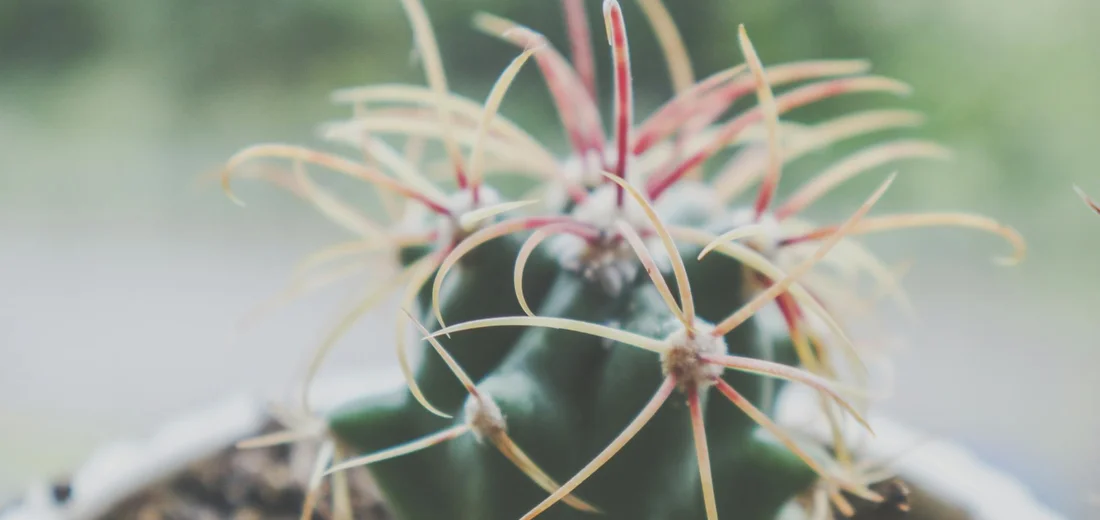
Spring is my favorite time in the succulent world. I always watch for the first signs of new, bright green growth at the center of my plants-that’s my official signal that the sleepy season is over and it’s time to gently ramp up care.
Watering as Growth Resumes
After a winter of near-drought, your succulents are ready for a drink. The key is to increase watering gradually, not all at once. I start by watering my plants thoroughly, just like I do in summer, but I wait much longer between sessions. Avoid common succulent watering mistakes of overwatering after dormancy; let the soil dry out between sessions. This helps prevent root rot and keeps your plants thriving.
- Water deeply until it runs from the drainage hole.
- Let the soil dry out completely before you even think about watering again.
- Test the soil with your finger; if the top inch is bone-dry, it’s safe to water.
This “soak and dry” method encourages strong, deep roots without risking rot.
Adjusting Light for Longer Days
The sun gets stronger and the days get longer, which can be a shock to your plants. I slowly acclimate my indoor succulents to more direct light over a couple of weeks to prevent sunburn. Move them closer to a sunny window an hour more each day. If you see any bleaching or brown scorch marks on the leaves, pull them back into slightly shadier spot immediately.
Starting a Spring Fertilizing Routine
This is the only time of year I fertilize my succulents. I use a balanced, water-soluble fertilizer diluted to half-strength, and I only apply it once at the very beginning of the growth season. A little food gives them a boost for producing new leaves and offsets. Over-fertilizing leads to weak, leggy growth, so less is truly more here.
Spring Repotting and Pruning
Spring is the perfect time for repotting if your succulent has outgrown its home or the soil looks exhausted. I always check the root system in spring; if roots are circling the pot or poking out the bottom, it’s time for an upgrade. This is also the best time to prune away any dead or damaged leaves from winter to improve air circulation and keep your plant looking tidy. Also, check the soil itself—if it’s compacted, salty, or drains poorly, it’s time to refresh the mix. In general, change succulent soil when the potting mix has broken down and lost its drainage and nutrients, not only when you see roots circling the pot.
Spring Repotting and Soil Tips
Repotting can feel daunting, but it’s a simple process that gives your plant a fresh start.
Step-by-Step Repotting Guide
- Gently remove the plant from its old pot. I sometimes squeeze flexible plastic pots or tap the sides of ceramic ones to loosen the root ball.
- Shake off the old soil and inspect the roots. Use clean scissors to trim any black or mushy roots.
- Choose a new pot that is only 1-2 inches wider than the old one. I cannot stress enough how crucial a drainage hole is for preventing root rot.
- Place a piece of mesh or a shard of broken pottery over the drainage hole to keep soil from washing out.
- Add a layer of your fresh, dry succulent potting mix to the bottom of the new pot.
- Position your plant in the center and fill in around the roots with more soil, gently firming it down.
- Wait about a week before giving it its first watering to allow any disturbed roots to heal.
My Go-To Soil Mix for Healthy Roots
Over the years, I’ve found that a gritty, fast-draining mix is non-negotiable. My favorite homemade blend is a 50/50 mix of standard potting soil and perlite. This creates the perfect environment-it holds a little moisture for the roots to drink but drains so quickly that the plant is never sitting in wetness. You can also use a pre-mixed cactus and succulent soil from the store, but I often add extra perlite to it for good measure.
Summer Succulent Care: Thriving in the Heat
Summer is when your succulents are in their glory, soaking up the sun and putting on new growth. I find this season the most rewarding, but it also requires a careful balancing act between providing enough water and not drowning their drought-loving roots. I stick to a simple “soak and dry” schedule, watering deeply only when the soil is completely dry an inch or two down. You can read more about how to water succulents properly in my guide.
Protecting plants from intense afternoon sun is non-negotiable. A sheer curtain has saved many of my indoor succulents from getting scorched by a south-facing window. For my outdoor plants, I use the dappled shade from a patio umbrella or taller plants to shield them during the hottest part of the day.
This active growth period is the perfect time for a light feeding. I use a diluted, balanced liquid fertilizer only once, right at the beginning of summer, to give them a gentle boost without forcing weak growth. Be extra vigilant for pests like mealybugs and spider mites, which love the heat; a weekly check-up with a cotton swab dipped in rubbing alcohol is my go-to defense.
My personal rule for summer is that indoor plants need more attention to airflow, while outdoor plants need more sun protection. I actually move most of my collection outside for the season, but I always acclimate them slowly over a week to prevent shock. The ones that stay indoors get a fan nearby to simulate a gentle breeze and strengthen their stems.
Summer Watering and Sun Protection
It’s easy to get overzealous with the watering can in summer. Watch for leaves that feel mushy and translucent or stems that are blackening-these are classic signs of overwatering. If you see them, stop watering immediately and let the soil dry out completely. For sunburn, you’ll see crispy brown or white patches on the leaves; sadly, these won’t heal, but the plant will grow past them if you provide some shade.
Grouping your succulents together is a clever trick I use every summer. Clustering plants creates a slightly more humid microclimate around them, which helps slow down soil moisture evaporation on scorching days. This means you might not have to water quite as frequently, and your plants get to enjoy a little communal support.
- Water only when the soil is bone dry, then drench it completely.
- Provide shade during peak afternoon sun (between 11 am and 3 pm).
- Fertilize just once at the start of the season with a half-strength solution.
- Inspect for pests weekly and treat infestations immediately.
- Acclimate plants slowly when moving them outdoors for the summer.
Fall Succulent Care: Easing Into Dormancy
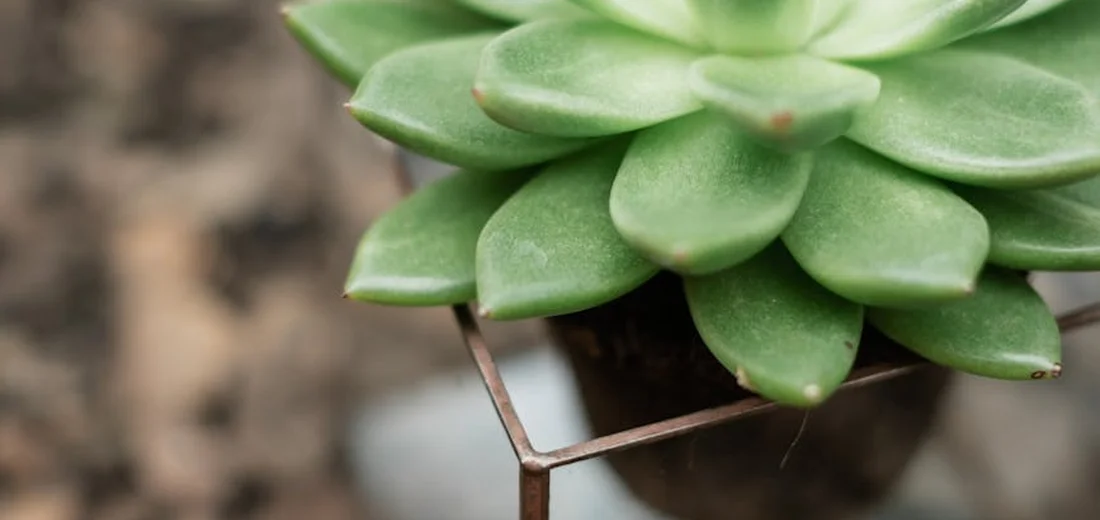
As the air gets crisp and daylight fades, your succulents start to slow their growth. This is your cue to gradually pull back on watering and stop fertilizing entirely. I give my plants one last diluted feeding in early September and then let them rest.
Shorter days mean your plants get less intense light. Move sun-loving varieties to your brightest south or west-facing window to maximize their light intake. This helps prevent stretching and keeps their colors vibrant as the season changes.
I always do a thorough end-of-season health check. Look for pests hiding in leaf crevices and prune away any dead or damaged growth. This cleanup prevents problems from escalating over the winter. Let the soil dry out completely between waterings – sometimes I go three or four weeks without watering my established plants.
My transition routine for bringing outdoor plants inside is simple but effective. I always quarantine newcomers for two weeks to ensure no pests hitch a ride to my indoor collection. I gently wipe down pots and remove any fallen debris from the soil surface first.
Fall Preparation Steps
Before you move a single plant, run through this quick health checklist. A few minutes of inspection now can save you from major headaches later.
- Examine both sides of leaves for tiny bugs or webbing
- Check stems for any soft, mushy spots indicating rot
- Look for signs of etiolation (stretching) that need addressing
- Remove any yellowing or completely dried leaves
- Scrub empty pots with soap and water if reusing
- Ensure all containers have proper drainage holes
Acclimating succulents to indoor conditions requires patience. Sudden changes in light and humidity can shock plants, so take it slow.
- Begin bringing plants indoors overnight when temperatures consistently drop below 50°F
- Gradually increase their indoor time over 7-10 days
- Place them in bright but indirect light initially
- Slowly move them to their permanent sunny spot over two weeks
- Hold off on watering until they’ve fully adjusted to their new location
Year-Round Succulent Care Essentials
No matter the season, a few core principles keep your succulents thriving. The golden rule I follow in my own collection is the “soak and dry” method for watering-you completely drench the soil, then wait for it to be fully dry before even thinking about more water. This cycle encourages strong, healthy roots and prevents rot.
Bright, indirect light is their happy place year-round. A south or east-facing window is usually perfect. Succulents will tell you if they need more light by stretching out and becoming “leggy,” a sign they’re desperately reaching for the sun. And that soil? It must be fast-draining. Regular potting soil holds too much moisture and is a one-way ticket to a dead plant.
Your Seasonal Quick-Reference Guide
| Season | Watering Frequency | Light Needs |
|---|---|---|
| Spring | Every 1-2 weeks | Bright, indirect; introduce to morning sun |
| Summer | Every 1-2 weeks (watch for heat stress) | Bright, indirect; protect from harsh afternoon sun |
| Fall | Every 3-4 weeks | Bright, indirect; maximize available light |
| Winter | Every 4-6 weeks (or less) | Bright, indirect; may need a grow light |
Your container choice is just as important as your soil. I always choose pots with a drainage hole-it’s non-negotiable for me after losing a beautiful echeveria to a “cute” pot with no escape route for water. Terra cotta pots are my favorite because they are porous, allowing the soil to dry out more evenly and preventing soggy conditions.
To monitor soil moisture, don’t just look at the surface. Stick your finger or a wooden chopstick two inches into the soil; if it comes out clean, it’s time to water. Your home environment directly affects your plant’s thirst. A plant in a hot, sunny window will need water more often than one in a cool, shady spot, so always check the soil first.
Soil and Drainage Basics
Getting the soil mix right is the single most impactful thing you can do for your succulents. Good drainage is critical because it prevents water from pooling around the roots, which quickly leads to rot-the #1 killer of houseplant succulents. A dense, moisture-retentive soil essentially suffocates the roots.
An ideal succulent mix is gritty and airy. Here are the key components I look for:
- Potting Soil: A small amount of a coarse, well-aerated potting mix acts as a base.
- Perlite or Pumice: These white, lightweight bits create essential air pockets and improve drainage.
- Coarse Sand: Horticultural sand (not beach sand) adds weight and improves drainage further.
After years of trial and error, my preferred DIY soil recipe is simple and effective. I mix 2 parts potting soil, 1 part perlite, and 1 part coarse sand for a blend that my plants absolutely love. To test for proper moisture retention, water the mix thoroughly. It should feel fully wet, but water should drain from the bottom of the pot immediately, and the surface should feel much drier within a couple of days.
Common Questions
How can I tell if my succulent is overwatered or underwatered?
Overwatered succulents have mushy, translucent leaves, while underwatered ones have wrinkled, shriveled leaves.
When is the best time to move my succulents outdoors for the summer?
Acclimate them slowly over 7-10 days when nighttime temperatures are consistently above 50°F (10°C).
Why is my succulent stretching and becoming leggy?
This is called etiolation, and it means your plant is not receiving enough bright, indirect light.
Should I fertilize my succulents, and if so, when?
Fertilize only once at the beginning of their primary growth season using a balanced, diluted fertilizer.
What are the most common pests to look for on succulents?
Regularly inspect for mealybugs, which look like small white cottony masses, and spider mites.
Why are the colors on my succulent fading or changing?
Color changes are often a response to seasonal light intensity and temperature shifts, which is normal.
Keep Your Succulents Thriving All Year
In my years of tending succulents, I’ve found that syncing your care routine with the seasons is the simplest way to keep them vibrant and growing strong. The core takeaway is to treat your succulents like you would your own comfort—adjusting their water, light, and protection as the weather shifts. Knowing the key seasonal timing milestones helps you plan these adjustments. Aligning care with spring growth, summer heat, fall dormancy, and winter rest keeps succulents healthy year-round.
- Water deeply but infrequently in summer, and reduce to a light sip in winter.
- Maximize sunlight exposure during spring and fall growth periods.
- Shield plants from extreme cold or heat to prevent stress.
I encourage you to follow along with more guides on Hardy House Plants-you’re doing a fantastic job learning these seasonal rhythms, and your plants will reward you with stunning growth.
Further Reading & Sources
- Succulent Dormancy: What you really need to know
- Succulent Dormancy 101: Understanding Rest Periods – Succulents Box
- Succulent Basics, Must-Do’s, FAQs, Essentials for Success | Debra Lee Baldwin, Succulent Expert
- Succulents 101 | Extension | West Virginia University
Lena Greenfield is a passionate horticulturist and plant care expert with over 10 years of experience cultivating and nurturing hardy house plants. With a deep understanding of both indoor and outdoor gardening, Lena shares practical advice on choosing, caring for, and maintaining resilient plants that flourish year-round. Through her knowledge and hands-on approach, Lena helps plant lovers transform their spaces into vibrant, green sanctuaries, no matter their gardening experience.
Watering Practices