
Best Grow Light Setups for Different Types of Indoor Plants
Published on: June 16, 2026 | Last Updated: June 16, 2026
Written By: Lena Greenfield
Are you struggling to give your indoor plants enough light, or feeling confused by all the grow light options available? I’ve been there, and I can tell you that finding the right setup is simpler than you think.
In this guide, I’ll share the specific setups I use in my own home for succulents, low-light foliage, flowering houseplants, and edible herbs. We’ll cover everything from choosing the right type of light, setting up your system on any budget, and creating a simple lighting schedule that works.
Understanding the Light Your Plants Truly Need
Plants don’t just see light; they feel it. They use it for energy in a way that’s completely different from how our eyes perceive brightness. Getting the right quality and quantity of light is the single most important factor in choosing a grow light.
Decoding Grow Light Lingo: PAR, PPFD, and DLI
These acronyms sound technical, but they’re just ways to measure the light that actually matters to your plants.
- PAR (Photosynthetically Active Radiation): This isn’t a measurement, but the type of light. Think of PAR as the specific “food group” of light wavelengths (400-700 nm) that plants can actually eat.
- PPFD (Photosynthetic Photon Flux Density): This is the measurement you care about most. It tells you how many of those light “food particles” (photons) are hitting a specific area of your plant every second. I look for lights that list their PPFD values on the packaging or in the product description.
- DLI (Daily Light Integral): This is the total amount of “light food” your plant gets over an entire day. It’s the PPFD added up over your photoperiod (how long the light is on). Different plants have different daily “appetites.”
Here’s my simple analogy: PAR is the grocery store, PPFD is how fast you’re putting items in your cart, and DLI is the total number of groceries you bring home. You need to know all three to make sure your plant gets a full meal.
Why Full Spectrum LED Lights Are My Go-To Choice
After years of testing everything from fluorescent tubes to blurple (blue and red) LEDs, I’ve settled on full-spectrum white LEDs for almost all my indoor plants.
- They mimic the balanced light of the sun, which supports healthy growth from roots to leaves.
- They are incredibly energy-efficient, which I’ve noticed on my electricity bill.
- They produce very little heat, so I can place them closer to my plants without fear of scorching precious leaves.
- The white light is pleasant to live with and shows the true, beautiful colors of my plants.
Full-spectrum LEDs are the closest thing to bottled sunshine you can buy for your plant shelf. They remove the guesswork and provide everything most houseplants need to thrive.
Tailoring Your Setup: Grow Lights for Specific Plant Groups
Not all plants sunbathe the same way. A setup that makes a succulent happy will fry a fern. Grouping your plants by their light needs makes setting up your grow lights so much easier. For mixed plant collections, you’ll want lighting solutions that accommodate different needs. Adjustable fixtures and zoned lighting help each plant get what it requires.
The Perfect Glow for Low-Light Tropical Houseplants
This group includes plants like Pothos, Snake Plants, ZZ Plants, and Philodendrons. They are adapted to living on the forest floor, receiving dappled light. ZZ plants are native to tropical forests of eastern Africa, where they grow in shady understories. They tolerate low light and infrequent watering, mirroring their natural growing conditions.
- PPFD Target: Aim for a PPFD of 100-200.
- Light Distance: Position the light 2 to 3 feet above the plant canopy. They don’t need intense, direct beams.
- Photoperiod: 10-12 hours of light per day is perfect.
- My Setup: I use a simple, low-wattage LED bar light suspended above a shelf of my prayer plants and pothos. It provides a gentle, all-day glow that keeps them growing steadily without any stress.
A gentle, consistent glow is better than a powerful blast for these understory plants.
A Sun-Drenched Setup for Succulents and Cacti
These sun-worshippers need a powerful light source to stay compact and colorful. Without it, they’ll become stretched and pale (etiolated).
- PPFD Target: You’ll need a stronger light, with a PPFD of 200-400 or even higher for some cacti.
- Light Distance: Place the light much closer-6 to 12 inches away from the plants. Watch for signs of bleaching and adjust if needed.
- Photoperiod: Mimic a long desert day with 12-14 hours of light.
- My Setup: For my succulent collection, I use a more powerful panel-style LED light. I have it on a timer for 13 hours a day, positioned about 8 inches above my Echeverias to maintain their gorgeous stress colors.
Succulents need a “desert sun” simulation to prevent them from getting leggy and sad.
Nurturing New Life: The Ideal Seedling Setup
Seedlings are tender and need a very specific setup to grow strong and not become “leggy” as they reach for light.
- PPFD Target: A moderate PPFD of 150-250 is ideal for starting most seeds.
- Light Distance: This is critical! Keep the lights very close-just 2 to 4 inches above the seedlings. As they grow, you raise the light.
- Photoperiod: Seedlings benefit from long days. I run my seedling lights for 14-16 hours.
- My Setup: I use an adjustable, multi-tiered seed starting stand with T5-style LED lights. Being able to fine-tune the height as my tomato and herb seedlings grow has been a game-changer for producing stocky, healthy plants.
Encouraging Blooms: Lighting for Flowering Plants
To get plants like African Violets, Orchids, or Christmas Cacti to bloom, you need to convince them they’re in their ideal flowering season. For Christmas Cacti, you can force blooms by giving them extended darkness and cooler nights in fall, then returning to normal care as buds form.
- PPFD Target: These plants need a good amount of energy to produce flowers, so target a PPFD of 200-350.
- Light Spectrum: While full-spectrum works, some lights have a “bloom” or “flowering” mode that adds a bit more red light, which can help trigger bud formation.
- Photoperiod: Consistency is key. Many flowering plants are photoperiodic, meaning they bloom based on day length. Use a timer to ensure they get an unwavering 12-14 hours of light every single day.
- My Setup: My African violets sit under a full-spectrum LED panel with a timer set for a strict 12 hours on, 12 hours off. This consistent “short day” cycle is what finally got them to rebloom reliably for me.
A consistent light schedule is often the secret handshake that tells your flowering plants it’s time to put on a show.
Choosing and Positioning Your Grow Light Equipment
Selecting Your Fixture: Bulbs, Bars, and Panels
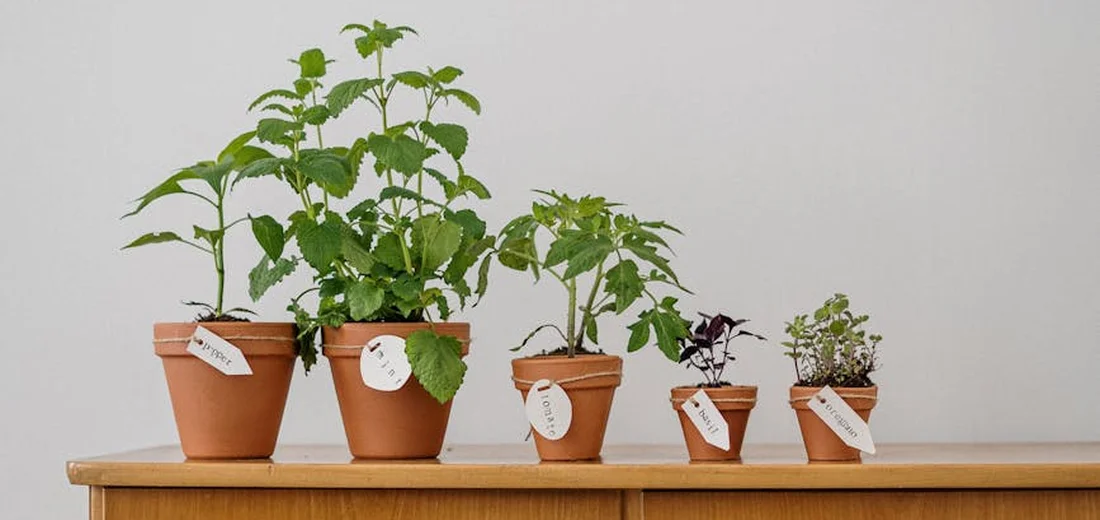
After years of testing, I’ve found that the fixture you choose depends entirely on your plant family and your space. When choosing indoor plants, start with your home’s light conditions. That simple check helps you pick the right species for each space and the best lighting to support them. LED bulbs are my go-to for single, light-hungry plants like a Fiddle Leaf Fig, as they can be screwed into a regular desk lamp. For my succulent collection, I use T5 fluorescent bars because they provide a wide, gentle blanket of light perfect for short, colorful rosettes. Full-spectrum LED panels are the powerhouses for a large, dense jungle; they cover more area and often have built-in features that make plant parenting easier.
- LED Bulbs: Ideal for targeted light. I use them in a simple clamp light for my Monstera that sits in a dark corner.
- Fluorescent Bars (T5/T8): Excellent for propagation stations and shallow trays of succulents or herbs.
- LED Panels: The best investment for a serious indoor gardener with a mixed collection of foliage and flowering plants.
Mastering Distance and Duration with Adjustable Features
Getting the distance wrong is the most common mistake I see. If your succulent’s leaves are turning red or brown, the light is almost certainly too close, while a snake plant stretching out is begging for more photons. I always look for fixtures with adjustable hanging chains or gooseneck arms. Start with the light about 12 inches above your plant canopy and watch for a week. Adjust closer for succulents and cacti (6-8 inches) and slightly farther for most tropical foliage (10-14 inches), especially when using grow lights for succulents.
- Set up your light at the manufacturer’s recommended starting distance.
- Observe your plant’s color and growth pattern over 7-10 days.
- Move the light closer if you see stretching; move it farther away if you see bleaching or crisping.
Why an Adjustable Timer is Your Best Friend
I learned the hard way that my memory is not a reliable grow light switch. An automatic timer completely changed my plant care routine, providing consistent “days” and “nights” that mimic a natural environment. Your plants will thrive on this consistency. I set my tropical plants for 12-14 hours of light and my succulents for a longer, sunnier 14-16 hours. It saves energy and prevents you from accidentally stressing your plants with a 24-hour light cycle. Different succulents really vary in how much light they can take. Some crave bright, direct sun all day, while others prefer gentle, indirect light.
You can buy a simple mechanical timer for a few dollars or use a smart plug for ultimate control from your phone. This small addition is the single biggest upgrade you can make for a stress-free, thriving indoor garden.
Pro Tips for a Thriving Indoor Garden
My Simple Method for Avoiding Leaf Scorch
Leaf scorch looks awful and is entirely preventable. My foolproof test is the hand heat test: place your hand right at the top of your plant’s leaves under the light for 30 seconds. If the back of your hand feels uncomfortably warm, the light is too close and will likely burn the foliage. I do this every time I adjust my lights or add a new, taller plant to the group. It’s a simple sensory check that has saved many of my plants from crispy tips.
Solving the Stretch: Fixing Leggy Growth
When your succulents get tall and gawky or your seedlings look spindly, they are etiolated—stretching desperately for more light. Leggy growth is a clear sign that your light intensity is too low or the duration is too short. To prevent this kind of etiolation in the first place, ensure your succulents receive bright, consistent light daily. Consider using a timer and rotating plants so they grow evenly. The fix is twofold: first, move your light source closer to the plant to increase intensity. Second, you can gently behead the stretched succulent, let the cut end callous, and replant it directly under the stronger light to encourage a compact, new rosette to form.
Smart Setups for Small Spaces and Single Planters
You don’t need a dedicated plant room to use grow lights effectively. For a single kitchen herb or a desktop pothos, a sleek, USB-powered LED grow light bulb in a modern architect lamp works beautifully and looks intentional. In my own home, I’ve mounted short, stick-on LED bars underneath my open shelving to illuminate the plants below without taking up any surface space. For a tight corner, a three-headed gooseneck lamp lets you direct light to three different small plants from a single base. Make sure you’re using the right bulbs for the specific plants you’re growing indoors.
- Clip-On Lights: Perfect for directing a beam of light onto a specific plant without a bulky stand.
- Under-Shelf Mounting: Use adhesive strips to mount thin LED bars, turning empty space into a prime plant spot.
- Multi-Head Lamps: The most flexible option for a cluster of small to medium plants on a side table or desk.
FAQs
What is a popular grow light setup recommended on Reddit for houseplants?
Reddit users often praise full-spectrum LED panels for their energy efficiency and ability to support diverse plant growth.
How do I set up a grow light for a single planter?
Use a compact, adjustable LED bulb in a desk lamp placed 6-12 inches above the plant based on its specific light requirements. Understand light measurements like lux, PAR, and foot-candles to tailor this setup to your plant’s needs. Regularly check these readings to support healthy plant care.
What’s the ideal grow light setup for indoor tomatoes?
Position a high-PPFD LED panel 6-10 inches above tomato plants for 14-16 hours daily to encourage fruiting and prevent legginess.
Can I use grow lights for microgreens, and how?
Yes, microgreens grow well under low-intensity LED bars placed 4-6 inches above the tray for 12-16 hours each day.
What does a basic microgrowery setup with grow lights involve?
A microgrowery uses small LED panels in a reflective space with timed cycles to optimize growth for compact plants or herbs.
How can I use a ceiling light as a grow light setup?
Install a flush-mount full-spectrum LED ceiling fixture to evenly illuminate a group of plants below without taking up floor space.
Your Path to Perfect Plant Lighting
The most important rule is to match your grow light’s intensity and duration to your specific plant’s needs. Get this right, and you’ll see your plants thrive with vibrant new growth. Flowering plants typically require higher light and warmer temperatures during bloom, while foliage plants often prefer cooler conditions. Tailor light and temperature to each type for best results.
- Choose the right light type (LED, fluorescent) for your collection.
- Set a consistent daily timer for the correct photoperiod.
- Position lights at the proper distance to prevent burn or stretch.
You now have all the knowledge you need to build a fantastic setup. Trust your instincts, observe how your plants respond, and enjoy the rewarding journey of nurturing them under your own carefully crafted glow. Your green oasis is waiting.
Further Reading & Sources
- LED Grow Lights Collection for Indoor Plants | SANSI
- Grow Lights Part 1: A few grow lights I’ve used – House Plant Journal
- LED Grow Lights | Grow Lamps for Indoor Plants | Soltech
- Best Grow Lights For Houseplants | Gardener’s Supply.
Lena Greenfield is a passionate horticulturist and plant care expert with over 10 years of experience cultivating and nurturing hardy house plants. With a deep understanding of both indoor and outdoor gardening, Lena shares practical advice on choosing, caring for, and maintaining resilient plants that flourish year-round. Through her knowledge and hands-on approach, Lena helps plant lovers transform their spaces into vibrant, green sanctuaries, no matter their gardening experience.
Light Requirements