
Understanding Light Measurements: Lux, PAR, and Foot-Candles for Plant Care
Published on: June 13, 2026 | Last Updated: June 13, 2026
Written By: Lena Greenfield
Are you trying to figure out why your plants aren’t thriving even though they’re sitting in a bright room? You might be using the wrong measurement to understand the light they’re actually receiving.
I’ll clear up the confusion by explaining the differences between Lux, PAR, and Foot-Candles, showing you which one truly matters for photosynthesis, and giving you practical ways to measure the light in your own home.
Why Light Measurement Matters for Your Houseplants
Getting the light right is the single most important thing you can do for your plant collection. Light is the engine of photosynthesis, and without the right fuel, even the most resilient plants will eventually struggle. I learned this the hard way when my first fiddle leaf fig dropped half its leaves in a dim corner.
Think of light like food for your plants. You wouldn’t feed a succulent the same meal as a fern. Using a light meter takes the guesswork out of plant placement, helping you match each plant’s specific hunger for photons. For mixed collections with different light needs, a layered lighting plan that targets hotspots and shaded zones keeps everyone thriving. It stops you from accidentally “starving” a sun-worshipper or “scorching” a shade-dweller.
I used to rely on rough estimates like “bright, indirect light,” but my plants’ growth was inconsistent. Once I started measuring, I was shocked to see how much light levels dropped just a few feet back from a window. That “bright” spot was actually quite dim. This simple tool completely changed my success rate with fussier plants like variegated monsteras and calatheas.
Lux and Foot-Candles: Measuring Light for Human Eyes
Lux and foot-candles are the most common units you’ll find on basic light meters and smartphone apps. It’s crucial to remember that these units measure light intensity as perceived by the human eye. Our eyes are most sensitive to green and yellow light, which is great for us, but plants use a different part of the spectrum for growth.
Think of it like this: if you were measuring the nutritional value of a meal, lux would be like judging it by its color and appearance, not its actual vitamin content. It gives you a decent ballpark figure, especially for low-light tolerant plants, but it’s not the full picture for heavy feeders like succulents and flowering plants.
I keep a simple lux meter in my plant care kit for quick checks. Here’s a rough guide I use based on my own measurements:
- Low Light (50-250 lux): Perfect for snake plants and ZZ plants. This is typical for a north-facing room or far from any window.
- Medium Light (250-1,000 lux): Great for pothos, philodendrons, and peace lilies. You’ll find this near a north-facing window or a few feet back from an east/west window.
- Bright Light (1,000-2,000 lux): Ideal for fiddle leaf figs, rubber plants, and many succulents. This is right in an east or west-facing window.
- Direct Sun (2,000+ lux): Necessary for cacti, jade plants, and other full-sun lovers. This is a sunny south-facing window.
Foot-candles are the imperial version of lux (1 foot-candle ≈ 10.76 lux). For a quick mental conversion, just remember that 100 foot-candles is roughly equal to 1,000 lux. Most plant care guides use one or the other, so knowing this simple trick helps you compare recommendations easily.
My top tip: Use a lux meter to map your home’s light levels throughout the day. Take readings in the morning, noon, and afternoon to find the true “bright, indirect” spots. You’ll be amazed at what you discover.
PAR and PPFD: The Real Language of Plant Growth
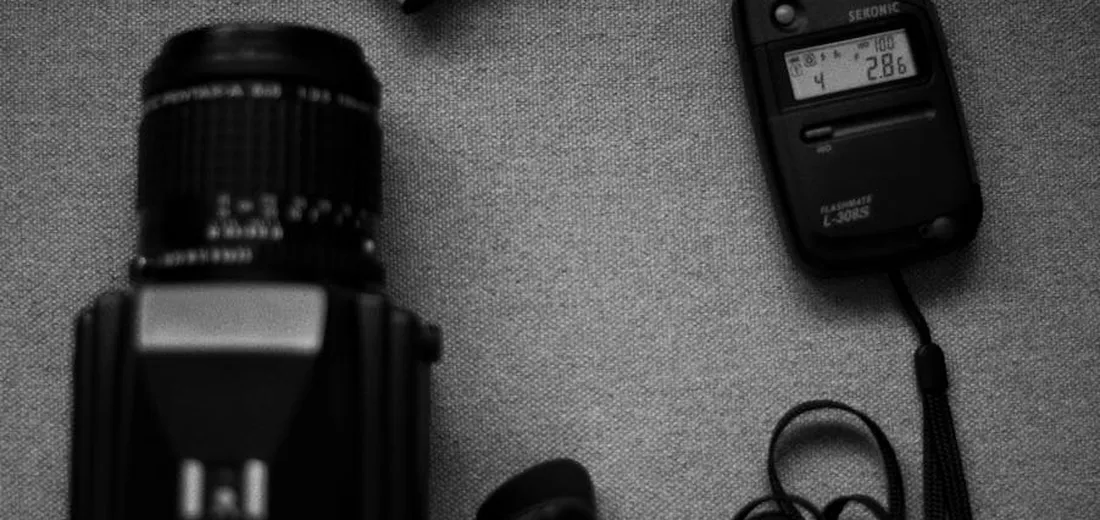
For years, I struggled with leggy succulents and slow-growing monsteras, even in seemingly bright rooms. I learned the hard way that lux and foot-candles are a human-centric measurement. Plants “see” light differently, and they communicate their needs through a language called Photosynthetically Active Radiation, or PAR. Look for leggy growth or pale leaves as signs of too little light, and watch for scorched tips if the light is too strong. Adjusting the light intensity, not just how long it’s on, can bring plants back to health.
PAR measures the spectrum of light, from 400 to 700 nanometers, that plants use for photosynthesis. It’s not about brightness to our eyes; it’s about usable energy for the plant. Think of it like this: a bright green room light might read high in lux, but it provides very little of the red and blue light your plant is desperately searching for.
How PPFD Fuels Photosynthesis
PAR tells you the *type* of light, but PPFD (Photosynthetic Photon Flux Density) gives you the actionable number. PPFD measures how many of those usable PAR photons are actually hitting a specific area-like your plant’s leaves-every second. This is the metric that directly fuels growth.
In my own greenhouse, I watched a struggling fern perk up within days of moving it from a spot with a PPFD of 50 to one with 150. It wasn’t about making the room brighter; it was about delivering the right kind of energy. Low-light plants (like snake plants) often thrive between 50-150 PPFD, while sun-worshipping succulents and flowering plants can demand 200-500 PPFD or more.
Your Practical Guide to Measuring Plant Light
You don’t need a lab to become a plant light expert. I use this simple five-step process to diagnose light issues for every new plant I bring home. This helps me identify common light-related plant problems and map them to practical fixes. You can apply the same approach to keep your plants thriving.
- Identify your plant’s light needs (e.g., low, bright indirect). Start with a quick search or the plant’s tag. A “low light” label usually means it can survive on 50-100 PPFD, while “bright indirect” often targets 100-300 PPFD. This gives you a goal to measure against.
- Choose your measurement tool (phone app vs. dedicated meter). For most houseplant parents, a free app like Photone is a fantastic start. I’ve found it to be surprisingly accurate for general care. If you’re diving into serious indoor gardening or grow lights, a dedicated quantum PAR meter is a worthwhile investment for precise data.
- Position the meter at the plant’s leaf level. Don’t measure the light on the windowsill; measure it where the plant’s top leaves actually live. Hold your phone sensor or meter directly over the foliage, facing the light source. This gives you the true dose of light your plant is receiving.
- Take readings at different times of day. Light intensity changes dramatically. A spot that’s perfect at noon might be gloomy by 3 PM. I take readings at 10 AM, 1 PM, and 4 PM on a sunny day to find the average and understand the light duration.
- Interpret your results against known plant needs. Compare your average PPFD reading to your plant’s needs. If your Monstera is getting only 80 PPFD, it’s time to move it closer to the window. If your succulent is reading 450 PPFD, you’ve found its happy place!
Ideal Light Ranges for Common Houseplants and Succulents

Over the years, I’ve tested light levels for dozens of my own plants, and I can tell you that matching a plant to its ideal lux range is the single biggest factor for success. Think of these ranges as a plant’s comfort zone, where it has enough energy to grow without feeling stressed. When you pick houseplants, start by evaluating your rooms’ light levels and choosing varieties that fit those conditions. That way the plant can stay in its comfort zone and thrive in your home.
Here’s a quick-reference guide based on my own measurements and observations.
Low Light (50 – 250 lux)
These are the champions of dim corners. They won’t grow quickly, but they’ll survive.
- Snake Plant (Sansevieria)
- ZZ Plant (Zamioculcas zamiifolia)
- Pothos (Epipremnum aureum)
- Peace Lily (Spathiphyllum)
Medium Light (250 – 1,000 lux)
This is the sweet spot for many popular foliage plants. You’ll see steady, healthy growth here.
- Philodendron
- Spider Plant (Chlorophytum comosum)
- Chinese Evergreen (Aglaonema)
- Dracaena
Bright, Indirect Light (1,000 – 5,000 lux)
This is where the magic happens for flowering and vibrant foliage. Most of my plants thrive in this zone.
- Monstera
- Rubber Plant (Ficus elastica)
- Fiddle Leaf Fig (Ficus lyrata)
- Orchids (Phalaenopsis)
Direct Light / Full Sun (5,000 – 10,000+ lux)
This is reserved for your sun-worshippers. Succulents and cacti need this intense light to maintain their compact shape and prevent stretching. But not all succulents require the same amount of light. How much light do different succulents really need?
- Jade Plant (Crassula ovata)
- Aloe Vera
- Echeveria
- Most Haworthia and Cacti
Applying Your Measurements for Healthier Plants

Now that you know the numbers, let’s talk about action. I use my light meter almost every time I water to check for seasonal changes. Simply knowing your light levels turns plant care from a guessing game into a precise science.
Here is my simple, three-step process for using your measurements:
- Measure: Use your phone app or light meter to check the light at the leaves, not the tabletop, at different times of day.
- Match: Compare your readings to the ideal ranges for your specific plant.
- Move: Relocate the plant if needed. Even a few inches can make a huge difference in light intensity.
Simple Fixes for Low Light Conditions
I live in a home with more north-facing windows than south, so I’ve become an expert at boosting low light. Don’t despair if your readings are too low-you have options!
- Grow lights are a game-changer. I use simple, full-spectrum LED bulbs in a regular desk lamp for my prayer plants in a dark room. Just a few hours a day makes them perk up.
- Wash your windows! It sounds silly, but I was shocked at how much a clean window increased the lux readings on my sill. Dust and grime block a surprising amount of light.
- Use reflectors. Place a white board or a mirror on the side of the plant opposite the window. I did this for my fiddle leaf fig, and it bounced extra light onto its lower leaves.
- Rotate your plants. I give my plants a quarter-turn every time I water. This ensures all sides get their time in the spotlight, preventing lopsided growth.
Choosing and Using Tools for Light Measurement
When I first started collecting plants, I used the “squint test” to judge light, which was about as reliable as guessing the weather a week from now. Using a proper light meter took the guesswork out and completely changed how I arranged my sun-loving succulents and shade-tolerant ferns. You don’t need a lab full of equipment, just the right tool for your needs. This practical approach is exactly what you’ll find in a complete guide to growing outdoor succulents indoors. It shows you how to map outdoor light to indoor spaces so your succulents stay happy year-round.
Your Smartphone: A Handy Starting Point
Many free light meter apps use your phone’s front-facing camera to measure lux. I’ve tested half a dozen of them over the years. While not as precise as a dedicated device, a phone app is fantastic for getting a quick, ballpark idea of your light situation. Just remember to use the same phone for all measurements, as different models can give different readings.
- Pros: Free, always with you, great for initial scans.
- Cons: Accuracy varies, measures only lux (not PAR), sensitive to the angle of your phone.
Dedicated Lux Meters: The Reliable Workhorse
I bought a simple digital lux meter online for less than a fancy coffee, and it’s one of my most-used plant tools. A dedicated lux meter gives you consistent, reliable numbers you can track over time and compare across your entire plant collection. It translates the abstract concept of “bright, indirect light” into a tangible number.
- Pros: Affordable, highly accurate for lux, easy to use.
- Cons: Still only measures lux, so you’ll need to know the conversion for your specific plants.
PAR Meters: The Gold Standard for Growers
If you have a serious indoor garden or are using grow lights, a PAR meter is the ultimate tool. PAR meters measure the actual light spectrum plants use for photosynthesis, giving you the most relevant data possible. They are a bigger investment, but for optimizing a high-light succulent shelf or a dedicated grow tent, the data is priceless. In the broader toolkit for plant health monitoring and care, PAR data pairs with moisture and temperature readings to guide watering and lighting decisions. Used alongside soil moisture meters and thermometers, it helps keep plants thriving.
- Pros: Measures the most plant-relevant light (PPFD), incredibly precise.
- Cons: Expensive, often overkill for the average houseplant hobbyist.
A Quick Comparison Guide
| Tool | What It Measures | Best For |
|---|---|---|
| Smartphone App | Lux | Quick checks, beginners on a budget |
| Dedicated Lux Meter | Lux | Regular monitoring, accurate light tracking |
| PAR Meter | PPFD (Photosynthetic Light) | Serious growers, optimizing grow lights |
How to Take Accurate Light Readings
Getting a good reading is just as important as having the right tool. I learned this the hard way after getting wildly different numbers from the same spot. Always place the sensor of your meter at the top of the plant’s leaves, pointing toward the light source, to measure what the plant actually “sees.”
- Take readings at different times of day (morning, noon, afternoon) to understand the full daily light cycle.
- Measure on both sunny and cloudy days, as the intensity can change dramatically.
- Check the light in every season; the sun’s angle shifts, altering the light in your home.
Your light meter is a guide, not a dictator. I always pair my meter readings with good old-fashioned observation, watching how my plants actually respond over time. Snake plants are famously adaptable; there isn’t a single complete light requirement they must meet. They do well in a range from low to bright indirect light. If your snake plant is putting out new growth in a “low light” spot according to the meter, trust the plant!
Common Questions
Can I rely on a free smartphone light meter app for my plants?
Yes, for general houseplant care, a free app is a great starting point to get a ballpark lux reading.
How do I adjust my light measurements for different seasons?
You should take new light readings seasonally, as the sun’s angle changes and can significantly alter the intensity in your home.
What is the best way to measure the light output from my grow lights?
To measure grow lights effectively, use a PPFD meter or a PPFD-capable app to ensure your plants are receiving usable photosynthetic light.
My low-light plant is in a spot that measures low on the meter, but it’s not growing-why?
A low-light reading often means the plant only has enough energy for survival, not for active new growth.
My plant care guide uses foot-candles, but my meter uses lux; how do I convert them?
You can easily convert foot-candles to lux by multiplying the foot-candle value by approximately 10.76.
What does it mean if my succulent is stretching even though the lux reading seems sufficient?
This stretching, called etiolation, indicates the plant is not getting enough of the specific blue and red PAR light it needs to stay compact. To fix and prevent stretched succulents from etiolation, boost direct light (or add a grow light) and rotate the plant for even exposure.
Your Plant Light Journey Starts Now
To keep your houseplants and succulents flourishing, prioritize PAR for growth accuracy while using lux and foot-candles as reliable, everyday tools to gauge light levels quickly. I’ve found that a simple approach prevents overcomplication and leads to healthier plants. When you’re using grow lights for succulents, choose full-spectrum LEDs and position them at the right distance to promote compact, healthy growth. A timer helps mimic natural day lengths and prevents overexposure.
- PAR meters give the truest read on light usable for photosynthesis.
- Lux and foot-candles work well for spot-checks with phone apps or basic meters.
- Tailor light intensity to each plant-succulents crave brightness, while peace lilies adapt to lower light.
From my own collection, I’ve seen how nailing the light transforms timid growers into vibrant showstoppers. Grab your meter, trust what you’ve learned, and give your plants the glow-up they deserve-you’re fully equipped to succeed!
Further Reading & Sources
- PPFD, PAR, Foot-candle or Lux: What Is the Difference? | Photone
- PAR vs. Foot-Candles – House Plant Journal
- foot-candles, lux, lumens, sunlight, PAR
- r/houseplants on Reddit: Foot Candle / lighting question
Lena Greenfield is a passionate horticulturist and plant care expert with over 10 years of experience cultivating and nurturing hardy house plants. With a deep understanding of both indoor and outdoor gardening, Lena shares practical advice on choosing, caring for, and maintaining resilient plants that flourish year-round. Through her knowledge and hands-on approach, Lena helps plant lovers transform their spaces into vibrant, green sanctuaries, no matter their gardening experience.
Light Requirements