
How Much Light Do Succulents Need? A Simple Guide
Figuring out the right amount of light for your succulents can feel confusing, and giving them too much or too little is one of the fastest ways to see them struggle. I’ve learned this through trial and error with my own collection, watching some plants stretch for light while others got sunburned on my windowsill.
In this guide, I’ll walk you through the different types of light, how to spot the signs your plant is getting too much or too little, and my specific recommendations for popular succulent varieties.
Why Succulent Light Needs Are So Different
I used to think all succulents were the same tough desert plants. Then I killed a beautiful haworthia by giving it the same blazing sun my echeveria loved. That’s when I learned their light needs vary wildly based on their biology and where they originally came from.
Think of it like people’s skin. Some of us can lounge in the sun for hours, while others burn in minutes. Succulents have similar adaptations.
Leaf Color is a Major Clue
Succulents with vibrant red, purple, or orange tones usually crave intense light. Those bright pigments, called anthocyanins, act like a natural sunscreen, protecting the plant from harsh rays. My deep purple ‘Perle von Nurnberg’ echeveria gets its gorgeous color from sitting in a south-facing window.
- Deep reds, purples, and oranges: Typically need direct, strong sun.
- Solid, lush green leaves: Often prefer bright, but indirect, light.
- Variegated leaves (with white or yellow): Need more light than their all-green cousins to sustain their color.
Their Native Habitat Tells You Everything
Where a succulent evolved is the biggest indicator of its needs. A cactus from the open desert is built for a daily sunbath. A gasteria from the shaded, rocky outcrops of South Africa will scorch under those same conditions. I group my plants by their “home” environment on different shelves.
- Desert Dwellers (Echeveria, Sedum, Most Cacti): Sun worshippers.
- Shade-Lovers (Haworthia, Gasteria, Sansevieria): Prefer bright, filtered light.
- Forest Succulents (Rhipsalis, Epiphyllum): Thrive in dappled shade, similar to their rainforest canopy homes.
Seasonal Changes Matter
Light needs aren’t static. Many succulents are actively growing in spring and summer and can handle more direct light. In the dormant winter months, they often need less intense light, but the shorter days mean a bright spot is still crucial to prevent stretching. If a plant has become leggy, it’s usually due to insufficient light. Increase bright light levels and rotate the plant to encourage compact growth.
Decoding Sunlight: Direct Sun, Bright Light, and Low Light
These terms get thrown around a lot, but what do they actually mean for your plant on your windowsill? Let me break it down from my own trial and error.
Direct Sun
This is the unfiltered, powerful sun that creates sharp, defined shadows. Direct sun is like a full-day beach vacation for your sun-loving succulents. It’s usually found in an unobstructed south or west-facing window.
- What it looks like: The sun’s rays physically touch the plant’s leaves for several hours a day.
- Best for: Echeveria, Jade Plants, Most Cacti, Sedum.
- My quick tip: Acclimate plants slowly to direct sun to prevent sunburn, just like you would your own skin. Start with an hour of morning sun and gradually increase exposure.
Bright, Indirect Light
This is the sweet spot for many popular houseplants, including a lot of succulents. Bright, indirect light is a brightly lit room where the sun never directly hits the leaves. Think of a spot a few feet back from a sunny window or in a room with a large, bright north-facing window.
- What it looks like: The room is very bright, but you can’t see a clear beam of sun on any surface. Shadows are soft and blurred.
- Best for: Haworthia, Aloe Vera, Gasteria, String of Pearls.
- My quick tip: If you can comfortably read a book in a spot without turning on a lamp, it’s probably bright indirect light.
Low Light
Let’s be clear: no succulent truly thrives in low light. Low light is a far corner of a room, several feet from any window, where shadows are very faint. It’s a survival situation, not a thriving one. So, do succulents need to thrive? They do—bright light is essential for them to truly flourish.
- What it looks like: The area is dim throughout the day. It feels like you should probably turn on a light.
- Tolerant Succulents: Snake Plants (Sansevieria) and ZZ Plants are the only ones I’d risk here, and they’ll grow much slower.
- My advice: If this is your only option, consider using a simple grow light to supplement. Your plants will thank you with much better growth and color.
| Light Type | Best Window Direction | Succulent Examples |
|---|---|---|
| Direct Sun | South, West | Echeveria, Cacti, Jade Plant |
| Bright Indirect | East, North, or near a South/West | Haworthia, Aloe, Gasteria |
| Low Light (Tolerant) | Far from any window | Snake Plant, ZZ Plant |
Your Window’s Direction: A Succulent’s Best Guide
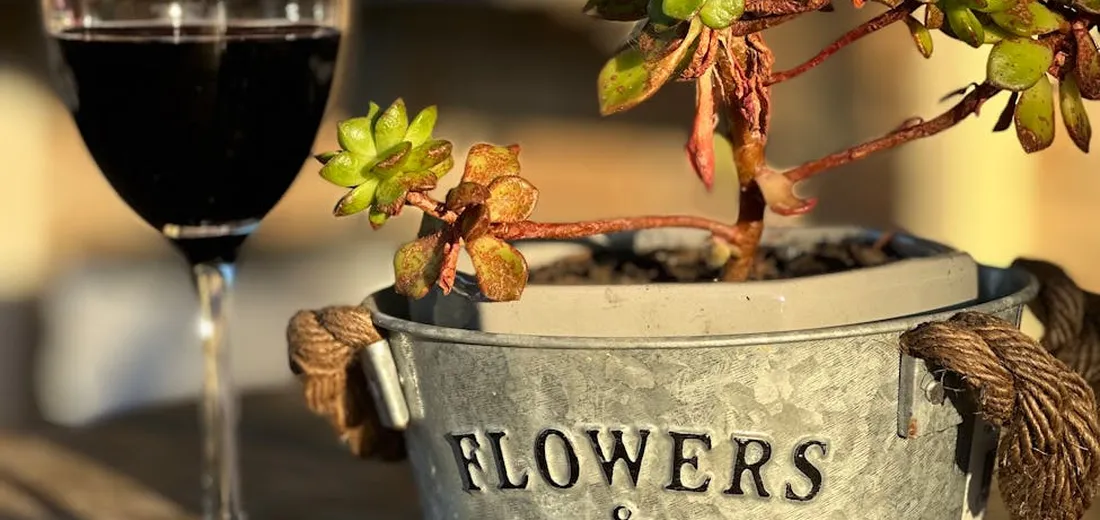
I always tell new plant parents that learning your window directions is the single most useful skill you can develop. Your window’s orientation is like a built-in instruction manual for your plants, telling you exactly what kind of light they’ll receive all day. I learned this the hard way after scorching a beautiful jade plant by putting it in a spot that was far too intense for it.
South-Facing Windows: The Sun Lovers’ Spot
A south-facing window is the sunniest spot in your home, receiving direct, intense light for most of the day. This is the premium real estate for succulents that truly thrive on sunshine. Think of it as a desert simulation chamber.
In my own home, I reserve the south-facing sill for my most light-hungry varieties.
- Echeverias: They need this strong light to maintain their tight, beautiful rosette shape.
- Most Sedums: These groundcovers love to bake and will show their best colors here.
- Jelly Bean Plants (Sedum rubrotinctum): The tips turn a brilliant red with enough direct sun.
- Aloes and Agaves: These desert natives are built for this kind of intense exposure.
Quick Tip: If you see your succulents stretching or leaning, they are begging for more light and are prime candidates for a south window.
East and West-Facing Windows: The Balanced Choice
These windows offer a fantastic middle ground that many succulents absolutely adore. An east window provides gentle morning sun, while a west window gives stronger afternoon rays. It’s a perfect blend of brightness without the harsh, all-day intensity.
My Haworthia collection lives happily in an east-facing window, and they’ve never been happier.
- Haworthias and Gasterias: They prefer bright, but indirect light to avoid leaf scorching.
- Snake Plants (Sansevieria): Incredibly adaptable, they do well in this moderate light.
- Christmas and Easter Cacti: Their natural habitat is under tree canopies, so filtered light is ideal.
- Panda Plants (Kalanchoe tomentosa): The fuzzy leaves can get sunburned in direct south light, so this is safer.
North-Facing Windows and Low Light Solutions
A north-facing window provides the lowest light levels, with no direct sun. While it’s a challenge for most sun-worshipping succulents, it’s not a complete lost cause with the right plant choices. I’ve successfully kept a few varieties alive in a dim north-facing bathroom for years.
You have two main strategies here: choose the most tolerant succulents or get creative.
- Pick the Right Plants: Some succulents are surprisingly resilient in lower light.
- Snake Plants (Sansevieria): The undisputed champions of low light.
- Zebra Plants (Haworthiopsis attenuata): They grow slower but will survive.
- Ponytail Palms (Beaucarnea recurvata): They tolerate lower light better than most.
- Use a Light Shelf: Install a simple floating shelf directly in the window to get the plant as close to the glass as possible, maximizing every bit of available ambient light.
If your only option is a north-facing window, don’t be afraid to use a small grow light to give your plants a boost, especially during the dark winter months.
How Many Hours of Light Do Your Succulents Crave?
This is where I see the most confusion. “Bright, indirect light” is a vague term. Let’s get specific. Most common succulents need at least 6 hours of bright light daily to stay compact and colorful. Those in a south window might get 8 or more hours of direct sun.
I use this simple table as a quick mental checklist for my own collection.
| Succulent Type | Ideal Daily Light | What Happens with Less? |
|---|---|---|
| Echeveria, Sedum, Sempervivum | 6+ hours of direct sun | Stretches out (etiolation), loses color |
| Haworthia, Gasteria, Snake Plant | 4-6 hours of bright, indirect light | Slowed growth, may become floppy |
| Low Light Tolerators (e.g., some Sansevieria) | 2-4 hours of indirect light | Very slow growth, but survival is possible |
Quick Tip: A succulent that isn’t getting enough light will literally reach for it, becoming tall and stretched with wide spaces between the leaves. This is called etiolation, and it’s a sure sign you need to move your plant to a brighter spot.
Supplementing with Grow Lights
Don’t have a sunny window? No problem! Grow lights are a game-changer. I rely on them every winter to keep my succulents from getting leggy and sad. My first setup was a simple clip-on LED light, and it made a world of difference. For best grow light setups across different indoor plants, you tailor spectrum, intensity, and duration to each type. Succulents love bright, steady light, while leafy greens and herbs appreciate a longer photoperiod and a balanced spectrum.
Here’s my simple guide to getting started with grow lights.
- Choose Full-Spectrum LEDs: They are energy-efficient, don’t get too hot, and provide the complete range of light plants need for photosynthesis.
- Position Them Correctly: For most succulents, place the light 6 to 12 inches above the plant. You can adjust it higher if you see signs of light burn (bleaching on the leaves).
- Set a Timer: Consistency is key. Use an outlet timer to give your plants 12-14 hours of light per day, mimicking a long summer day. This takes all the guesswork out of the process.
An affordable LED panel or bulb can be the difference between a succulent that merely survives and one that truly thrives in a low-light apartment.
Reading the Signs: Too Much or Too Little Light
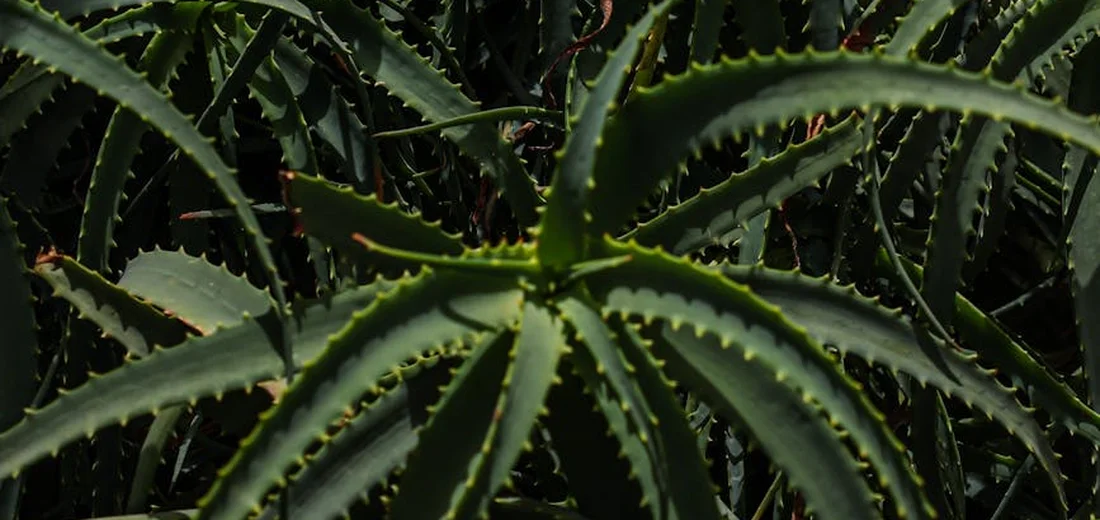
Your succulent will tell you everything you need to know about its light situation; you just have to learn its language. I’ve rescued many plants by simply learning to read these visual cues, and it’s a skill that will transform your care routine.
When Your Succulent Needs More Light
This is the most common issue I see with indoor succulents. They start stretching out, desperately reaching for any light source they can find. To fix and prevent etiolation from stretched succulents, give them bright, indirect light and rotate them regularly. This keeps growth compact and healthy.
- Etiolation (Stretching): The stem grows long and leggy, with large gaps between the leaves. It looks sparse and weak.
- Color Fading: Vibrant reds, purples, or deep greens fade to a pale, washed-out green.
- Leaf Dropping: Lower leaves may yellow and drop off more frequently than normal.
- Slowed or Stopped Growth: The plant seems to be in a permanent state of pause, putting out no new leaves.
If you see stretching, act fast and move your plant to a significantly brighter spot to prevent permanent, weak growth.
When Your Succulent Gets Too Much Light
Yes, you can have too much of a good thing, especially with a sudden move to intense sun. Think of it like a sunburn.
- Sunburn: You’ll see crispy, brown, or white scorched marks on the leaves. These scars are permanent.
- Color Changes: While some “stress coloring” is desirable, an overall bleached, yellowish, or brownish look often means it’s cooking.
- Leaves Feeling Hot: If you touch the leaves in the afternoon and they’re warm or hot, that’s a clear sign they’re getting more direct sun than they can handle.
Acclimate any plant slowly over a week or two when moving it to a sunnier location to avoid shocking it.
Succulent Spotlights: Matching Varieties to Your Light
Based on my years of collecting, here’s my personal guide to pairing the right plant with the light you actually have at home.
Low Light Champions
Let’s be honest-“low light” for succulents means “survivable, not ideal” light. These are the troopers for that north-facing window or a spot farther back from a bright one. If you’re looking for some of the best options, check out low light succulents that can tolerate less ideal conditions.
- Snake Plant (Sansevieria): The undisputed king of low light. I’ve kept them in dim corners for years, and they just keep going. They grow very slowly there, but they won’t die.
- Zebra Haworthia (Haworthiopsis attenuata): With its striking striped pattern, this little guy is perfectly happy with some gentle morning sun or bright, indirect light all day.
- Gasteria: Their tongue-shaped leaves are tough and handle lower light levels beautifully. They’re one of my top recommendations for beginners in less-than-sunny apartments.
Rotate your low-light succulents a quarter-turn every time you water to keep them from leaning heavily toward the light source. This also promotes even airflow around the plants, helping prevent moisture buildup that can lead to disease.
Bright Indirect Light All-Stars
This is the sweet spot for most common household succulents. Think of the light in a spot near a south or west-facing window, but where the sun’s rays don’t directly hit the leaves.
- Echeveria: They need several hours of very bright light to maintain their tight rosette shape. An east-facing window where they get direct morning sun is perfect.
- Jade Plant (Crassula ovata): A classic for a reason. It thrives in a bright spot and will develop beautiful red edges on its leaves with enough light.
- String of Pearls (Senecio rowleyanus): Those plump pearls need lots of bright, indirect light to stay firm and prevent rot. I keep mine in a bright bathroom window.
- Aloe Vera: Prefers bright light but can scorch in intense, direct afternoon sun. A west or east window is usually ideal.
Full Sun Fanatics
These are the sun-worshippers, the ones that can handle-and truly crave-the heat of a south-facing window or a spot outdoors in the summer.
- Most Sedum and Sempervivum (Hens & Chicks): These are hardy, outdoor groundcovers for a reason. They need a full day of direct sun to show their best colors and compact form.
- Aeonium: Their stunning, architectural rosettes love cool, bright, and sunny conditions. They are a staple in my sunny window displays.
- Agave: These architectural powerhouses are built for the desert sun. The more light you can give them, the happier and more striking they’ll look.
- Prickly Pear Cactus (Opuntia): A true cactus that will thrive with as much direct sunlight as you can provide. It’s nearly impossible to give this one too much sun indoors.
Even full-sun fanatics bought from a nursery need a gradual introduction to your sunniest window to prevent sunburn.
FAQs
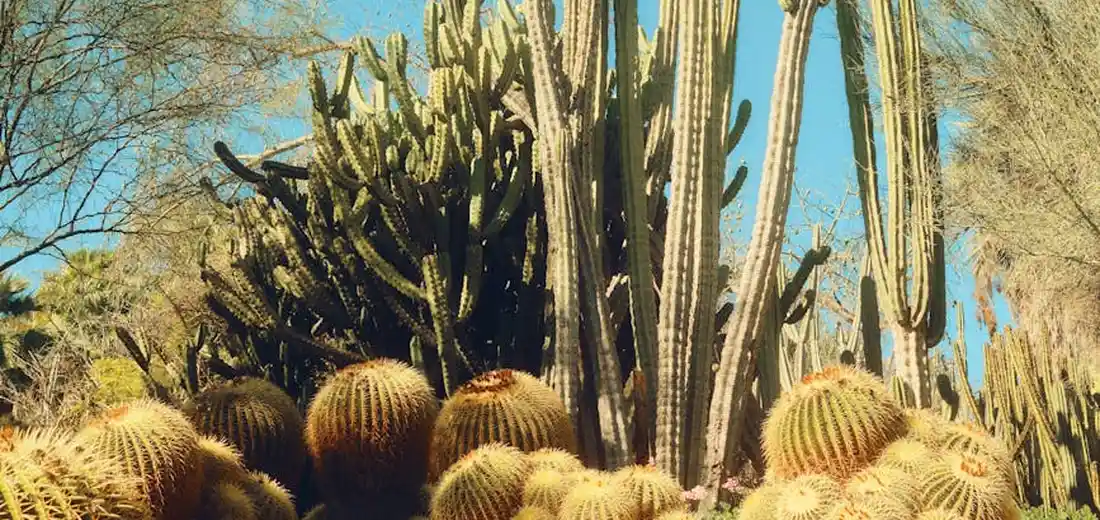
Can succulents thrive under fluorescent office lighting?
Most succulents can survive under fluorescent lights but may not thrive without additional full-spectrum lighting. This topic is covered in our complete guide to growing outdoor succulents indoors, where we show how to translate outdoor setups for indoor success.
Why do some succulents develop red tips only?
Red tips on succulents are often a sign of adequate light exposure and stress coloring, which is usually desirable.
Is there a mobile app to check light levels for succulents?
Yes, light meter apps can help estimate light levels, though they may not be as precise as dedicated devices.
What do Reddit users commonly advise about succulent light needs?
Reddit users often emphasize gradual acclimation to direct sun and using south-facing windows for light-loving varieties.
Are red-colored succulents more sensitive to light changes?
Red succulents can be more prone to sunburn if not acclimated slowly, but they generally handle high light well.
How can I personalize a light needs chart for my succulent collection?
Create a simple chart by grouping your succulents based on their leaf color and native habitat light preferences.
Your Succulent Light Success Plan
In my years of nurturing succulents, I’ve found that tailoring light exposure to each plant’s natural habitat prevents common issues and promotes vibrant growth, whether it’s using natural light or grow lights for succulents effectively. Keep this simple guide in mind:
- Most succulents thrive with 4-6 hours of bright, indirect light daily.
- High-light species like Echeverias enjoy some direct sun, while low-light ones like Snake Plants adapt to shade.
- Watch for signs like stretching or color changes to gauge if adjustments are needed.
Trust your observations and make small changes to find the sweet spot for your plants. You’re now equipped to help your succulents shine—give them a little love and light, and enjoy watching them thrive! For newly propagated succulents, follow our care aftercare guide for step-by-step tips on rooting, watering, and gradual acclimation. It’ll help you spot early signs of stress and adjust care as they settle.
Further Reading & Sources
- Succulent Care Guide: High vs Low Light Succulents – Retro Den | Vintage Furniture and Homewares
- r/succulents on Reddit: How much dang light do these need?
- I’m frequently confused about the light requirements of …
- Do Succulents Need Sun? | Succulent Bar
Lena Greenfield is a passionate horticulturist and plant care expert with over 10 years of experience cultivating and nurturing hardy house plants. With a deep understanding of both indoor and outdoor gardening, Lena shares practical advice on choosing, caring for, and maintaining resilient plants that flourish year-round. Through her knowledge and hands-on approach, Lena helps plant lovers transform their spaces into vibrant, green sanctuaries, no matter their gardening experience.
Light Requirements