
How to Choose the Right Pot Size When Repotting Your Plants
Published on: December 27, 2025 | Last Updated: December 27, 2025
Written By: Lena Greenfield
Picking the perfect pot for your plant can feel like a guessing game, and getting it wrong can leave you worried about harming your green friend. I’ve learned through years of trial and error that the right pot size is the secret to a happy, thriving plant.
In this guide, I’ll walk you through why pot size matters for root health, how to measure your plant for a new home, the pros and cons of different pot materials, and the critical role of drainage holes.
Why Your Plant’s Pot Size Really Matters
Getting the pot size right is like buying shoes for a growing child. A pot that’s too small strangles the roots, while a pot that’s too large drowns them in soggy soil. I’ve learned this the hard way after losing a beautiful jade plant to root rot from an over-enthusiastic upsizing.
When a pot is too snug, the roots have nowhere to go. They circle the pot, becoming a tight, tangled mass that can’t absorb water or nutrients properly. Your plant stops growing and looks perpetually sad.
On the flip side, a pot that’s excessively large holds onto too much moisture. The small root system can’t drink all that water, leaving the soil wet for days and inviting root rot to set in. It’s a silent killer that’s completely preventable with the right pot choice.
The perfect pot provides just enough room for new root growth without creating a swamp. This balance encourages a strong, healthy root system, which is the foundation for a thriving plant above the soil.
How to Measure Your Plant for a New Pot
This isn’t a complex science project. You just need your eyes, your hands, and the plant in its current pot.
Understanding Root Bound Plants
A root bound plant is one that has completely outgrown its container. You’ll know it’s time for a new pot when you see roots poking out of the drainage holes or circling the top of the soil. I check for this every time I water my plants. Spotting those signs means you’ve got a problem to fix. Identify and fix root-bound plants by repotting into a larger pot with fresh soil, which usually resolves the issue.
To confirm, gently tip the plant out of its pot. A healthy root system will hold the soil together in a loose ball. A root bound plant looks different.
- The roots are a dense, tangled web, often with more root than soil visible.
- They may be growing in a tight circle, mirroring the shape of the old pot.
- The root ball is hard to break apart and might feel like a solid brick.
When you see this, your plant is shouting for more space. It’s definitely time to repot.
Simple Pot Size Measurement Guidelines
For most houseplants, you only need to go up one pot size. A good rule of thumb is to choose a new pot that is 1-2 inches larger in diameter than the current one. For a plant in a 4-inch pot, move to a 6-inch pot. For a 6-inch pot, move to an 8-inch.
Here’s my simple, two-step process for measuring:
- Measure the Current Pot: Use a tape measure to find the inner diameter of the pot at the top. Don’t include the lip or rim. This number is your starting point.
- Assess the Root Ball: Once you’ve gently removed the plant, look at the root ball. Your new pot should be just wide enough to fit the root ball with about an inch of space around all sides for fresh soil.
For slow-growing succulents and cacti, I’m even more conservative. I often keep them in the same pot for years, only repotting when the plant is so top-heavy it tips over. They truly prefer to be a little crowded. Knowing how often to fertilize and repot succulents is key for their health.
Choosing the Right Container Depth and Diameter
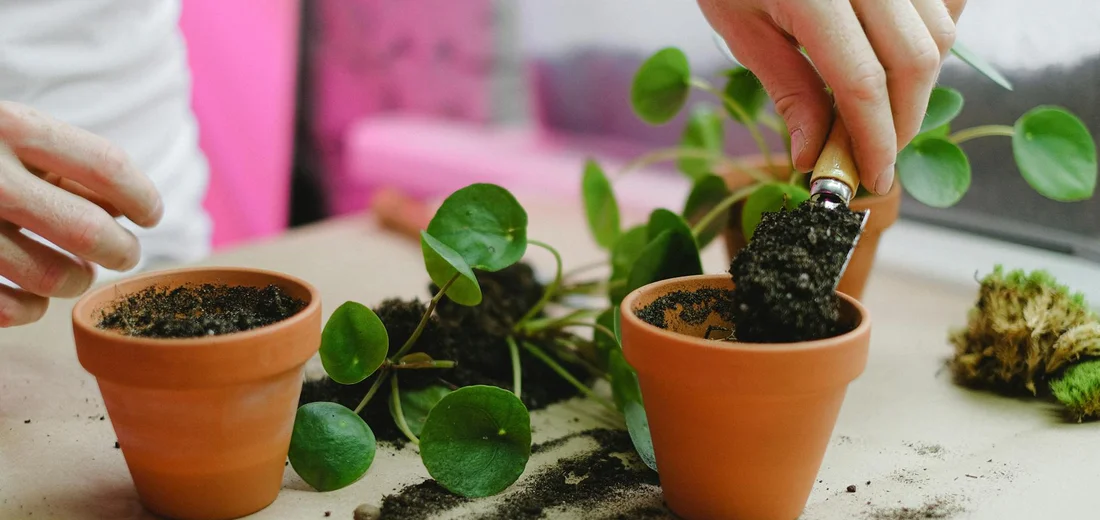
Getting the pot’s dimensions right is like buying shoes for a growing child; you need a little room to grow, but not so much that they’re tripping over themselves. I always measure the root ball first, then look for a pot that’s just 1-2 inches wider in diameter. This gives the roots space to explore without swimming in soggy soil.
When to Use a Deep Pot
Deep pots are your best friend for plants that are heavy drinkers or have impressive taproots. My Monstera and Fiddle Leaf Fig absolutely thrive in deeper containers because their roots love to stretch down. I reserve tall pots for plants that are visibly top-heavy or ones I know have a deep, vigorous root system.
- For fast-growing, thirsty plants like philodendrons.
- When repotting a plant with a long, carrot-like taproot.
- If your plant is constantly tipping over because it’s top-heavy.
When a Shallow Pot is a Better Choice
Shallow pots are the unsung heroes for many of our drought-tolerant friends. Most of my succulents and snake plants live in shallow pots because it prevents water from pooling at the bottom, which they absolutely despise. Their root systems are naturally shallow and widespread, not deep.
- For most succulents, cacti, and snake plants.
- When dealing with plants that have shallow, fibrous root systems like many ferns.
- If you’re creating a beautiful, wide succulent dish garden.
How Pot Material Changes the Game
The pot’s material isn’t just about aesthetics; it’s a core part of your plant’s watering schedule. The wrong pot material has been the cause of more plant casualties in my home than I’d like to admit. It directly controls how quickly the soil dries out.
Terracotta vs. Plastic: A Personal Experience
I have a massive collection of both, and I choose based on the plant’s personality. Terracotta is porous, so it pulls moisture from the soil and allows the roots to breathe, making it my go-to for plants that are sensitive to overwatering. I use terracotta for nearly all my succulents and my finicky String of Pearls.
Plastic pots, on the other hand, are lightweight and retain moisture much longer. I use plastic pots for my humidity-loving Calatheas and my peace lily, which throws a dramatic fit if it dries out completely. They’re also fantastic for hanging plants because they don’t add a ton of weight.
- Terracotta: Best for plants that like to dry out (succulents, cacti, snake plants). Heavier and can develop a beautiful patina.
- Plastic: Best for moisture-loving plants (ferns, calatheas). Lightweight and inexpensive, but requires careful watering.
Special Considerations for Repotting Succulents
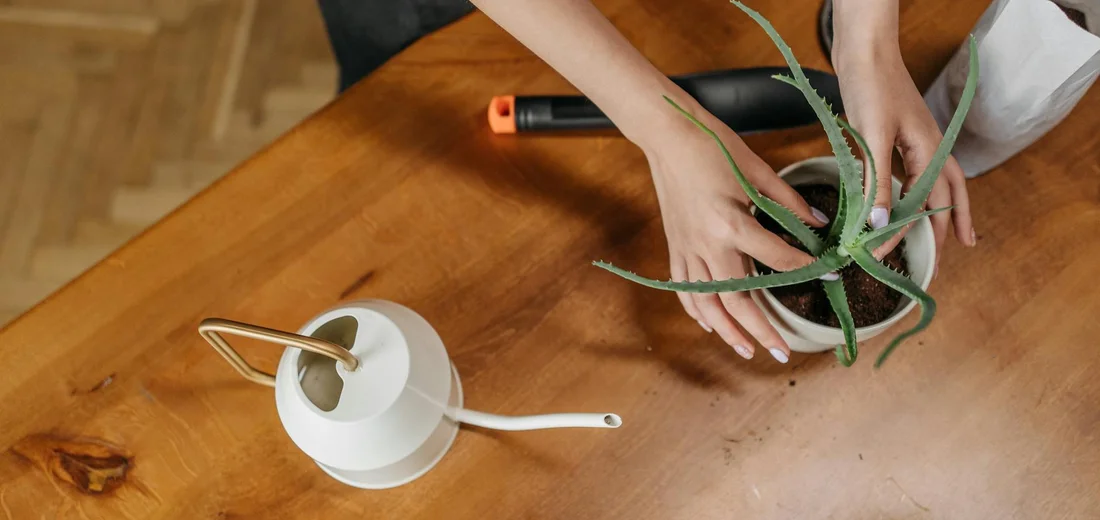
Repotting succulents is a different ballgame compared to your average houseplant. Their number one enemy is wet soil, so your pot choice is your first line of defense against overwatering. I’ve learned this the hard way after losing a few beautiful echeverias to pots that were just too kind with their moisture retention. That brings us to timing: when should you repot succulents and refresh their soil? A common rule of thumb is every 1–2 years, or sooner if the soil breaks down, compacts, or stays damp after watering.
For most succulents, you want a pot that is only 1 to 2 inches wider in diameter than the plant’s current home. A snug fit encourages the roots to fill the space, which helps the soil dry out more efficiently between waterings. A pot that’s too large acts like a giant, wet sponge around a tiny root system, creating a perfect storm for root rot.
My Go-To Pot Choices for Happy Succulents
- Terracotta is my top pick. Its porous nature pulls excess moisture from the soil, which is exactly what succulents crave. I can literally feel the pot getting damp after a watering-it’s actively working to keep my plants dry.
- Ceramic pots with a large drainage hole are a close second. I always check that the hole isn’t just a tiny pinprick. A good, chunky drainage hole is non-negotiable.
- Shallow pots, sometimes called “azalea pots,” are fantastic for succulents with shallow root systems like many sedums and sempervivums. They provide the width for the plant to spread without the unnecessary depth that holds water.
Depth is just as critical as width. If your succulent has a shallow, fibrous root system, a deep pot is a waste of soil and a risk for soggy conditions at the bottom. I always match the pot’s depth to the natural shape of the root ball I see during repotting. On the question of how much soil succulents really need, lean, fast-draining mix is usually enough. They don’t need a deep, soil-heavy pot—the goal is to support the root ball and promote drainage.
Special Considerations for Repotting Monsteras
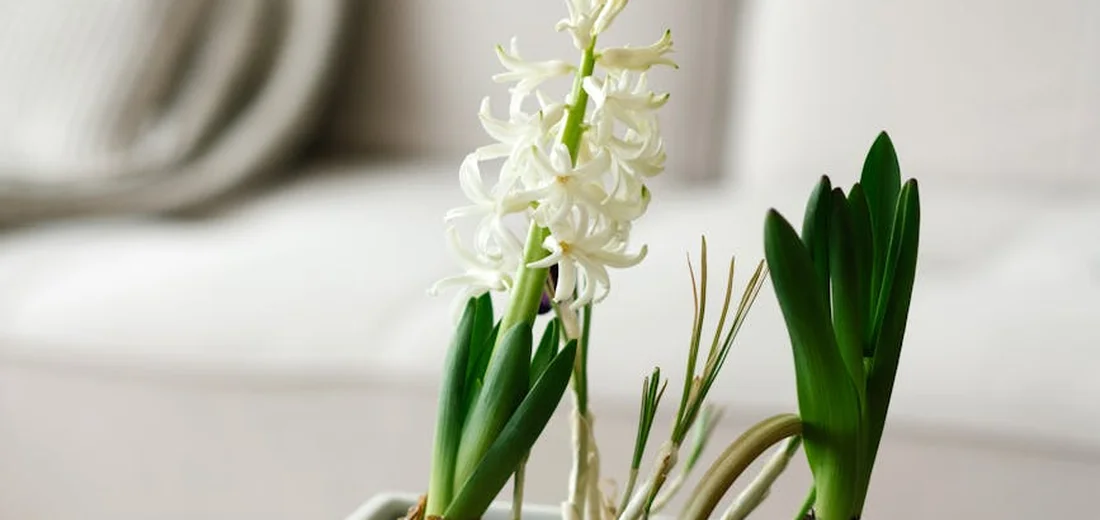
Monsteras are the gentle giants of the houseplant world, and their repotting needs reflect that. These plants are vigorous growers, and a too-small pot will visibly stunt their magnificent, fenestrated leaves. I once kept a Monstera deliciosa in the same pot for two years, and the new leaves came out smaller and without any splits-a clear cry for help.
For a healthy, growing Monstera, I typically upgrade to a pot that is 2 to 4 inches larger in diameter. This provides enough room for a year or two of explosive root growth without leaving so much empty soil that it stays waterlogged. You want to encourage growth, not drown it.
Key Signs Your Monstera is Ready for a Bigger Home
- Roots are circling the bottom of the pot or poking out of the drainage holes. This is the most obvious signal. When I water and it runs straight through, it often means the root-to-soil ratio is off.
- The plant is becoming top-heavy and unstable. A large Monstera in a small pot will feel like it’s going to tip over with a gentle nudge.
- New leaves are consistently smaller than older ones. The plant is telling you it doesn’t have the root space to support its grand ambitions.
Because Monsteras can get so large, the pot’s material and weight matter for stability. I often use heavier ceramic or composite pots for my mature Monsteras to prevent them from becoming top-heavy and tipping over. A lightweight plastic pot might be fine for a juvenile plant, but a five-foot-tall Monstera needs a solid foundation.
Quick Tip: When repotting a large Monstera, always add a sturdy moss pole or other support at the same time. It’s much easier to position the pole in the fresh soil than to try and add one later without damaging the established root system.
A Quick Guide to Pot Sizes for Common Houseplants
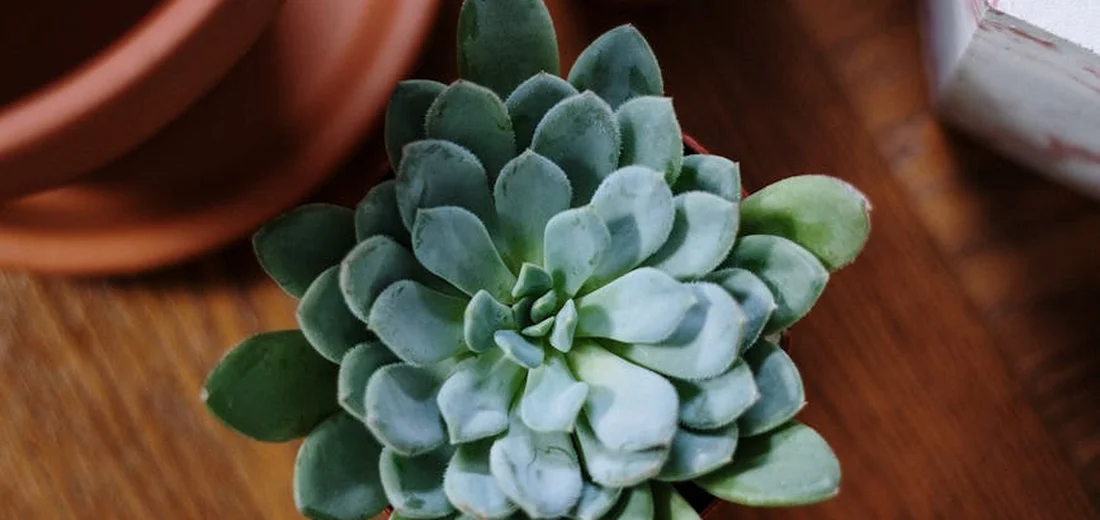
Over the years, I’ve learned that getting the pot size right is like giving your plant a custom-tailored home. Choosing a pot that’s just one to two inches larger in diameter than the current one is the golden rule I follow for almost every houseplant. For snake plants, a snug pot is key to healthy roots. In my step-by-step guide, I’ll show you how to choose the right pot size for snake plants and when to repot.
Snake Plants & ZZ Plants
These tough guys actually enjoy being a bit snug. Their rhizomes (those thick, potato-like roots) store water, so too much soil around them stays wet for far too long. I often wait until I see the plastic nursery pot start to bulge outwards before I even think about repotting my ZZ plant. When I do, I only go up one inch in diameter.
Monstera & Pothos
These popular vines are faster growers and appreciate a little more legroom. I typically move my monstera to a pot two inches wider. You’ll know it’s time when you see a dense web of roots circling the bottom of the pot or aerial roots going wild. A bigger pot supports their ambitious growth.
- Up-pot by 2 inches for vigorous growth.
- Use a moss pole in the new pot for support.
- Check for root-bound signs every spring.
Fiddle Leaf Fig & Rubber Plants
These statement trees need stable foundations. A pot that’s too large makes them prone to overwatering, while a tight pot can topple them over. For my fiddle leaf fig, I found that a heavy, ceramic pot just two inches wider provided the perfect balance of weight and root space. It prevented it from becoming top-heavy.
Succulents & Cacti (My Specialty!)
Here’s where you really need to be strict. Succulents have shallow, fine root systems that hate sitting in moisture. I always choose a new pot for my echeverias that is only one inch wider, and it must have a drainage hole. A deep pot is a death sentence for these drought-loving plants, no matter what else they need to thrive.
- Select a shallow “azalea” style pot over a standard deep one.
- Ensure the pot is only marginally wider than the plant’s rosette.
- Use a gritty, fast-draining soil mix to compensate for any extra space.
When I repot my haworthias, I sometimes even reuse the same pot and just refresh the soil! Resisting the urge to give a small succulent a mansion of a pot is the single best thing you can do for its long-term health. A cozy home means less risk of soggy soil and root rot.
Ferns & Calatheas
These moisture-lovers can handle a slightly more generous upgrade because they enjoy consistently damp (not wet) soil. I’ve had great success moving my Boston fern to a pot two inches larger, which gives its fine roots more territory to explore for water. Just be extra vigilant about your watering routine afterward.
| Plant Type | Recommended Pot Size Increase | My Pro Tip |
|---|---|---|
| Snake Plant, ZZ Plant | 1 inch wider | Wait until the plant is visibly cracking its nursery pot. |
| Succulents & Cacti | 1 inch wider | Always choose a shallow pot to match their shallow roots. |
| Monstera, Pothos | 2 inches wider | Perfect time to add a support structure like a moss pole. |
| Fiddle Leaf Fig | 2 inches wider | Opt for a heavy material like ceramic for stability. |
| Ferns, Calatheas | 2 inches wider | Monitor soil moisture closely after repotting. |
Remember, your plant will tell you what it needs. If you see roots poking out of the drainage holes or the soil drying out impossibly fast, it’s likely asking for a new home. Listen to it, and you’ll both be happier.
FAQs
What is the general rule for choosing the right pot size?
For most houseplants, select a new pot that is only 1-2 inches wider in diameter than the current one to balance root growth and moisture control.
What pot size is best for Monstera dubia?
Monstera dubia typically requires a pot that is 2-4 inches larger in diameter to accommodate its climbing roots and support healthy growth.
How does indoor growing affect pot size for Monstera dubia?
Indoor Monstera dubia still needs a pot 2-4 inches wider, but prioritize one with excellent drainage to handle stable indoor conditions.
What is the ideal pot size for succulents?
Succulents thrive in a pot that is just 1 inch wider and shallow to prevent excess soil moisture and root rot.
Does the indoor environment change the pot size for succulents?
Indoor succulents benefit from the same 1-inch wider pot rule, but may need less frequent watering due to lower light and air flow. Indoor succulents are often watered less than outdoor ones. Outdoor conditions—strong sun and wind—dry soil faster, so outdoor plants usually need more water.
How does outdoor growing influence succulent pot size?
Outdoor succulents can use the 1-inch wider guideline, but ensure the pot has ample drainage to handle rain and temperature variations. This is a key tip in our outdoor succulent care guide for growing succulents in your garden. For best results, place pots where they get bright, morning sun and good air circulation.
Your Plant’s Perfect Pot Awaits
To keep your plants thriving, always select a pot that’s just 1-2 inches larger in diameter than the current one. This simple step prevents overwatering and supports robust root development. Here’s a quick checklist to guide you:
- Increase pot size by only one increment when repotting.
- Ensure pots have drainage holes, especially for succulents.
- Choose materials like terracotta for better moisture control.
From my years of tending to houseplants and succulents, I can assure you that getting the pot size right makes a world of difference. Your plants will reward you with lush growth and fewer worries. Curious about taking outdoor succulents indoors? Here’s the complete guide to growing outdoor succulents indoors. For more hands-on tips and guides, explore Hardy House Plants at www.hardyhouseplants.com-I’m always here to help you grow your indoor oasis!
Further Reading & Sources
- r/houseplants on Reddit: Which size pot for repotting?
- Repotting Guide: Finding the Perfect Pot
- Houseplant Repotting Guide – Pistils Nursery
- How to Choose the Correct Pot Size for Your Plants
Lena Greenfield is a passionate horticulturist and plant care expert with over 10 years of experience cultivating and nurturing hardy house plants. With a deep understanding of both indoor and outdoor gardening, Lena shares practical advice on choosing, caring for, and maintaining resilient plants that flourish year-round. Through her knowledge and hands-on approach, Lena helps plant lovers transform their spaces into vibrant, green sanctuaries, no matter their gardening experience.
Repotting Guidelines