
How to Transition Outdoor Plants Indoors for Winter
Published on: January 9, 2026 | Last Updated: January 9, 2026
Written By: Lena Greenfield
Your beautiful outdoor plants don’t have to be a casualty of the first frost. I’ve successfully brought countless plants inside for the colder months, and I can tell you it’s a straightforward process that saves you money and keeps your green friends thriving.
In this guide, I’ll walk you through my tried-and-true method, covering the right time to move them, how to prep your plants, pest prevention, and finding the perfect indoor spot.
When to Start Your Winter Transition
Timing is everything with this process, and I’ve learned this through trial and error. My golden rule is to bring plants in before your home’s heating system kicks on for the season. This gives them a gentler adjustment period.
I watch the weather forecast like a hawk starting in late summer. The magic number for most of my tropical plants is 50°F (10°C). When overnight lows start consistently dipping near this point, I know it’s go-time. For more tender plants, like succulents, I bring them in a bit earlier, when nights hit 55°F (13°C). A single surprise frost can do irreversible damage.
- For Tropicals (Ferns, Pothos, Philodendron): Move indoors when nighttime temperatures are consistently between 50-55°F.
- For Succulents & Cacti: These are a priority. Bring them in when nights hit 55°F. They despise cold, wet conditions.
- General Rule: Plan your move for at least 2-4 weeks before your area’s first average frost date. This is your safety buffer!
Preparing Your Plants for the Move
You can’t just pick up a pot and walk inside. A little prep work prevents a world of headaches later, especially with pests. A thorough inspection is your most important step-I’ve saved countless plants from infestations by being diligent here.
Step 1: The Initial Inspection & Pest Control
Take each plant to a well-lit area and examine every single leaf, top and bottom. Look for sticky residue, fine webbing, or tiny moving specks. I use a magnifying glass for this. If I find any critters, here’s my go-to method:
- Spray the entire plant, drenching the leaves and stems, with a mixture of water and a few drops of mild dish soap.
- Gently wipe the leaves with a soft cloth to remove any pests and dust.
- For stubborn cases, I use an insecticidal soap spray, applying it once a week for two to three weeks before the move.
Step 2: Pruning and Cleaning
This is like giving your plant a fresh haircut before its new indoor life. Remove any yellowing leaves, dead flowers, or leggy growth to help the plant focus its energy. I also trim back any stems that have grown too long or unruly during the summer. A cleaner, more compact plant is easier to manage and place indoors.
Step 3: The Acclimation Period (Hardening Off)
This is the secret to avoiding shock. Don’t move a plant from full sun on the patio to a dim corner in your living room in one day. I start the transition about two weeks before the final move.
- Week 1: Move the plants to a shadier, more sheltered spot on your patio or porch.
- Week 2: Bring them into the brightest room in your house for a few hours each day, gradually increasing their time indoors.
- This slow introduction helps them adjust to lower light levels and more stable temperatures without dropping leaves.
The Acclimation Process: A Gradual Adjustment
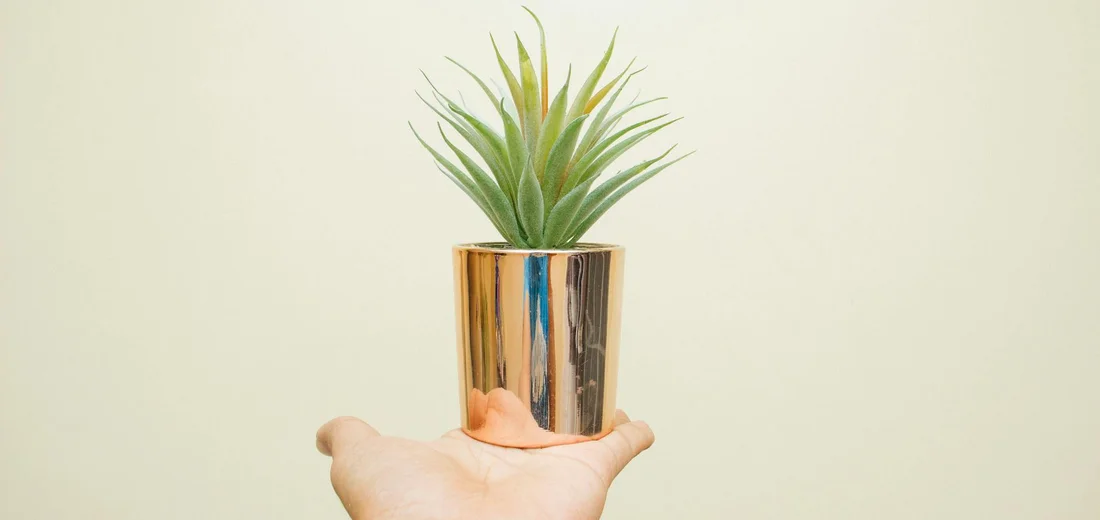
Moving your plants directly from the sunny patio to your living room is a major shock to their system. I learned this the hard way when I lost a beautiful jade plant to leaf drop after a rushed move. The goal is to mimic the gradual shift of seasons, not a sudden relocation.
Start this process at least two to three weeks before your first expected frost. This gives your green friends plenty of time to adapt without stress.
A Step-by-Step Guide to Hardening Off
- Begin with a temporary vacation. Bring your plants indoors for just a few hours during the hottest part of the day, then put them back outside. Do this for 2-3 days.
- Extend the indoor stay. For the next 4-5 days, let them stay inside overnight but return them to a shady, protected spot outdoors during the day.
- Choose their final quarantine spot. After a week of this back-and-forth, move them to the indoor location where they will live permanently. Keep them isolated from your other houseplants for at least two weeks.
This quarantine period is non-negotiable. Outdoor plants often carry hitchhikers like aphids, spider mites, or fungus gnats that can infest your entire plant collection. I keep my newcomers in a spare bathroom for this exact reason. During quarantine I treat new plants to kill hidden pests before they can spread. That extra step helps keep the rest of my collection safe from infestations.
What to Expect During the Transition
Your plants will likely protest a little. Don’t panic if you see a few yellow leaves or a bit of leaf drop. This is normal as they adjust to lower light levels and different air circulation. They are simply shedding foliage they can no longer support.
Resist the urge to overwater during this time. Their water needs will decrease significantly indoors. Stick your finger in the soil; if the top two inches are dry, then it’s time for a drink.
Finding the Perfect Indoor Spot
Light is the single most important factor for a successful transition. That sunny spot on your deck is much brighter than even the sunniest south-facing window indoors. You need to be realistic about the light your home actually provides.
Matching Plants to Your Home’s Light
- South-Facing Windows: This is your premium, bright direct light. This is the new home for sun-worshippers like most succulents, snake plants, and crotons.
- East-Facing Windows: Gentle morning sun. Perfect for plants that like bright but indirect light, such as African violets, Christmas cactus, and spider plants.
- West-Facing Windows: Strong afternoon sun. Good for many flowering plants and herbs, but monitor for scorching on delicate leaves.
- North-Facing Windows & Interior Rooms: Low light conditions. Only the toughest plants, like pothos, ZZ plants, and cast iron plants, will thrive here.
I use a simple trick to test light levels: hold your hand about a foot above a piece of white paper around noon. A sharp, well-defined shadow means high light, a fuzzy shadow means medium light, and barely any shadow means low light.
Other Crucial Environmental Factors
Your home’s environment is very different from the great outdoors. Pay close attention to these two elements.
Temperature and Drafts are a big deal. Keep plants away from heat vents, radiators, and drafty doors or windows. That blast of dry, hot air or a cold draft can cause as much stress as incorrect lighting. Most houseplants prefer the same temperatures you do, between 65-75°F (18-24°C).
Indoor air is notoriously dry, especially once the heat kicks on. This is tough on tropical plants. I combat this by grouping plants together, which creates a pocket of higher humidity. You can also place pots on a pebble tray filled with water (ensure the pot sits on the pebbles, not in the water) or run a small humidifier nearby. Controlling humidity is a key part of keeping indoor plants healthy. A steady humidity level helps tropical varieties thrive and reduces stress on leaves.
Quick Tip: Give your plants a quarter turn every time you water them. This ensures all sides get even light and prevents them from leaning awkwardly toward the window.
Adjusting Your Care Routine for Winter
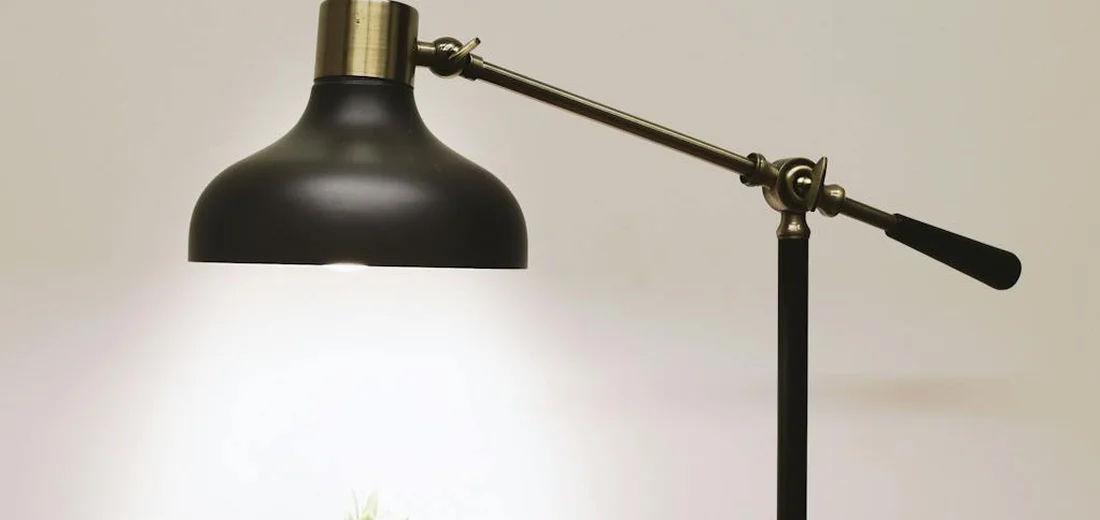
Bringing your plants inside is only half the battle; the real key to success is changing how you care for them. Your indoor winter environment is a completely different world compared to the great outdoors, and your plants need you to be their guide. To truly thrive, match indoor plants to your lifestyle and care commitment. Choose varieties that fit the time you can devote to watering, light, and monitoring their health.
Watering: Less is More
I learned this lesson the hard way with a beautiful fiddle leaf fig. I nearly drowned it that first winter because I kept watering it like it was still on my sunny patio. Plants enter a semi-dormant state in winter, meaning their growth slows way down and they need far less water.
Here’s my simple, go-to method for checking if a plant needs water:
- Stick your finger about two inches into the soil.
- If it feels dry, it’s time for a drink.
- If it feels cool or damp, wait a few more days and check again.
For most of my leafy tropicals, I find myself watering only once every two to three weeks, sometimes even less.
Light: The Great Indoors Challenge
Sunlight is dramatically weaker and available for fewer hours during winter. Your sunniest south-facing window in the summer might only get indirect light in the winter, so you have to play musical chairs with your plants.
I group my plants by their light needs:
- Sun Lovers (South/West Windows): Succulents, cacti, fiddle leaf figs, and citrus trees.
- Medium Light (East Windows): Pothos, philodendrons, peace lilies, and snake plants.
- Low Light (North Windows): ZZ plants and cast iron plants. Don’t be afraid to rotate your plants a quarter turn each time you water to ensure even growth.
Humidity: The Invisible Thirst
Heating systems make our homes wonderfully cozy for us but create a desert for our tropical plants. Low humidity is the silent killer of houseplants in winter, often causing crispy, brown leaf tips.
I combat dry air in a few simple, effective ways:
- Pebble Trays: Place a layer of pebbles in a tray, add water, and set your plant pot on top (ensure the pot isn’t sitting directly in the water).
- Grouping Plants: Placing plants close together creates a mini-humid microclimate as they release moisture.
- Occasional Misting: A quick spritz in the morning can help, but it’s a temporary boost, not a permanent solution.
Special Considerations for Succulents
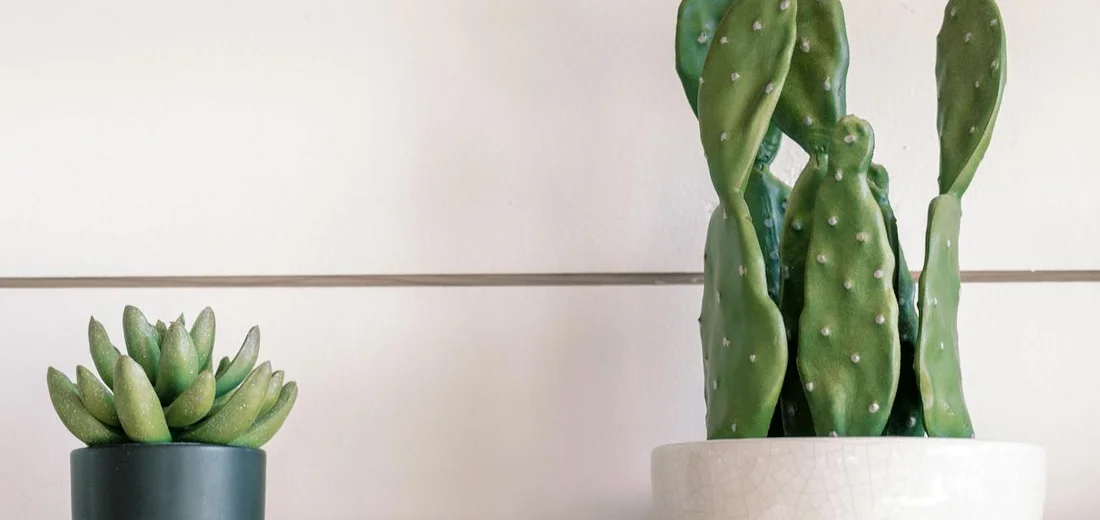
Succulents are tough, but they need a very specific winter routine to avoid becoming mushy and sad. My number one rule for winter succulent care is to almost forget they exist when it comes to watering. This is just one step in a seasonal care guide that adjusts succulent care through the year. In spring and summer, they typically need more light and a bit more water as growth resumes.
I’ve lost more jade plants to overwatering in winter than to any pest or disease.
The Winter Watering Rule for Succulents
For most succulents and cacti, you should water them deeply but infrequently—think once a month or even longer. Wait until the soil is completely bone-dry and the leaves feel just slightly less firm than usual before you even think about watering. A moisture meter is a great tool here, or you can use the trusty chopstick method—if it comes out clean, it’s probably safe to water. These guidelines tie into our complete guide on how often to water succulents. It explains how to tweak watering frequency based on species, climate, and potting mix.
Providing Enough Light
Succulents will etiolate, or stretch out, searching for light if they don’t get enough. They crave the brightest spot you can possibly give them, like a south-facing window. If your home is naturally dark, consider getting a simple grow light to supplement for a few hours a day. To use grow lights effectively, keep the fixture about 6-12 inches above the plants and run them on a timer for 12-14 hours daily. Choose a full-spectrum LED or fluorescent bulb to mimic natural daylight. It makes a world of difference in keeping them compact and colorful.
Temperature is Key
While succulents don’t like the freezing cold, they do appreciate a cooler period in winter. A spot that stays between 50-60°F (10-15°C) is ideal, as it encourages them to go properly dormant. This dormancy period is vital for their health and helps trigger blooming in the spring. Understanding the optimal temperature ranges for succulents helps you plan care year-round. While 50-60°F is a solid general target, some species may prefer slightly warmer or cooler conditions. Just keep them away from cold drafts from doors and hot blasts from heating vents.
Troubleshooting Common Transition Problems

I’ve moved hundreds of plants inside over the years, and I can tell you, problems are not a sign of failure. They’re just your plants communicating, and learning their language is the first step to a smooth transition. Let’s tackle the most frequent issues head-on.
Unwelcome Hitchhikers: Dealing with Pests
Bringing an outdoor plant inside without a pest check is like inviting ants to a picnic. I learned this the hard way one fall with a beautiful fiddle leaf fig that introduced me to a spider mite colony. The absolute best practice is to assume every plant has pests and treat it proactively before it crosses your threshold.
Here is my simple, three-step quarantine and treatment routine:
- Isolate: Keep new arrivals in a separate room for at least two weeks. I use my guest bathroom or a spare corner of the laundry room.
- Inspect: Look under leaves and along stems with a magnifying glass. Watch for tiny webs (spider mites), sticky residue (aphids or scale), or little white puffs (mealybugs).
- Treat: My go-to is a shower. Literally. Take the plant to your tub or sink and spray the leaves (top and bottom) and stems with a strong stream of lukewarm water to dislodge pests. For stubborn cases, I use an insecticidal soap spray, applied weekly for three weeks.
The Great Leaf Drop
If your plant starts shedding leaves like a tree in autumn, don’t panic. I’ve seen this with my ficus and citrus trees more times than I can count. Leaf drop is almost always a shock reaction to the sudden change in light levels from the bright outdoors to your dimmer indoor space. The plant is simply jettisoning leaves it can no longer support.
To help your plant adjust:
- Place it in the sunniest window you have, ideally a south or west-facing one.
- Resist the urge to over-fertilize; the plant is stressed, not hungry.
- Be patient. It will stop dropping leaves and push out new growth adapted to the indoor light within a few weeks.
Quick Tip: Gently wipe the leaves with a damp cloth once they’re inside. This removes dust and allows the plant to absorb more of the limited indoor light. For the best method, use a soft cloth dampened with lukewarm water and wipe along the leaf veins. Avoid soaps or detergents, which can leave a residue on the leaves.
When Watering Becomes the Problem
Outdoors, plants dry out faster due to wind and sun. Indoors, in cooler, still air, evaporation slows way down. Overwatering is the single biggest killer of houseplants in the winter, and it often starts right after you bring them inside. Your watering schedule needs a complete overhaul.
Forget the calendar. Your finger is now your best watering tool.
- For most tropical plants: Stick your finger two inches into the soil. Water only if it feels dry.
- For succulents and cacti: Let the soil dry out completely, then wait another week. I let my jade plants get almost bone-dry before giving them a thorough soak.
If you see yellowing leaves or a musty smell from the soil, you’re likely overwatering. Stop watering immediately and let the soil dry out completely to help the roots recover.
FAQs
How much water should you give plants before winterizing?
Water plants thoroughly a few days before moving them indoors to ensure they are hydrated but not waterlogged.
Which outdoor plants need winter protection?
Tropical plants, succulents, and tender perennials that cannot withstand frost should be brought indoors or shielded from the cold. Some succulents can survive winter outdoors if you understand their cold hardiness and protect them appropriately.
How can you protect potted plants from frost?
If bringing them inside isn’t possible, move potted plants to a sheltered area like a garage or cover them with frost cloths overnight.
What materials can be used to insulate outdoor plants?
Burlap, straw, mulch, or specialized frost blankets are effective for insulating plants left outdoors during winter.
Is plastic wrap safe for winter protection?
Plastic wrap is not recommended as it can trap moisture and lead to mold or rot; use breathable materials like fabric covers instead.
What are signs that a plant needs more winter protection?
Yellowing leaves, wilting, leaf drop, or frost damage indicate that a plant requires additional protection from cold conditions.
Your Plants Are Ready for Winter Inside
I’ve moved dozens of my own succulents and houseplants indoors over the years, and the single most important rule is to make the change gradual and observant. That same approach matters when transitioning succulents between seasons to avoid shock. Make seasonal shifts gradual and observe their response. Stick to this simple checklist for a smooth transition:
- Slowly acclimate your plants to lower light levels over 1-2 weeks.
- Thoroughly inspect and clean leaves to prevent bringing pests inside.
- Adjust your watering routine to match the drier indoor air.
You’ve got this-your green companions are tough and will reward your care with healthy growth all season long. For more trusted advice tailored to your plant family, I invite you to explore other helpful guides right here on our site.
Further Reading & Sources
- 7 Plants I Bring Indoors for Winter (and 5 Not Worth the Trouble)
- How to Bring Outdoor Plants Indoors for Winter | The Old Farmer’s Almanac
- 6 Outdoor Plants You Should Always Bring Indoors Before Winter Hits
- When & How to Bring Outdoor Plants Inside for Winter | Garden Design
Lena Greenfield is a passionate horticulturist and plant care expert with over 10 years of experience cultivating and nurturing hardy house plants. With a deep understanding of both indoor and outdoor gardening, Lena shares practical advice on choosing, caring for, and maintaining resilient plants that flourish year-round. Through her knowledge and hands-on approach, Lena helps plant lovers transform their spaces into vibrant, green sanctuaries, no matter their gardening experience.
Light and Temperature