
How Often Should You Water Succulents?
Published on: December 9, 2025 | Last Updated: December 9, 2025
Written By: Lena Greenfield
Figuring out when to water your succulents can feel confusing. You might worry about giving them too much or too little, but the secret is simpler than you think.
In this guide, I’ll share everything I’ve learned from years of keeping my own succulents thriving, including seasonal watering schedules, the best soil for drainage, and how to spot the signs of overwatering and underwatering.
Why Getting Succulent Watering Right Matters
Proper watering is the single most important skill you can master for a thriving succulent collection. Getting it right is what separates a lush, colorful plant from a mushy, brown one languishing in the compost bin.
I learned this the hard way with my first jade plant. I treated it like my other leafy greens, giving it small, frequent sips. Within weeks, its plump leaves turned soft and yellow, and it dropped them constantly. That was my first, sad introduction to root rot. Overwatering doesn’t just drown the roots; it creates an anaerobic environment where harmful fungi and bacteria thrive, literally eating the plant from the roots up.
Succulents are fundamentally different from your average pothos or fern. Think of their thick, fleshy leaves as built-in water storage tanks. They evolved to survive long droughts by hoarding every precious drop. A tropical plant is like a daily commuter who needs frequent refueling, while a succulent is a desert explorer built to travel vast distances on a single canteen. Many succulents come from arid or rocky deserts, not tropical rainforests. Understanding their native habitats helps explain their watering and light needs. Watering them on a set schedule ignores their incredible natural design.
The Golden Rule: The Soak and Dry Watering Method
Forget watering on a calendar schedule. The only method I trust and use for all my succulents is the “Soak and Dry” method. It perfectly replicates the boom-and-bust rain cycles of their native habitats. It’s a cornerstone of the bottom watering techniques in my succulents complete guide. Look to that guide for a step-by-step on how to execute bottom watering from the tray or saucer.
- Step 1: Check soil dryness by feeling the top inch or using a moisture meter. Don’t just glance at the surface. Stick your finger a full inch into the soil. If you feel any coolness or moisture at all, walk away. It must feel completely dry and crumbly.
- Step 2: Water thoroughly until it drains out the bottom. When the soil is bone-dry, bring your plant to the sink. Pour water evenly over the soil until you see a steady stream flowing from the drainage hole. This ensures the entire root ball gets hydrated.
- Step 3: Allow soil to completely dry before watering again. This is the “dry” part of the cycle. Let all that excess water drain away completely, then return your plant to its sunny spot and do not water again until the soil is once again dry an inch down.
This method works because it gives the roots the deep drink they crave, followed by the period of dryness they need to breathe and prevent rot. In the desert, a downpour soaks deep into the ground, and then the sun bakes the earth dry for weeks-your succulent is waiting for that exact pattern.
I highly recommend using a watering can with a long, narrow spout. This lets you direct water precisely to the soil base and avoid getting the delicate leaves wet, which can lead to sunburn or rot. A simple, targeted tool makes this entire process cleaner and more effective.
How Often to Water Based on Season and Climate
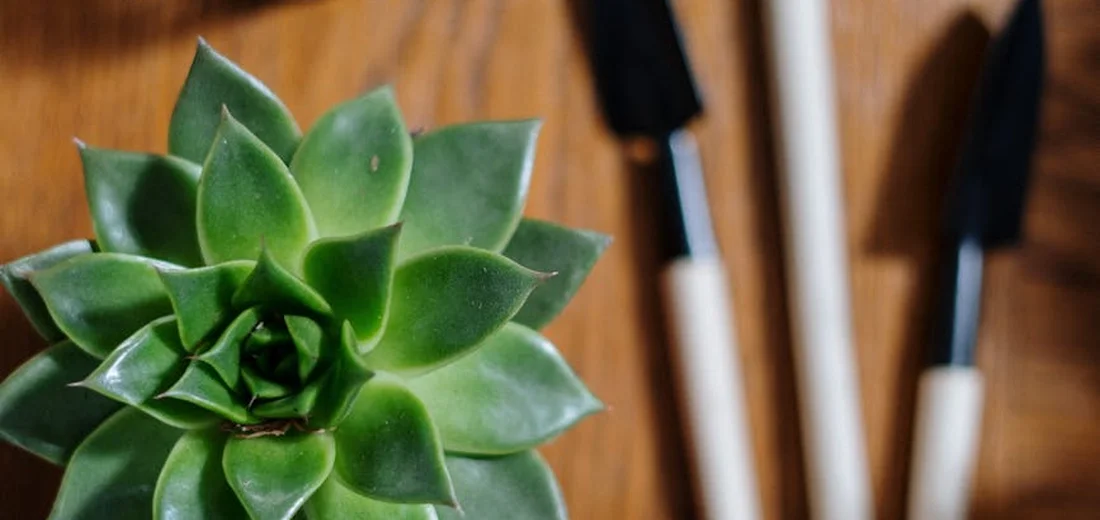
Your succulent’s thirst changes with the calendar, just like your craving for iced tea versus hot cocoa. I’ve learned that treating my plants as static decorations is the fastest way to drown their roots; they are living things that respond to their environment. In this seasonal care guide, we’ll explore how to adjust watering, light, and temperature as the year changes. Let’s break down what your plant needs throughout the year.
Spring and Summer Growing Season
This is your succulent’s party time. With more sunlight and warmer temperatures, it’s actively growing and will use up water much faster. In my sunniest window, I often find myself watering my echeverias and jades as often as every 10-14 days during a hot spell. In winter, when growth slows [flexible_link url="https://hardyhouseplants.com/how-often-to-water-succulents-in-winter-vs-summer" type="permanent"]watering needs drop[/flexible_link], and you’ll likely go longer between waterings. The key is to always check that the soil is completely dry first.
- Increase your watering frequency to approximately every 1 to 2 weeks, but only after confirming the soil is bone-dry.
- Remember that higher light levels and soaring temperatures directly increase your plant’s thirst and metabolic rate.
Fall and Winter Dormant Period
When the days get shorter and cooler, your succulent is basically taking a long nap. Its growth slows way down, and so does its water consumption. Overwatering during dormancy is the most common mistake I see, and it’s how I lost my first few succulent babies years ago. You must pull back significantly. This is the dormancy phase of the seasonal growth cycle. Understanding these dormancy periods helps you time watering and light with the seasons.
- Drastically reduce watering to every 3 to 4 weeks, or even longer. Some of my cacti only get a sip once all winter.
- Cooler, darker conditions naturally slow the plant’s water uptake, and the soil takes much longer to dry out.
Adjusting for Your Home Environment
Your house has its own unique climate that you need to account for. My home office gets incredibly dry from the heating vent in winter, which means the soil in nearby pots dries faster than in other rooms. You have to be a detective in your own space.
- Indoor heating in winter and air conditioning in summer create very dry air that can suck moisture from the soil, potentially requiring slightly more frequent watering.
- Homes with high humidity will let soil stay moist for longer, meaning you should extend the time between waterings.
A great tip is to use the “finger test.” Stick your finger two inches into the soil; if you feel any coolness or dampness at all, hold off on the water. This simple check has saved more of my plants than any fancy gadget.
Reading Your Succulent’s Thirst Cues
Your succulent will tell you exactly when it needs a drink, you just have to learn its language. I’ve learned to ignore the calendar and watch the plant itself; it’s the most reliable method I’ve found after years of collecting.
Signs of Overwatering
Overwatering is the fastest way to harm a succulent, and the signs are unmistakable once you know them. The first sign I always look for is a change in leaf texture-they should be firm, not soft. You can find more signs and symptoms to identify when your succulents need water.
- Mushy, soft leaves: A healthy succulent leaf is taut. If it feels soft and squishy, like an overripe peach, it’s holding too much water.
- Translucent leaves: The leaves may become semi-see-through, a sign that their cells are literally waterlogged and bursting.
- Black or brown stems: This indicates stem rot, a serious condition often caused by roots sitting in constantly wet soil.
- Soil that stays wet for days: If the potting mix is still damp 4-5 days after watering, it’s not drying out fast enough for the plant’s roots to breathe.
If you catch overwatering early, you can often save the plant. Immediately stop watering and move the plant to a brighter, airier spot to help the soil dry faster. For more advanced cases, you may need to unpot the plant, cut away any black, mushy roots with a sterile tool, and repot it into fresh, dry, well-draining soil.
Signs of Underwatering
While overwatering is dangerous, underwatering is usually a much easier problem to fix. Succulents are built to handle drought, so they give you very clear signals when their reserves are running low. To identify overwatering or underwatering, look for signs like mushy leaves or root rot for overwatering, or dry, wrinkled leaves for underwatering. Then you can apply the appropriate fix.
- Wrinkled or shriveled leaves: The plant starts to consume the water stored in its lower, older leaves, causing them to pucker and thin out.
- Slow or stunted growth: During their active growing season, a thirsty succulent will often pause its growth to conserve energy and resources.
- Soil pulling away from pot edges: As the potting mix completely dries out, it often shrinks and creates a gap between the soil and the inside of the pot.
- Flat, deflated-looking leaves: The plump, rounded leaves will start to look thin and deflated, like a balloon a few days after a party.
The resilience of succulents always amazes me. Give a wrinkled succulent a thorough, deep soak, and you can often watch the leaves plump back up within a day or two. Ensure water runs out of the drainage hole, then let it drain completely before returning it to its saucer.
Indoor Versus Outdoor Succulent Watering
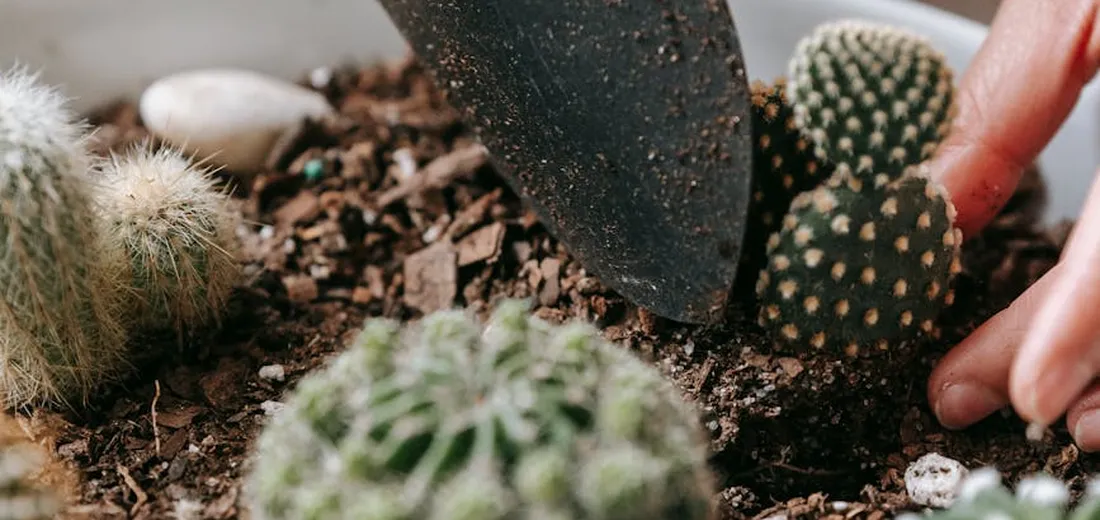
Where you keep your succulents dramatically changes their thirst level. Outdoor plants live in a much more demanding environment and often need more frequent drinks than their indoor cousins.
Why Outdoor Succulents Get Thirstier
Plants living outside are exposed to the full force of the elements. Direct sun, wind, and higher temperatures cause water to evaporate from the soil and the plant itself much faster.
- Sunlight and heat bake the soil, drying it out quickly.
- Wind acts like a giant blow dryer, pulling moisture from leaves and the pot.
- Rain can be unreliable, sometimes providing too much water at once or not enough.
The Slower Pace of Indoor Life
Inside your home, the environment is far more controlled and gentle. Low light levels and stagnant, still air are the main reasons indoor succulents need water less often. Outdoor succulents, by contrast, usually receive brighter light and more air movement, so they often need watering more frequently. When comparing indoor vs outdoor succulents, adjust your watering schedules accordingly.
- Weaker light means the plant grows slower and uses less water for its processes.
- Without a breeze, moisture just sits around the leaves and soil, taking much longer to evaporate.
- Air conditioning and heating can create dry air, but this is often offset by the lack of direct, draining sunlight.
I learned this lesson the hard way after moving a jade plant from my sunny patio to a bright indoor windowsill. I kept the same watering schedule and nearly drowned the poor thing because it just wasn’t drinking as much without the full sun and wind. I had to let it dry out completely and adjust my routine.
A simple shift in location means a complete shift in care. Always check the soil moisture first, rather than watering on a set calendar schedule, especially after moving a plant.
Setting Up for Success: Soil and Pot Choices
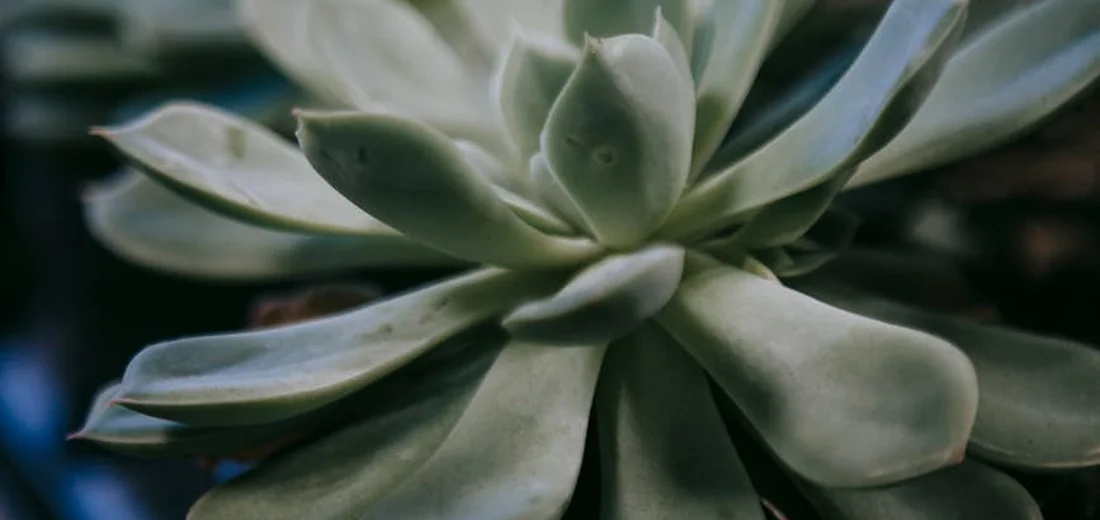
Ideal Soil Mix for Drainage
I learned the hard way that using regular potting soil is a fast track to a dead succulent. The single most important factor for a healthy succulent is the soil it lives in. That dense, moisture-retentive soil that works for your ferns will suffocate succulent roots and cause rot.
You need a gritty, airy mix that mimics their native, rocky habitats. I always use a commercial cactus and succulent mix as my base, but I never use it straight from the bag. My go-to recipe is two parts cactus soil to one part perlite or coarse sand. This creates pockets of air and ensures water flows through almost instantly.
- Commercial Cactus/Succulent Mix: A good, convenient starting point.
- Perlite: Those little white specks create air pockets and improve drainage dramatically.
- Coarse Sand (Horticultural Grade): Adds weight and grit, preventing compaction. Don’t use fine beach sand-it turns to concrete!
- Pumice: A fantastic, porous alternative to perlite that doesn’t float to the top over time.
This soil composition directly dictates your watering schedule. A gritty mix drains so fast that you can water more thoroughly without fear, and the soil dries out quickly, signaling it’s time for the next drink. A well-draining soil gives you a much larger margin for error, making overwatering far less likely.
Selecting the Right Pot
Your pot is just as critical as your soil. I’ve experimented with every type imaginable, and the pot’s material changes everything about your watering routine.
This is non-negotiable: your pot MUST have a drainage hole. I don’t care how cute the pot is; if it doesn’t have a hole, don’t put a succulent in it. A hole allows excess water to escape, preventing the roots from sitting in a soggy bath.
- Terracotta (Unglazed Clay): My absolute favorite for beginners. Terracotta is porous, so it wicks moisture away from the soil, helping it dry out faster. This is a huge safety net if you’re prone to over-love with watering. The downside is you might need to water a bit more frequently, and they can be heavy.
- Ceramic (Glazed): These pots are beautiful and come in endless colors. The glaze seals the clay, so they retain moisture much longer than terracotta. With a glazed ceramic pot, you must wait significantly longer between waterings because the soil stays wet for days. They are also heavier and often more expensive.
- Plastic: Lightweight, inexpensive, and durable. Plastic is non-porous, so it holds moisture in the soil the longest. If you use a plastic pot, you must be extra vigilant and let the soil dry out completely before even thinking about more water. They are great for shelves but require a very light watering hand.
My personal rule is to match the pot to my watering habits and the plant’s needs. For a succulent I know is drought-tolerant or if I’m unsure, I always plant it in terracotta for that extra drying power. It has saved more of my plants than I can count.
Tailoring Watering to Succulent Types and Ages
Just like people, different succulents have different thirst levels. I’ve found that grouping them by their natural habitat is the easiest way to remember their needs. A desert cactus doesn’t drink like a jungle haworthia.
Watering Needs for Common Varieties
Over the years, I’ve noticed distinct watering patterns among my collection. This quick-reference guide is based on my own trial and error with these popular plants.
- Echeveria & Sempervivum (Hens & Chicks): These rosette-forming beauties prefer a good, deep soak followed by a period of complete drought. Wait until their lower leaves show a slight wrinkle.
- Haworthia & Gasteria: Hailing from shadier, rockier environments, these guys are more forgiving. They can handle slightly more frequent watering than a typical desert succulent. Let the soil dry completely, but you don’t need to wait for wrinkles.
- Sedum & Graptopetalum: These are some of the most drought-tolerant succulents I own. Their plump leaves store an incredible amount of water, so I often let them go bone dry for a week or two beyond what my echeverias need.
- Aloe & Agave: Their thick, fleshy leaves are built for long dry spells. I water my aloe plants only when the soil is completely dry and the pot feels light.
- Epiphytic Cacti (like Christmas Cactus): These are the exceptions! They naturally grow in trees and need more consistent moisture, especially when budding. Let the top inch of soil dry out before watering again.
Caring for Young Plants and Cuttings
Baby succulents and freshly planted cuttings need a different kind of love. Their tiny root systems can’t access deep water reserves like a mature plant can.
For propagation, I keep the soil slightly moist, not soggy. I use a spray bottle to mist the soil surface every few days until I see new roots forming. This encourages growth without drowning the delicate cutting.
Once your young plant is established and showing new growth, you can start treating it more like an adult. Gradually extend the time between waterings to train those roots to seek out moisture. This builds a stronger, more resilient plant.
My mature succulents thrive on my “tough love” watering schedule. An established plant with a robust root system is perfectly happy being ignored until its soil is parched. This maturity is what allows them to survive our busy lives and occasional forgetfulness.
Common Questions
Is there a downloadable succulent watering guide PDF?
While this article serves as a complete guide, you can create your own PDF reference by noting the key points: the soak and dry method, seasonal adjustments, and reading your plant’s thirst cues.
What is the most important rule in a succulent watering guide?
The golden rule is to always let the soil dry out completely between waterings, then soak it thoroughly until water drains from the bottom.
How does the season affect my watering schedule?
Water more frequently in the warm, bright growing season (spring/summer) and drastically reduce watering during the cool, dim dormant period (fall/winter).
Can I water my succulents on a fixed weekly schedule?
No, you should never water on a fixed schedule and instead always check for complete soil dryness first to prevent root rot.
Do all types of succulents need the same amount of water?
No, watering needs vary; for example, Haworthia can handle slightly more water than drought-tolerant Sedum, while epiphytic cacti need more consistent moisture.
What is the single best sign that my succulent needs water?
The most reliable sign is when the leaves begin to look slightly wrinkled or shriveled, indicating its internal water reserves are running low.
Your Succulent Watering Game Plan
After nurturing countless succulents over the years, I’ve learned that the best approach is to water deeply but infrequently, always waiting until the soil is completely dry. Keep this simple checklist handy for success: succulent care basics.
- Test soil dryness with your finger before each watering.
- Soak the soil thoroughly, then let it dry out fully.
- Tailor your schedule to seasons, light, and pot type.
Trust your observations and stick to these basics-your plants will reward you with vibrant growth. For ongoing support and more plant care insights, follow along at Hardy House Plants. Remember, every gardener learns step by step, and you’re doing great!
Further Reading & Sources
- How to Water Succulent Plants | Succulents and Sunshine
- How Often to Water Succulents Without Killing Them
- r/succulents on Reddit: How do you water your succulents? 🤔
- How Often To Water Succulents 2025 Guide
Lena Greenfield is a passionate horticulturist and plant care expert with over 10 years of experience cultivating and nurturing hardy house plants. With a deep understanding of both indoor and outdoor gardening, Lena shares practical advice on choosing, caring for, and maintaining resilient plants that flourish year-round. Through her knowledge and hands-on approach, Lena helps plant lovers transform their spaces into vibrant, green sanctuaries, no matter their gardening experience.
Watering Practices