
Water vs Soil Propagation for Succulents: Which is Better?
Published on: January 14, 2026 | Last Updated: January 14, 2026
Written By: Lena Greenfield
If you’re trying to decide whether to propagate your succulents in water or soil, you’re facing a common dilemma for plant lovers. You might worry about which method is safer from root rot or delivers quicker, healthier growth for your new plants.
Based on my years of hands-on succulent growing, I’ll break down the pros and cons of each method, step-by-step guides for both, and my personal recommendations to help you succeed.
Understanding Succulent Propagation Basics
What is Propagation and Why Do It?
Propagation is simply making new baby plants from a parent plant you already own. I find it’s the most rewarding part of succulent care because it lets you multiply your collection for free. You can share plants with friends, fill out sparse pots, or even save a plant that’s gotten too tall and leggy by restarting it from a cutting.
I started propagating to save a jade plant that had a nasty fall and broke several branches. Instead of tossing the broken pieces, I turned them into five new, healthy plants. That experience taught me that every succulent has the potential for a second life.
Best Time to Propagate Your Succulents
Timing is everything for giving your new plant babies the best start. The ideal window is during their active growing season.
- Spring and early summer are the absolute best times. The longer daylight hours and warmer temperatures signal to the plant that it’s time to grow.
- Avoid propagating in the dead of winter. Growth slows way down, and cuttings can just sit there for months without developing roots, increasing the chance they’ll rot.
- My personal rule is to only propagate when I can see active new growth on the mother plant. That’s my green light.
Quick Tip: Propagate in the morning so any fresh cuts have the whole day to begin healing in dry air.
Water Propagation: A Clear View of Root Development
Water propagation involves suspending a succulent cutting just above water, encouraging roots to grow down towards the moisture. I was skeptical at first, thinking all succulents would rot, but I’ve been amazed by the results, especially with echeverias and sedums. This method is a straightforward form of watering propagation, letting you watch root development as it happens. When roots are vigorous, you can move the cutting into a well-draining potting mix.
Step-by-Step Guide to Water Propagation
- Take Your Cutting: Use a clean, sharp knife or scissors to take a leaf or stem cutting. A clean cut is healthier for the plant than a ragged tear.
- Let it Callous: This is the most critical step! Place the cutting in a dry, shady spot for 2-4 days until the cut end forms a dry, hardened layer. This seal prevents rot when it touches water.
- Choose Your Vessel: I love using small glass jars or bottles with narrow necks. The goal is to suspend the plant over the water without letting it touch the surface.
- Position the Cutting: Place the cutting on top of the jar so the calloused end is hovering just above the water. You can use plastic wrap with a hole poked in it to hold it in place.
- Wait and Watch: Place the setup in bright, indirect light. Change the water if it looks cloudy. In a few weeks, you’ll see tiny white roots reaching for the water.
- Pot Up: Once the roots are about an inch long, you can gently transfer your new succulent to a pot with dry, well-draining soil.
Watching those tiny roots search through the glass for water never gets old-it’s like a front-row seat to a miracle.
Pros and Cons of Water Propagation
Based on my many experiments, here’s the real deal on water propagation.
- Pros:
- You can see the roots forming, which is incredibly satisfying and lets you monitor progress.
- It often produces roots faster than the soil method for many common succulents.
- The constant humidity can encourage stubborn cuttings that might dry out in soil.
- Cons:
- There’s a higher risk of rot if the cutting isn’t properly calloused or if it accidentally touches the water.
- The water roots are different from soil roots and can be a bit delicate during the transition to soil.
- It requires more active management, like ensuring water levels are correct and changing the water regularly.
I reserve water propagation for cuttings I’m really excited about or that have struggled to root in soil. It feels more like a science project, and the success rate, when done carefully, is fantastic.
Soil Propagation: The Natural Route for Drought-Tolerant Plants
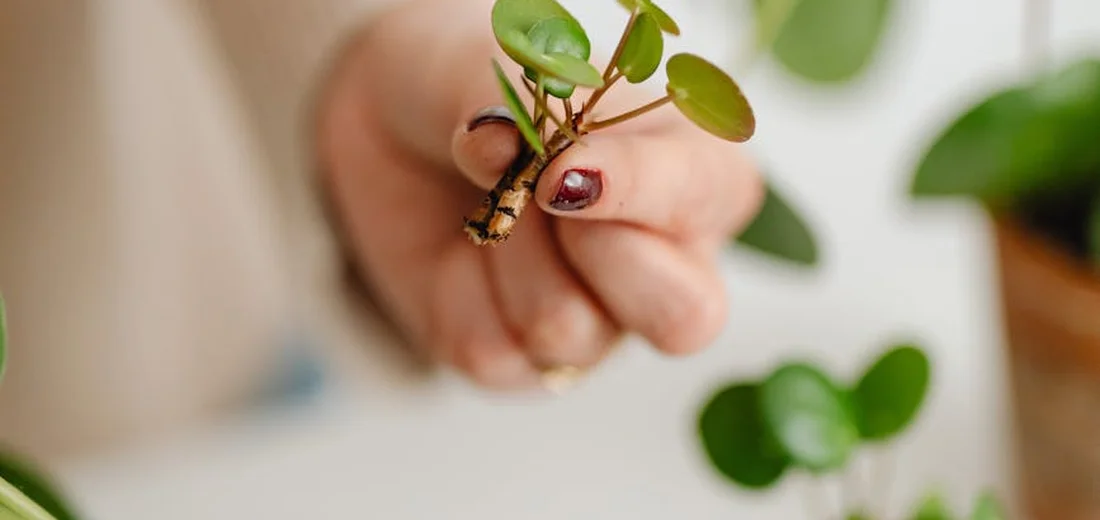
I always recommend soil propagation for beginners because it mimics how succulents grow in the wild. By starting your cuttings in a dry, gritty medium, you’re teaching them to seek out moisture from day one, which builds a more resilient root system. It feels like you’re working with the plant’s natural instincts rather than against them. For propagating from leaf cuttings, the same dry, well-draining medium works beautifully. After removing a leaf, let the cut end callous, then lay the leaf on the soil and wait for roots and a new plant to form.
Step-by-Step Guide to Soil Propagation
- Let your leaf or stem cutting dry out for 1-3 days until the cut end forms a callus. This is a non-negotiable step to prevent rot.
- Fill a small pot with a special succulent or cactus mix. I personally mix in extra perlite or pumice for even better drainage.
- Lay your callused leaves flat on top of the soil or stick stem cuttings just deep enough to stand upright.
- Place the pot in a spot with bright, indirect light. A sunny windowsill is perfect.
- Wait. This is the hardest part! Do not water until you see tiny pink roots or a new baby plant (a pup) forming. This can take a few weeks.
- Once you see growth, begin to water lightly around the base of the new roots, keeping the original leaf mostly dry.
Pros and Cons of Soil Propagation
Soil propagation’s biggest advantage is that it produces roots already adapted to their permanent home, so there’s no risky transition phase later. You’re essentially raising a tough, desert-ready plant from the start.
- Pros:
- No risk of transplant shock; the plant grows where it will live.
- Develops stronger, more fibrous roots suited for dry conditions.
- Much lower chance of rot if you follow the “no water until roots” rule.
- It’s a very hands-off, low-maintenance method once you get it started.
- Cons:
- It requires a lot of patience. You have to trust the process without visible proof for weeks.
- It can be tricky to know exactly when to start watering.
- Success can be slightly less consistent if your home is very dry.
The Great Rooting Race: Comparing Key Factors
Choosing between water and soil propagation often comes down to your personal style and patience level. I’ve found that water propagation is like a high-speed science experiment, while soil propagation is a slow, steady lesson in trust and natural cycles. Let’s break down the key differences.
Rooting Time and Success Rate
In my experience, water propagation almost always wins the speed race. You can see thin, white water roots forming in as little as one to two weeks. The visual feedback is incredibly rewarding and can feel much faster than waiting for invisible progress in soil.
However, speed doesn’t always mean better. While water roots appear quickly, they are often more fragile. Soil propagation takes longer-typically three to six weeks to see significant growth-but the roots it produces are hardier from the start. My overall success rate for a cutting surviving to maturity is actually higher with the soil method, precisely because the roots are so tough and well-adapted.
Rot Risk and Moisture Management
This is the most critical factor for succulent success. Overwatering is the number one killer of these plants.
With water propagation, the entire cut end is constantly submerged. You must be vigilant about changing the water weekly and ensuring the leaf itself stays completely dry, or a single slip can lead to a mushy, rotten cutting. It’s a balancing act.
Soil propagation, when done correctly, presents a much lower rot risk. The initial callusing period creates a protective seal. By withholding water until roots form, you are essentially forcing the plant to prove it’s ready for a drink, which dramatically reduces the chance of overwatering. The well-draining soil does the rest of the work, preventing any excess moisture from hanging around the vulnerable stem or leaf.
Quick Tip: If you’re prone to over-loving your plants with too much water, stick with soil propagation. Its “tough love” approach is more forgiving of a heavy watering hand.
Choosing Your Champion: Which Method is Best for You?
Best Succulents for Water Propagation
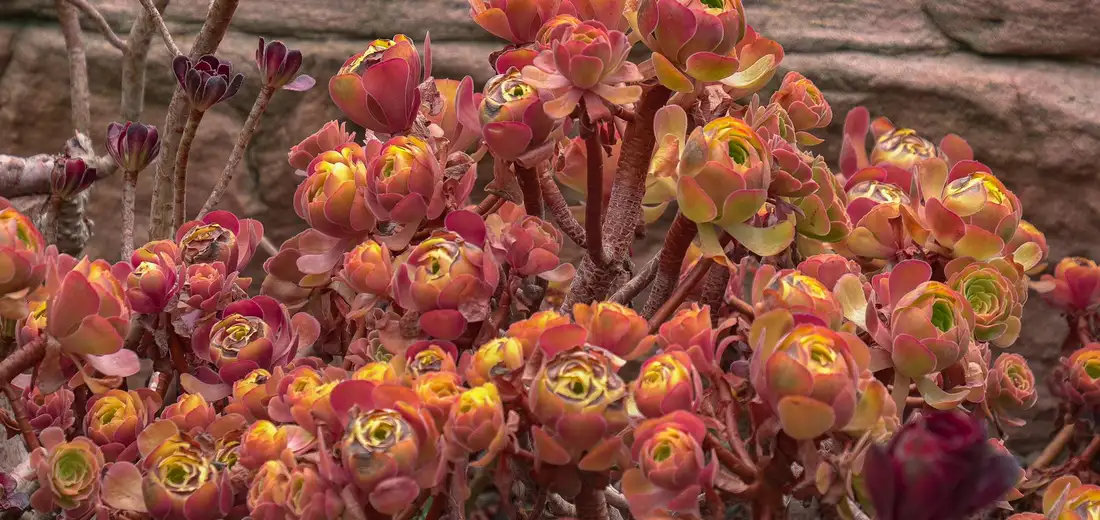
In my experience, some succulents are practically made for a glass of water. I’ve had the most consistent success with succulents that have thicker, fleshier leaves, as they seem to handle the transition from water to soil much better. You’ll often see roots forming in just a couple of weeks with these varieties. Do succulents store water in their leaves and stems? Many do—the thick, fleshy leaves and plump stems act as water reservoirs, helping them weather the shift between watering and drying.
- Jade Plants (Crassula ovata): Their sturdy stems root beautifully in water, and it’s thrilling to watch the tiny white roots emerge.
- Echeverias: While you propagate individual leaves in soil, a beheaded echeveria rosette is a prime candidate for water rooting.
- String of Bananas (Senecio radicans): I love popping a strand into water; it roots quickly and you can see the progress clearly.
- Burro’s Tail (Sedum morganianum): Individual leaves do best in soil, but a stem cutting will readily root in a water vessel.
Best Succulents for Soil Propagation
Some succulents are desert divas that simply prefer to skip the water bath entirely. Succulents with fuzzy leaves or those that are highly susceptible to rot are almost always better off starting their life in a dry, gritty soil mix. Trying to water propagate these can lead to a mushy, disappointing end. For more information on how to care for these delicate plants, check out what succulents need to thrive.
- Any Fuzzy-Leaved Succulent (like Kalanchoe tomentosa “Panda Plant”): The hairs trap moisture against the stem, inviting rot if submerged in water.
- Most Cacti: Their tough, woody exterior isn’t designed for constant water contact and they root much more reliably in a dry medium.
- Sempervivums (Hens and Chicks): These cold-hardy succulents produce so many offsets that it’s easiest to just nestle them directly onto soil.
- Leaf Propagators (like most Sedums and Graptopetalums): The classic method of laying a leaf on soil works perfectly for these, as the mother leaf provides all the moisture the baby needs.
Ideal Method for Beginner Plant Parents
If you’re just starting your plant journey, I strongly recommend beginning with soil propagation. Soil propagation teaches you the fundamental “soak and dry” watering rhythm that is critical for long-term succulent success. It’s a more forgiving process that mimics their natural growing conditions. You’ll start to see the look of success: tiny roots and fresh growth. Those signs will become more obvious as your plant settles.
Water propagation is incredibly fun and visually rewarding, but it adds an extra, delicate step: transitioning the water roots to soil. I’ve seen many new plant parents lose a perfectly good water-rooted cutting because the shift to soil was too stressful for the new roots. Master the basics with soil first, then experiment with water once you’re more confident.
Aftercare: Ensuring Strong Growth Outcomes
Potting Up Your New Succulent
This is the moment of truth, especially for water-propagated babies! The key to potting up any new succulent is using a pot with a drainage hole and a very gritty, fast-draining soil mix—I use a 50/50 blend of potting soil and perlite. After potting, allow the soil to dry completely before watering again. Then place the plant in bright, indirect light as part of your care for newly propagated succulents.
For water-propagated plants, be extra gentle. Create a small hole in the dry soil, place the roots in, and gently backfill without pressing down too hard, as those water roots are quite fragile. Do not water it for about a week; this gives any tiny root injuries time to callus over and prevents rot.
For soil-propagated plants, once the mother leaf has withered and the baby is firmly rooted, you can gently transplant it into its own small pot. You can usually water these a day or two after repotting, as their roots are already accustomed to a soil environment.
Light and Water Needs for Young Plants
Your newborn succulents need a gentle touch. Place them in a spot with very bright, but indirect, light; a few feet back from a sunny south or east window is perfect. Harsh, direct sun can easily scorch their tender new growth. This is part of our complete guide to growing outdoor succulents indoors. It covers lighting, temperature, watering, and container choices.
When it comes to water, the “soak and dry” method is your best friend, but be patient. Wait until the soil is completely dry all the way through the small pot before giving it a thorough watering. For the first few months, this might mean watering only every 2-3 weeks.
Quick Tip: Give your succulent pots a quarter-turn every time you water them. This simple habit ensures every side gets equal light and prevents your plant from leaning awkwardly toward the window.
Resist the urge to fertilize for the first six months. The new soil has enough nutrients to support them, and their primary focus should be on establishing a strong, healthy root system, not pushing out rapid top growth. Once they’re well-established, you can introduce a diluted, balanced fertilizer during their active growing season.
FAQs
How does pH level influence succulent propagation in water versus soil?
Succulents prefer a slightly acidic to neutral pH, around 6.0 to 7.0, for optimal nutrient uptake and root development in both methods. This is the pH range for succulents, guiding how you mix the potting medium. Maintaining this pH helps ensure nutrient availability and healthy growth.
What is the recommended pH range for propagating succulents?
Aim for a pH between 6.0 and 7.0 to ensure essential nutrients are available for healthy root growth without causing stress.
How can I accurately test the pH of water and soil for propagation?
Use a simple pH testing kit or digital meter to check samples before propagation to avoid issues related to acidity or alkalinity.
Are there any reliable online calculators for adjusting pH in plant propagation?
Yes, many gardening websites provide free pH calculators to help you adjust water or soil pH based on your test results.
What are common Reddit discussions about water versus soil propagation for succulents?
Reddit users often highlight water propagation for visible root growth but caution about higher rot risk compared to soil’s natural approach.
Is it possible to combine water and soil propagation techniques effectively?
Some enthusiasts start cuttings in water for faster rooting and then carefully transplant to soil, though it can shock delicate roots.
Your Succulent Propagation Path Forward
From my own succulent-growing journey, I firmly believe soil propagation is the most dependable method for beginners and experts alike, minimizing rot and promoting sturdy root systems. With careful transplanting, these cuttings root reliably. Proper aftercare makes transplanting and propagation of succulents successful. Here’s a snapshot of what works best:
- Soil propagation offers better aeration and mimics natural growing conditions, reducing overwatering risks.
- Water propagation can be fun for visual learners but demands frequent water changes to prevent bacterial issues.
- Match your choice to your environment-dry climates suit soil, while humid areas might tolerate water with extra care.
I invite you to explore more tips and personal stories on our site to build your confidence-you’re already on the right track to becoming a propagation pro!
Further Reading & Sources
- Propagating Succulents in Water | Kellogg Garden Organics™
- r/succulents on Reddit: Water propagation
- Water Propagation for Succulents – Detailed Care Instruction – Succulents Box
- How to Grow Succulents from Leaves and Stem Cuttings
Lena Greenfield is a passionate horticulturist and plant care expert with over 10 years of experience cultivating and nurturing hardy house plants. With a deep understanding of both indoor and outdoor gardening, Lena shares practical advice on choosing, caring for, and maintaining resilient plants that flourish year-round. Through her knowledge and hands-on approach, Lena helps plant lovers transform their spaces into vibrant, green sanctuaries, no matter their gardening experience.
Propagation Methods