
How to Care for Newly Propagated Succulents: Your Aftercare Guide
Published on: January 1, 2026 | Last Updated: January 1, 2026
Written By: Lena Greenfield
You’ve just propagated your succulents and are excited to watch them grow. It’s natural to feel a bit nervous about overwatering or providing the wrong amount of light during this delicate stage.
Based on my own hands-on experience with succulent propagation, I’ll walk you through the key steps to ensure your new plants thrive, covering watering do’s and don’ts, ideal light conditions, soil mix choices, common mistakes to avoid, and growth monitoring tips.
Your First Steps After Propagating
I’ve learned the hard way that the first two days after taking a cutting are the most critical for its survival. Your main job is to encourage callusing, which is the process where the cut end dries out and forms a protective scab. This single step is your best defense against rot.
Think of callusing like putting a bandage on a scraped knee. Without that protective layer, the open wound is vulnerable to infection. For a succulent, that infection is rot, and it can kill your new plant before it even has a chance to grow roots.
Your Initial Handling Checklist
- Lay your leaf or stem cuttings on a dry paper towel or a empty tray.
- Place them in a spot with bright, indirect light-a sunny windowsill is perfect.
- Leave them completely alone for 2-4 days. Do not water them or place them on soil.
- Check the cut end. It should look dry, tight, and maybe even a little whitish. Once it has this sealed look, you’re ready for the next step.
I once got impatient and planted a jade plant cutting before it was fully callused. It turned to mush within a week. Patience during this stage is the ultimate key to propagation success. That little scab is what allows the plant to focus its energy on growing new roots instead of fighting off disease.
Setting Up the Perfect Home: Soil and Pots
Once your cuttings are callused, they need a home that mimics their natural, dry-environment preferences. The right soil and pot combination is what separates a thriving succulent from a drowning one. I’ve tested dozens of mixes over the years, and the formula is surprisingly simple. You can even make your own succulent potting mix with simple DIY recipes at home. A few pantry-friendly ingredients give you the drainage and aeration succulents crave.
Crafting the Ideal Potting Mix
You want a mix that drains water almost instantly. A standard potting soil will hold too much moisture and suffocate your baby plants. You have two great options:
- Store-Bought: Look for a bag specifically labeled for “Cacti and Succulents.” This is the easiest route and works perfectly fine.
- DIY Mix: My personal favorite is a 1:1:1 blend of regular potting soil, coarse sand, and perlite. This creates a gritty, airy environment that new roots love to explore.
What to Absolutely Avoid in Your Soil
- Heavy, moisture-retentive garden soil.
- Mixes that feel dense or clumpy when dry.
- Any soil that doesn’t contain gritty materials like perlite or pumice.
Choosing the Right Pot
The pot is just as important as the soil inside it. For tiny cuttings, you don’t need a mansion. A small, shallow pot encourages the roots to fill the space efficiently, which promotes healthier growth.
- Material: Terra cotta pots are my go-to because they are porous and allow the soil to dry out faster. Plastic or glazed ceramic works, but you must be extra careful not to overwater.
- Drainage Holes: This is non-negotiable. Every single pot you use for propagation must have at least one drainage hole at the bottom.
- Size: Start small. A 2-inch pot is ideal for a single leaf or a small stem cutting. An oversized pot holds more wet soil, which increases the risk of rot dramatically.
I keep a collection of tiny terra cotta pots just for my new propagations. Matching a small, callused cutting with a small, well-draining pot sets the stage for a long and healthy life.
The Right Light and Location for New Growth
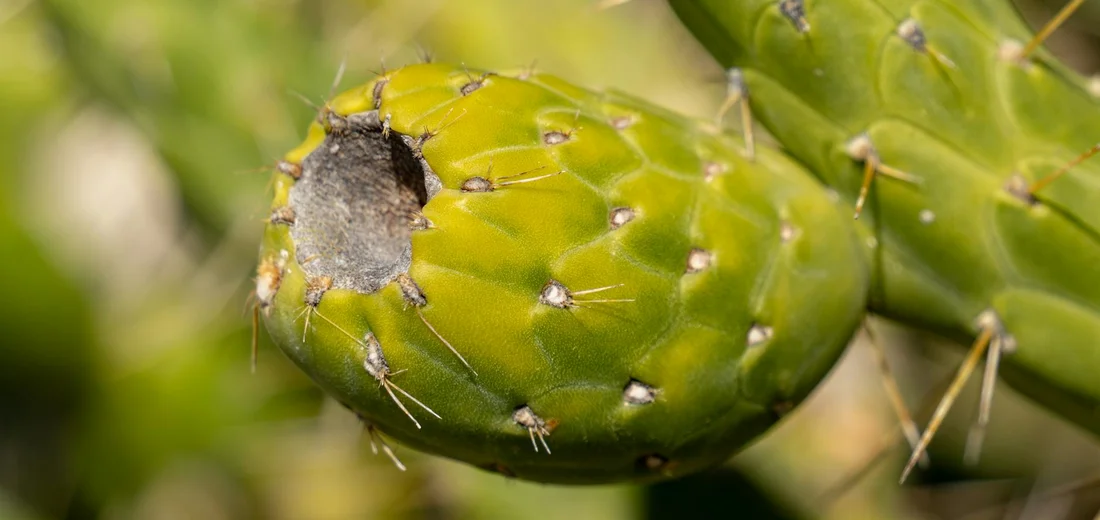
Finding the perfect spot for your new succulent babies is my favorite part of the process. Bright, indirect light is the absolute sweet spot for encouraging strong, healthy growth without any stress. I like to think of it as a cozy sunhat for your plants—they get all the lovely brightness without the harshness. But not all succulents crave the same brightness. We’ll explore how much light different succulents really need.
Why is direct sun the enemy here? Those tender new leaves and fragile roots haven’t built up their defenses yet. Direct sunlight, especially through a window, can literally scorch the delicate tissue, causing permanent brown or white scars. I learned this the hard way with a tray of echeveria pups that I left on a south-facing sill for just one afternoon.
Good air circulation is a non-negotiable partner to proper lighting. Stagnant, still air is an open invitation for fungal gnats and mold to set up shop on your damp soil. A gentle breeze helps strengthen the stem and keeps the environment fresh.
My Go-To Placement Tips
- Place pots a few feet back from a sunny east or west-facing window. The morning or late afternoon light is usually gentler.
- Use a sheer curtain as a filter if you only have a south-facing window. It diffuses the intense rays perfectly.
- Ensure there’s a little space between pots. Crowding them together traps moisture and reduces airflow.
- A spot near a frequently opened door or under a ceiling fan on a low setting provides ideal ambient air movement.
Mastering the Watering Routine
Watering new propagations feels intimidating, but I promise it’s simpler than it seems. The golden rule is to wait for the first watering until you see tiny roots forming, which usually takes a week or two. Before that, the cutting has no way to drink, and sitting in moisture will cause it to rot.
When it’s finally time for that first drink, I swear by the “soak and dry” method. Thoroughly drench the soil until water runs out of the drainage holes, then let the pot become completely dry before even thinking about watering again. This cycle teaches the roots to grow strong as they search for water.
Checking moisture without disturbing those delicate new roots is a skill. I gently stick a wooden chopstick or skewer deep into the soil; if it comes out clean and dry, it’s time to water. You can also lift the pot-a light pot means dry soil, while a heavy one means there’s still plenty of moisture inside.
Reading the Leaves: Overwatering vs. Underwatering
Your succulent will tell you exactly what it needs if you know how to listen. Here’s a quick comparison I use all the time, especially when trying to tell if they need water.
| Signs of Overwatering | Signs of Underwatering |
|---|---|
| Leaves become translucent, mushy, and yellow | Leaves look wrinkled, thin, and feel crispy |
| The stem may turn black or brown and feel soft | Lower leaves dry out completely and fall off easily |
| Soil has a musty smell or you see mold on the surface | The entire plant may start to droop or look deflated |
When in doubt, wait another day or two to water. Succulents are built to handle drought far better than a flood. I’ve rescued many more plants from overwatering than I ever have from underwatering.
Spotting Healthy Growth and Common Problems
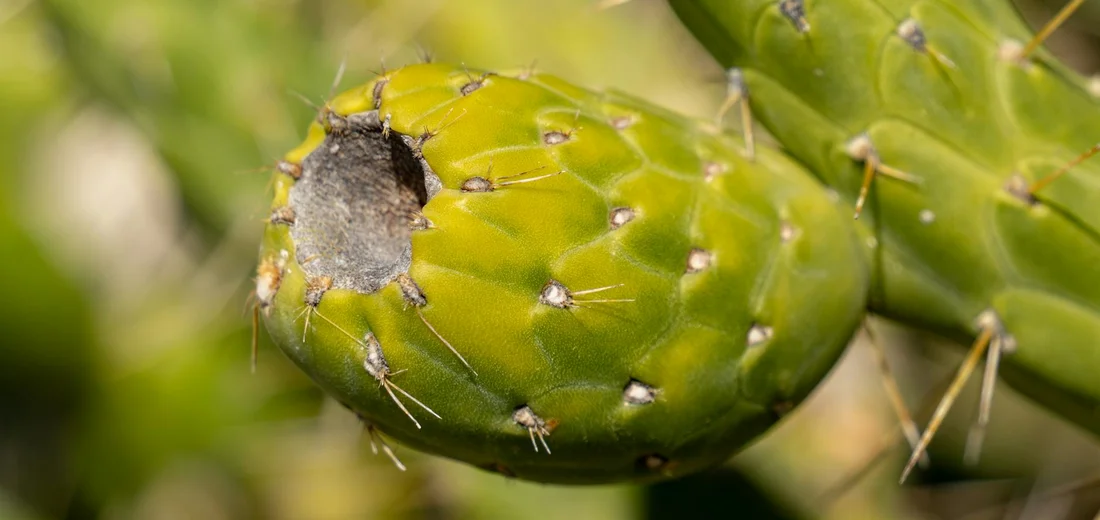
When your propagated succulents start growing, healthy roots appear as firm, white or pale threads that gently grip the soil. I’ve noticed that robust roots feel sturdy when I give a light tug, and they often peek out of drainage holes after a few weeks.
New leaves emerge small, plump, and brightly colored, feeling solid and smooth. In my years of nurturing succulents, I’ve seen that vibrant, firm leaves without wrinkles or soft spots signal happy growth. When leaves become wrinkled or soft, it’s usually a sign the plant is stressed—often from watering issues. Recognizing these texture clues can explain why your succulent leaves are wrinkly, soft, or squishy.
Common Issues and How to Fix Them
Even with care, problems can pop up, but they’re often easy to solve. Quick tip: Catching issues early saves your plant from major stress.
Rot
Rot happens from too much moisture, turning stems or leaves mushy and dark. If you spot soft, blackened areas, it’s time for immediate action to prevent spread.
- Remove the plant and trim rotten parts with a clean, sharp tool.
- Let the cutting air-dry in a shady spot for 1-2 days until the cut forms a callus.
- Replant in fresh, dry succulent soil and wait 5-7 days before a light watering.
Etiolation
Etiolation occurs when succulents stretch toward light, becoming leggy and pale. To fix and prevent this, provide consistent bright light and rotate plants for even exposure. If growth has already become leggy, prune back etiolated shoots and replant in a brighter spot. Gradually increasing light exposure helps them compact and color up beautifully.
- Move the plant to a brighter location over 5-7 days to avoid shock.
- Rotate the pot weekly for even growth.
- If stems are too stretched, you can behead and replant the top part.
Pests
Mealybugs or aphids might show up as white fluff or tiny insects on leaves. I use a simple alcohol dip on a cotton swab to wipe pests away without harsh chemicals.
- Isolate the affected plant to keep pests from spreading.
- Dab pests with 70% isopropyl alcohol using a cotton ball.
- Repeat every few days until gone, and improve air circulation around the plant.
To monitor progress without stressing your succulents, I check them weekly by gently feeling the soil or looking for new growth. Avoid moving or repotting too often—stability encourages stronger roots. Fertilizing should be sparingly during the growing season—about once a month with a diluted succulent fertilizer—and not in winter. If you’re fertilizing during repotting, this is a good time to refresh the soil and apply a light fertilization to support new roots.
When and How to Transition Your New Succulents
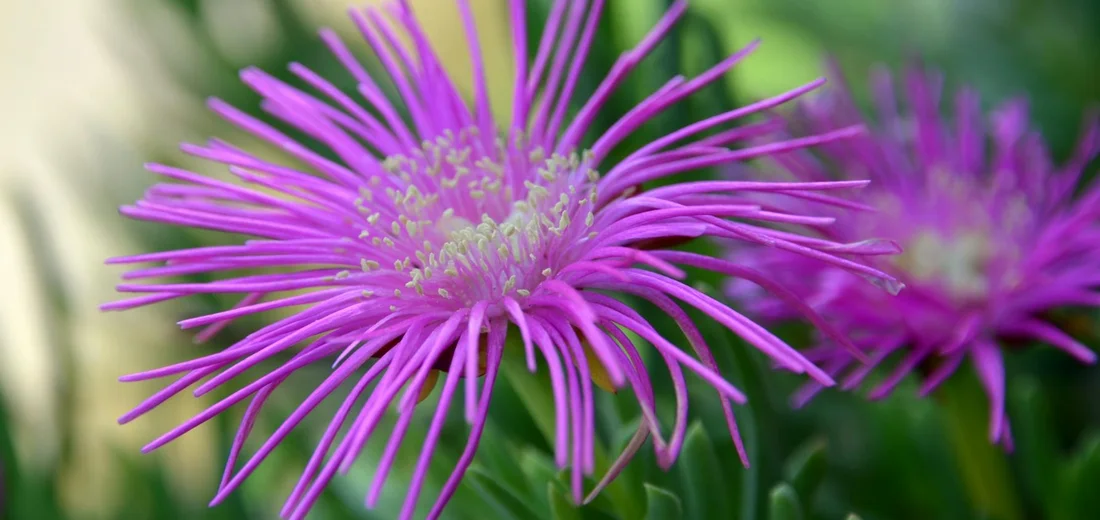
Your cutting is ready for a change when it stands firmly in the soil and shows steady new leaf growth. I know it’s established when I see a dense root ball and the plant doesn’t wobble when touched.
Step-by-Step Guide to First Repotting
Repotting gives your succulent room to thrive without overwhelming it. Quick tip: Always use a pot with drainage holes to prevent water buildup. If you’re new to this, follow this beginner’s step-by-step guide to repot succulents.
- Select a new pot that’s about 1-2 inches wider than the current one.
- Fill the bottom with a well-draining mix, like cactus soil blended with perlite.
- Gently remove the succulent by tipping the pot and supporting the base.
- Place it in the new pot, add soil around the roots, and firm lightly.
- Water sparingly to settle the soil, then wait a week before normal care resumes.
Growth timelines vary, but most succulents root well in 3-6 weeks and can be repotted after 2-4 months. For a full answer on how long propagation takes, check out our complete timeline guide. It walks you through each stage, from rooting to final maturation, with typical durations for common varieties. With consistent care, you’ll have a mature, lush plant in 1-3 years, depending on the type.
Advanced Tips for Thriving Propagations
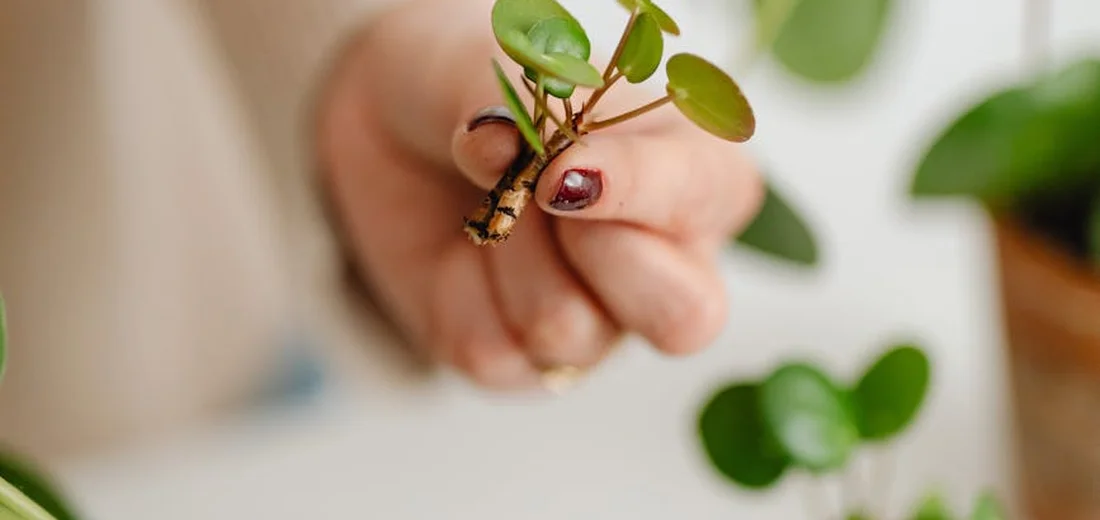
Once you’ve mastered the basics, these extra steps can give your new plant babies a serious boost. I’ve found that a little extra effort in the beginning often leads to stronger, more resilient plants down the line.
A Little Help from Rooting Hormone
Think of rooting hormone as a gentle pep talk for your cuttings. It’s completely optional, but I always use it for leaf propagations and stubborn stem cuttings. Rooting hormone encourages faster root development and can help protect the fresh cut from rot. I simply dip the calloused end of my cutting into the powder, tap off the excess, and plant as usual. It’s a small step that makes a big difference, especially with slower-growing varieties.
Navigating the Seasons, Especially Winter
New propagations are like infants—they need extra protection from harsh conditions. Winter is the trickiest season. The combination of cold drafts and low light can stop growth in its tracks and invite rot. I move all my baby succulents away from chilly windowsills during the coldest months. They stay on a shelf a few feet into the room where it’s warmer and under a simple grow light to compensate for the gloomy, short days. I also water them far less frequently, sometimes only once a month, just enough to prevent the tiny roots from completely drying out. It’s crucial to know the signs of successful succulent propagation to ensure they survive this challenging period.
Staying Organized with Labels
If you’re propagating more than one type of succulent, labeling is a lifesaver. I learned this the hard way after a tray of nearly identical echeveria leaves got mixed up! Knowing exactly what you’re growing helps you provide the specific care each variety needs as it matures.
- Popsicle Sticks & Permanent Marker: This is my go-to method. It’s cheap, effective, and the wood blends right into the soil.
- Plant Tags: You can buy fancy plastic or metal tags, but I often just cut up old plastic containers into strips.
- Digital Tracking: For a high-tech solution, take a photo of your propagation tray and use your phone to add text labels directly onto the image. This is great for keeping a visual diary of your progress.
FAQs
Can I propagate succulents in water?
Yes, some succulents can be propagated in water, but soil propagation is generally safer to avoid rot.
How to prevent fungal or mold growth during propagation?
Ensure good air circulation and avoid overwatering to minimize the risk of fungal or mold issues.
Do cuttings need humidity during propagation?
No, succulent cuttings prefer low humidity to prevent rot and encourage healthy callusing.
Can I propagate multiple succulents at once?
Yes, you can propagate multiple cuttings together, but space them out to maintain airflow and prevent disease spread.
How to store propagated cuttings for later use?
Store callused cuttings in a dry, shaded area for short periods, but plant them as soon as possible for best results.
Which succulents are easiest to propagate?
Echeveria, Sedum, and Jade plants are among the easiest succulents to propagate from cuttings.
Your Succulent Propagation Journey: Wrapping Up
From my many seasons of propagating succulents, I’ve learned that consistent, gentle care right after propagation sets the stage for robust growth. Focus on mimicking their natural dry, sunny habitat to avoid common propagation mistakes. Avoid common propagation mistakes like overwatering or using dirty tools, and you’ll improve rooting success from the start.
- Provide bright, indirect light for at least 6 hours daily
- Water deeply but only when soil is bone-dry to the touch
- Use a gritty, well-draining soil mix to prevent root rot
Keep following Hardy House Plants at www.hardyhouseplants.com for more hands-on plant guides, and take heart-your patience and attention will help those tiny cuttings flourish into stunning, resilient plants. You’re building a green oasis one leaf at a time!
Further Reading & Sources
- How to Propagate Succulents from Leaves and Cuttings | Succulents and Sunshine
- Succulent Propagation 101: How to propagate succulents from leaves, cuttings, offsets and divisions
- Succulent & Houseplant Propagation Guide | Plant Perfect
- How to Grow Succulents from Leaves and Stem Cuttings
Lena Greenfield is a passionate horticulturist and plant care expert with over 10 years of experience cultivating and nurturing hardy house plants. With a deep understanding of both indoor and outdoor gardening, Lena shares practical advice on choosing, caring for, and maintaining resilient plants that flourish year-round. Through her knowledge and hands-on approach, Lena helps plant lovers transform their spaces into vibrant, green sanctuaries, no matter their gardening experience.
Repotting Guidelines