
Christmas Cactus Care: How to Force Blooms for the Holidays
Published on: February 25, 2026 | Last Updated: February 25, 2026
Written By: Lena Greenfield
Is your Christmas cactus refusing to bloom in time for festive celebrations? I’ve nurtured these plants for over a decade, and I know the simple tricks to encourage stunning holiday flowers.
You’ll learn key blooming triggers, step-by-step forcing methods, and my personal care routine to transform your plant into a seasonal showstopper.
Meet the Christmas Cactus: Your Holiday Blooming Companion
I absolutely adore the Christmas cactus (Schlumbergera), with its elegant, arching stems and stunning, tubular flowers that seem to drip from the plant like holiday ornaments. Unlike many cacti, this one is an epiphyte, meaning it naturally grows on trees in the Brazilian rainforest, which explains why it thrives in our homes with bright, indirect light and appreciates more humidity than its desert cousins.
Many people get confused between the different holiday cacti, and I’ve certainly mixed them up myself over the years. The Christmas cactus has smooth, scalloped stem segments, while the Thanksgiving cactus has very pointed, claw-like segments. Knowing which one you have is the first step to getting the timing right for those gorgeous holiday flowers. Separating cacti from other succulents comes down to a few key differences: cacti have areoles with spines, while many succulents do not.
I’ve been growing these plants for over a decade, and my oldest is a sprawling beauty I inherited from my grandmother. Through trial and error, I’ve learned that their seemingly fussy nature is actually a predictable rhythm you can easily master. They are incredibly rewarding plants that can live for decades, becoming a cherished part of your family’s traditions.
Timing Is Everything: When to Start Forcing Blooms
-
Start the process about 6 to 8 weeks before you want the plant to be in full, glorious bloom. This gives the plant enough time to set buds and for those buds to develop into the colorful flowers you’re dreaming of.
-
For a spectacular Christmas display, I mark my calendar to begin the special treatment in early to mid-October. This schedule reliably gives me a flush of color right when I’m decorating the house and getting into the holiday spirit.
-
Your plant will give you signals, too. If you notice the very tips of the stems looking a little red or purple and the newest segments seem a bit stunted, that’s a great natural cue that the plant is ready for its bloom cycle. I always check my plants for these subtle hints before I start changing their routine.
Mastering Light and Darkness for Bloom Induction
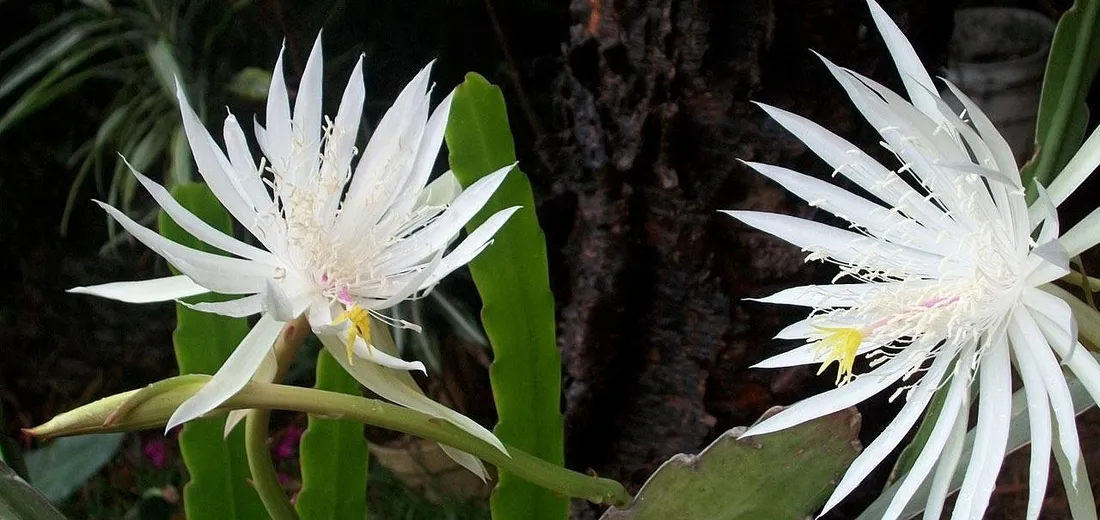
Getting a Christmas cactus to bloom is all about tricking it into thinking the holidays are near. The single most important trigger is providing 12 to 14 hours of complete, uninterrupted darkness every single day for about 6-8 weeks before you want it to flower. Even a brief flash of light from a hallway or streetlamp can disrupt this process and delay blooming.
I’ve found the easiest way to guarantee this darkness is to simply move my plant into a spare closet every evening and bring it out each morning. If you don’t have a spare closet, a large cardboard box placed over the plant works perfectly as a simple, dark tent. Just remember to take it off in the morning!
This dark period must be paired with bright, indirect light during the day. A spot near an east or north-facing window is ideal, as it provides the light your plant needs without the harsh, direct sun that can scorch its leaves. I keep mine on a table a few feet back from a large window, and it thrives there.
Creating the Perfect Cool Environment
Temperature is the secret partner to the light cycle. To really encourage those flower buds to set, your Christmas cactus needs cooler nighttime temperatures, ideally between 50°F and 60°F (10°C to 15°C). This temperature drop mimics its natural autumn habitat and tells the plant it’s time to perform. Flowering plants often need a specific temperature-light cue to start blooming, while foliage plants may thrive on steadier conditions. Knowing which goal you’re aiming for helps tailor care for blooms or leafy growth.
Look for spots in your home that are naturally cooler. I’ve had great success placing my plant on a windowsill where the glass gets chilly at night, or even in a rarely used room that we keep a bit cooler. These choices reflect key factors in plant suitability for indoor environments, such as temperature stability and airflow. An enclosed porch or a room away from heating vents can also create the perfect conditions.
The combination of long, cool nights and bright days is a powerful signal. When the plant experiences this consistent cycle of cool darkness and warm light, it diverts its energy from leaf growth to producing a spectacular floral display. It’s a beautiful, natural response you can easily orchestrate.
Watering and Feeding for Vibrant Blooms
-
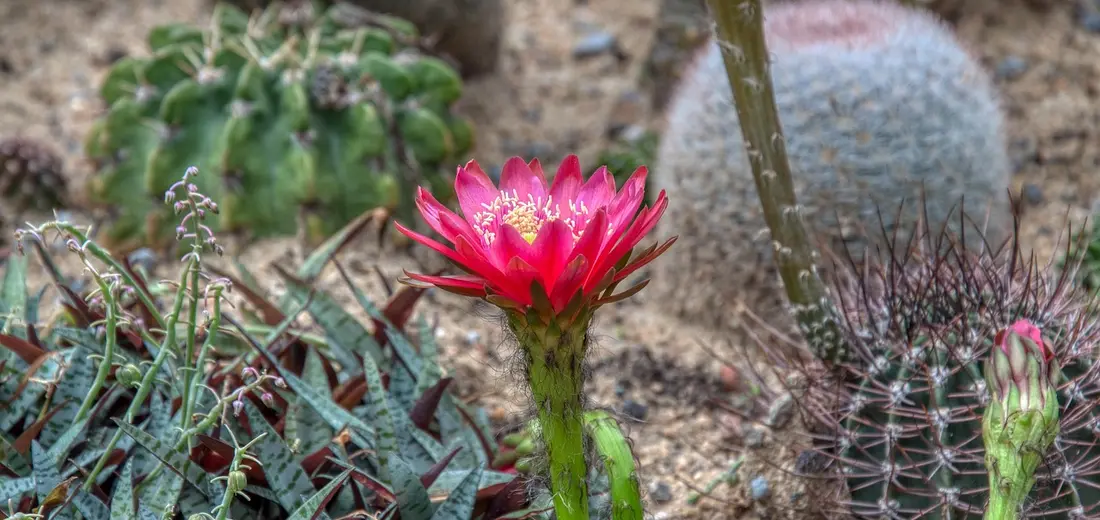
Adjust your watering to match the plant’s slowed growth during the bud-setting period. Let the top inch of soil dry out completely between waterings, then give it a thorough drink until water runs from the drainage holes. The goal is to keep the roots from sitting in soggy soil, which they despise, while preventing them from getting bone dry.
-
Fertilizer choice makes a huge difference in bloom quality. Switch to a fertilizer that is high in phosphorus (the middle number on the package) to directly support the development of strong flower buds and vibrant color. A formula like 10-30-20 is excellent for this purpose. In practice, the best NPK ratio for houseplants depends on the species and growth stage. For bloom-focused care, many gardeners choose formulas with a higher phosphorus content.
-
My personal routine for boosting bloom health is simple but effective. Once I see the first tiny buds forming, I feed the plant with a half-strength, phosphorus-rich liquid fertilizer every two weeks, and I am always amazed by the sheer number of flowers that result. I stop fertilizing once the main flush of blooming is over to let the plant rest.
Soil and Potting Essentials for Healthy Growth
Getting the foundation right is the single most important step for a thriving Christmas cactus. I’ve learned from experience that a well-draining cactus mix is non-negotiable for preventing dreaded root rot. Standard potting soil holds too much moisture, which these plants simply cannot tolerate.
You can find a good commercial cactus mix or make your own. My personal blend is two parts regular potting soil, one part perlite, and one part orchid bark. This creates the chunky, airy texture the roots adore. Try your own succulent potting mix recipes at home. They let you tailor drainage and moisture to your climate.
- Always use a well-draining cactus or succulent potting mix.
- Repot your Christmas cactus in the spring, right after its blooming cycle is complete.
- Avoid repotting when the plant has buds or is in flower, as the disturbance can cause them to drop.
Pot selection is just as critical as the soil inside it. Choose a pot with ample drainage holes; this is your first line of defense against overwatering. A pot that is only 1-2 inches wider than the current root ball is ideal. Too large a pot holds excess soil that stays wet for too long.
Troubleshooting: Why Isn’t My Christmas Cactus Blooming?
This is the question I hear most often, and I’ve faced it myself. If your plant is all leaves and no flowers, one of these common issues is likely the culprit. Too little or too much light can keep blooms from appearing. Signs include leggy growth and pale, stressed leaves.
The most frequent mistake is not providing enough uninterrupted darkness at night. These plants need long nights to set buds. Even a short burst of light from a streetlamp or a room light can disrupt the cycle. To address this, identify common light-related problems. Fix them with blackout curtains, timer-controlled lights, or by moving plants away from bright windows so they receive stable, dark nights.
- Insufficient Darkness: For 6-8 weeks before desired bloom time, ensure the plant gets 12-14 hours of complete, unbroken darkness each night. I move mine to a spare closet at 6 PM and bring it out at 8 AM.
- Wrong Temperatures: Bud formation is triggered by cooler nights, ideally between 50-55°F (10-13°C). Keep it away from heat vents and drafty windows during this period.
- Overwatering: Soggy soil stresses the plant and directs energy away from flowering. Let the top inch of soil dry out completely between waterings.
Here is a quick checklist to diagnose your plant’s issue. Ask yourself:
- Is it getting 12+ hours of total darkness?
- Are night temperatures cool enough?
- Am I letting the soil dry out between waterings?
- Did I fertilize too much in the fall? (Use a bloom-booster fertilizer in early fall, then stop)
Aftercare: Sustaining Your Plant Post-Bloom
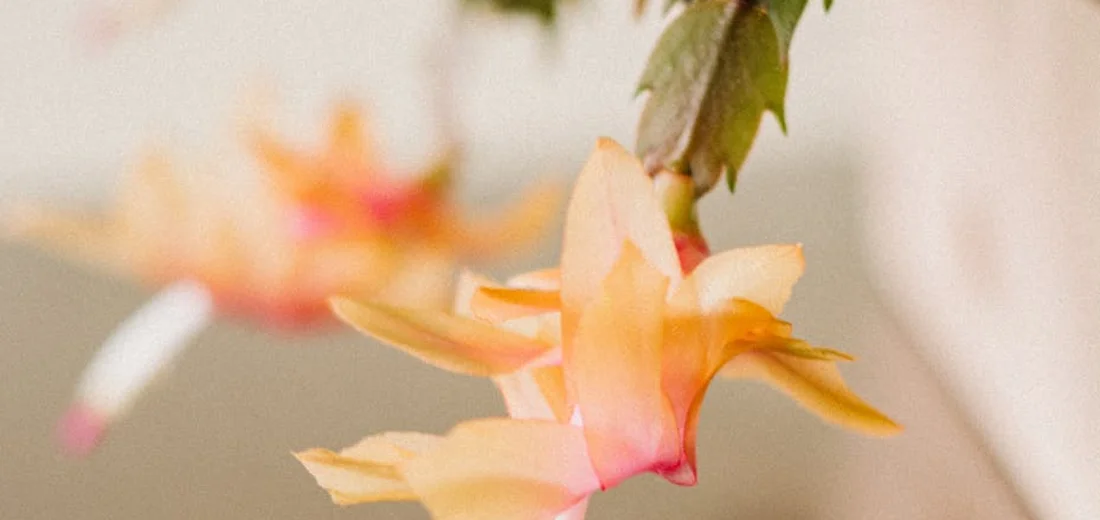
Once the spectacular show is over, your Christmas cactus deserves a well-earned rest. This recovery period sets the stage for next year’s performance.
- Initiate a rest period. After the flowers fade, give the plant a few weeks of reduced care. Place it in a cool spot and water it less frequently, just enough to keep the stems from shriveling. This mimics its natural cycle.
- Prune for future prosperity. This is the perfect time for a light pruning. I simply pinch off one or two segments from the end of each stem. This encourages the plant to branch out, creating a fuller shape and more bloom sites for next year.
- Transition back to regular care. After its rest, move the plant back to its usual bright, indirect light spot. Resume regular watering and begin fertilizing monthly with a balanced, half-strength houseplant fertilizer throughout the spring and summer.
This cycle of active growth, bloom induction, and rest is the secret to keeping your Christmas cactus healthy and floriferous for decades. My oldest plant is over fifteen years old and puts on a more impressive display every holiday season.
Common Questions
What is the best way to care for a Christmas cactus indoors?
Place it in a spot with bright, indirect light and water only when the top inch of soil feels dry.
Does sugar water help a Christmas cactus bloom?
No, sugar water can harm the roots and is not a substitute for proper light and temperature conditions to encourage blooming.
How do I care for my Christmas cactus after it has finished flowering?
Provide a rest period with reduced watering and cooler temperatures before returning to regular care in the spring.
Can a Christmas cactus live outdoors in Florida?
Yes, it can thrive outdoors in Florida if placed in a shaded, protected location to avoid intense direct sun and heavy rain.
What are the key watering tips for a Christmas cactus?
Water thoroughly when the top inch of soil is dry, but always ensure the pot has good drainage to prevent soggy soil.
What are some general care tips for a healthy Christmas cactus?
Use a well-draining cactus mix, repot only in spring after blooming, and avoid moving the plant once buds have formed.
Your Christmas Cactus Blooming Journey
From my own succulent-growing adventures, I can tell you that coaxing a Christmas cactus to flower for the holidays is all about replicating its natural cycle with consistent dark periods and cooler temperatures. Start this process 6-8 weeks before you want blooms, and you’ll be rewarded with a stunning display. Understanding when and why succulents bloom helps you time care across your collection. These flowering cycles are what you’re trying to simulate. Here’s the core strategy in a nutshell:
- Give it 12-14 hours of uninterrupted darkness each night.
- Keep nighttime temps around 50-55°F to spur bud formation.
- Cut back on watering and skip fertilizer during this time.
If your first attempt isn’t perfect, that’s okay—plants often need a season to adjust! I post regular updates and hands-on tips at Hardy House Plants (www.hardyhouseplants.com), so follow along for more easy-going plant care that builds your confidence. Also check out our seasonal care guide for mixed indoor plant collections to tailor care to each season. It covers lighting, watering, and repotting as seasons change.
Further Reading & Sources
- How To Make A Christmas Cactus Bloom – And Then Bloom Again For Double The Flowers
- How To Make A Christmas Cactus Bloom, According To An Expert
- r/houseplants on Reddit: How do I encourage more blooms on a Xmas cactus?
- How to make Christmas Cactus Bloom Several Times a Year – Succulents Box
Lena Greenfield is a passionate horticulturist and plant care expert with over 10 years of experience cultivating and nurturing hardy house plants. With a deep understanding of both indoor and outdoor gardening, Lena shares practical advice on choosing, caring for, and maintaining resilient plants that flourish year-round. Through her knowledge and hands-on approach, Lena helps plant lovers transform their spaces into vibrant, green sanctuaries, no matter their gardening experience.
Light and Temperature