
Why Is My Snake Plant Growing Skinny Leaves and How to Fix It
Published on: April 18, 2026 | Last Updated: April 18, 2026
Written By: Lena Greenfield
You’ve noticed your trusty snake plant is sending up new leaves that look thin and stretched out, and you’re wondering what’s gone wrong. Don’t worry, this is a common issue with a few straightforward causes that are almost always easy to correct.
In this guide, I’ll walk you through the reasons based on my years of nurturing these resilient plants, covering insufficient light, overcrowded pots, watering habits, and nutrient needs.
Understanding Why Snake Plant Leaves Get Skinny
When your snake plant sends up a new leaf that’s noticeably thinner than its sturdy siblings, it’s the plant’s way of communicating. This change in leaf shape is almost always a response to its environment, not a random quirk. I’ve seen this countless times in my own collection, and it’s a puzzle you can definitely solve. Think of a skinny leaf as a new growth that adapted to less-than-ideal conditions while it was developing.
Top Causes of Skinny Leaves on Snake Plants
Pinpointing the exact cause is your first step toward a fix. I always start by checking these factors in order, as they’re the most common culprits I encounter.
Insufficient Light Leading to Etiolation
This is the number one reason for skinny, stretched-out leaves. Snake plants are tough, but they aren’t vampires; they need bright, indirect light to grow compact and strong. In low light, the plant stretches its new growth toward any available light source, resulting in weak, skinny leaves. This process is called etiolation. I once had a plant in a dim hallway that produced a leaf so thin it could barely stand up on its own.
Here’s how to check and fix the light situation:
- Move your plant to a spot that gets bright, indirect light for most of the day, like near an east or north-facing window.
- A south or west-facing window is great, but keep the plant a few feet back or use a sheer curtain to filter the intense direct sun.
- If your space is naturally dark, consider a simple grow light. Just a few hours a day can make a world of difference.
Watering Problems: Overwatering or Underwatering
Watering habits directly impact how your snake plant constructs its new leaves. Both too much and too little water can lead to skinny, stressed growth. After repotting, water gently to settle the soil and help the roots establish. For more specifics, a complete guide on watering your snake plant after repotting outlines the best schedule to follow.
- Overwatering: Soggy soil suffocates the roots, preventing them from absorbing nutrients properly. The new growth that does emerge is often weak and spindly. The classic sign of overwatering is skinny, sometimes mushy, leaves paired with yellowing.
- Underwatering: While snake plants are drought-tolerant, severe neglect forces them to conserve all resources. New leaves might be thin because the plant simply doesn’t have enough water to build robust tissue.
My go-to method is the “chopstick trick.” Stick a wooden chopstick into the soil; if it comes out clean, it’s time to water. If soil particles stick to it, wait a few more days.
Nutrient Deficiencies and Soil Issues
Your snake plant can’t build thick, hearty leaves without the right building blocks. If it’s been in the same soil for years, it may have exhausted the available nutrients.
A lack of key nutrients, especially nitrogen which supports leafy green growth, can result in pale, narrow leaves. I see this most often in plants that haven’t been repotted or fed in a long time. The soil itself can also be the problem if it’s too dense and doesn’t drain well, creating a poor environment for root health.
To give your plant a nutritional boost:
- Repot using a fresh, well-draining cactus or succulent mix.
- During the growing season (spring and summer), feed with a balanced, half-strength liquid fertilizer once a month.
- Always water the soil before applying fertilizer to prevent root burn.
Pot Size and Root Health Concerns
Take a look at your plant’s home. Is it desperately root-bound, or is it swimming in a pot that’s way too big?
- A root-bound plant has no room to expand and its roots are a tangled mess. This extreme crowding can stress the plant and limit its ability to uptake water and nutrients, leading to stunted, skinny new growth.
- A pot that is too large holds excess soil that stays wet for too long, promoting root rot. Unhealthy roots cannot support healthy leaf development.
The goal is a “just right” pot that gives the roots a little room to grow without being excessive. When I repot, I typically only go up one pot size (about 1-2 inches wider in diameter). Choose the size based on the plant’s root mass and how fast it’s growing. Too big a pot can hold excess moisture and invite root rot, while too small stunts growth.
Pests, Diseases, and Genetic Factors
While less common, don’t rule out these issues. Sap-sucking pests like mealybugs or spider mites can weaken a plant, diverting its energy away from strong growth and toward survival.
Quick Tip: Wipe the leaves down with a damp cloth every few weeks; this not only keeps them dust-free but also helps you spot any early pest problems.
Fungal diseases, often stemming from overwatering, can attack the roots or crown of the plant. As for genetics, it’s rare, but sometimes a plant just has a natural tendency for slightly narrower leaves. If you’ve addressed all the other factors and the plant is otherwise healthy, it might just be its unique character.
How to Diagnose the Exact Cause of Skinny Leaves
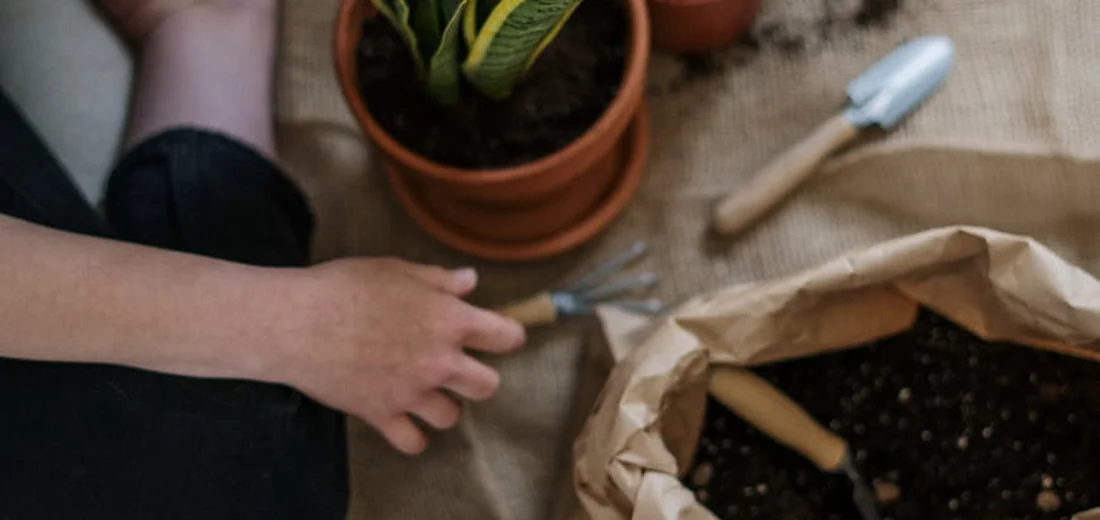
Figuring out why your snake plant is getting skinny is like being a plant detective. You need to look at the clues your plant is giving you to find the real culprit. I’ve dealt with this many times, and I always start with these three key areas.
Is It a Light Problem?
Light is the most common reason for skinny, stretched-out growth. Here’s how to check:
- Observe the new growth: Are the newest leaves significantly thinner and taller than the older, wider ones? This is a classic sign of etiolation, where the plant is stretching to find more light.
- Check the plant’s posture: Is it leaning heavily toward a window or light source? A healthy snake plant grows mostly upright.
- Perform the shadow test: Hold your hand about a foot above the leaves around midday. A crisp, well-defined shadow means enough light. A faint, blurry shadow means it’s too dim.
Is It a Water or Soil Issue?
Problems underground can also lead to weak, skinny leaves.
- Do the finger test: Stick your finger two inches into the soil. Does it feel soggy, wet, or bone dry? Both extremes stress the plant.
- Inspect the pot and soil: Does the pot have drainage holes? Is the soil dense, clumpy, and holding water like a sponge? Snake plants need fast-draining soil to thrive.
- Look at the leaf color: Skinny leaves combined with a pale, washed-out green can indicate overwatering, which damages the roots and prevents them from absorbing nutrients properly.
Is It a Nutrient or Space Problem?
Finally, consider the plant’s food and home.
- Check for crowded roots: Gently tip the plant out of its pot. Are the roots circling tightly around the inside or growing out of the drainage holes? This is a sure sign it’s root-bound.
- Recall your fertilizing schedule: Have you fed the plant in the last year? A complete lack of nutrients can result in weak, spindly growth over time.
- Assess the overall plant health: Are the skinny leaves also soft or mushy? This points to root rot. Are they just thin but otherwise firm? This leans more toward a light or nutrient issue.
Quick Tip: The direction of growth is a huge clue. If it’s leaning and stretching, focus on light. If it’s just generally weak and pale, check your watering and soil first.
Step-by-Step Fixes for Skinny Snake Plant Leaves
Once you’ve diagnosed the problem, it’s time for the cure. Don’t worry, snake plants are incredibly resilient, and you can almost always correct this issue with a few simple changes. I’ve revived many a skinny snake plant using these exact methods.
Fixing Light Issues for Healthier Growth
If your plant is stretching for light, you need to give it a brighter spot. Moving your snake plant to a location with bright, indirect light is the single most effective fix for skinny growth. Snake plants are forgiving and can tolerate lower light levels, but they thrive with steady bright indirect light. For optimal, full-looking growth, avoid very dim spots and long direct sun.
- Find the right window: An east-facing window is perfect for gentle morning sun. A south or west-facing window is great, but place the plant a few feet back from the glass to avoid harsh direct rays that can scorch the leaves.
- Rotate the plant: Give the pot a quarter turn every time you water. This ensures all sides of the plant get even light, preventing it from leaning and promoting balanced, sturdy growth.
- Consider a grow light: If your home is naturally dark, a simple LED grow light for 6-8 hours a day can work wonders. I use one for my plants in a north-facing room, and the difference in leaf thickness is remarkable.
Correcting Watering and Soil Mistakes
Getting the water and soil right is crucial for a strong foundation. Your goal is to mimic the occasional, heavy downpours and fast-draining conditions of the snake plant’s native habitat.
- Adopt the “soak and dry” method: Water your plant thoroughly until water runs freely out of the drainage holes. Then, let the soil dry out completely before you even think about watering again. In winter, this could mean watering only once a month.
- Repot with a fast-draining mix: If your soil is old and compacted, repot your plant. I make my own mix using two parts potting soil, one part perlite, and one part coarse sand. This creates the chunky, airy environment the roots love.
- Always use a pot with a drainage hole: This isn’t negotiable. A drainage hole allows excess water to escape, preventing the roots from sitting in water and rotting.
Quick Tip: When in doubt, wait another week to water. Snake plants thrive on neglect and are much more likely to suffer from overwatering than from underwatering. Learn how often to water snake plants to keep them healthy.
Addressing Nutrient and Pot Size Problems
A cramped or hungry plant can’t produce its best leaves. Giving your snake plant a bit more room and a light feeding encourages the robust, wide leaves you’re looking for. These are proven tips and techniques to help make your snake plant grow faster. Follow them for quicker, healthier growth.
- Repot if root-bound: If the roots are a tight mass, move the plant to a new pot that is only 1-2 inches wider in diameter. Going too big can lead to soil staying wet for too long. Gently loosen the outer roots before placing it in the new pot with fresh soil.
- Fertilize sparingly: During the growing season (spring and summer), feed your snake plant once with a balanced, half-strength liquid fertilizer. I use a standard 10-10-10 formula diluted with water. That’s usually all the food it needs for the entire year.
- Be patient with new growth: The existing skinny leaves will not become wider. The fix will be visible in the new leaves that emerge after you’ve corrected the conditions. They should grow in thick and strong, just like the classic snake plant look.
Preventing Skinny Leaves in the Future
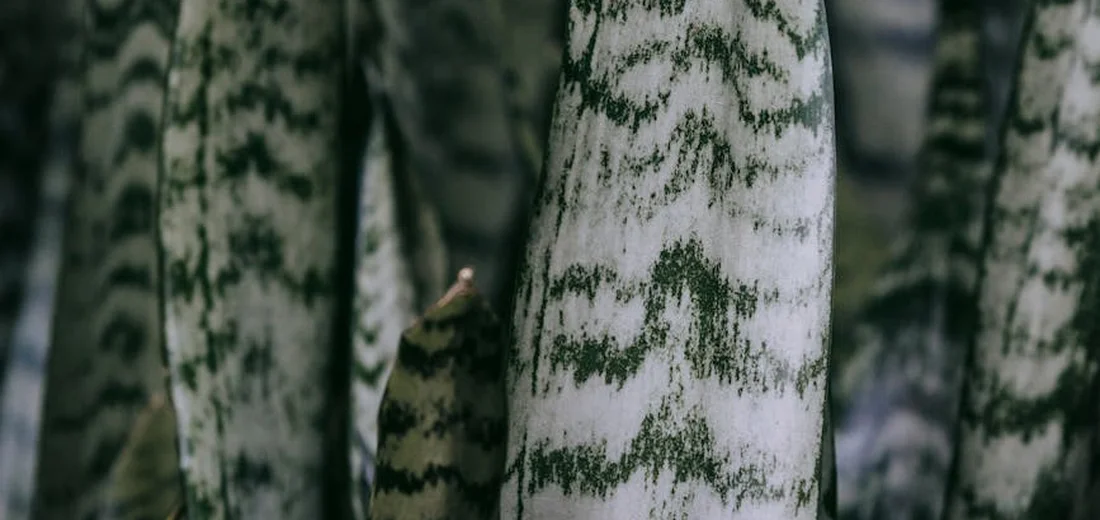
I’ve learned that the best way to handle skinny leaves is to stop them from happening in the first place. Consistency is your secret weapon for a thick, robust snake plant. Think of your plant as a creature of habit that thrives on a predictable routine.
My personal strategy involves a simple seasonal check-in. I adjust my watering habits with the changing light levels, not the calendar date. In the bright, long days of summer, my snake plants get a drink more often. During the dim winter months, I let the soil dry out completely and then wait another week or two. This approach is a core part of a winter care guide for keeping snake plants healthy through the cold months.
Create a Simple Care Schedule
You don’t need a complicated app. I just use a simple notepad to track these three things:
- Light Check: Once a month, I observe the shadow my hand makes on the leaves. A crisp, defined shadow means the light is good. A faint, blurry one tells me it’s time to find a brighter spot.
- Watering Day: I water only when the soil is bone-dry deep down. I stick my finger or a wooden chopstick two inches into the pot. If it comes out clean, it’s time for a thorough soak.
- Fertilizer Reminder: I feed my plants with a diluted, balanced liquid fertilizer. I do this just twice a year-once in early spring and again in mid-summer.
The Right Spot Makes All the Difference
Finding the perfect home for your plant is a game-changer. An east-facing window has been my gold standard for providing the bright, indirect light these plants crave without the risk of sunburn. If you only have a south or west window, pull the plant back a few feet or use a sheer curtain as a buffer.
Quick tip: Give your plant a quarter-turn every time you water it. This ensures all sides get equal light and prevents it from leaning and growing lopsided.
When to Propagate or Prune Your Snake Plant
Sometimes, despite your best efforts, you’ll end up with a few permanently skinny or damaged leaves. Knowing when to take action with your pruning shears is a key part of advanced plant care. I see it as a way to help my plant focus its energy on strong, new growth.
I decide to prune a leaf when it meets one of these conditions:
- The leaf is more than 50% skinny, pale, or wrinkled and hasn’t improved with better care.
- It’s physically damaged with large tears or brown, mushy spots.
- It’s leaning so severely that it’s affecting the plant’s stability in the pot.
How to Prune Properly
Use a clean, sharp pair of scissors or a knife. I wipe my blades with a little rubbing alcohol first to prevent spreading any disease. Cut the unwanted leaf off as close to the soil line as you can without nicking the healthy leaves nearby. A clean cut heals quickly and looks much better than a ragged tear.
When Propagation is the Better Choice
If your entire plant is becoming tall, floppy, and generally weak, it might be telling you it’s root-bound or just old. This is the perfect signal to create brand new, vigorous plants through propagation. It’s easier than you think and feels like magic.
Here is my simple, go-to method for propagating snake plants from a healthy leaf:
- Select a firm, healthy leaf and cut it into 3-4 inch sections. I make a little V-shaped notch on the bottom of each piece to remember which end goes down.
- Let the cuttings sit out for a day or two until the cut ends form a dry callus. This prevents rot.
- Stick the bottom end of each section into a small pot filled with fresh succulent or cactus mix.
- Place the pot in bright, indirect light and water very sparingly, just enough to keep the soil slightly moist. In a few weeks, you’ll see new roots and eventually, a tiny pup!
Quick tip: Propagating in water is fun for watching roots grow, but I find soil propagation leads to a stronger, more resilient plant in the long run.
FAQs
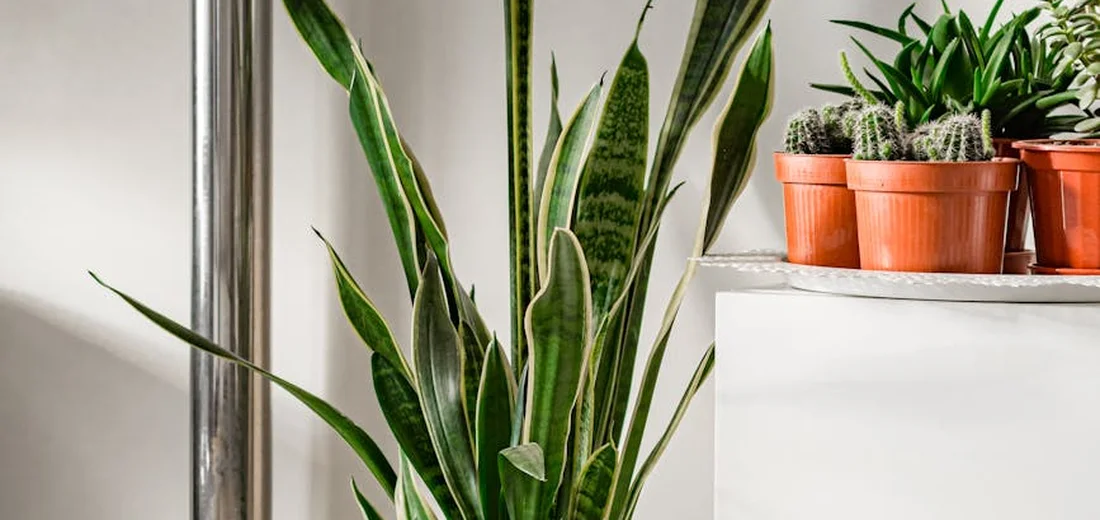
Why are my snake plant leaves skinny and tall?
Skinny, tall leaves are typically a sign of etiolation, where the plant stretches for more light.
What does it mean if my snake plant’s skinny leaves are turning brown?
Skinny leaves turning brown often indicate root damage from overwatering, which prevents proper nutrient uptake.
Why are the new leaves on my snake plant skinny and yellow?
Skinny, yellow leaves are a classic symptom of overwatering, which suffocates roots and leads to weak, discolored growth.
What causes a snake plant to grow thin and floppy?
Thin, floppy growth is usually caused by a combination of insufficient light and overwatering, weakening the plant’s structure.
My snake plant’s leaves are skinny; is this a common problem discussed on Reddit?
Yes, on plant care forums like Reddit, insufficient light is frequently identified as the primary cause for skinny snake plant leaves. This also connects to signs your plant is getting too little light or too much light. Look for leggy growth with too little light, or bleached, scorched tips with too much light.
Should I cut off the skinny leaves on my snake plant?
You can prune severely skinny leaves at the soil line to redirect the plant’s energy into producing new, healthy growth.
Your Path to Plump Snake Plant Leaves
In my years of nurturing snake plants, I’ve found that fixing skinny leaves boils down to adjusting light, water, and nutrients for a happier plant. If your snake plant leaves are curling, it’s usually a sign to revisit light, water, and humidity. Here are the core fixes to remember:
- Move your plant to a spot with bright, indirect light to prevent stretching.
- Water deeply only when the soil is completely dry to avoid root issues.
- Apply a balanced, diluted fertilizer every few months during active growth.
You’ve got all the tools to help your snake plant thrive—trust your instincts and give it the care it deserves. I’m cheering you on as you watch those leaves fill out beautifully! This is part of a complete indoor snake plant care guide focused on placement and maintenance. From choosing the right spot to following a simple care routine, you’ll have it thriving.
Further Reading & Sources
- Snake plant growing very skinny : r/houseplants
- Snake plant has very skinny/narrow leaves
- Snake plant Narrow and Skinny Leaves? in the Ask a Question forum – Garden.org
- Snake Plant Leaves Curling, Falling, Turning Yellow or Brown – Reasons & Solutions
Lena Greenfield is a passionate horticulturist and plant care expert with over 10 years of experience cultivating and nurturing hardy house plants. With a deep understanding of both indoor and outdoor gardening, Lena shares practical advice on choosing, caring for, and maintaining resilient plants that flourish year-round. Through her knowledge and hands-on approach, Lena helps plant lovers transform their spaces into vibrant, green sanctuaries, no matter their gardening experience.
Stress Symptoms