
How to Quarantine and Treat New Succulents
Published on: April 16, 2026 | Last Updated: April 16, 2026
Written By: Lena Greenfield
You’ve just brought home a beautiful new succulent, but that excitement can quickly turn to worry about introducing pests or diseases to your other plants. I’ve learned from years of collecting that skipping this next step is the most common mistake new succulent owners make.
In this guide, I’ll walk you through my proven process for keeping your entire collection safe, covering setting up a quarantine zone, inspecting for hidden pests, effective treatment methods, and knowing when it’s safe to introduce your new plant.
Why a Quarantine Period is Non-Negotiable
I learned this lesson the hard way a few years ago when a beautiful, inexpensive succulent from a big-box store introduced a mealybug infestation to my entire collection. That single, seemingly healthy plant cost me weeks of treatment and nearly killed two of my favorite, mature succulents. A quarantine period is your best defense against hidden pests like spider mites, scale, and fungus gnats, or silent diseases like root rot that can spread rapidly.
New plants can appear perfectly healthy while harboring pests in their soil or eggs on their leaves that you simply cannot see with the naked eye. Think of quarantine not as a punishment for the new plant, but as a protective health screening for your entire plant family. This simple step gives you time to observe the plant for any issues that might develop away from your other vulnerable plants. During quarantine, you can treat any pests you find on the new plant before introducing it to the rest of your collection. This helps quarantine to prevent pest spread to your other plants.
Setting Up Your Succulent Quarantine Station
-
Choose the perfect isolation location.
Find a spot completely separate from your other plants. I use a spare bedroom, but a separate shelf in a different room, a laundry room counter, or even a well-lit garage space works perfectly. The key is ensuring there is zero physical contact and a good amount of air space between your new plant and the rest of your collection. This prevents any crawling pests from making the journey and stops water splashes from potentially spreading fungal spores.
-
Gather your quarantine supplies (quarantine tray, labels, sterile tools).
Keep a dedicated kit for new arrivals. Mine includes a simple plastic tray to catch water, wooden popsicle sticks for labeling with the plant’s name and purchase date, and a small set of tools I sterilize with isopropyl alcohol. Having a separate set of tools for your quarantine zone is a simple habit that prevents cross-contamination instantly. These are essential tools and supplies for beginner plant parents. You’ll also want your preferred insecticidal soap or neem oil and a magnifying glass for close inspections on hand.
-
Prepare the environment (light, humidity control).
Your quarantine area doesn’t need perfect, greenhouse-level conditions, but it should provide adequate light to keep the succulent healthy during its observation period. A bright windowsill with indirect light is ideal. I avoid placing quarantine plants in my most prized, direct-sun spots, just in case they need treatments that could make them photosensitive. Most homes have a suitable humidity level for succulents, but ensure the area has decent air circulation-a small, gentle fan can help prevent stagnant, moist air that encourages mold.
The Initial Inspection: Your First Line of Defense
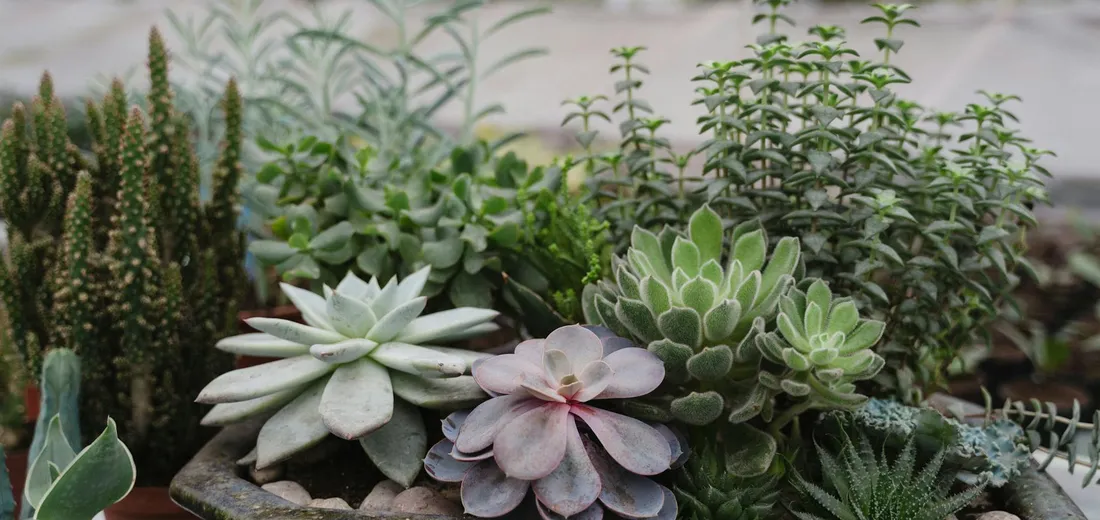
Before your new succulent even crosses the threshold of your plant room, give it a thorough check. I always do this outside or over a white piece of paper so I can easily spot any pests that might fall off. A few minutes here can save you months of heartache later. After this check, follow a care guide for newly propagated succulents‘ aftercare to set them up for success. It covers light, watering, and how to help them root and acclimate.
- Conduct a top-to-bottom visual pest inspection. Look closely at the undersides of leaves and where leaves meet the stem-this is prime real estate for bugs. I gently run my fingers over the foliage to feel for any sticky residue (honeydew) or unexpected bumps. Tiny white, cottony clusters mean mealybugs, while almost invisible little dots that move are likely spider mites.
- Perform a careful root inspection. I gently tip the plant out of its nursery pot to look at the roots. Healthy roots are firm and can be white, tan, or even orange. You want to see a nice network of them. If they’re dark, mushy, and smell bad, that’s root rot. If they’re bone-dry and brittle, the plant has been seriously underwatered.
- Check soil condition and moisture. Feel the soil with your finger. Is it sopping wet and dense? Many store-bought succulents are planted in soil that holds too much moisture. A soggy start is an invitation for fungal issues. I prefer a mix that feels gritty and falls apart easily, signaling good drainage.
Common Pests and Diseases on New Succulents
Knowing what you’re looking for makes you a much better plant detective. Over the years, I’ve found that catching these issues early is the single biggest factor in saving a plant. If it’s beyond saving, remove it and clean the pot and tools. Then start fresh with a healthier plant and a better care plan.
Unwanted Guests: Sap-Sucking Pests
These pests are like tiny vampires for your plants, draining their vitality.
- Mealybugs: These look like tiny bits of fluff or cotton. I often find them nestled in the tight crevices of my echeverias. They leave a sticky residue behind that can attract sooty mold.
- Spider Mites: You might see fine, silky webbing before you see the mites themselves. They cause a stippled, dusty look on leaves. I once had a jade plant nearly succumb to these because I missed the early signs.
- Scale: These appear as small, brown, bumpy shells stuck to the stems or leaves. They don’t look like bugs at first glance, which is how they often go unnoticed.
A quick tip: A cotton swab dipped in isopropyl alcohol is my go-to for instantly wiping out small infestations of mealybugs and scale on contact.
Silent Invaders: Fungal and Bacterial Issues
These problems are often hidden until they’ve done significant damage.
- Root Rot: This is the most common killer I see. It’s caused by overwatering and poor-draining soil. The plant may look healthy on top, but the roots are turning to mush below the surface.
- Powdery Mildew: This looks like someone dusted your plant with white powder. It thrives in humid, stagnant air conditions. I’ve spotted it on the flat leaves of kalanchoes before.
- Soft Rot: Caused by bacteria, this makes plant tissue become soft, watery, and smelly. It can spread frighteningly fast through a collection if an infected plant isn’t isolated.
My rule of thumb is simple: when in doubt, isolate. A two-week quarantine away from your other plants is a small price for peace of mind. That habit is a cornerstone of a comprehensive pest prevention strategy for your plant collection. Pairing quarantine with regular inspections and proactive care keeps pests at bay.
Effective Treatment Protocols During Quarantine

-
Isolate and contain the problem. When I bring a new succulent home, I immediately place it in a separate room or on an isolated shelf. In my years of caring for succulents, I learned the hard way that skipping this step can lead to widespread issues. Keeping new plants away from your collection for at least two weeks gives you time to spot hidden pests or diseases before they cause damage. If you’re wondering where to keep succulents during this isolation, choose a bright spot with indirect light. A spare shelf or dedicated plant area away from drafts and heavy traffic works well.
-
Select and apply treatment (anti-fungal spray, physical pest removal). If I notice signs like white powdery mildew or tiny bugs, I choose a targeted approach. For fungal problems, I use a store-bought anti-fungal spray or a DIY mix of water and a few drops of tea tree oil. For pests like aphids, I gently wipe them off with a cotton swab dipped in rubbing alcohol. Testing any treatment on a small leaf first helps prevent shocking the plant, something I do every time.
-
Monitor the plant’s response. After treatment, I check the succulent daily for changes in leaf color, firmness, or new growth. I once had a jade plant that took a week to show improvement after a mealybug removal. If you see the leaves perking up and no new issues, your treatment is working; if not, try a different method after a few days.
Smart Hygiene to Avoid Cross-Contamination
-
Maintain a clean workstation. I wipe down my potting bench with 70% isopropyl alcohol before and after each use. This simple habit has saved me from spreading spores between plants. A clean surface drastically cuts down on disease transfer, making your plant care routine safer and more efficient.
-
Use sterile tools and gloves. I always sterilize my pruning shears with a quick flame pass or alcohol wipe, and I wear disposable gloves when handling sick plants. Using dedicated tools for quarantined succulents prevents accidental contamination, a lesson I picked up after losing a few favorites to cross-infection. It’s also crucial to use proper watering and soil techniques to prevent disease.
-
Manage separate soil and pots. I keep a set of pots and soil bags just for new or treated plants, and I never reuse soil from an infected pot without baking it to sterilize. Separating your materials ensures that pathogens don’t hitch a ride to healthy plants, something I stress in my own garden setup.
-
Implement diligent recordkeeping. I jot down dates, treatments applied, and observations in a simple notebook for each plant. This practice helped me identify patterns, like which anti-fungal sprays worked best on echeverias. Keeping records turns guesswork into confident decisions, saving you time and plants in the long run.
Gradually Introducing Your Healthy New Succulent
After your plant has successfully completed its quarantine, the real fun begins. Moving a plant directly from a sheltered quarantine spot to a bright, sunny windowsill is a surefire way to give it a nasty sunburn. I learned this the hard way with a beautiful echeveria that developed permanent brown scars because I was too eager.
The Importance of a Slow Acclimation
Think of your new succulent like a person who hasn’t seen the sun all winter. You wouldn’t send them to the beach for eight hours on the first sunny day. Succulents need the same gentle approach. This slow introduction, often called “hardening off,” allows the plant to build up a protective layer of pigments to handle stronger light. It reduces stress and prevents leaf damage, setting your plant up for a long, healthy life in your care. In an outdoor succulent care guide, you’ll find tips for growing succulents in your garden, including how to position them for sun and drainage. Following these steps helps ensure a thriving display in your garden all season.
A Simple 7-Day Transition Plan
I follow this straightforward schedule with every new plant, and it has never failed me. You’ll need a spot with your home’s typical light and the final, brighter spot where the plant will live permanently.
- Days 1-2: Place your succulent in its final, bright spot for just 2 hours in the early morning or late afternoon. Keep it in a shadier spot for the rest of the day.
- Days 3-4: Increase the exposure to 4 hours in its permanent home.
- Day 5: Let it enjoy the light for about 6 hours.
- Day 6: A full 8 hours of light is the goal for today.
- Day 7: Your succulent is now ready to live in its new spot full-time!
Watch the leaves closely during this process; if you see any bleaching or reddish stress colors, pull it back to a shorter light exposure for a few more days. Patience here pays off with vibrant, undamaged foliage.
What to Watch For During Acclimation
Even a healthy plant can show signs of adjustment. Keep an eye out for these normal reactions versus potential problems.
- Normal: A slight red or pink tint developing on the leaf edges. This is called “blushing” and is a sign of perfect sun exposure.
- Problem: Leaves turning white, pale yellow, or developing crispy brown patches. This is sunburn. Move the plant to a shadier location immediately.
- Normal: The plant feels firm and the lowest leaves may slowly wrinkle as it settles in, signaling it’s ready for its first drink in the new location.
- Problem: Leaves becoming mushy, translucent, or black at the base. This is often overwatering or rot, unrelated to light, and needs immediate attention.
My best quick tip: Use your phone’s camera to take a picture of your plant on day one of acclimation. This gives you a perfect visual reference to compare against if you’re unsure whether the color change is good or bad.
FAQs
How long should I quarantine a new succulent?
Aim for a quarantine period of at least two to four weeks to catch any delayed pest or disease issues.
What if I don’t have a separate room for quarantine?
Use an isolated shelf or area with good airflow, keeping it several feet away from other plants.
Are there natural alternatives to chemical pest treatments?
Yes, you can use diluted neem oil or insecticidal soap as effective, natural options for minor infestations.
How do I know if a pest treatment is working?
Monitor for reduced pest numbers and signs of recovery, like new growth and firmer leaves.
Should I repot my new succulent during quarantine?
Repotting into fresh, well-draining soil helps inspect roots and prevent soil-related diseases.
What should I do if no problems appear after quarantine?
Slowly acclimate the plant to its final spot and introduce it to your collection once it shows no stress.
Your Succulent Health Starts Here
Protecting your plant family boils down to this: always quarantine new succulents and give them a thorough check-up before they join the rest. This simple habit is your best defense against hidden pests and diseases. Stay vigilant for common succulent pests and learn to identify signs like cottony masses, sticky residue, webbing, or distorted leaves. Quick, targeted treatment and preventive care can stop infestations from spreading and protect your collection.
- Inspect leaves and soil carefully for any signs of trouble
- Isolate new plants in a separate space for 2-4 weeks
- Treat any issues you find right away with gentle methods
I’ve kept succulents for years, and this routine has spared me so many headaches-you can do this with confidence. Your careful attention now means a thriving, happy plant collection later (see what succulents need to thrive). Go give those new green friends the warm, safe welcome they deserve!
Further Reading & Sources
- Why Do We Need to Quarantine New Succulent Plants? – Succulents Box
- Quarantining Sick Succulents – Spike & Bloom
- Quarantine succulents to keep problems from spreading. – SucculentSimplicity
- How to Treat Powdery Mildew on Succulents – Succulents Box
Lena Greenfield is a passionate horticulturist and plant care expert with over 10 years of experience cultivating and nurturing hardy house plants. With a deep understanding of both indoor and outdoor gardening, Lena shares practical advice on choosing, caring for, and maintaining resilient plants that flourish year-round. Through her knowledge and hands-on approach, Lena helps plant lovers transform their spaces into vibrant, green sanctuaries, no matter their gardening experience.
Plant Diseases