
The Complete Guide to Fertilizing Common Houseplants
Published on: December 8, 2025 | Last Updated: December 8, 2025
Written By: Lena Greenfield
Are you wondering when and how to feed your houseplants? You might be worried that using the wrong fertilizer could harm your green friends.
In this guide, I’ll walk you through everything I’ve learned from years of keeping my own indoor jungle thriving. We will cover: when to fertilize, choosing the right fertilizer, how to apply it, and fixing common mistakes.
Houseplant Fertilizing Basics: What You Really Need to Know
Even the best potting soil runs out of steam after a while. The nutrients in that fresh bag of soil are a finite resource, and your plant uses them up as it grows. Fertilizer replenishes those nutrients, giving your plant the fuel it needs to push out new leaves and stay vibrant.
Let’s break down the key terms so you know what you’re feeding them.
- Plant Nutrition: This is the overall process of your plant taking in and using elements from its environment to live and grow.
- Macronutrients: These are the big three – Nitrogen (N), Phosphorus (P), and Potassium (K). Think of them as the main course of a meal. Nitrogen is for green, leafy growth, phosphorus helps roots and flowers, and potassium keeps the plant’s systems running smoothly.
- Micronutrients: These are elements like iron, manganese, and zinc that plants need in tiny amounts. They’re like a daily multivitamin, supporting crucial functions behind the scenes.
Here’s how I explain it to my plant-loving friends: the soil is the plant’s main food, providing sustenance. Fertilizer is the vitamin supplement, filling in the nutritional gaps to ensure robust health. You can’t have a thriving plant on vitamins alone, but food without key nutrients leads to a lackluster one.
When to Fertilize: Reading Your Plant’s Seasonal Clock
-
Most houseplants follow a natural rhythm of active growth in the spring and summer, when days are longer and brighter. This is their dinner time. In the fall and winter, with lower light levels, they enter a dormant or rest period. Fertilizing a dormant plant is like offering a full meal to someone who’s asleep-it won’t be used and can harm the roots.
-
A simple, safe schedule I’ve used for years is to fertilize every 4-6 weeks during the active growing season (roughly March through September). Then, I stop completely for most plants from October through February, or until I see clear signs of new growth. In other words, the best time of year to fertilize indoor plants is during their active growing period, not in winter. Avoid fertilizing when growth is dormant to prevent waste and possible damage.
-
Look for these specific signs that your plant is actively growing and ready for food:
- A new leaf unfurling from the center of the plant.
- The tip of a vine extending longer.
- A fresh, bright green stem poking out of the soil.
- The development of a flower spike.
-
Some plants break the rules! Winter-blooming plants like certain orchids and holiday cacti are actively growing when others are asleep. For these exceptions, you fertilize on their growth schedule, not the calendar’s. Some fast-growing plants in ideal, consistently bright conditions may also benefit from light, year-round feeding.
Spotting the Signs: Nutrient Deficiency and Overfertilization
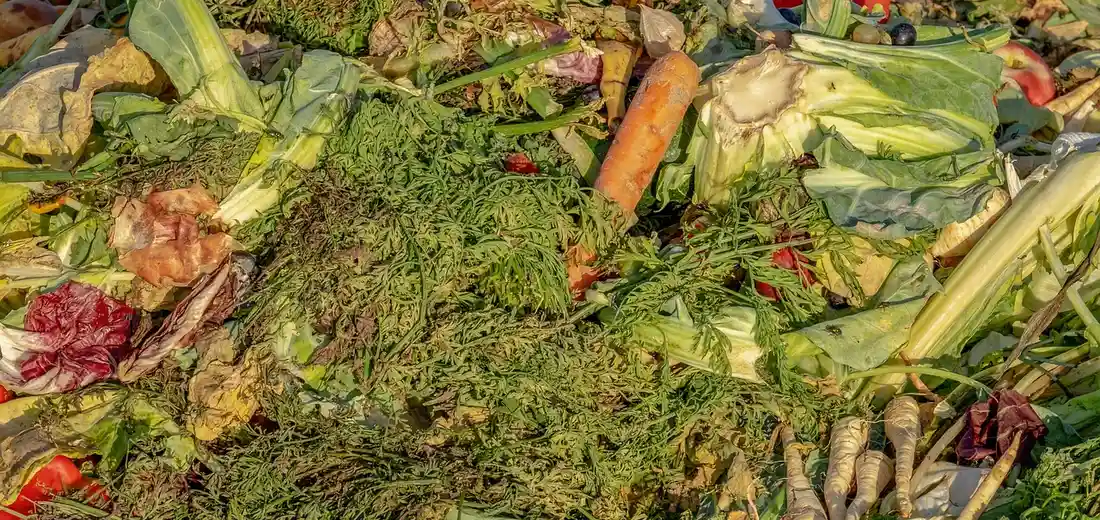
Common Symptoms of Nutrient Deficiency
Your plants will tell you when they’re hungry; you just need to learn their language. I often see yellowing leaves, especially the older ones at the bottom of the plant, as one of the first cries for help. This is a classic sign they might be running low on nitrogen, which is like the main course for leafy green growth.
If you notice weak, spindly stems or a general lack of vigor, your green friend is likely starving for a balanced meal. Pale or faded-looking leaves often mean the plant isn’t getting enough of the essential nutrients it needs to produce that rich, vibrant green chlorophyll. I’ve watched many plants sit stubbornly without pushing out a single new leaf for months, and a gentle feeding was the simple nudge they needed to start growing again.
- Yellowing Older Leaves: Often signals a nitrogen deficiency, as the plant moves this mobile nutrient to support new growth.
- Weak, Leggy Growth: Indicates a general lack of energy, frequently from insufficient phosphorus or potassium.
- Pale or Faded Color: Suggests a shortage of multiple micronutrients, preventing proper chlorophyll production.
- Lack of New Leaves: A clear sign the plant has exhausted the available food in its soil and needs a refill.
Clear Symptoms of Overfertilization
More food is not always better, and I’ve learned this the hard way with a few scorched fern fronds. The most obvious red flag is a crusty white layer on top of the soil-this is a buildup of mineral salts from the fertilizer. It’s a clear sign you’ve been a little too generous with the plant food.
Look closely at the leaf tips and margins; if you see them turning brown, crispy, and looking burnt, that’s classic fertilizer burn. A plant that suddenly drops a bunch of healthy-looking leaves is often in shock from a heavy dose of nutrients it just can’t process. The roots get overwhelmed, and the plant panics.
- Crusty White Soil Residue: A visible salt buildup that can actually pull moisture out of the roots.
- Leaf Burn (Brown, Crispy Edges): Direct damage from the high concentration of salts in the fertilizer.
- Sudden Leaf Drop: A stress response from the roots being chemically burned.
- Stunted Growth: Ironically, too much fertilizer can halt growth completely as the plant struggles to survive.
If you suspect overfertilization, act fast. My go-to emergency fix is to take the plant to a sink or bathtub and slowly run room-temperature water through the soil for a full five minutes. This process, called flushing, helps wash away the excess salts. Let the pot drain completely before returning it to its saucer.
Choosing Your Indoor Plant Fertilizer: A Type for Every Plant Parent
Walking down the fertilizer aisle can feel overwhelming, but I promise it’s simpler than it looks. Think of fertilizer like plant food, and you’re just picking the meal delivery service that fits your lifestyle best. I’ve tried them all over the years, and each type has its perfect place in a plant parent’s toolkit.
Liquid Fertilizer
Liquid fertilizer is like a power smoothie for your plants. You mix it with water, and the roots can drink it up immediately. This fast-acting nature means you can see results-like a sudden burst of new growth-within just a week or two. It’s perfect for giving your green friends a quick nutrient boost when they look a little pale or are in their prime growing season.
I use liquid fertilizer most often during the spring and summer. My personal routine is simple: I mix it at half the recommended strength every other time I water. This “weakly, weekly” approach prevents any chance of root burn and keeps my plants consistently happy and fed. I keep a dedicated watering can just for my fertilizing days to make the process foolproof.
Slow-Release Fertilizer
Slow-release fertilizers come as tiny granules or spikes that you mix into the top layer of soil. They break down gradually, releasing a little bit of food every time you water. This set-it-and-forget-it method is a lifesaver for busy plant parents or for plants that are generally low-maintenance. It’s my top choice for mixing into the soil when I’m repotting, as it gives the plant a steady supply of nutrients for months.
I’ve had fantastic results using slow-release fertilizer with my resilient snake plants and ZZ plants. I mixed some into the soil of a large snake plant last year, and it pushed out three new pups over the summer without me having to remember a single extra feeding. It’s the closest thing to an autopilot for plant care, and it works wonderfully for forgiving species.
Organic vs. Synthetic Fertilizer
The choice between organic and synthetic fertilizer boils down to how quickly your plant gets food and how you feel about long-term soil health. Organic options, like fish emulsion or worm castings, feed the soil’s microbiome, which in turn feeds your plant slowly and gently. Synthetic fertilizers are lab-made and provide nutrients in a form plants can use right away, but they don’t do much to improve the soil itself over time. For houseplants in pots, the choice often boils down to long-term soil vitality or a quick nutrient boost.
- Organic Pros: Improves soil structure, is very difficult to over-fertilize with, and is eco-friendly.
- Organic Cons: Can have a distinct odor, acts more slowly, and nutrient levels can be less precise.
- Synthetic Pros: Fast, predictable results, odorless, and easy to measure.
- Synthetic Cons: Higher risk of burning roots if overused and can lead to salt buildup in the soil.
For my own collection, I lean heavily toward organic fertilizers. I find that my plants develop stronger, healthier root systems and the soil stays fluffy and alive season after season. I use a diluted organic liquid fertilizer for my regular feedings and top-dress with worm castings in the spring. It just feels more like I’m building a mini-ecosystem in each pot, and my plants truly thrive on it.
The NPK Ratio Demystified: What Those Numbers Really Mean
Those three numbers on a fertilizer bottle can seem like a secret code. I remember staring at them, completely baffled. Let me break it down for you in the simplest way possible: think of NPK as your plant’s primary diet.
Meet the Big Three: N, P, and K
Every number represents a percentage of that specific nutrient in the mix.
- Nitrogen (N) is the leafy green maker. It fuels the rapid growth of stems and leaves. If your plant is all about fabulous foliage, like a Monstera or a Pothos, it craves nitrogen.
- Phosphorus (P) is the root and bloom booster. It’s the energy behind strong root development and, crucially, the formation of flowers and fruits. Your flowering plants, like African Violets, need a good dose of this.
- Potassium (K) is the plant’s immune system and overall health regulator. It helps with disease resistance, water movement, and the general hardiness of the plant. It’s the unsung hero that keeps everything running smoothly.
What is a Balanced Fertilizer?
A balanced fertilizer has all three numbers that are the same or very close, like a 10-10-10 or a 20-20-20 formula. I consider a balanced fertilizer the reliable all-rounder in my plant care toolkit, perfect for general maintenance feeding. You’d typically use this for most common houseplants during their main growing season (spring and summer) when you want to support all-around health without pushing for one specific type of growth.
Simple NPK Recommendations for Your Plants
Based on what I’ve used successfully for years, here’s a quick guide to get you started.
For Foliage-Focused Plants
Your leafy friends like Philodendrons, Snake Plants, and ZZ Plants thrive with a formula that has a higher first number. Look for something like a 3-1-2 ratio (e.g., 9-3-6 or 12-4-8). This gives them plenty of nitrogen for lush, vibrant leaves without overstimulating flowers they won’t produce.
For Flowering Plants
Plants that you grow for their blooms, such as Orchids, Kalanchoes, or Holiday Cacti, need a fertilizer that supports their showy efforts. Seek out a “bloom booster” formula with a higher middle number, like a 1-3-2 ratio (e.g., 5-10-5 or 10-30-20). This provides the extra phosphorus needed for prolific flowering.
Quick Tip: I almost always use a water-soluble fertilizer because it’s easy to control the strength and it gets to the roots fast.
How to Apply Fertilizer: A Step-by-Step Guide
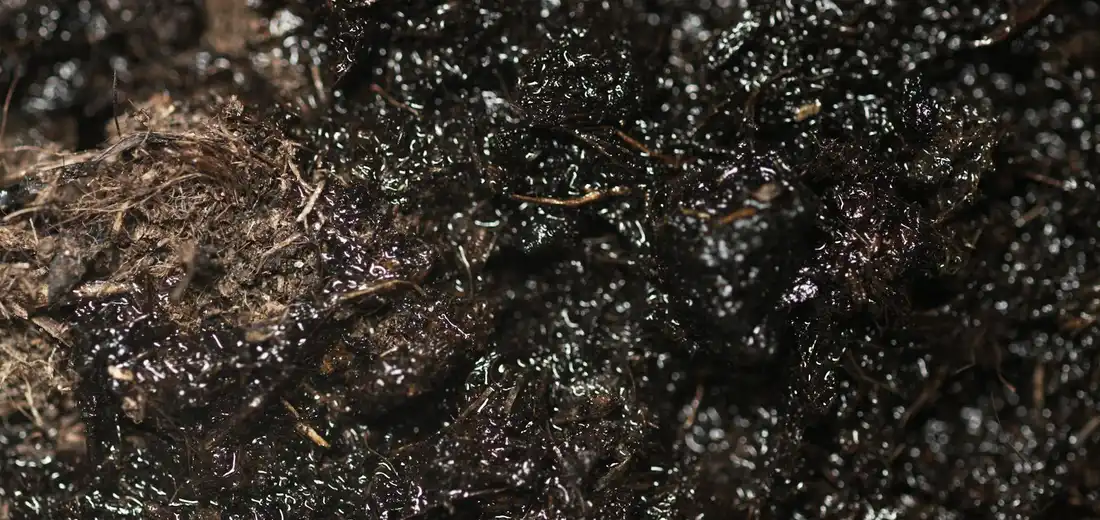
Getting fertilizer into the pot correctly is just as important as choosing the right one. I’ve learned from my own mistakes that proper application prevents root burn and ensures your plant gets the full benefit of the meal you’re serving. This is especially crucial when using fertilizer for succulents.
-
Step 1: Always water your plant first with plain water.
This is my non-negotiable first step. Watering with plain water first moistens the soil and prepares the roots, preventing the fertilizer from shocking them with a sudden, concentrated dose of nutrients. Think of it like putting lotion on damp skin-it absorbs so much better and more evenly. I always check that water is draining freely from the bottom holes before I even think about mixing my fertilizer.
-
Step 2: Prepare your fertilizer solution, emphasizing dilution.
This is where you follow the instructions on your chosen fertilizer’s label, but I often go a step further. For most of my leafy tropicals, I dilute liquid fertilizer to half or even a quarter of the recommended strength. It’s like making a weak soup instead of a thick stew; it’s gentler and safer. I use a dedicated measuring spoon and mix it thoroughly in my watering can to ensure there are no hot spots of concentrated fertilizer that could harm the roots.
-
Step 3: Apply evenly to the soil, avoiding the leaves and stem.
Pour your prepared fertilizer solution directly onto the soil, moving around the pot to distribute it evenly. Be very careful to avoid splashing the leaves or dumping it directly onto the plant’s stem, as this can cause chemical burns and unsightly spots. I aim for the soil surface and stop pouring once I see a little bit of liquid just starting to trickle out of the drainage holes. This tells me the entire root zone has been reached.
-
Step 4: Briefly touch on the concept of foliar feeding as an advanced technique.
While I primarily feed through the soil, I occasionally use a technique called foliar feeding for a quick nutrient boost. Foliar feeding involves misting a very, very diluted fertilizer solution directly onto the leaves, which they can absorb through their surfaces. I only do this in the early morning so the leaves dry quickly, and I never use it as a substitute for proper soil fertilization. It’s a handy trick for perking up a stressed plant, but it requires a light touch to avoid leaf damage.
Special Feeding Needs for Hardy Favorites and Succulents
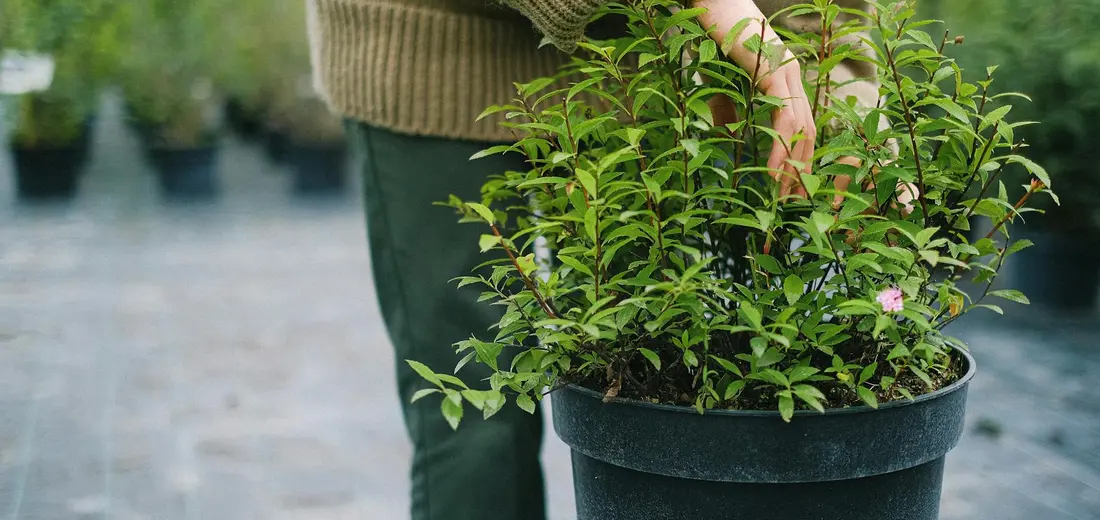
Fertilizing Succulents and Cacti
I’ve learned that succulents and cacti are the low-maintenance friends of the plant world, and that includes their feeding habits. Their roots are surprisingly sensitive and can be easily damaged by strong, concentrated fertilizers. In their native, often harsh environments, they’ve adapted to thrive on very little nutrition, so overfeeding is a much bigger risk than underfeeding in your home.
I use a fertilizer specifically labeled for cacti and succulents, which is typically lower in nitrogen. My go-to method is to dilute a balanced, liquid fertilizer to half or even a quarter of the recommended strength. I only feed my collection during their active growing season, from spring through early fall, and I completely stop all fertilizing in the winter when they are dormant. For maximum growth, time feeding to the peak growing period—spring through early summer when new growth is most active. Avoid fertilizing during dormancy, as growth slows and salts can build up.
- Use a fertilizer formulated for cacti/succulents or a general-purpose one at half-strength.
- Feed only during active growth (spring and summer), about once a month.
- Always water the soil lightly with plain water before applying fertilizer to protect the roots.
- Stop all feeding in the fall and winter to respect their natural rest period.
Fertilizing Other Common Hardy Houseplants
Plants like Snake Plants, ZZ Plants, and Pothos are celebrated for their toughness, and their fertilizer needs are just as straightforward. These plants are champions at making the most of very little, so a light feeding schedule is all they need to look their best. I treat them to a diluted, balanced liquid fertilizer and they reward me with steady, healthy growth without any fuss. Especially for Snake Plants, it’s important to know the right way to fertilize.
For my Snake Plant, I feed it maybe twice during the entire spring and summer. My Pothos and Philodendrons get a slightly more regular treat of half-strength fertilizer once a month during their growing season. The key with all of them is to err on the side of less. A pale leaf or slightly slower growth is a signal they might be hungry, while yellowing or brown tips can often mean you’ve been a little too generous.
- Snake Plant & ZZ Plant: Feed lightly 1-2 times during the growing season with a balanced, diluted fertilizer.
- Pothos & Philodendron: A monthly half-strength feeding in spring and summer supports their vining growth.
- Spider Plant: Feed every 2-4 weeks in the growing season to support its rapid growth and “pups.”
- Peace Lily: A balanced fertilizer every 6-8 weeks during spring and summer helps promote its classic white blooms.
Quick Tip: For almost all hardy houseplants, using a fertilizer at half the recommended strength is a safe and effective rule of thumb. This prevents salt buildup in the soil and keeps your resilient plants happy without the risk of overfeeding. For the best NPK ratio when fertilizing houseplants, use a balanced indoor formula and dilute to half strength.
FAQs
What is a houseplant fertilizer guide?
A houseplant fertilizer guide offers step-by-step instructions on selecting and applying fertilizers to keep indoor plants healthy and thriving.
How often should you fertilize houseplants?
Fertilize most houseplants every 4-6 weeks during their active growing season in spring and summer, and reduce or stop in fall and winter. This 4-6 week rhythm helps answer when to fertilize indoor plants. If growth is slow or the plant is stressed, extend the interval or skip feeding as needed.
Which nutrients are essential for houseplants?
Houseplants need macronutrients like nitrogen, phosphorus, and potassium, plus micronutrients such as iron and manganese for proper growth.
Can you use kitchen waste or DIY mixtures as houseplant fertilizer?
Yes, you can use composted kitchen scraps like coffee grounds or eggshells as natural fertilizers, but dilute them properly to prevent issues.
How do you read fertilizer labels and interpret NPK ratios for houseplants?
NPK ratios show the percentages of nitrogen for leaves, phosphorus for roots and blooms, and potassium for overall plant health. If you notice signs of nitrogen deficiency, such as yellowing leaves or slow growth, you can how to fix nitrogen deficiency by adjusting the nitrogen supply in your fertilizer mix.
Are there plant species that should not be fertilized or require special care?
Yes, plants like succulents and cacti need minimal fertilizer, while flowering species may require specific formulas during bloom cycles. This is an essential guide to whether succulents need fertilizer. We’ll cover when to feed, which formulas work best, and how to avoid over-fertilizing.
Happy Growing Ahead
From my own plant-parenting journey, fertilizing well means giving your green friends what they need, when they need it-no guesswork required. Stick to a simple routine, and you’ll see healthier leaves and more blooms in no time. Keep these basics in mind:
- Pick a fertilizer suited to your plant type, like a balanced mix for foliage or a low-nitrogen one for succulents.
- Feed during active growth seasons, and always water first to prevent root shock.
- Watch for signs like pale leaves or slow growth to adjust your approach.
For ongoing support, follow along at Hardy House Plants-I’m here to help you grow your confidence right alongside your plants. With a bit of care, you’ll have a thriving indoor jungle that brings joy every day.
Further Reading & Sources
- Fertilizing houseplants: general rule of thumb?
- How often should I fertilize houseplants? | Yard and Garden
- Fertilizing Houseplants 101 – HOMESTEAD BROOKLYN
- Spring Feeding: Houseplant Fertilizing 101 – Pistils Nursery
Lena Greenfield is a passionate horticulturist and plant care expert with over 10 years of experience cultivating and nurturing hardy house plants. With a deep understanding of both indoor and outdoor gardening, Lena shares practical advice on choosing, caring for, and maintaining resilient plants that flourish year-round. Through her knowledge and hands-on approach, Lena helps plant lovers transform their spaces into vibrant, green sanctuaries, no matter their gardening experience.
Fertilization