
What Is the Best Fertilizer for Succulents?
Published on: December 4, 2025 | Last Updated: December 4, 2025
Written By: Lena Greenfield
You’re probably wondering what to feed your succulents without accidentally harming them. I’ve been there too, watching a favorite plant struggle after a well-intentioned feeding.
In this guide, I’ll share everything I’ve learned from years of growing dozens of succulents on my sunny windowsills. We’ll cover the best fertilizer types, the ideal N-P-K ratio, when and how to apply it, and my personal feeding schedule.
Do Succulents Really Need Fertilizer?
I used to think my succulents were so tough they could thrive on neglect alone, but after a few years, I noticed they just weren’t as vibrant. While they are champions of survival, a little food helps them truly thrive instead of just survive.
Think of fertilizer like a vitamin boost. In the wild, they get nutrients from decomposing organic matter and mineral-rich soil. Your potted succulent is living in a closed system where nutrients get used up and washed away over time. So, do succulents really need special soil? The truth is they benefit from well-draining, low-nutrient mixes rather than rich garden soil.
Here are the tell-tale signs I look for that scream “feed me!”:
- Extremely slow or stunted growth, even during the spring and summer growing season.
- New leaves are much smaller than the older, established ones.
- A general pale or washed-out appearance, losing that deep, rich color.
- The lower, older leaves are consistently yellowing and dying off at an accelerated rate.
Their natural habitat is a slow-release buffet of minerals. Your windowsill pot is more like a tiny apartment with a nearly empty fridge. Fertilizer simply replenishes the vital nutrients that watering gradually leaches out of the potting mix.
Understanding Succulent Fertilizer Basics
Walking down the fertilizer aisle can be overwhelming, but it all starts with understanding three letters: NPK. NPK stands for Nitrogen (N), Phosphorus (P), and Potassium (K), the three primary macronutrients all plants need.
For succulents, you generally want a balanced or low-nitrogen formula. Too much nitrogen makes them grow too fast and become soft and leggy, ruining their compact shape. A lower nitrogen number helps promote stronger, slower growth and better stress tolerance.
Don’t forget the supporting cast! Micronutrients are just as crucial for plant health. I always check the label for these:
- Calcium for strong cell walls and preventing rot.
- Magnesium, which is the central atom in chlorophyll for photosynthesis.
- Iron to prevent chlorosis, those yellow leaves with green veins.
- Zinc for enzyme function and overall growth regulation.
Here’s a quick comparison of common NPK ratios I’ve had success with in my own collection:
| NPK Ratio | Best For | My Notes |
|---|---|---|
| 2-7-7 | Flowering & Root Development | My go-to for encouraging blooms on my echeverias and kalanchoes. |
| 5-10-10 | General Health & Strength | A great balanced option that provides a little of everything without overdoing it. |
| 1-1-1 | Seedlings & Gentle Feeding | Perfect for a very light feeding or for plants that are stressed and recovering. |
| 3-1-2 | Foliage Growth (Use Sparingly) | I only use this if a plant needs a green-up, but I dilute it more than the bottle says. |
Quick tip: When in doubt, choose a fertilizer labeled for cacti and succulents, as it’s already formulated with their specific needs in mind.
Types of Fertilizers for Succulents
Organic vs. Inorganic Fertilizers
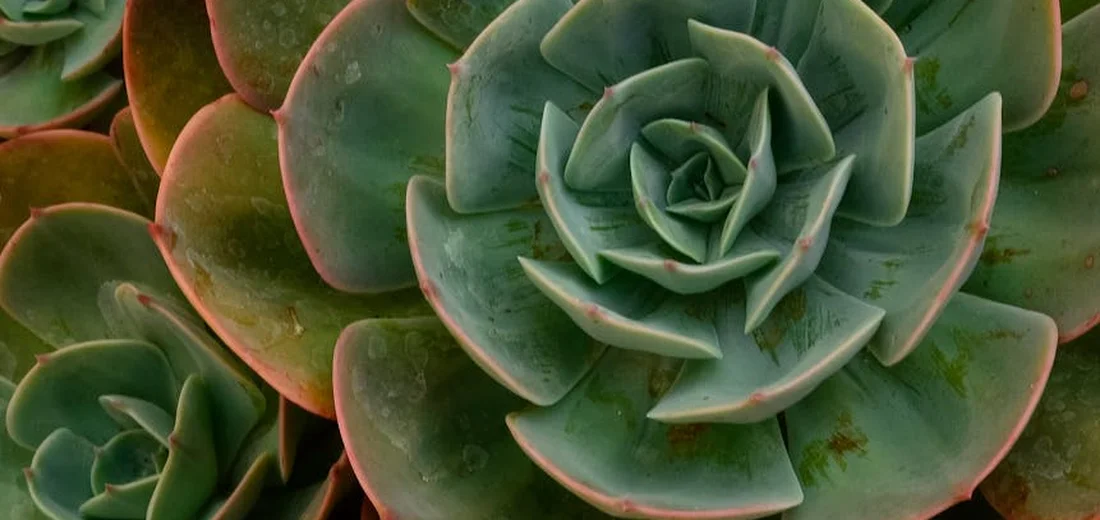
In my years of collecting succulents, I’ve experimented with both organic and inorganic fertilizers, and each has a place in your care routine. Organic fertilizers, like compost tea or worm castings, feed your plants and the soil’s ecosystem, creating a living, healthy environment for your succulents over the long term. They release nutrients slowly as microorganisms break them down, which mimics how these plants feed in nature. The organic and inorganic soil components both matter for succulents; inorganic additives like pumice, perlite, and coarse sand improve drainage and aeration in their mixes. Finding the right balance between organic amendments and inorganic components helps tailor soil to different succulent species and climates.
Inorganic fertilizers, often called synthetic or chemical blends, provide nutrients in a form that’s immediately available to your plants. The main advantage of a synthetic blend is precision; you know exactly what nutrients you’re giving your plant and can address deficiencies quickly. I find they give my succulents a faster, more noticeable boost during their main growing season.
- Organic Benefits: Improves soil health, gentle and slow-acting, less risk of burning roots.
- Organic Drawbacks: Nutrient content can be inconsistent, acts more slowly, can attract fungus gnats.
- Inorganic Benefits: Fast-acting, precise nutrient ratios, easy to control dosage.
- Inorganic Drawbacks: Can build up salts in the soil over time, doesn’t improve soil structure, higher risk of root burn if over-applied.
Slow-Release vs. Water-Soluble Fertilizers
Choosing between slow-release and water-soluble formulas often comes down to your personal schedule and how hands-on you want to be. Slow-release fertilizers are my go-to for a “set it and forget it” approach, as they steadily feed your plants for months, which is perfect for busy plant parents. They usually come as small pellets or spikes that you mix into the soil.
Water-soluble powders or liquids give you complete control. I prefer water-soluble options when I want to give my succulents a targeted feeding at the very start of their growth spurt, as the nutrients are available to the roots almost instantly. You just mix them into your watering can.
Quick Tip: Always err on the side of under-fertilizing! It’s much easier to add a little more later than to fix a plant suffering from fertilizer burn.
How to Apply Slow-Release Fertilizer
- Wait until you are repotting your succulent or the soil is dry on the surface.
- Sprinkle the recommended amount of pellets evenly over the soil surface.
- Very gently scratch them into the top inch of soil with your fingers or a small tool.
- Give the pot a light watering to activate the nutrient release.
How to Use Water-Soluble Fertilizer
- Check the package for the dilution rate for container plants or succulents specifically.
- Add the powder or liquid concentrate to your watering can first.
- Fill the can with water and stir well to ensure it’s fully dissolved and mixed.
- Water your succulents as you normally would, ensuring the fertilized water reaches the roots.
How to Choose the Best Fertilizer
Picking the right plant food can feel overwhelming with all the options, but I’ve found it boils down to three simple things you should check on the label.
Key Factors to Look For
Before you buy anything, turn the bottle or package over and look for these three details.
- NPK Balance: This is the N-P-K ratio, like 5-10-10 or 2-7-7. Succulents thrive on a “low-nitrogen” diet. I look for a formula where the first number (Nitrogen) is the smallest or equal to the others. High nitrogen makes them grow too fast and become weak and leggy, which I learned the hard way with a stretched-out echeveria.
- Micronutrient Content: Beyond the big three (N-P-K), your succulents need tiny amounts of other minerals. A good fertilizer will list “micronutrients” like calcium, magnesium, and zinc on the label. These are the secret ingredients for strong cell walls and vibrant colors.
- Ease of Use: Your routine needs to be simple to stick with it. Liquid fertilizers you mix with water are my go-to because I can control the strength perfectly. Slow-release granules are a great “set it and forget it” option for busy plant parents.
The Secret Weapon: Chelated Iron
If your succulents have pale green or yellowish leaves but the veins are still dark, they might be crying out for iron. Ordinary iron in fertilizer can get locked up in the soil and become useless to the plant. I always choose a fertilizer that contains “chelated iron,” which is a special form that stays available for the roots to absorb, giving you greener, healthier plants faster.
What to Absolutely Avoid
Just as important as what you give them is what you don’t. Steer clear of these common mistakes to keep your succulents happy.
- High-Nitrogen Fertilizers: Avoid lawn fertilizers or general-purpose plant foods with a big first number like 30-10-10. They will cause weak, mushy growth that is prone to rot.
- Fertilizers for Acid-Loving Plants: These are formulated for plants like azaleas and can make your potting soil too acidic for most succulents.
- Any Fertilizer on Dry Soil: Never feed a thirsty plant! Always water your succulents thoroughly first, then apply the diluted fertilizer. This prevents root burn and helps distribute the nutrients evenly.
Step-by-Step Guide to Fertilizing Succulents
Feeding your succulents doesn’t need to be complicated. I’ve found that following a simple, consistent routine is the key to seeing them thrive without the risk of overdoing it. To keep things pest-safe, I emphasize precise amounts and clean watering. This helps me fertilize succulents without attracting pests. Here’s my personal method, refined over years of trial and error with my own collection.
1. Choose the Right Fertilizer Based on Plant Needs and Season
Not all plant food is created equal. I always look for a balanced, water-soluble fertilizer with a low NPK ratio, something like 5-10-10 or even a 2-7-7 blend made specifically for succulents and cacti. The lower nitrogen content is crucial-it prevents your succulents from growing too fast and becoming weak and leggy. For my flowering succulents, like certain kalanchoes, I might use a blend with a slightly higher phosphorus number (the middle digit) to encourage more blooms.
2. Dilute Properly to Prevent Fertilizer Burn
This is the step where most people, including my past self, go wrong. Fertilizer burn shows up as brown, crispy spots on the leaves and is a direct result of overly concentrated salts. I always dilute my liquid fertilizer to half or even a quarter of the strength recommended on the bottle. My rule of thumb is to mix one teaspoon of fertilizer into a full gallon of water for a gentle, effective feeding. This is especially important for indoor plants, which grow slower and are more sensitive than their outdoor counterparts.
- Quick Tip: When in doubt, dilute it more. A weak solution is always safer than a strong one.
3. Apply During the Growing Season and Avoid Dormant Periods
Timing is everything. Succulents tell you when they’re hungry by actively growing, typically in the spring and summer months. This is the only time I fertilize. After a repot, wait a couple of weeks before feeding and use a diluted mix. Then resume the monthly schedule of feeding once a month once new growth appears in spring. When the days get shorter and cooler in the fall and winter, most succulents enter a rest period. Feeding them then can confuse their cycle and lead to soft, etiolated growth. I stick to a schedule of feeding once a month from April through September and then give them a complete break for the rest of the year.
4. Water the Soil Thoroughly to Aid Nutrient Uptake
Never apply fertilizer to dry soil. I always give the potting mix a good drink of plain water first to moisten the roots and prepare them to receive nutrients. After that initial watering, I apply the diluted fertilizer solution until it runs freely out of the drainage hole. This thorough watering does two things: it ensures the roots can absorb the food, and it helps flush out any excess salts that could otherwise build up in the soil and harm the plant over time.
- Quick Tip: Always fertilize in the morning. This gives the plant the whole day to process the nutrients and for any moisture on the leaves to evaporate.
Creating a Succulent Feeding Schedule
Figuring out when to feed your succulents is just as important as choosing the right food. I base my entire feeding schedule on one simple rule: feed during the growing season, rest during dormancy. This mimics their natural cycle and prevents damage.
Frequency Based on Growing Season and Plant Type
Most common succulents, like Echeverias and Aloes, are actively growing in the spring and summer. This is when they’re hungry.
- Spring & Summer (Growing Season): I fertilize my collection once a month. I use a diluted, half-strength solution with their regular watering.
- Fall & Winter (Dormant Season): I stop fertilizing completely. The plants are sleeping, and feeding them can burn their roots and cause weak, stretched growth.
Some succulents, like certain Christmas Cacti and Haworthias, are winter growers. For these, I simply flip the schedule: I feed them in the fall and winter, and let them rest in the summer.
Adjusting for Indoor Versus Outdoor Succulents
Where your plant lives changes its appetite. My outdoor succulents get more frequent feedings than my indoor ones.
- Outdoor Succulents: These plants experience more light, warmer temperatures, and often more rainfall, which can wash nutrients from the soil. I stick to the monthly feeding schedule during their growing season without fail.
- Indoor Succulents: They grow in a more controlled, often less intense environment. Because of this, they grow slower and need less food. For my indoor plants, I often reduce feeding to just once or twice for the entire growing season. Overfeeding an indoor succulent is a very common mistake.
Tips for Leaching Soil to Remove Excess Salts
Over time, fertilizer salts can build up in the soil, looking like a white crust on the surface. This can harm roots. I leach my pots once or twice a year to flush this out.
- Take your succulent to a sink, bathtub, or somewhere it can drain freely.
- Slowly pour a large amount of clean, lukewarm water through the soil. You want to use a volume of water about four times the capacity of the pot.
- Let all the water drain out completely. This process carries the accumulated salts away with it.
- Wait until the soil is completely dry before you water or fertilize again.
Leaching is a simple “reset” for your succulent’s soil that prevents fertilizer burn and keeps roots healthy. I usually do this at the very beginning of the growing season as part of my spring plant care routine.
Common Fertilizing Problems and Solutions

Even with the best intentions, feeding your succulents can sometimes go a little sideways. I’ve accidentally given my plants a bit too much love more than once, and recognizing the signs early is key to a quick recovery.
Signs of Overfertilization and How to Fix It
Overfertilizing is like giving your plant a huge, rich meal when it only wanted a light snack. The symptoms are your plant’s way of telling you it’s feeling overwhelmed and a bit sick.
- Leaf burn, appearing as crispy brown tips or edges.
- Stunted growth or the plant suddenly stops growing altogether.
- White, crusty salt buildup on the top of the soil.
- Yellowing or dropping leaves, which can be mistaken for overwatering.
If you see these signs, don’t panic. The first and most important step is to flush the soil thoroughly with clean water. I take my plant to the sink and run lukewarm water through the soil for a full five minutes, letting it drain completely. This helps wash away the excess fertilizer salts.
For severe cases where the plant looks really unhappy, repotting is your best bet. Gently remove it from its pot, shake off the old soil, and give it a fresh start in a new, well-draining mix. Hold off on fertilizing again for at least two to three months to let it fully recover.
Addressing Nutrient Deficiencies
Sometimes the issue isn’t too much food, but not enough of the right kind. Your succulent will give you visual clues when it’s missing specific micronutrients from its diet. By learning to identify these signs, you can spot and fix common succulent nutrient deficiencies.
- A lack of iron often shows up as yellowing between the veins on new growth, while the veins themselves stay green.
- Magnesium deficiency can cause older leaves to turn pale yellow, starting from the edges and moving inward.
When I notice these color changes, my first move is to check the fertilizer I’m using. Many standard fertilizers are high in nitrogen but can be lacking in the full spectrum of trace minerals that succulents crave.
My solution is to switch to a fertilizer that is specifically labeled for cacti and succulents, as these are formulated with a better balance. You can also try a foliar spray with a diluted, balanced liquid fertilizer, which allows the plant to absorb nutrients directly through its leaves for a quicker boost. Just make sure to do this in the early morning or late evening to avoid leaf burn from the sun.
Fertilizing Specific Types of Succulents

Cacti and Other Slow-Growers
When I first started with cacti, I made the mistake of treating them like my other succulents, and I ended up with some awkward, stretched-out growth. Cacti and other slow-growing succulents like Haworthias need a much gentler hand with fertilizer than you might think. Their natural habitat is in nutrient-poor soils, so they are simply not built to process a lot of extra food.
- Use a fertilizer with a low-nitrogen formula, specifically one labeled for cacti and succulents, often with an NPK ratio like 1-7-6 or 2-7-7.
- Fertilize only once per year, ideally at the very beginning of their active growing season in spring.
- I always dilute the fertilizer to half or even a quarter of the recommended strength on the bottle to avoid any risk of chemical burn on their sensitive roots.
Rosette-Forming Succulents like Echeveria
My Echeveria ‘Perle von Nurnberg’ taught me everything about color. It was a dull, greenish plant until I learned the secret wasn’t just sun, but also the right nutrients. To achieve those stunning pinks, purples, and blues in rosette succulents, you need a fertilizer that provides a full spectrum of micronutrients, not just the basic NPK.
- Look for a balanced, water-soluble fertilizer (like a 5-5-5 or 10-10-10) that also lists micronutrients such as iron, magnesium, and manganese on the label.
- These trace elements are crucial for chlorophyll production and enzyme functions that lead to intense, vibrant coloration.
- Feed them lightly at the start of their growth period in spring and then maybe once more in mid-summer if they seem to be actively producing new leaves.
Jade Plants and Similar Varieties
My oldest jade plant is a testament to consistent, gentle care. Unlike cacti, jades (Crassula ovata) and similar fast-growing succulents like some Kalanchoes can handle and even benefit from a more regular feeding schedule. The goal with jade plants is to support their robust, tree-like growth without forcing a leggy, weak structure.
- A mild, balanced fertilizer works perfectly. I’ve had great success with a simple, all-purpose 5-5-5 formula.
- During their main growing season in spring and summer, I feed my jade plant every other month.
- Always water the soil thoroughly before applying fertilizer to moist roots, which prevents root burn and helps the plant absorb the nutrients evenly.
Common Questions
What is the best overall fertilizer for succulents?
A balanced, low-nitrogen, water-soluble fertilizer with an NPK ratio like 5-10-10 is generally the best choice for most succulents, especially when used in combination with amended soil that provides good drainage.
What is the best homemade fertilizer for succulents?
A diluted compost tea or a weak solution of worm castings provides a gentle, organic nutrient boost.
Are fertilizer spikes or pellets good for succulents?
Yes, slow-release pellets are excellent for providing steady, low-level nutrients over several months with minimal effort.
What is the best fertilizer for indoor succulents?
Indoor succulents thrive with a highly diluted, balanced liquid fertilizer applied just once or twice during their growing season. In our essential guide, we answer whether succulents need fertilizer and how to fertilize safely for healthy growth.
Is seaweed fertilizer good for succulents?
Yes, liquid seaweed is an excellent organic source of potassium and vital micronutrients that promote root health and stress resistance.
What is a recommended succulent fertilizer available in Australia?
Look for a locally available, low-phosphorus fertilizer labeled for native plants, as many Australian succulents are adapted to phosphorus-sensitive soils.
Your Succulent Fertilizer Success Plan
From my years of nurturing succulents, the best approach is to feed them a diluted, balanced fertilizer only during their active growing months to prevent damage and promote steady growth. To maximize growth, schedule feedings during the peak growing season—typically spring through early summer—and avoid fertilizing during dormancy.
- Pick a water-soluble formula labeled for cacti or succulents
- Always dilute to half strength to avoid burning roots
- Apply every 4-6 weeks in spring and summer, then stop in fall and winter
Stick with these simple steps, and your succulents will reward you with robust, colorful leaves. For ongoing plant care tips that really work, follow along on our website-you’ve got this, and your green thumb is only getting better!
Further Reading & Sources
- Fertilizing Succulents: How, When, Why & With What | Debra Lee Baldwin, Succulent Expert
- What’s the best fertilizer for succulents? – Succulents Box
- What’s the Best Fertiliser for Succulents? A Complete Guide for Healthy Growth – News & Events | Ottershaw Cacti
- Succulent Fertiliser – Everything succulents need to flourish – Shop | Ottershaw Cacti
Lena Greenfield is a passionate horticulturist and plant care expert with over 10 years of experience cultivating and nurturing hardy house plants. With a deep understanding of both indoor and outdoor gardening, Lena shares practical advice on choosing, caring for, and maintaining resilient plants that flourish year-round. Through her knowledge and hands-on approach, Lena helps plant lovers transform their spaces into vibrant, green sanctuaries, no matter their gardening experience.
Fertilization