
Are Succulents Fast or Slow Growing Plants?
Published on: October 17, 2026 | Last Updated: October 17, 2026
Written By: Lena Greenfield
Succulents are mostly slow-growing plants, but their speed can vary a lot depending on the type and how you care for them. If you’re worried your succulent isn’t growing fast enough, I’ve felt that impatience too, and after years of tending to my own collection, I can reassure you that slow growth is often perfectly normal.
In this guide, I’ll walk you through the key factors that influence growth rates, my top tips for encouraging faster growth, and how to tell if your plant is healthy even when it’s taking its time.
Defining Succulent Growth Rates
When we talk about a “fast-growing” succulent, I’m not talking about a plant that will take over your windowsill in a week. In the succulent world, “fast” means you might see noticeable new growth over a single season, while “slow” can mean a plant looks virtually the same for a full year. It’s all about perspective.
I like to categorize them into three general speeds based on my own collection:
- The Speedsters: These are the ones that keep you motivated. You’ll see them put out new leaves or extend their stems every few weeks during their active growing season. Think of varieties like many Sedums, some Echeverias, and the prolific String of Pearls.
- The Steady Eds: This is the largest group. They grow at a calm, consistent pace. You might not notice changes day-to-day, but if you compare photos from six months ago, the difference is clear. Most Haworthias and Aloes fit perfectly here.
- The Glaciers:
These are the ultimate test of patience. A Lithops or a Conophytum might only produce one new set of leaves per year, and the main body of the plant grows imperceptibly slowly. Loving these plants is about appreciating their form, not their growth spurts.
Quick Tip: Take a picture of your new succulent the day you bring it home. Comparing it to that photo in a few months is the easiest way to truly see its growth rate.
Factors That Dictate Your Succulent’s Growth Speed
I’ve learned that a succulent’s growth isn’t just about its DNA. You are the head coach of your plant’s growth team, and these are the key players you need to manage. Get them working together, and you’ll be amazed at what your plant can do.
Light: The Ultimate Fuel
Light is non-negotiable. It’s the engine of photosynthesis. In my sunniest south-facing window, my Echeverias grow compact and colorful, pushing out new leaves regularly. The same plant in a dim corner will become “leggy,” stretching desperately for light and growing much slower as it wastes energy.
Water: The Delicate Balance
This is where most new growers get tripped up. Succulents need a “soak and dry” method. I water mine deeply until it runs out the drainage hole, then I ignore them until the soil is completely dry. Constant dampness leads to root rot, halting all growth. Under-watering puts them in survival mode, where growth is the first process to stop.
Soil & Pot: The Foundation
That dense, moisture-retentive soil from the grocery store is a growth killer. Do succulents really need special soil? The truth is, they don’t require a miracle mix—just a well-draining, gritty blend. I always repot my new succulents into a gritty, fast-draining mix I make myself with potting soil, perlite, and coarse sand. This allows roots to breathe and prevents rot. A pot that is too large will also slow growth, as the plant focuses on filling the space with roots before growing upwards.
Seasons: The Natural Rhythm
Don’t panic if your plant seems to stop entirely for months! Most succulents have a distinct dormant period, usually in the peak of summer or the depth of winter, where they take a well-deserved rest. You’ll see the most active growth in the spring and fall. I reduce watering significantly during dormancy to match their slowed metabolism – especially given the differences between winter and summer dormancy.
Pot Space: A Little Encouragement
This one is a fun trick I’ve tested. When a succulent becomes slightly root-bound, it often triggers a growth spurt as the plant seeks new resources. It’s a gentle nudge that says, “Hey, it’s time to get a little bigger!” Of course, you don’t want it severely cramped for years, but a snug pot can be a good thing. Do succulents like small pots? They can tolerate a snug fit, but understanding root crowding helps you know when it’s time to up-pot.
Quick Tip: For the fastest growth, focus on nailing the light and water. Get those two right, and you’ve solved 80% of the puzzle.
Succulent Growth by Variety: A Cheat Sheet
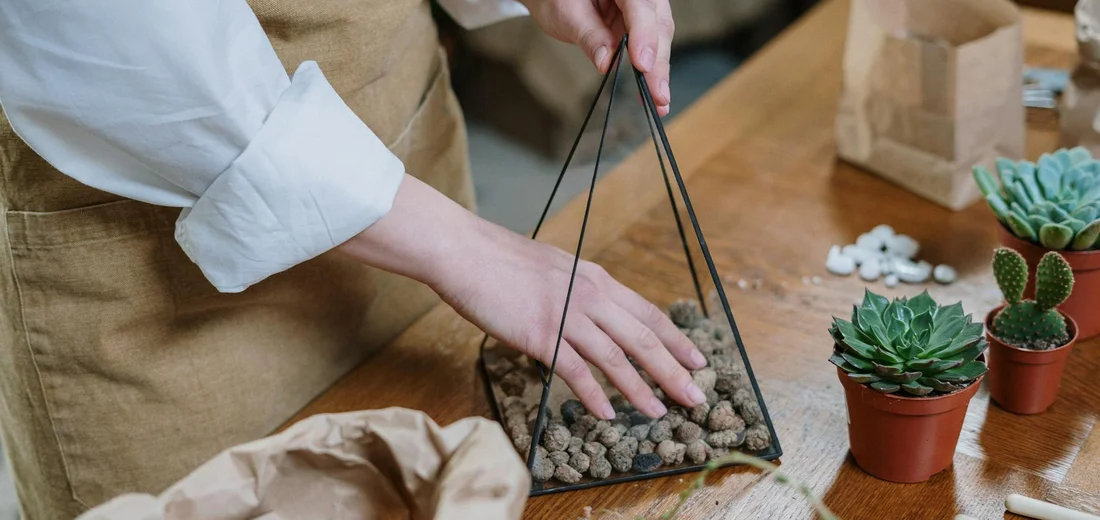
Not all succulents grow at the same pace, and I’ve learned this firsthand from my own crowded windowsills. You can dramatically influence your plant’s growth speed by simply choosing the right variety from the start. If you’re after quick results, the fastest growing succulents can quickly fill gaps and give your collection a lush, full look. These quick-growers also make great filler plants for busy spaces.
Fast Growing Succulents
These are the overachievers of the succulent world, perfect for when you want to see noticeable progress. I love them for filling out arrangements quickly.
- Jade Plant (Crassula ovata): With enough light, my Jade puts out new stems and leaves so fast I have to prune it regularly.
- Echeveria: Many types, like the Echeveria ‘Perle von Nurnberg’, are surprisingly speedy, forming beautiful new rosettes each season.
- Sedum (Stonecrop): Varieties like Sedum morganianum (Burro’s Tail) can grow several inches in a single growing season.
- Kalanchoe: The Mother of Thousands lives up to its name, producing plantlets at an almost alarming rate.
Quick Tip: Fast growers often need more frequent repotting to accommodate their expanding root systems.
Slow Growing Succulents
These are the patient, sculptural beauties. I appreciate their steady, deliberate pace-they feel like lifelong companions.
- Lithops (Living Stones): My Lithops might only produce one new set of leaves per year. Their slow growth is part of their unique charm.
- Haworthia: Plants like the Zebra Haworthia (Haworthiopsis attenuata) grow steadily but very slowly, taking years to form a large clump.
- Gasteria: Their tongue-shaped leaves emerge at a glacial pace, making a new one feel like a special event.
- Ariocarpus: Some of these can take over a decade to reach flowering size, truly testing a gardener’s patience.
Embrace their slow nature—a healthy, slow-growing succulent is often a sign of perfect, stress-free conditions. In this complete definition guide, we’ll explain what counts as a true succulent and how to distinguish them from look-alikes. You’ll get clear terms and care traits that define a succulent plant.
How to Encourage Faster Growth in Your Succulents
If you want to give your green friends a gentle nudge, you can speed things up. I’ve used these tricks to turn sluggish plants into thriving showpieces.
Give Them a Sunbath
Light is their main source of energy. Providing bright, indirect light for most of the day is the single biggest factor for encouraging lush growth. A south or east-facing window is ideal. If your light is low, a simple grow light can work wonders.
Water with Purpose
Forget the “never water them” myth. During their active growing season (usually spring and summer), I water mine thoroughly when the soil is completely dry. Soak the soil until water runs out the drainage hole, then let it dry out completely again. This cycle of feast and famine promotes strong, healthy roots.
Feed Them a Light Meal
Succulents aren’t heavy feeders, but they do appreciate nutrients. I use a balanced, water-soluble fertilizer diluted to half-strength once a month during the growing season. This gives them a boost without the risk of chemical burn. I skip fertilizing entirely in the winter when they are resting, as advised in this guide for fertilizing succulents.
Give Them Room to Breathe
A root-bound plant will eventually slow its growth. When you see roots peeking out of the drainage holes or the plant looks too big for its pot, it’s time to repot. Move it to a container only one size larger with fresh, well-draining succulent soil.
Understanding Dormancy and Seasonal Growth Patterns
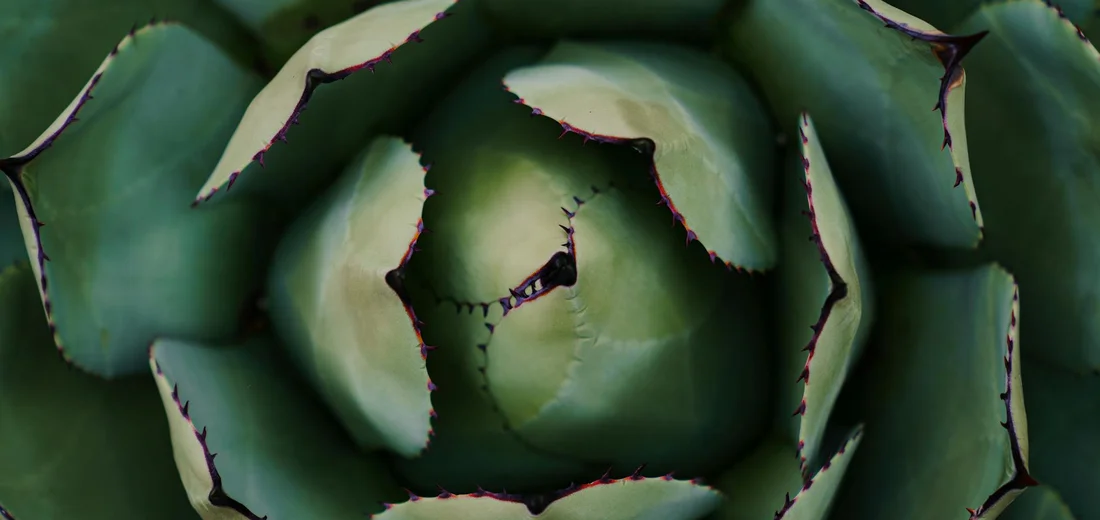
Think of your succulents as having an internal calendar. They don’t grow at a steady pace year-round; they have distinct active and dormant seasons dictated by their native habitats. I learned this the hard way after panicking that a jade plant wasn’t putting out new leaves in the middle of a dark winter. Understanding succulent dormancy periods can help you care for them properly during their seasonal growth cycles.
Most common succulents, like Echeveria and Aloe, are summer growers. They spring to life when the days are long and bright. You’ll see the most action from them between spring and early fall.
On the other hand, some popular varieties are winter growers. Plants like Haworthia and some Crassulas actually do their best growing in the cooler, dimmer months. If you’re trying to figure out why your succulent seems stalled, the first question to ask is, “What season is it, and what is this plant’s natural rhythm?”
During a succulent’s dormant period, you need to adjust your care. This is not the time for heavy feeding or frequent watering. Their metabolism slows way down, and too much water can quickly lead to root rot. I typically reduce watering to a bare minimum, sometimes just a light sip once a month in winter, until I see signs of new growth.
Quick Care Adjustments for Dormancy
- Reduce watering frequency significantly.
- Hold off on fertilizing entirely.
- Provide as much bright, indirect light as possible.
- Accept that no new growth is normal and not a cause for alarm.
Tracking Your Succulent’s Growth Journey
Because succulents are slow growers, it’s easy to feel like nothing is happening. The secret to staying motivated is to track their progress in ways that make subtle changes obvious. I keep a simple photo log on my phone, taking a picture of each plant from the same angle once a month.
When you look at a plant every day, you miss the tiny new leaf emerging at the center or the slight thickening of the stem. Comparing a photo from three months ago to today reveals a story of quiet, steady success. It’s incredibly rewarding and stops you from over-caring out of impatience.
Another method I use is a small notebook. I jot down the date I see a flower spike forming or when I last repotted. This helps me understand each plant’s personal timeline. Tracking takes the focus off speed and puts it on the fascinating, slow-motion story of your plant’s life.
Easy Ways to Monitor Growth
- Monthly Photos: Use your phone to take consistent pictures. This is the easiest and most visual method.
- Growth Log: Note significant events like new offsets (“pups”), flowering, or repotting dates.
- The Coin Test: Place a coin next to a new rosette or pup and take a photo. Check back in a few months to see the size difference.
Common Questions
Are succulents generally fast or slow-growing plants?
Most succulents are naturally slow-growing plants, but some varieties can grow at a noticeably faster pace.
What is considered a fast growth rate for a succulent?
A fast-growing succulent will produce noticeable new leaves or stem extension every few weeks during its active season.
Do succulents grow faster in certain seasons?
Succulents experience their fastest growth during their active growing season, which for most is spring and fall. These are key seasonal timing milestones for succulent care. Tracking them helps you plan watering, fertilizing, and repotting throughout the year.
Can fertilizer make my succulent grow faster?
Using a diluted, balanced fertilizer during the active growing season can provide a nutrient boost to encourage faster growth.
How does the powdery coating on some succulents affect their growth rate?
The powdery coating, or farina, protects the plant from sunburn but does not directly influence its inherent growth speed.
Is a slow-growing succulent a sign of an unhealthy plant?
No, slow growth is perfectly normal for many succulent varieties and is often a sign of stable, stress-free conditions.
Your Succulent Growth Journey
After years of nurturing succulents, I can summarize the key advice in one sentence: Succulents grow slowly, but you can support their health and occasional growth spurts with mindful care. Focus on providing the right environment, and your plants will grow steadily, even if not quickly—by understanding what succulents need to thrive.
- Give them plenty of bright, indirect light to fuel growth.
- Water only when the soil is bone-dry to avoid rot.
- Use a well-draining soil mix for happy roots.
Now, go give your succulents the TLC they deserve-you’ve got this! With a little patience and these simple steps, you’ll confidently care for your plants and enjoy their unique, gradual beauty.
Further Reading & Sources
- r/succulents on Reddit: Massively underestimated how quickly these would grow 😅
- Best Fast Growing Succulent Plants | Complete Guide | Planet Desert
- Succulent Growth Rate 30 Days Summer | Harddy Frequently Asked Succulent & Cactus Questions blog
- How to Help Succulent Grow Faster: Succulent Care Guides – Succulents Box
Lena Greenfield is a passionate horticulturist and plant care expert with over 10 years of experience cultivating and nurturing hardy house plants. With a deep understanding of both indoor and outdoor gardening, Lena shares practical advice on choosing, caring for, and maintaining resilient plants that flourish year-round. Through her knowledge and hands-on approach, Lena helps plant lovers transform their spaces into vibrant, green sanctuaries, no matter their gardening experience.
Types of Succulents