
Can You Grow Succulents in Glass Containers? (Pros, Cons & Tips)
Published on: December 28, 2025 | Last Updated: December 28, 2025
Written By: Lena Greenfield
You can definitely grow succulents in glass containers, and I’ve done it successfully many times in my own home garden.
But I know you might be worried about drainage and root rot-those were my biggest concerns when I first started, too.
In this article, I’ll guide you through pros, cons, tips to help your glass-planted succulents thrive.
The Glass Container Question: Is It a Good Idea?
I’ve experimented with glass containers for years, and my answer is a cautious “yes, but.” Glass can be a beautiful stage for your succulents, but you must become the director of their care, paying extra attention to watering and soil. Let’s weigh the good against the tricky.
The Upside: Why Glass is So Tempting
There’s no denying the visual appeal. I love using a clear glass terrarium as a centerpiece.
- Aesthetic Beauty: You can see every part of the plant, from the delicate root system to the colorful pebble top-dressing. It turns your succulent into a living sculpture.
- Excellent for Shallow-Rooted Varieties: Some succulents, like many Haworthias and Sempervivums, have shallow roots that fit perfectly in low-profile glass dishes.
- Creates a Humid Microclimate: For certain humidity-loving succulents, a mostly-enclosed glass container can mimic their preferred environment.
The Downside: The Practical Challenges
This is where my experience gets real. I’ve lost a few plants to learn these lessons.
- The Drainage Dilemma: Almost no glass container has a drainage hole. This is the single biggest hurdle. You are solely responsible for not drowning the roots.
- Root Rot Risk: Because water has no escape, it pools at the bottom. Succulent roots sitting in moisture will quickly rot, and you won’t always see it until it’s too late.
- Heat and Light Magnification: A glass jar placed in direct sun can act like a magnifying glass, literally cooking your plant’s roots and leaves from the inside.
- Limited Airflow: Enclosed glass containers stifle air movement around the soil, which succulents need to dry out properly.
Quick Tip: If you adore the look of glass, treat it as a temporary display pot and be hyper-vigilant with your watering can.
Choosing the Right Glass Vessel for Your Succulents
Not all glass is created equal for plant life. Your choice of container directly impacts your plant’s survival odds.
Container Shapes and Their Pros/Cons
| Container Type | Why It Can Work | Potential Pitfalls |
|---|---|---|
| Wide, Shallow Bowls | Best for mimicking natural, arid conditions. The large surface area allows soil to dry faster. | Can be too shallow for larger plants. Water evaporates quickly from the soil surface, but the bottom layer may stay wet. |
| Tall, Narrow Jars or Vases | Dramatic look for trailing succulents like String of Pearls. | Poor air circulation. Water takes forever to evaporate from the deep bottom, creating a swampy environment. I avoid these. |
| Hanging Glass Terrariums | Beautiful way to display air plants or a few small succulents. | Often fully enclosed, trapping too much humidity. Requires extremely careful, minimal watering. |
| Glass Coffee Mugs or Cups | Charming and readily available. | Same drainage issues, but their small size means they dry out a bit faster than large jars. |
My Go-To Selection Criteria
Before I place a single plant in glass, I run through this mental checklist.
- Width Over Depth: I always choose a container that is wider than it is deep. This gives roots space to spread horizontally without too much soil below them to hold water.
- Look for an Open Top: The more open the container, the better the airflow. A wide-mouth bowl is infinitely better than a narrow-necked bottle.
- Check the Glass Thickness: Thinner glass is less likely to intensely magnify sunlight than thick, crystal-like glass.
- Size Appropriately: Match the container size to the plant. A tiny succulent in a huge glass jar is a recipe for wet soil and root rot.
My personal rule is to treat glass containers as “planters with training wheels.” They teach you precise watering habits, but for long-term health, a pot with a drainage hole is almost always the safer bet.
Setting Up Your Succulent Glass Container: A Step-by-Step Guide
I’ve made my fair share of beautiful glass terrariums over the years, and getting the setup right from the start makes all the difference. Succulent terrarium care is about creating and maintaining a tiny, balanced ecosystem in glass. Each plant and layer should work together to support that microhabitat. Follow these steps closely for a thriving, long-lived succulent display.
-
Clean and prepare your glass container.
Start with a completely dry and clean container. I wash mine with warm, soapy water and dry it thoroughly with a lint-free cloth. Any leftover moisture can encourage mold before you’ve even planted anything, so this step is non-negotiable. For containers with small openings, a cotton swab or a small brush helps get the corners clean.
-
Create a drainage layer with pebbles or gravel.
Since glass containers lack drainage holes, you must create a reservoir for excess water. Pour a layer of small, clean pebbles or aquarium gravel into the bottom. Aim for a layer about one to two inches deep, depending on the size of your container. This layer prevents your succulents’ roots from sitting in water, which is the number one cause of rot.
-
Add a thin layer of activated charcoal.
Sprinkle a thin layer (about half an inch) of horticultural-grade activated charcoal over the pebbles. This charcoal acts as a natural filter, keeping the soil fresh and preventing odors and bacteria from building up in the stagnant environment. I always keep a bag on hand for all my enclosed plant projects.
-
Fill with a well-draining succulent potting mix.
Now, add your cactus or succulent potting mix. Don’t use regular potting soil-it holds too much moisture. For even better drainage, I often mix two parts store-bought succulent soil with one part perlite or coarse sand. Fill the container, leaving enough room for your plants’ root balls. Gently tamp the soil down; you don’t want it too compacted.
-
Plant your succulents carefully.
Use a long spoon or chopsticks to make small holes in the soil. Gently remove your succulents from their nursery pots, teasing apart any tightly bound roots. Place them in the holes and carefully firm the soil around their bases, ensuring they are secure and upright. Give them a little space to breathe and grow; avoid overcrowding. This is part of a beginner-friendly, step-by-step guide to repot succulents.
-
Add decorative top dressing.
This is the fun part! Cover the soil surface with a layer of decorative sand, small stones, or moss. A top dressing isn’t just for looks; it helps keep the soil in place, reduces surface evaporation, and prevents the lower leaves from touching damp soil. I love using light-colored sand as it creates a beautiful contrast with green succulents.
-
Initial light watering and placement.
Resist the urge to drench your new creation! Use a spray bottle or a small watering can to lightly moisten the soil around the base of each plant, just enough to settle them in. Then, place your glass container in a spot with plenty of bright, indirect light. Avoid direct, hot sun immediately, as the glass can magnify heat and scorch the leaves.
Selecting the Best Succulents for a Glass Home
Not all succulents are suited for the unique, humid world of a glass container. Through trial and error, I’ve found the best candidates are those that stay relatively small and prefer a bit more humidity than their desert cousins. Temperature and humidity are key factors for healthy succulents in glass containers. Keep a steady warmth and moderate humidity to prevent rot and encourage steady growth.
Look for succulents that are naturally slow-growing and compact to avoid them outgrowing their transparent home too quickly. This helps you keep succulents small, compact, and healthy in limited spaces.
-
Haworthia
Haworthias, like the striking Zebra Plant, are my top choice. They have shallow root systems and thrive in the filtered light a glass container provides. Their striking, striped patterns look incredible against the glass.
-
Echeveria
While many echeverias get quite large, look for smaller varieties like Echeveria ‘Lola’ or ‘Dondo’. Their beautiful rosette shapes create a stunning focal point. Just ensure they get enough light to prevent stretched succulents. If you notice etiolated growth, increase light exposure and rotate the plant to keep growth even. Prune back any stretched stems to encourage a compact, healthy rosette.
-
Sedum
Low-growing sedums, such as Sedum dasyphyllum or Sedum rubrotinctum (Jelly Beans), are fantastic for filling in space. They trail gently and can handle the slightly more humid conditions well.
-
Sempervivum (Hens and Chicks)
These are incredibly hardy and produce adorable “chicks” around the mother plant. They’re cold-tolerant and stay relatively small, making them a perfect, textural addition.
Avoid succulents that are prone to rapid growth or those that require bone-dry conditions, like most cacti or large Agaves. Leggy growth happens when plants stretch toward the light, especially in dim, confined spaces. To fix it, give bright light, rotate the plant, and prune back stretched growth.
Essential Care Tips for Succulents in Glass
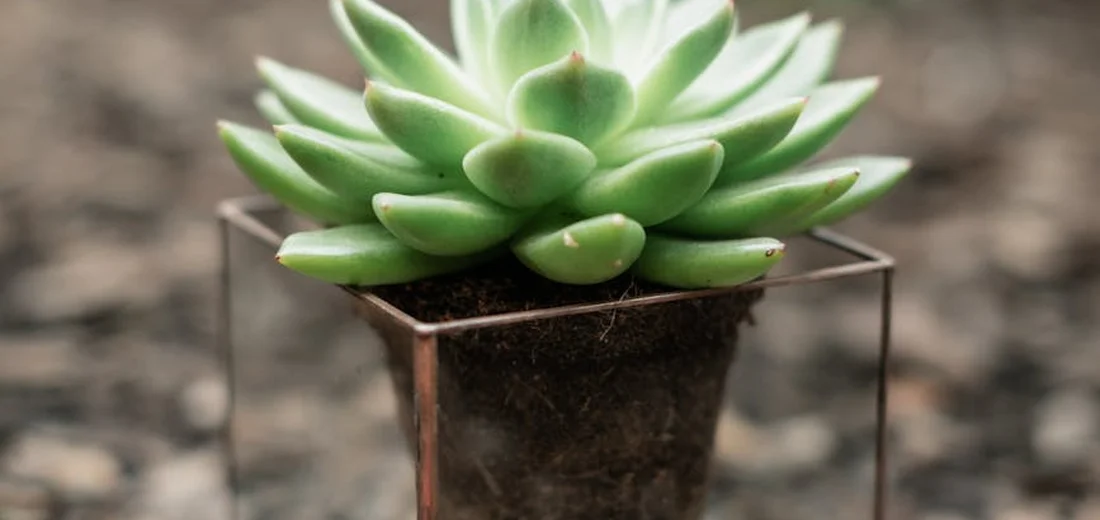
Mastering the Watering Schedule
Watering is the trickiest part of glass container care, and I’ve learned this through trial and error. The number one rule is to water only when the soil is completely bone-dry, which you can easily check by looking through the glass. I stick my finger in the soil to be sure.
When you do water, do it sparingly. Pour water slowly directly onto the soil, avoiding the plant’s leaves. I aim for just enough to lightly moisten the soil around the roots. You should never see a pool of water sitting at the bottom of the container.
- Use a small spouted watering can or a turkey baster for precision.
- Water less frequently in winter when your succulents are dormant.
- If you accidentally overwater, gently tip the container to drain any excess.
Finding the Perfect Light
Glass can act like a magnifying glass, intensifying sunlight and potentially scorching your plants. I always place my glass terrariums in a spot with plenty of bright, but indirect, light. An east-facing window is my personal favorite.
Watch your plants for clues. If they start stretching out and becoming leggy, they need more light. If light is too low, they may grow slowly and look pale. If you see any brown or white scorch marks on the leaves, they are getting too much direct sun. Simply rotate the container every week so all sides get even light exposure. For more information, check out the Signs your plant needs light.
- Ideal spots: A few feet back from a south or west window, or directly in an east-facing window.
- Spots to avoid: Right on a sunny windowsill where hot rays beam through the glass all afternoon.
Managing Humidity and Air Flow
Glass containers trap moisture and create a humid environment, which is the opposite of what most succulents love. To combat this, I make sure my glass containers have a wide opening to allow for air circulation. A closed terrarium is a death sentence for most succulents.
If you notice a lot of condensation building up on the glass walls, it’s a sign of too much humidity. Wipe the condensation away and consider moving the container to a breezier part of your home. A small fan in the room can work wonders for improving air flow.
- Choose containers with open tops, like bowls or fishbowls.
- Add a shallow layer of gravel or pebbles at the bottom to help separate the soil from any stray moisture.
- Keep your succulents away from naturally humid rooms like bathrooms.
Troubleshooting Common Glass Container Problems
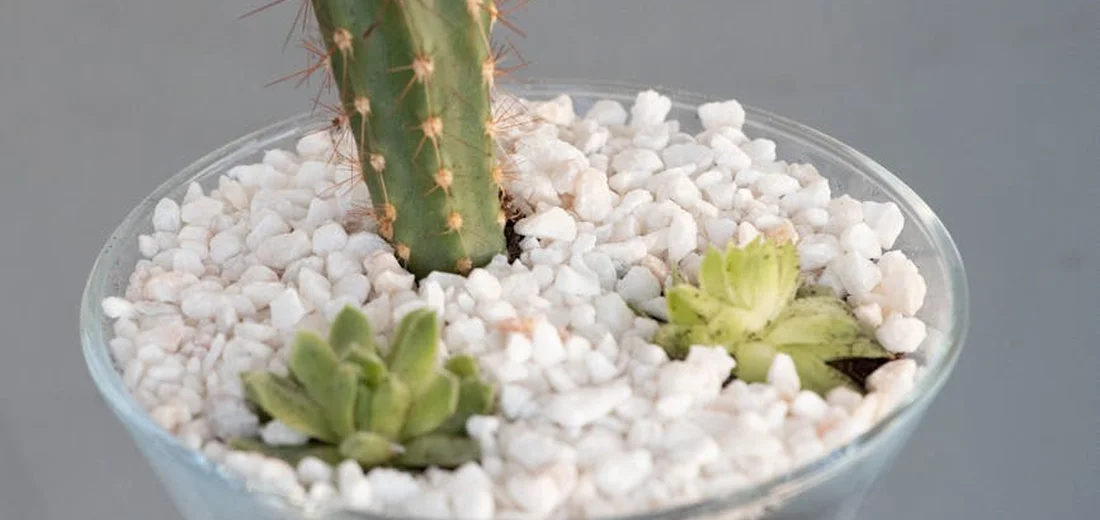
Even with perfect care, issues can pop up. The most common problem I see is mold or fungus growing on the soil surface, which is a direct result of too much moisture and not enough air flow. If this happens, scrape off the top layer of soil and replace it with a fresh, dry mix.
If your succulent’s leaves are turning yellow, translucent, and mushy, you are overwatering. The best course of action is to stop watering immediately and let the soil dry out completely. In severe cases, you may need to remove the plant, trim off any rotten roots, and repot it in fresh, dry soil.
- Problem: Condensation constantly on the glass.
- Solution: Increase air flow and reduce watering frequency.
- Problem: Leaves are shriveling and crispy.
- Solution: The plant is thirsty. Give it a small, deep drink.
- Problem: Plant is leaning heavily to one side.
- Solution: It’s reaching for light. Rotate the container and move it to a brighter location.
Creative Display Ideas for Your Glass Succulents
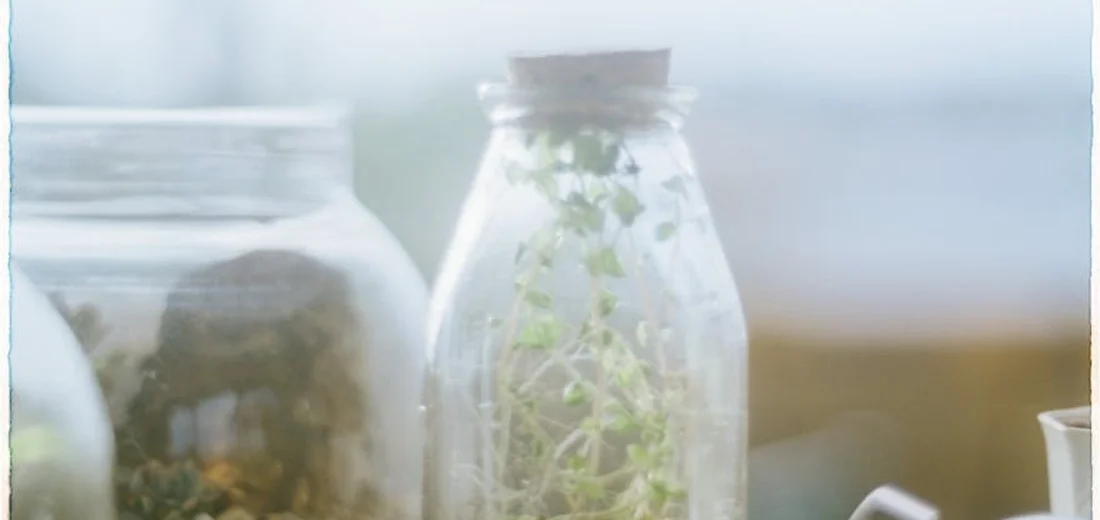
Once you’ve mastered the basics, the real fun begins-styling your glass-planted succulents. I love using glass because it turns a simple plant into a living sculpture you can enjoy from all angles. Here are some of my favorite ways to display them that I’ve used in my own home.
The Classic Terrarium
This is where most of us start, and for good reason. A large, open glass bowl or a geometric terrarium creates a miniature landscape. My best tip is to use a tall, open cloche if you want to contain a single, statement succulent like a tall echeveria. The glass dome acts like a tiny greenhouse, amplifying light and protecting the plant from dust. This setup also works well for a mini succulent garden in small spaces. Line a few bowls or terrariums along a sunny windowsill to create a compact, living landscape.
Hanging Glass Orbs
For a touch of magic, try hanging glass globes. I’ve hung a series of them in a sunny window, and the way the light filters through is stunning. Just ensure they are securely fastened and not in a high-traffic area where they could be bumped. This works wonderfully for trailing succulents like String of Pearls, letting them cascade downward.
Geometric and Modern Containers
Hexagonal, triangular, or rectangular glass containers lend a clean, contemporary feel. I have a set of three hexagonal pots on my office desk. This style is perfect for a minimalist aesthetic and allows you to create a striking geometric arrangement with different colored succulents.
The Layered Look with Sand and Stone
Don’t just stop at soil! Glass containers let you get creative with layers. I often top the soil with a decorative layer of white sand, small pebbles, or even crushed turquoise. This not only looks professionally designed but also helps keep the base of the succulent dry, preventing rot. You can create stripes or color-blocked sections for a real artistic statement.
Unexpected Vessels
Look beyond traditional planters. I’ve successfully planted tiny succulents in clean, wide-mouthed mason jars, vintage glass candy dishes, and even large, stable brandy snifters. The key with these unique finds is to make absolutely certain they are clean and that you can create a functional drainage layer at the bottom. It’s a fantastic way to upcycle beautiful glassware. Are these the best pots for succulents? They can be, provided you ensure a drainage layer and careful watering.
FAQs
How to grow succulents in glass?
Use a well-draining soil mix and water sparingly to prevent root rot in glass containers.
How to set up succulents in a glass terrarium?
Layer pebbles, charcoal, and soil in an open-top terrarium for proper drainage and air flow.
How to care for succulents in a glass bowl?
Place in bright, indirect light and water only when the soil is completely dry to avoid overwatering.
How to choose glass containers for succulents?
Select wide, shallow containers with open tops to ensure good air circulation and faster drying.
How to DIY a glass bowl succulent arrangement?
Arrange small succulents in a glass bowl with decorative top dressing for a beautiful, easy-to-make display.
Where to buy succulents in a glass bowl for sale?
Check online marketplaces like Etsy or local nurseries for pre-planted succulent glass bowls.
Your Glass Succulent Adventure Awaits
Based on my own experiments with glass planters, you can successfully grow succulents in glass by prioritizing excellent drainage and adapting your watering routine to prevent root rot.
- Select a coarse, well-draining soil mix specifically for cacti and succulents.
- Water sparingly, only when the soil is completely dry to the touch.
- Position the container where it receives several hours of bright, indirect sunlight daily.
For more hands-on tips and plant care guides, I invite you to follow along with all our resources at Hardy House Plants. If you’re a beginner, our easy-care succulents: Beginner’s Complete Guide walks you through the basics. Trust me, with these adjustments, your succulents can not only survive but truly flourish in their glass homes, bringing you lasting joy.
Further Reading & Sources
- r/succulents on Reddit: Succulents in a glass bowl – how do they look?
- Glass jar succulents – Mud & Bloom
- Succulent Terrarium in a Clear Glass Bubble Bowl
- How to make a succulent terrarium
Lena Greenfield is a passionate horticulturist and plant care expert with over 10 years of experience cultivating and nurturing hardy house plants. With a deep understanding of both indoor and outdoor gardening, Lena shares practical advice on choosing, caring for, and maintaining resilient plants that flourish year-round. Through her knowledge and hands-on approach, Lena helps plant lovers transform their spaces into vibrant, green sanctuaries, no matter their gardening experience.
DIY Projects