
Does the ZZ Plant Flower? (And What to Expect)
Published on: January 30, 2026 | Last Updated: January 30, 2026
Written By: Lena Greenfield
Yes, your ZZ plant can and does flower, but seeing it happen indoors is a special treat. Many plant parents worry they’re doing something wrong when they never see a bloom, but I can assure you it’s a rare event even for a perfectly happy plant.
I’ll walk you through everything I’ve learned from my own collection, including what the flowers look like, the specific conditions that encourage them, and how to care for your plant when it does decide to bloom.
The Surprising Truth: Do ZZ Plants Actually Bloom?
Yes, they absolutely do! Seeing a ZZ plant flower is a rare and special event, especially for a houseplant grown indoors. I’ve only had it happen a handful of times in my own collection, and it always feels like winning the plant lottery.
These plants are part of the Araceae family, the same as peace lilies and philodendrons. Their flowering mechanism is similar, but they are notoriously shy bloomers when kept as potted plants. They prioritize pushing out those gorgeous, glossy leaves over producing flowers.
Your ZZ is most likely to reward you with a bloom if it’s very mature, perfectly happy, and slightly root-bound. Think of it as the plant’s way of giving you a gold star for your excellent care. Light and temperature also play a role in blooming, so ensure it has bright, indirect light and a stable room temperature. Too low light or temperature fluctuations can reduce flowering.
What a ZZ Plant Flower Really Looks Like
Don’t expect a big, colorful, petaled display. The ZZ plant flower is subtle, strange, and fascinating. The first time I saw one, I actually thought a new, pale leaf was struggling to emerge from the base. If you’re curious about different ZZ plant types, a quick guide to varieties like Raven and Zenzi can help. It’s amazing how each variety brings a slightly different character to a quiet corner.
It’s a modest bloom that appears close to the soil line, often partially hidden by the stems and foliage. The color is a pale green, cream, or soft yellow, allowing it to blend in with its surroundings.
The Anatomy of a ZZ Plant Inflorescence
Botanically, the flower structure is called an inflorescence. It’s made up of two main parts:
- The Spathe: This is the light-colored, hood-like leaf that wraps around the core. It looks a bit like a tiny, cupped leaf and serves to protect the inner part of the flower.
- The Spadix: This is the central spike, the business end of the flower where the actual reproductive parts are located. It’s typically a slightly darker shade of yellow or brownish-cream.
Together, they create a small, torch-like structure. The overall effect is architectural and modern, rather than traditionally “pretty.” It reminds me of a tiny, elegant candle flame peeking out from the base of the plant.
If you’re lucky enough to get one, enjoy its unique, understated beauty. But don’t be disappointed if it never happens-the stunning foliage is the real star of the show.
When and Why Your ZZ Plant Might Decide to Bloom

Seeing a ZZ plant flower is like getting a surprise party from your most low-maintenance friend. It’s a rare and special event that signals your plant is incredibly happy and mature. In my years of collecting, I’ve only had a handful of my ZZ plants decide to put on a show. As a tropical plant native to East Africa, it thrives in indirect light and well-draining soil. Understanding its native habitat helps explain its growing conditions and care needs.
Seasonal Timing and Plant Maturity
ZZ plants typically only consider blooming when they are fully mature, which can take several years. You’re most likely to see a flower spike emerge in mid to late summer, when the days are long and warm. This seasonal timing mimics their native growing conditions in Eastern Africa.
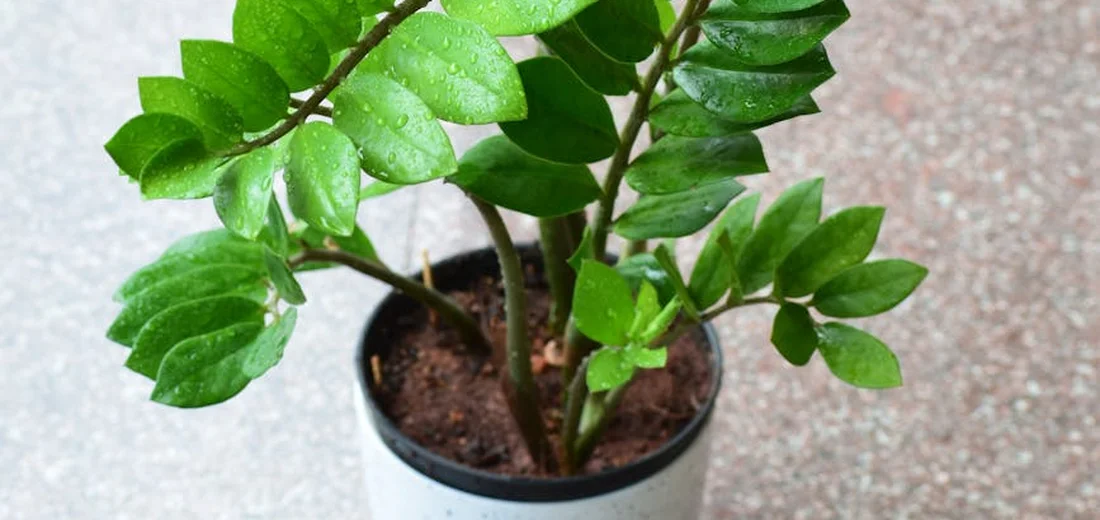
Think of it as a plant’s version of a graduation ceremony. A young, small ZZ plant is still focusing its energy on establishing a strong root system and growing new stems. A mature plant, however, has the extra resources to invest in reproduction. Don’t be discouraged if your plant is still young; lush green growth is a wonderful sign of health on its own. If you’re curious about how a healthy ZZ plant should look, you can check a quick visual identification guide. In healthy ZZ plants, expect glossy, dark-green leaves on upright stems with minimal yellowing or browning.
How to Encourage Your ZZ Plant to Flower
While you can’t force a ZZ plant to bloom, you can certainly set the stage to make it more likely. Creating the perfect environment is about gentle encouragement, not strict demands. Here’s the step-by-step approach I use with my own plants.
Step 1: Provide the Right Light
This is the single most important factor. ZZ plants are famous for tolerating low light, but to flower, they need a bit more energy. Place your ZZ plant in a spot with bright, indirect light for most of the day. An east-facing window is often ideal.
Avoid direct, harsh afternoon sun, which can scorch the leaves. If you only have a north-facing window, consider supplementing with a grow light for a few hours a day. I’ve noticed that my ZZ plants positioned just a few feet back from a sunny window are the ones that have thrown up flower spikes.
Step 2: Master the Watering Rhythm
Your watering habits play a huge role. ZZ plants store water in their potato-like rhizomes, making them drought-tolerant. To trigger blooming, you want to mimic a natural cycle of a good drink followed by a period of drought. Proper watering technique is essential to ensure they get this balance.
Here’s my simple method:
- Stick your finger about two inches into the soil.
- Only water when the soil is completely dry at that depth.
- When you do water, do it thoroughly until water runs out the drainage hole.
- Then, empty the saucer and let the soil dry out fully again.
This “feast or famine” approach seems to signal to the plant that conditions are stable enough to invest energy in a flower. Overwatering is a surefire way to prevent blooms and cause root rot.
Step 3: Choose a Gentle Fertilizer
ZZ plants are not heavy feeders, so a light touch is key. I use a balanced, water-soluble houseplant fertilizer diluted to half-strength. Apply this “plant food” only during the active growing season in spring and summer. For ZZ plants, the best soil mix for ZZ plants is light and well-draining—think potting soil with perlite or orchid bark. A good soil mix helps prevent overwatering and supports healthy growth.
Fertilizing once a month is plenty. Over-fertilizing will push out more leaves but can actually inhibit flowering and burn the sensitive roots. Think of it as providing a vitamin, not a full meal. In my experience, a gentle organic fertilizer works wonders without the risk of chemical buildup. So, when should you fertilize indoor plants? Most indoor plants do best with a light feeding every 2-4 weeks during the growing season, and little to none in winter.
What to Do When Your ZZ Plant Flowers

When my ZZ plant first sent up a flower, I was so surprised I almost missed it! The flower is a modest, pale green or cream-colored spathe that looks a bit like a small, slender peace lily. It emerges on a separate stalk from the base of the plant, distinct from the leafy stems.
Seeing a flower is a sign your plant is very happy and mature. Here’s what I do when mine decides to bloom:
- Enjoy the show! The bloom can last for several weeks, adding a subtle, unique charm to your plant.
- Keep up your normal care routine. Don’t start overwatering or over-fertilizing. Consistency is what got you here.
- Snip the flower stalk after it fades. Once the spathe turns brown and withers, I use clean scissors to cut the entire flower stalk off at the soil line. This allows the plant to redirect its energy back into growing those gorgeous glossy leaves.
Quick tip: The flowers are not particularly fragrant, so you don’t need to worry about any strong scents filling your room.
Why Isn’t My ZZ Plant Blooming?
If your ZZ plant has never flowered, you are in the vast majority of plant owners! Blooming indoors is a rare treat, not a standard feature. After years of growing these plants, I’ve found they typically need to be a bit “pot-bound” and very established to even consider flowering. Want to know the exact pot size your ZZ plant pot size needs? Our ultimate guide on ZZ plant pot size explains how to pick the right container and when to repot, and how root-bound conditions affect flowering.
Here are the most common reasons your ZZ plant might not be blooming:
- It’s too young. Most ZZ plants sold in stores are juvenile and simply aren’t mature enough to produce flowers. Patience is key.
- It has too much space. These plants often bloom as a stress response when their roots are slightly crowded in the pot. A plant in an oversized pot will focus on root growth, not flowers.
- It needs more light. While ZZ plants tolerate low light, they need bright, indirect light to have the energy surplus required for blooming. A north or east-facing window is ideal.
- You’re overwatering. This is the number one killer of ZZ plants. They store water in their potato-like rhizomes and prefer to dry out completely between waterings. Soggy soil will cause root rot, not flowers.
My best advice is to focus on providing excellent overall care. A healthy, mature ZZ plant in bright, indirect light might just surprise you one day. Think of a ZZ plant flower as a delightful bonus, not the main event. The stunning, architectural foliage is the real star of the show.
FAQs
What is a ZZ plant bloomscape?
A ZZ plant bloomscape describes the unique visual display created when the plant flowers, often featuring its subtle, architectural blooms against glossy foliage.
How do I care for a ZZ plant during its bloomscape?
Provide bright indirect light and avoid overwatering to support the bloom without stressing the plant.
Where can I find ZZ plant bloomscapes for sale?
Blooming ZZ plants are uncommon, but you may occasionally find them at specialty plant retailers or online during optimal growing seasons.
How long does a ZZ plant bloom last?
A ZZ plant bloom typically persists for several weeks before naturally fading.
What are the stages of a ZZ plant bloom?
The bloom stages include bud emergence, spathe opening, full display, and eventual withering of the flower.
What are the benefits of a ZZ plant blooming?
Blooming signals excellent plant health and maturity, while enhancing the aesthetic appeal of your indoor garden.
Your Blooming Journey Ahead
While seeing your ZZ plant flower is a special treat, focus on providing consistent, simple care with bright, indirect light and infrequent watering for a lush, healthy plant. For a ZZ plant care guide on watering, light, and soil requirements, keep care simple and consistent. Use a well-draining soil mix and allow the top inch of soil to dry between waterings. Remember, a thriving ZZ plant is a success, whether it blooms or not. If you’re hoping for flowers, ensure your plant gets:
- Plenty of bright, indirect light
- Mature age and root-bound conditions
- Minimal stress from overwatering
For more simple guides to help your houseplants thrive, be sure to follow our blog. You’ve got this—enjoy the beautiful, glossy foliage your ZZ provides, and consider any flower a wonderful, unexpected bonus! If you’re new to ZZ plants, our ZZ plant complete introduction covers care, propagation, and the many benefits. For practical tips to keep yours thriving, check out the ZZ plant benefits guide.
Further Reading & Sources
- What Does It Mean When Raven Zz Plant Blooms? – Flower
- ZZ Plant Flowering
- ZZ plant – Jil’s Flower Haus
- Flora | Do ZZ Plants Bloom? Unraveling the Mystery
Lena Greenfield is a passionate horticulturist and plant care expert with over 10 years of experience cultivating and nurturing hardy house plants. With a deep understanding of both indoor and outdoor gardening, Lena shares practical advice on choosing, caring for, and maintaining resilient plants that flourish year-round. Through her knowledge and hands-on approach, Lena helps plant lovers transform their spaces into vibrant, green sanctuaries, no matter their gardening experience.
Light and Temperature