
What is a ZZ Plant? Your Simple Guide
Published on: January 29, 2026 | Last Updated: January 29, 2026
Written By: Lena Greenfield
You’ve probably seen the ZZ plant’s shiny, waxy leaves in offices and homes, and wondered what this striking, almost artificial-looking plant is all about. You might even be asking if a beautiful plant like this is difficult to keep alive, especially if you’re new to plant care.
In this guide, I’ll share everything I’ve learned from years of growing ZZ plants, covering its unique appearance and origin, simple care instructions, powerful air-purifying benefits, and important safety tips for pets.
Meet the ZZ Plant: A Hardy Houseplant Hero
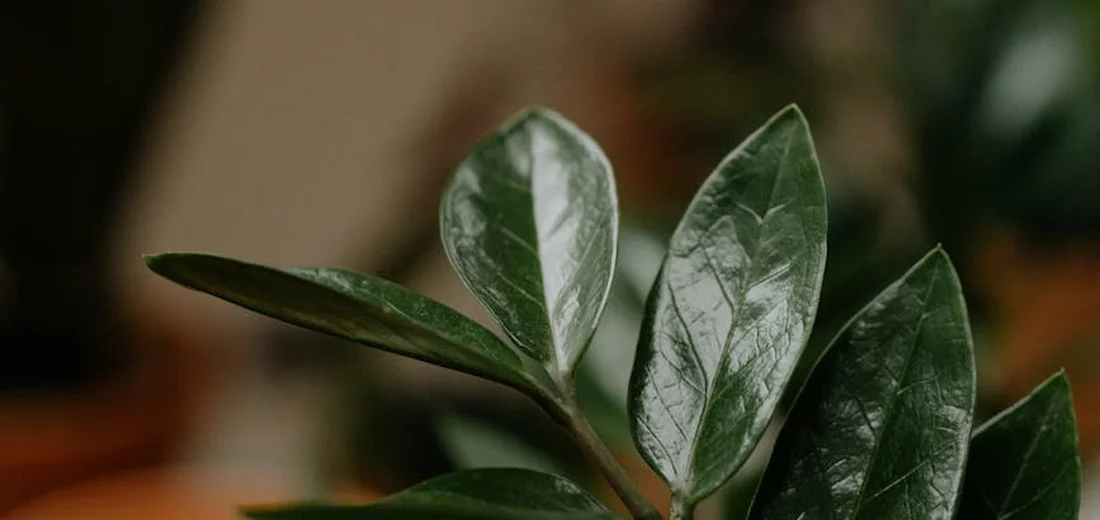
When I first started collecting houseplants, I was drawn to the ZZ Plant’s sleek, architectural look. Its glossy, emerald-green leaves grow in graceful, feather-like patterns on upright stems, giving any room an instant modern lift. I quickly learned its beauty is more than skin deep. This plant is a survivor. Its secret weapon is a potato-like rhizome hidden beneath the soil that stores water, allowing it to shrug off your busy weeks when you forget to water.
I’ve left my ZZ in a dim corner for months, and it never complained. That robust rhizome system acts like a built-in water reservoir, making it incredibly self-sufficient. While other plants would droop or turn yellow, the ZZ just keeps pushing out new, shiny shoots. It’s the plant I recommend to every new plant parent because it’s so forgiving and rewarding.
Top Benefits of Welcoming a ZZ Plant Home
- Superior low-light and drought tolerance. I’ve tested this myself! My ZZ thrives in a north-facing room that gets very little direct sun. You can water it thoroughly and then forget about it for two to three weeks. The soil should dry out completely between waterings.
- Effective air-purifying qualities. A famous NASA study found that ZZ Plants help remove toxins like xylene, toluene, and benzene from the air. While all plants purify air to some degree, the ZZ is a particularly efficient and low-maintenance choice for cleaner indoor air. It’s a natural, silent air filter for your home or office.
- High pest and disease resistance. In my years of growing ZZ Plants, I’ve never once had a pest problem. Their waxy, tough leaves seem to be naturally unappealing to common pests like spider mites and aphids. They are also highly resistant to root rot if you avoid overwatering.
- Perfect for beginners and busy plant owners. If you’ve ever killed a plant, this is the one to rebuild your confidence. Its tolerance for neglect is legendary, making it the ideal companion for frequent travelers or anyone with a hectic schedule. It grows slowly and steadily, so it won’t outgrow its space too quickly.
Quick Tip: To keep your ZZ Plant looking its best, simply wipe the leaves with a damp cloth every few weeks to remove dust and let it shine. This small act helps it absorb more light and photosynthesize more efficiently, even in low-light conditions. For pruning ZZ plants, use clean, sharp scissors to trim any leggy growth, cutting just above a leaf node. Regular, selective pruning helps maintain a neat shape and encourages fuller, healthier growth.
The Simple ZZ Plant Care Guide

Light and Location Preferences
ZZ plants are the champions of low-light tolerance, but they truly thrive in a specific sweet spot. I’ve found they grow fastest and look their glossiest in a spot with bright, indirect light, like near a north or east-facing window. Light is important, but ZZ plants also have preferred temperature ranges that maximize how they use that light. They typically do best in typical room temps (roughly 65–75°F / 18–24°C) and should be kept away from cold drafts. They’ll survive in that dim office corner, but growth will be much slower.
Direct, hot afternoon sun will scorch their beautiful leaves, leaving ugly brown or yellow patches. If you only have a sunny spot, a simple sheer curtain is the perfect filter.
- Best: Bright, indirect light.
- Okay: Low, artificial light.
- Avoid: Harsh, direct sunlight.
Mastering Water Management
This is the most critical part of ZZ plant care and where most people go wrong. The golden rule I live by is to treat your ZZ plant like a succulent: water deeply, but very infrequently. Those potato-like rhizomes underground store a ton of water, making the plant incredibly drought-tolerant. If you notice yellow or brown leaves, that’s often a sign of watering or drainage problems—and recognizing these causes is the first step to the right solutions.
I always wait until the soil is completely dry all the way through the pot before I even think about watering. For me, that often means watering only once every 3-4 weeks, sometimes even longer in the winter. People often wonder how often ZZ plants should be watered indoors. They store water in their rhizomes, so they thrive on longer dry spells between waterings. When in doubt, wait another week. It’s far better to underwater than to overwater a ZZ plant.
Choosing the Right Soil and Pot
Your ZZ plant’s number one enemy is soggy soil that doesn’t drain. The best potting mix is one that’s loose and chunky, mimicking a succulent or cactus blend. This is why it’s regarded as the best soil mix for ZZ plants. With proper drainage, your ZZ will thrive. I often make my own by mixing standard potting soil with a generous amount of perlite and orchid bark for extra aeration.
Always choose a pot with drainage holes. I’ve learned this the hard way! A terra cotta pot is a fantastic choice because it’s porous and helps wick away extra moisture from the soil.
Fertilizing for Healthy Growth
ZZ plants are not heavy feeders, so you don’t need a complicated fertilizing schedule. I give mine a gentle, diluted, balanced liquid fertilizer (like a 10-10-10) just once or twice during the main growing season in spring and summer. If you’re curious about how big ZZ plants can get, this ties into growth rate and ultimate size. Our growth guide covers how fast they grow and their potential final size, too.
I completely stop fertilizing in the fall and winter when the plant is mostly dormant. Over-fertilizing can cause salt buildup in the soil and burn the roots, so less is definitely more here.
How to Propagate Your ZZ Plant
Sharing a ZZ plant is incredibly rewarding, and there are two main methods I’ve used successfully. Propagating by leaf cuttings is slow but allows you to create many new baby plants from just one leaf. Other options include water cuttings and rhizome division, which can speed up propagation. If you try water cuttings, place the lower portion of a cutting in a container of clean water and change the water weekly until roots form.
Quick Tip: For faster results, divide a mature plant at the roots during repotting.
- Division (The Fast Way): Gently remove the entire plant from its pot. You’ll see several stems connected to separate rhizomes. Carefully tease them apart with your hands or a clean knife, making sure each section has both roots and a rhizome attached. Pot each new section in its own container.
- Leaf Cuttings (The Patient Way): Snip off a healthy leaf, including a bit of the stem. Let the cut end callous over for a few hours. Then, you can either place the stem end in water (change it weekly) or stick it directly into moist, well-draining soil. A new rhizome and roots will form, but it can take several months.
I’ve had great success with both, but I find the leaf-in-soil method avoids the shock of transferring water roots to soil later on.
Solving Common ZZ Plant Problems

Even the toughest plants have their off days, and my ZZ has taught me what to look for. Yellow leaves are your plant’s way of saying it’s had too much to drink. I learned this the hard way with my first ZZ, which I lovingly overwatered. Let the soil dry out completely before you even think about watering again. Should you remove yellow leaves from your ZZ plant when? When a leaf is completely yellow and dead, you can trim it off with clean scissors to tidy things up.
Brown, crispy leaf tips usually mean the air is too dry. A simple misting every few days or placing a small water tray near the plant can work wonders for adding humidity. My ZZ sits near a humidifier in the winter, and it stays perfectly happy.
If your ZZ is getting leggy with wide spaces between leaves, it’s begging for more light. Move it to a brighter spot, but keep it out of harsh, direct afternoon sun which can scorch the leaves. A north or east-facing window is often the perfect sweet spot.
Understanding ZZ Plant Toxicity
This is the most important thing to know if you have curious pets or small children. All parts of the ZZ plant contain calcium oxalate crystals, which are irritating if ingested. I keep mine on a high shelf where my cat can’t reach it, and I always wash my hands after handling the roots during repotting.
If chewed or eaten, it can cause mouth irritation, drooling, or an upset stomach. It’s not typically life-threatening, but it will cause a very uncomfortable experience. If you suspect ingestion, contact a doctor or veterinarian immediately for advice.
The sap can also cause skin irritation for some people. Wearing gloves during any major plant maintenance is a simple and effective precaution I always take. This is a fantastic plant, but it’s one to admire with your eyes, not your mouth.
Styling with Your ZZ Plant
The ZZ’s glossy, architectural leaves make it a star in any room. Its upright, structured growth habit adds a modern, clean line to your decor. I love using a tall ZZ as a living sculpture in a minimalist corner.
Choose a pot that complements your style. A sleek, white ceramic pot makes the dark green leaves pop, while a natural terracotta pot gives a warm, earthy feel. I have one in a geometric, grey planter that always gets compliments.
Perfect Plant Placements
- Office Desks & Shelves: Its low-light tolerance makes it perfect for brightening up a cubicle or bookshelf.
- Bathrooms: It thrives in the humidity from your shower and doesn’t need much natural light.
- Dark Corners: Use a ZZ to bring life to a hallway or room with a north-facing window.
- Entryways: It creates a welcoming first impression and can handle the variable light.
Creative Companion Plants
Pair your ZZ with other easy-care plants for a stunning display. Grouping a ZZ with a Snake Plant and a Pothos creates a textural masterpiece of different greens and growth patterns. This is my go-to low-maintenance trio for a side table.
Don’t be afraid to play with height. Place your ZZ plant on a stand to give it more presence and draw the eye upward, making your ceiling feel higher. This simple trick can completely transform the feel of a small room.
FAQs
What makes the ZZ plant a good choice for beginners?
The ZZ plant is ideal for beginners because it is highly tolerant of neglect and low light conditions.
What are the key care tips for a ZZ plant?
Provide bright indirect light, water only when the soil is completely dry, and use well-draining soil.
Can ZZ plants grow well indoors?
Yes, ZZ plants thrive indoors as they adapt easily to low light and average home humidity levels.
How often should I water my ZZ plant?
Water your ZZ plant infrequently, only when the soil has dried out completely, typically every 3-4 weeks.
Is it safe to grow ZZ plants outdoors?
ZZ plants can be grown outdoors in warm, shaded areas but should be protected from direct sunlight and frost.
How do I care for my ZZ plant in winter?
During winter, reduce watering further and avoid fertilizing, as the plant enters a dormant period.
Your New ZZ Plant Awaits
Remember, your ZZ plant thrives on a little neglect, preferring bright, indirect light and for its soil to dry out completely between waterings. This ZZ plant care guide covers watering, light, and soil requirements. Use it to tailor your care to your space. Stick to these simple rules: water sparingly, provide moderate light, and repot only when it outgrows its home.
I’ve relied on ZZ plants for years to add lush, worry-free greenery to my home, and I’m confident you’ll love yours too. They are particularly interesting because they are native to tropical habitats but easy to care for. For more easy-care plant guides and tips, be sure to follow along right here at `Hardy House Plants`-you’ve got this!
Further Reading & Sources
- ZZ Plant (Zanzibar Gem) Growing & Care Tips
- ZZ Plant: A Narrative Guide – Brooklyn Botanic Garden
- ZZ Plant Care Instructions: How To Grow ZZ Plants | Gardening Know How
- ZZ Plant Guide: Easy Grow & Care Tips for Healthy Foliage
Lena Greenfield is a passionate horticulturist and plant care expert with over 10 years of experience cultivating and nurturing hardy house plants. With a deep understanding of both indoor and outdoor gardening, Lena shares practical advice on choosing, caring for, and maintaining resilient plants that flourish year-round. Through her knowledge and hands-on approach, Lena helps plant lovers transform their spaces into vibrant, green sanctuaries, no matter their gardening experience.
Types of Succulents