
Snake Plant Cost Guide: Prices & Where to Buy
Published on: March 2, 2026 | Last Updated: March 2, 2026
Written By: Lena Greenfield
You’re probably wondering exactly how much a snake plant will cost and if you can find one that fits your budget. The great news is that snake plants are famously affordable, and I’ve bought dozens over the years for as little as a few dollars.
I’ll walk you through the real prices you can expect to pay from big box stores to specialty nurseries, both online and in your local area. We’ll cover typical price ranges, the best online retailers, local store options, and my personal tips for getting the most plant for your money.
Key Factors That Determine Your Snake Plant Price
I’ve bought dozens of snake plants over the years, and the price tag can swing wildly. It’s not just about size; the specific variety you choose is the single biggest factor in the final cost. Common Sansevieria trifasciata varieties are incredibly affordable, while a rare, variegated ‘Moonshine’ or a cylindrical ‘Starfish’ snake plant will command a much higher price.
The pot and soil it comes in also add to the bill. A basic plastic nursery pot is the budget-friendly standard, but many sellers offer ceramic or decorative pots for an extra fee. I always check if a plant is sold “bare root” (just the plant itself) or if it includes a pot, as this changes the value instantly.
Where you shop makes a huge difference. Big-box stores like Home Depot or Lowe’s often have the lowest prices on common varieties, while specialty nurseries and online shops offer more unique finds and healthier plants for a premium. I’ve found some of my healthiest plants at local garden centers, and I happily pay a little more for their expert care.
- Plant Variety: Common types are cheap; rare cultivars are expensive.
- Pot and Presentation: Decorative pots add significant cost.
- Seller and Location: Big-box stores are cheaper; specialty shops cost more.
- Plant Health and Maturity: A large, well-established plant is a bigger investment.
Your Guide to Snake Plants by Size
Thinking about size is the best way to set your budget. Snake plants grow slowly, so buying a larger size means you’re paying for someone else’s time and care to grow it to that point. Big snake plants can eventually reach impressive heights, though they grow slowly. Understanding their maximum height helps you plan space and light needs as they mature. I usually recommend starting with a medium size-it gives you instant impact without the statement-piece price tag.
Small Snake Plants (4-inch pots and starters)
A small 4-inch pot is your perfect starter plant. These young plants are wonderfully affordable and give you the joy of watching them mature on your shelf or desk. I bought my first snake plant in a 4-inch pot for under $10, and it’s now a massive centerpiece in my living room years later. When it’s time to repot, choose a pot only one size larger than the root ball. That helps prevent overwatering and gives roots room to grow.
You can typically find these for $5 to $15. This is the ideal size if you’re new to plant parenting or want to create a grouped display with multiple small pots. They are easy to find at grocery stores, hardware stores, and online marketplaces like Etsy.
Medium Snake Plants (6-inch to 8-inch pots)
This is the sweet spot for most homes. A medium snake plant in a 6 to 8-inch pot gives you a substantial, bushy plant that instantly fills a corner or empty floor space. I find these offer the best value, as you get a mature-looking plant without the high cost of a truly large specimen. In our best pot types for snake plants complete guide, we cover pot material and drainage to help you choose the right container. Look for breathable pots with drainage holes, like terracotta or airy ceramic, to support healthy roots.
Expect to pay between $20 and $50. The price in this range heavily depends on the variety and the pot it comes in. A common ‘Laurentii’ in a plastic pot will be on the lower end, while a ‘Bantel’s Sensation’ in a ceramic planter will be at the top.
Large Snake Plants (10-inch pots and statement pieces)
Ready for a real showstopper? A large, 10-inch or bigger snake plant (Sansevieria) is a true investment piece that acts as living sculpture in your home. I have one that’s nearly five feet tall, and its architectural presence is worth every penny. These plants are heavy, mature, and often have multiple pups (baby plants) growing in the same pot.
Prices for these giants range from $75 to well over $200. You are paying for many years of growth, so you’re not just buying a plant-you’re buying time. Local nurseries are often the best source for large, healthy specimens you can inspect in person before committing.
Where to Find Snake Plants for Sale Online
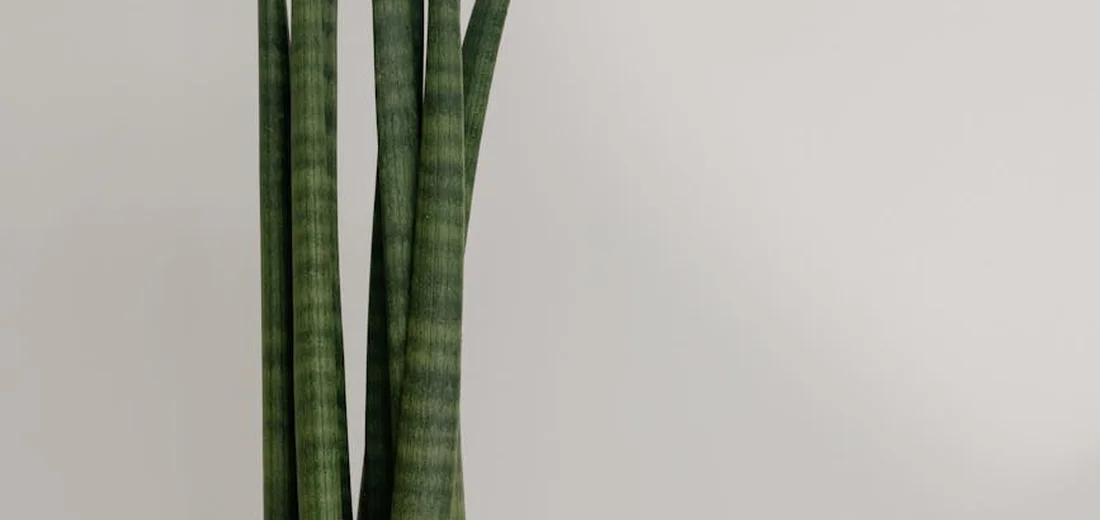
I’ve bought dozens of plants online, and the convenience is fantastic, especially for finding specific varieties. Online shops are my go-to for rare snake plant types that local stores just don’t carry. You get a world of choice delivered right to your door.
Dedicated Online Plant Shops
These are my favorite because they specialize in plant care and shipping. I’ve had great success with shops like The Sill, Bloomscape, and Léon & George. Their plants often arrive healthier because they are packaged by people who truly understand plant needs. You’re paying for that expertise and quality.
- The Sill: Perfect for beginners. Their pots and plants are sold together, making it a seamless start.
- Bloomscape: I love their direct-from-nursery model. Plants are robust and acclimated for indoor life.
- Planterina: A great source for unique and larger specimen snake plants you won’t find elsewhere.
Large Online Marketplaces
Websites like Etsy and Amazon offer a huge range from individual sellers. You can find incredible deals on Etsy, but always check the seller’s reviews and ratings closely before buying. I’ve found some of my most interesting variegated snake plants this way.
- Etsy: Ideal for hunting for specific cultivars. Look for sellers with hundreds of positive reviews.
- Amazon: Convenient, but plant quality can be a gamble. Stick to sellers with Prime shipping for better customer service.
Quick Tip: Always look for an online seller’s “Shipping Protection” or “Arrival Guarantee” policy-it’s a lifesaver if your plant gets stressed during transit.
Finding Snake Plants at Local Sellers Near You
Nothing beats seeing a plant in person before you bring it home. I make a point to visit local shops on weekends; it’s a relaxing ritual that lets me inspect every leaf for pests or damage. You get instant gratification and can ask experts questions face-to-face.
Local Plant Nurseries and Garden Centers
This is where you’ll find the highest quality and healthiest plants. Local nurseries are my top choice because their staff are usually passionate plant people who can offer personalized care advice. I’ve learned more about soil mixes from chatting with my local nursery owner than from any book.
- Plants are often acclimated to your local climate, making the transition to your home easier.
- You support a small business in your community.
- You can often find more mature, larger snake plants that make an instant statement.
Big-Box Retailers and Home Improvement Stores
Stores like Home Depot, Lowe’s, and Walmart are budget-friendly champions. For a basic, affordable Sansevieria, you really can’t beat the price at a big-box store. I’ve picked up many healthy “Laurentii” snake plants here for under $20.
- Prices are consistently low, especially for common varieties.
- They are widely available, so you can pop in during any grocery run.
- The selection can be seasonal, with the best variety often in spring and summer.
The plant care at these stores can be hit-or-miss, so always check for overwatered soil or signs of pests before purchasing. A quick visual inspection can save you from bringing home a problem.
Understanding Snake Plant Price Variations by Region
I’ve bought Snake Plants from all over, and where you shop dramatically changes the price tag. Your location is one of the biggest factors in determining final cost, often more than the plant’s size.
If you live in a major coastal city like New York or San Francisco, expect to pay a premium at local boutiques. The high rent and operating costs in these areas get passed on to you. I once saw the same small Snake Plant for $18 in a trendy L.A. shop that was selling for $12 at a big-box store just 30 minutes away.
Online vs. Local Nurseries
Online shopping seems convenient, but you must factor in shipping. Shipping a live plant safely requires specialized packaging and fast transit, which can easily add $10 to $25 to your total. I find this makes smaller, cheaper plants less of a bargain online.
Local nurseries and garden centers often have the best balance of price and plant health. They buy in larger quantities and don’t have the massive shipping overhead. You get to inspect the plant for pests or damage before buying, which I always recommend.
Big-Box Stores: The Budget Option
Stores like Home Depot, Lowe’s, and Walmart are typically your most affordable local option. They offer fantastic prices on common varieties, but the trade-off can be inconsistent care and watering. I’ve found some real gems there, but I’ve also had to nurse a few overwatered specimens back to health.
Rural vs. Urban Pricing
Generally, you’ll find lower prices in rural and suburban areas compared to dense urban centers. Smaller towns with lower costs of living often pass those savings on at their local greenhouses. It’s always worth checking a nursery just outside the city limits for a better deal.
Smart Tips for Getting a Great Snake Plant Deal
After years of plant collecting, I’ve learned a few tricks to avoid overpaying. Timing your purchase right is the single easiest way to save a significant amount of money.
1. Shop in the Off-Season
Late fall and winter are the best times to buy. Demand drops, and many stores discount their remaining stock. I’ve purchased beautiful, large Snake Plants for 50% off in January.
2. Don’t Overlook the “Rescue Rack”
Most garden centers have a discounted section for plants that look a little tired. A Snake Plant with a few brown tips is often perfectly healthy and just needs a simple trim and consistent care. I’ve rescued many fantastic plants this way for a fraction of the cost.
3. Check for Pests Thoroughly
Before you buy, especially from a big-box store, do a quick pest check. Look under the leaves and near the soil for any signs of mealybugs (white, cottony spots) or spider mites (fine webbing). A cheap plant with pests is no bargain.
4. Consider Buying Smaller
Snake Plants are notoriously slow but steady growers. Buying a smaller, 4-inch pot and letting it grow into your space is far more economical than splurging on a giant, statement plant. Within a year or two, that small plant will have filled out beautifully.
5. Ask for a “Pup” from a Friend
This is my favorite money-saving tip-it’s free! Snake Plants produce baby plants, called pups, that can be separated from the mother plant. Ask a plant-loving friend if you can have one of their pups; most are happy to share. It’s a wonderful, cost-free way to start your collection.
6. Buy in Bulk for Gifts or Decor
If you need multiple plants for an office or a large room, ask a local nursery about a bulk purchase discount. They are often willing to negotiate on price when you’re buying three or more plants at once.
Caring for Your New Snake Plant
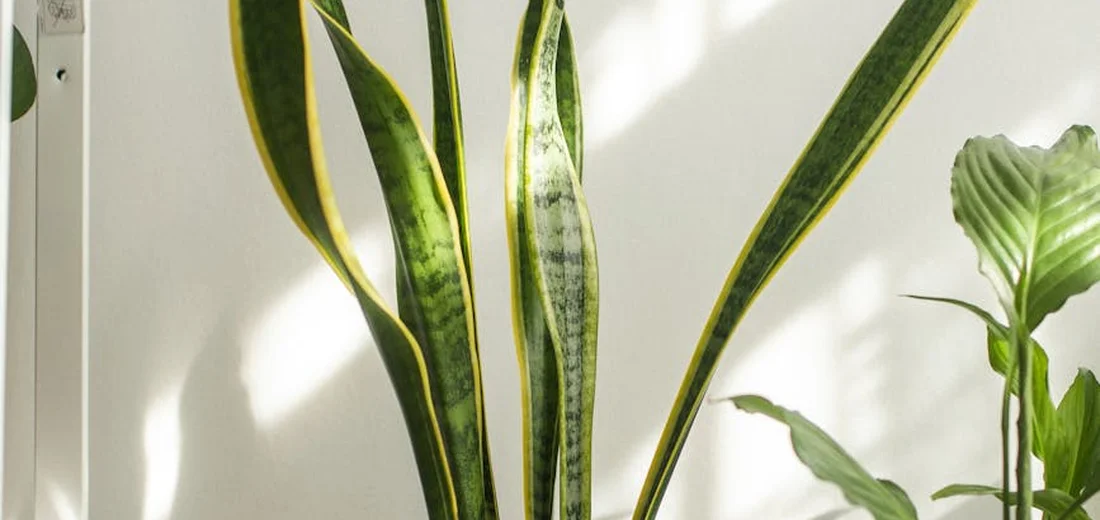
Bringing your new snake plant home is exciting, and a little bit of know-how will set you both up for a long, happy life together. I’ve found that the first few weeks are the most critical for helping your plant settle into its new environment. It’s a tough plant, but even the hardiest varieties appreciate a gentle introduction. To ensure you provide the best care, check out this complete indoor snake plant care guide that covers everything from placement to maintenance.
First Steps After You Bring It Home
Don’t just plop it down and hope for the best. Your plant has been through a big change. I always give my new plants a “quarantine” period away from my other houseplants for about two weeks, just to make sure no pests hitched a ride. This simple step has saved my entire collection more than once.
Find a spot with bright, indirect light and let it be for a while. Hold off on watering immediately-check the soil first. The nursery might have already watered it, and overwatering is the fastest way to cause problems.
- Inspect for pests: Look closely under the leaves and near the soil for any tiny bugs.
- Check the soil moisture: Stick your finger about two inches into the soil. If it’s dry, it’s time for a drink.
- Acclimate it slowly: Avoid moving it to a drastically different light situation right away.
The Right Light Makes All the Difference
One of the biggest myths is that snake plants thrive in dark corners. While they survive in low light, they truly thrive in bright, indirect light. In my sunniest room, my snake plants have grown so much faster and produced more of those gorgeous, upright leaves. A spot near an east-facing window is practically perfect. It’s important to understand their light requirements to keep them healthy and thriving.
Direct, hot afternoon sun can actually scorch the leaves, leaving bleached, crispy marks. If that happens, just move the plant a few feet back from the window. They are wonderfully communicative once you know what to look for.
My Simple Watering Rule That Never Fails
This is the most important care tip I can give you. Think of the snake plant’s natural habitat-it’s built for drought. I water my snake plants thoroughly, then I completely neglect them until the soil is 100% dry all the way to the bottom of the pot. For me, that often means watering only once a month, or even less in the winter.
- Stick your finger or a wooden chopstick deep into the soil.
- If it comes out clean, with no damp soil stuck to it, it’s time to water.
- Water slowly and evenly until you see water run out of the drainage hole.
- Empty the saucer underneath so the plant isn’t sitting in a puddle.
Yellow, mushy leaves are a sure sign of overwatering. If you see this, stop watering immediately and let the soil dry out completely.
The Best Soil and Pot for Healthy Roots
You don’t need a fancy pot, but you do need one with a drainage hole. I’ve learned this the hard way! Do snake plants need drainage holes? They do, because good drainage prevents soggy roots and root rot. A simple terra-cotta pot is my go-to because it’s porous and helps the soil dry out faster, which snake plant roots absolutely love.
For soil, a standard cactus or succulent mix is ideal. If you only have regular potting soil, mix in some perlite or coarse sand to improve drainage. This creates the gritty, well-aerated environment that prevents root rot.
A Quick Feeding Tip for Lush Growth
Snake plants aren’t heavy feeders, but a little nutrition during the growing season (spring and summer) gives them a boost. I use a balanced, diluted liquid fertilizer just once or twice during the entire growing season-any more than that can do more harm than good. I skip fertilizing entirely in the fall and winter when the plant is resting.
## FAQs
What are typical snake plant prices on Amazon?
You can find common varieties in 4-inch pots for $15-$25, but prices vary significantly based on the seller and plant size.
How much do snake plants cost near me?
Local prices depend heavily on your region, but big-box stores typically offer the most affordable common varieties starting around $10 for a small pot.
What is the average snake plant price in the USA?
In the USA, expect to pay $5-$20 for a small plant, $20-$50 for a medium one, and $75-$200+ for a large, mature specimen.
What is a typical snake plant price in South Africa?
In South Africa, a small to medium snake plant generally costs between ZAR 100 and ZAR 400 at local nurseries or garden centers.
How much does a snake plant cost in a nursery?
Nursery prices are often higher than big-box stores, but you pay for healthier plants and expert care, typically ranging from $15 to $50 for small and medium sizes.
What is the snake plant price in Delhi and Bangladesh?
In Delhi, a small snake plant costs around ₹200-₹500, while in Bangladesh, you can find them for ৳300-৳800 depending on the size and variety.
Ready to Find Your Snake Plant?
Ultimately, you can find a wonderful, healthy snake plant to fit almost any budget by knowing where to look and what to look for. Focus on finding a reputable seller and inspecting the plant for signs of good health, like firm, upright leaves.
- Aim for the $10-$30 sweet spot for common varieties at local garden centers.
- Check online marketplaces for rare types and big-box stores for unbeatable deals.
- Always inspect the leaves and soil before you buy to avoid pests or rot.
I’ve brought so many of these resilient plants home over the years, and each one has been a joy. Don’t overthink it-trust your instincts, pick a plant that speaks to you, and give it a bright spot in your home. You’ve got this, and your new snake plant is ready to thrive with your care.
Further Reading & Sources
- Snake Plant – Indoor Plants – The Home Depot
- How Much Does A Snake Plant (Sansevieria) Cost? – Simplify Gardening
- Snake Plants For Sale | Rare and Variegated Sansevieria Plants
- Snake Plants in Indoor Plants – Walmart.com
Lena Greenfield is a passionate horticulturist and plant care expert with over 10 years of experience cultivating and nurturing hardy house plants. With a deep understanding of both indoor and outdoor gardening, Lena shares practical advice on choosing, caring for, and maintaining resilient plants that flourish year-round. Through her knowledge and hands-on approach, Lena helps plant lovers transform their spaces into vibrant, green sanctuaries, no matter their gardening experience.
Types of Succulents