
Rare Snake Plant Varieties: A Guide to Unique Sansevieria
Published on: January 21, 2026 | Last Updated: January 21, 2026
Written By: Lena Greenfield
You probably know the common snake plant, but did you know there are dozens of stunning, rare varieties that look completely different? Many plant lovers worry these unusual types are difficult to find or care for, but I’ve found most are just as hardy as the classic snake plant you already know.
In this guide, I’ll share the most unique varieties I’ve collected over the years, including where to find them, how to identify true rare types, and my simple care tips to keep them thriving.
Unveiling the World of Rare Sansevieria
I’ve been collecting snake plants for over a decade, and the sheer diversity still surprises me. Beyond the common varieties, there exists a hidden world of rare Sansevieria with forms so unique they look like living sculptures. These aren’t your average garden center finds; they are treasures for the dedicated plant lover.
Snake Plants with Stunning Variegation
Variegation is where many rare snake plants truly shine, displaying patterns that seem painted by nature itself. Finding a heavily variegated snake plant feels like winning the botanical lottery, as no two leaves are ever exactly the same. I once spent two years hunting for a specific cultivar before it finally appeared in a small online shop.
Extreme and Reverse Variegation
Some varieties take variegation to incredible extremes. Here are a few of my favorites that you might not have encountered:
- Sansevieria trifasciata ‘Bantel’s Sensation’: This plant features narrow leaves with sharp, vertical white stripes. It grows more slowly than other snake plants, making a mature, full specimen quite a prize.
- Sansevieria ‘Sayuri’ (formerly S. cylindrica ‘Sayuri’): This one is a stunner with its cylindrical, spear-like leaves in a soft, silvery-gray with subtle dark green striping. Its muted, elegant color palette is completely different from the typical greens and yellows.
- Reverse Variegated Whale Fin (Sansevieria masoniana): Imagine the classic, huge whale fin leaf, but with a wide, creamy margin and a dark green center. It’s a dramatic flip of the usual pattern and incredibly sought-after.
Caring for Your Variegated Treasures
That beautiful white and yellow coloring comes with a small catch: those sections lack chlorophyll. Your variegated snake plant needs a bit more bright, indirect light than its all-green cousins to fuel its growth. I keep mine a few feet from a south-facing window for the best results.
Be patient with their growth rate. The less chlorophyll, the slower they tend to grow. Always check the soil before watering-these plants are even more susceptible to rot if overwatered in low light conditions. I use a moisture meter to take the guesswork out of my watering schedule.
- Quick Tip: If a new leaf emerges without variegation (reverted to all green), you can cut it off at the soil line to help the plant focus energy on the variegated growth.
- Quick Tip: Rotate your plant a quarter turn every time you water to ensure all sides receive even light and prevent lopsided growth.
Architectural and Sculptural Snake Plant Forms

Unique Leaf Shapes and Growth Habits
Some snake plants look less like plants and more like living art installations. I’ve found that these varieties become the centerpiece of any room they’re in. In fact, they’re widely considered excellent indoor houseplants because they tolerate low light and infrequent watering. That combination makes them a low-maintenance option for busy homes and offices.
The cylindrical snake plant (Dracaena angolensis) is my favorite for its quirky, spear-like leaves that grow in a fascinating fan shape. Each leaf is a perfect, smooth cylinder that feels wonderful to touch.
- Whale Fin Sansevieria (Masoniana): This plant produces one or two massive, paddle-shaped leaves that can grow over four feet tall. It has a mottled, reptilian pattern that is utterly captivating.
- Starfish Sansevieria (Cylindrica ‘Boncel’): Its leaves radiate out from the base like the arms of a starfish. It’s a compact, sculptural piece that grows slowly and demands attention.
- Samurai Dwarf (Ehrenbergii): This one grows in a distinct V-shape, with blue-green leaves that stack against each other like a Japanese fan. It’s a true conversation starter.
Quick tip: Rotate these sculptural plants every few weeks to ensure they grow evenly and maintain their striking form from every angle.
Supporting Your Sculptural Sansevieria
Caring for these unique forms is slightly different from caring for your common snake plant. Their unusual growth habits require a specific approach, especially when considering how big they can grow.
The most common mistake I see is using a pot that’s too small or too lightweight, causing top-heavy plants like the Whale Fin to tip over. A heavy, wide-based terracotta pot provides the perfect anchor.
Watering needs can be tricky. I wait until the soil is completely dry all the way to the bottom of the pot before giving them a thorough soak. For my cylindrical varieties, I sometimes use a moisture meter to be sure, as overwatering can cause their firm leaves to become mushy at the base.
Provide bright, indirect light to keep their unique shapes and patterns strong. Too little light, and they can start to stretch and lose their compact, sculptural quality.
Rare Snake Plant Varieties for the Avid Collector
If you think you’ve seen all the snake plants, think again. The world of rare cultivars is deep and incredibly rewarding for a dedicated plant parent. For indoor spaces with limited light, some snake plant varieties perform especially well in low light. We’ll highlight which snake plant varieties are best for low-light conditions.
Finding a true ‘Moonshine’ snake plant with its flawless, silvery-green leaves feels like winning the botanical lottery. Its color is so uniform it almost looks painted.
- Sansevieria Bantel’s Sensation: This stunning plant has tall, narrow leaves with vertical white stripes. It’s a slow grower, which makes a mature, large specimen particularly prized.
- Sansevieria Kirkii ‘Pulchra’: Known for its coppery-red, wavy leaf margins and a texture that’s surprisingly rough. It’s a bizarre and beautiful plant that thrives on neglect.
- Sansevieria ‘Golden Flame’: A newer hybrid with a vibrant yellow center that matures to a deep green, creating a “flame” effect. It’s exceptionally bright and cheerful.
My best advice for sourcing these rarities is to build relationships with local specialty nurseries and join online plant collector groups. Patience is key; the hunt is part of the fun.
Be prepared to pay a premium for these uncommon gems. I see it as an investment in a living piece of art that will grow and thrive for decades with proper care.
Essential Care for Your Rare Snake Plant Collection
Creating the Ideal Environment
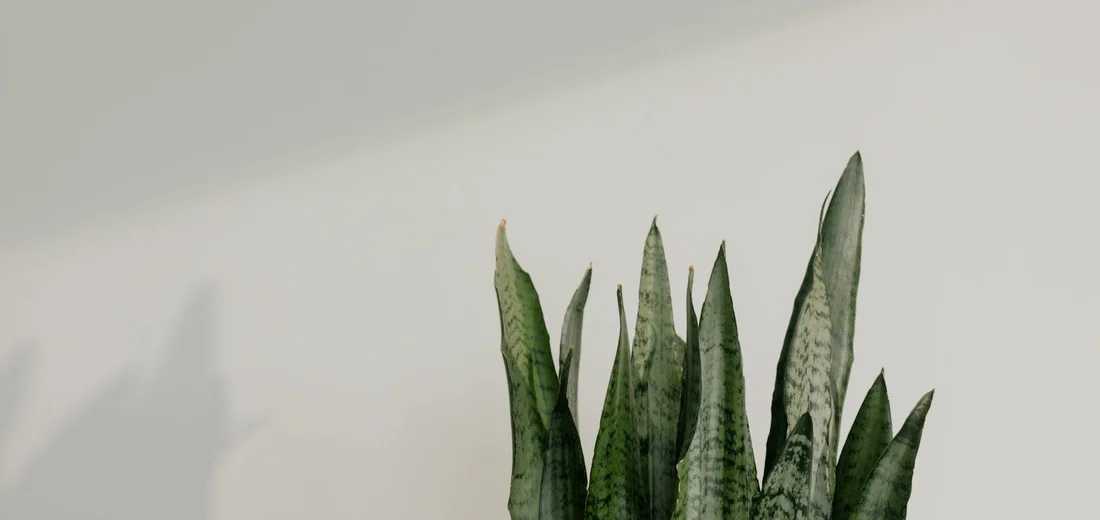
I’ve found that rare snake plants, like the stunning ‘Moonshine’ or the twisted ‘Samurai’, thrive on a simple but specific routine. Getting the light right is your first and most important job. While common snake plants tolerate deep shade, your rare varieties need bright, indirect light to maintain their unique colors and patterns. A spot a few feet back from an east or west-facing window is perfect. It’s especially important to understand the complete light requirements for snake plants to ensure they thrive.
Overwatering is the fastest way to lose a prized plant. My golden rule is to treat every snake plant like a succulent and water only when the soil is completely dry all the way to the bottom of the pot. I stick my finger deep into the soil or use a moisture meter to be sure. In the winter, this might mean watering only once a month, especially considering how long snake plants can survive without water.
Choosing the right soil mix makes all the difference. A standard potting mix holds too much moisture. I always make my own blend:
- 50% regular potting soil
- 25% perlite for aeration
- 25% coarse sand or crushed lava rock for drainage
This gritty mix mimics their natural, dry habitat and prevents dreaded root rot.
Safety for Pets and People
Many new collectors ask me if these exotic-looking plants are safe. It’s true that snake plants contain saponins, which are mild toxins that can cause nausea or mouth irritation if ingested by pets or children. In my years of growing them, I’ve never had a serious issue, but I’m always cautious.
I keep my most tempting, low-growing varieties like ‘Bantel’s Sensation’ on high shelves or in hanging planters, well out of reach of curious cats. If you suspect your pet has chewed on a leaf, contact your veterinarian promptly, though most cases result in only mild discomfort. For me, the air-purifying benefits far outweigh the minimal risk with proper placement.
How to Propagate Your Rare Sansevieria
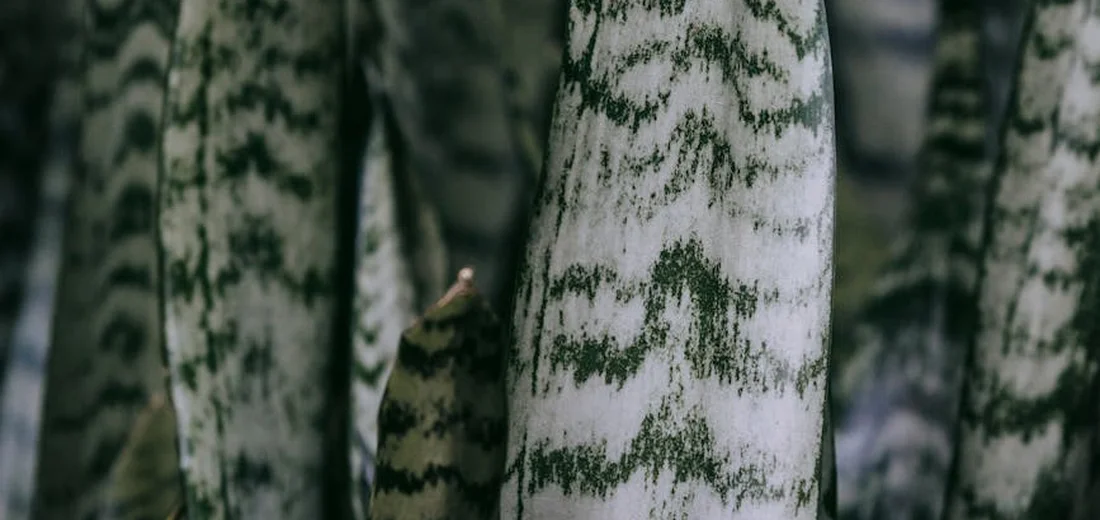
Sharing your rare finds is one of the most rewarding parts of this hobby. Propagation lets you create new plants for friends or expand your own collection without spending a fortune. I’ve successfully multiplied dozens of varieties, and division is my go-to method for preserving those unique patterns.
Here is my step-by-step process for division, which works best in the spring:
- Gently remove the entire plant from its pot and brush away the soil to expose the root system and rhizomes (the thick, horizontal stems).
- Look for a natural point where a pup, or baby plant, is connected to the mother. It should have its own set of leaves and roots.
- Using a clean, sharp knife, cut through the rhizome to separate the pup. I wipe my blade with rubbing alcohol before each cut to prevent disease.
- Pot the new division in a small container with fresh, well-draining soil. Water it lightly and place it in bright, indirect light.
For solid-colored varieties, you can try leaf cuttings. Be warned: propagating a variegated plant like ‘Laurentii’ from a leaf cutting will often result in a new plant that reverts to all-green, losing its signature yellow stripes. For a leaf cutting, I simply cut a healthy leaf into 3-4 inch sections, let the cut ends dry for a day or two, and then stick them about an inch deep into damp sand. Patience is key-it can take months for new pups to appear!
Finding and Acquiring Rare Snake Plants
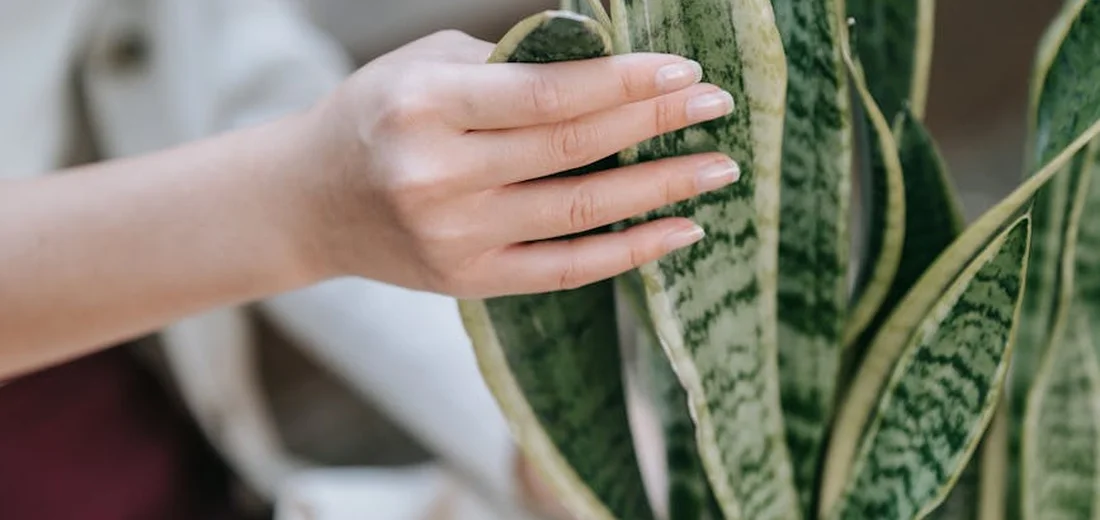
Tracking down these botanical gems feels like a treasure hunt, and I’ve spent many weekends doing just that. Your local, independent plant nursery is often the best place to start your search. I’ve had more luck at small, family-owned shops than at any big-box store. The staff usually cares deeply and might know of a supplier or have a rare specimen tucked away in the greenhouse.
When local shops come up empty, the online world opens up a universe of possibilities. I’ve purchased many of my unique varieties from these sources:
- Etsy: A fantastic marketplace for individual sellers specializing in rare and variegated plants.
- Specialty Nurseries: Look for online nurseries that focus exclusively on sansevierias or succulents; their collections are incredible.
- Plant Facebook Groups: I’ve found some of my best plants through trades and sales in enthusiast groups.
- eBay: Don’t overlook it! You can find established rare plants and fresh imports from dedicated collectors.
Be prepared for the price tag. A rare snake plant can cost significantly more than the common varieties, sometimes over $100 for a small plant. I see this as an investment in a living piece of art that will grow and produce pups for years to come. If you’re wondering how much snake plants cost online versus locally, it’s worth comparing prices and shipping. Always check the seller’s reviews and ratings before you buy, especially online.
What to Look For When Your Plant Arrives
I’ve learned a few things from having plants shipped to my door. The excitement of unboxing is real, but you need to inspect your new arrival immediately.
- Gently remove all the packaging material.
- Check the leaves for any signs of breakage, squishing, or rot from being in a dark box.
- Look closely at the soil and the base of the plant for any pests.
- Give it a good drink if the soil is bone dry, but don’t overwater a stressed plant.
Your new plant will need a week or two to acclimate to your home’s light and humidity before you even think about repotting it. Just find it a spot with bright, indirect light and let it settle in. Patience is key here.
A Quick Tip for Your Search
Join a local plant swap! I’ve met amazing people and acquired rare cuttings I couldn’t find anywhere else. It’s a budget-friendly and social way to grow your collection.
FAQs
What makes a snake plant variety rare?
Rare snake plant varieties are often limited in availability due to unique mutations, slow growth, or high demand among collectors. If you’re looking to make your snake plant grow faster, here are proven tips and techniques to help it thrive.
Where can I find rare snake plants for sale?
You can find rare snake plants for sale through specialized online nurseries, plant enthusiast groups, or local independent shops. When selecting, consider which snake plant variety will fit your home’s light, space, and decor. Choosing the right variety helps ensure the plant thrives and complements your interior.
What are some rare snake plant varieties?
Examples include Sansevieria ‘Bantel’s Sensation’ with narrow white-striped leaves and the reverse variegated Whale Fin with creamy edges.
Are snake plants toxic to cats?
Yes, snake plants are toxic to cats and can cause nausea or mouth irritation if ingested.
Are snake plants toxic to dogs?
Yes, snake plants are toxic to dogs and may lead to symptoms like vomiting or drooling.
Are snake plants toxic to babies?
Yes, snake plants are toxic to babies and should be kept out of reach to avoid any risk of ingestion.
Your Rare Snake Plant Adventure Awaits
Based on my years of nurturing snake plants, success with rare varieties boils down to mimicking their natural, low-water habitat and giving them the right light. Focus on these core habits for thriving plants: ample light, minimal water, and well-draining soil.
- Position them in bright, indirect sunlight to prevent leaf burn.
- Water deeply but infrequently, only when soil is completely dry.
- Use a fast-draining succulent or cactus soil mix to avoid root rot.
I invite you to dive into more plant care guides and inspiration over at Hardy House Plants—your go-to resource for all things green. Starting with a rare snake plant might feel intimidating, but I promise, their resilient nature makes them forgiving companions for any skill level. Join me for a complete indoor snake plant care guide, from placement to ongoing maintenance.
Further Reading & Sources
- Snake Plant Varieties for Every Low-Light Corner of Your Home – The New York Times
- Rare Sansevieria – Etsy
- Snake Plants For Sale | Rare and Variegated Sansevieria Plants
- List of Rare Snake Plant Varieties in the World
Lena Greenfield is a passionate horticulturist and plant care expert with over 10 years of experience cultivating and nurturing hardy house plants. With a deep understanding of both indoor and outdoor gardening, Lena shares practical advice on choosing, caring for, and maintaining resilient plants that flourish year-round. Through her knowledge and hands-on approach, Lena helps plant lovers transform their spaces into vibrant, green sanctuaries, no matter their gardening experience.
Types of Succulents