
How to Properly Repot a Plant After Root Rot
Published on: December 27, 2025 | Last Updated: December 27, 2025
Written By: Lena Greenfield
Noticing root rot in your plant can be alarming, but repotting it correctly is your best shot at saving it. You might be worried if the damage is too severe or how to avoid this problem down the road.
In this article, I’ll draw from my own experiences rescuing plants to guide you through spotting root rot, step-by-step repotting, aftercare essentials, and prevention tips.
First, Confirm It’s Root Rot
Before you do anything drastic, you need to be sure you’re dealing with root rot and not just a thirsty plant. I’ve made the mistake of over-reacting before, and it can stress a perfectly healthy plant unnecessarily. The most common signs are leaves that are yellowing, feeling mushy, or drooping dramatically, even when the soil is wet. The real tell-tale sign, however, is the smell. Gently remove the plant from its pot and take a sniff of the root ball. Healthy roots have an earthy, fresh scent. Rotten roots smell foul and swampy, like something decaying.
Your Step-by-Step Rescue Operation
Once you’ve confirmed the diagnosis, it’s time to act. Think of this as a delicate surgery for your plant, where cleanliness and a gentle touch are everything. I’ve saved dozens of plants this way, and while it seems scary, your plant will thank you for it.
Gather Your Sterilized Tools
Having everything ready before you start makes the process so much smoother. You don’t want to be scrambling for a tool with a plant in one hand and soil everywhere.
- Sharp, clean scissors or pruning shears: I wipe the blades with rubbing alcohol to prevent spreading any pathogens to the fresh cuts.
- A new pot with excellent drainage: It should be only 1-2 inches larger than the root ball you have left after pruning. Too big, and the excess soil holds water and invites rot back.
- Fresh, well-draining potting mix: For succulents, I always mix in extra perlite or pumice. For other houseplants, a standard mix works, but you can add some orchid bark for aeration.
- A bowl of water and a clean surface: I use my kitchen counter covered with an old towel.
- Optional: Hydrogen peroxide or cinnamon: Both are great, natural fungicides. I keep cinnamon in my plant cabinet for this exact purpose.
Step 1: Gently Remove the Plant and Expose the Roots
Be patient here. Don’t just yank the plant out by its stem. Squeeze the sides of the flexible nursery pot or carefully run a butter knife around the inside edge of a rigid pot to loosen the root ball. Tip the pot sideways and gently coax the plant out, supporting the base of the stem. If it’s really stuck, I sometimes use a chopstick to poke through the drainage hole to push the root mass upward.
Step 2: Rinse and Inspect the Root System
Take your plant over to a sink or use your bowl of water to gently wash away all the old soil from the roots. This is where the true damage is revealed, and it allows you to see exactly which roots need to go. Healthy roots are firm and can be white, tan, or even orange. Rotten roots are dark brown or black, feel slimy or mushy to the touch, and will often fall apart in your hands.
Step 3: Prune All the Damaged Roots
This is the most critical step. With your sterilized shears, snip off every single rotten root you identified. Don’t be shy here-it’s better to remove too much than to leave any rot behind, as it will just spread. Cut back until you see only firm, healthy root tissue. I also take this opportunity to trim away any overly long, circling roots to encourage new growth outward. If you have to remove a significant amount of roots, it’s a good idea to prune back some of the top growth (leaves and stems) as well. This reduces the demand on the smaller root system while it recovers.
Step 4: Give the Roots a Soothing Bath
This final step before repotting helps disinfect the remaining healthy roots and gives them a little boost. I mix one part 3% hydrogen peroxide with four parts water and let the root ball soak in this solution for about 30 minutes. The solution fizzes slightly, which is it actively oxygenating and cleaning the roots. If you don’t have hydrogen peroxide, you can simply dust the cut root ends with plain ground cinnamon from your spice rack-it’s a fantastic natural antifungal.
Choosing Your Plant’s Fresh Start

Picking the Perfect New Pot
Your plant’s new home is its best defense against future root rot. I always choose a pot with at least one drainage hole; this single feature is non-negotiable in my book. I learned this the hard way years ago with a beautiful, hole-less ceramic pot that secretly drowned a favorite pothos. Terracotta pots are my personal heroes because their porous walls allow the soil to breathe and dry out more evenly.
Size matters more than you might think. A pot that’s only 1-2 inches larger in diameter than the root ball you have left is the sweet spot. An oversized pot holds too much wet soil, creating a soggy environment that the recovering roots simply can’t handle. It’s like giving a small plant a giant, damp sweater-it just won’t end well.
Selecting a Well-Draining Soil Mix
Regular potting soil is often too dense and moisture-retentive for a plant that’s just survived root rot. You need a chunky, airy mix that mimics the plant’s need for quick drainage and oxygen around its roots. I make my own succulent and cactus blend, but a high-quality commercial one works perfectly. If you’d like to DIY succulent potting mix, you can make your own with simple at-home recipes. A simple DIY ratio is 2 parts potting soil, 1 part perlite, and 1 part coarse sand.
Look for these ingredients in your bagged mix or create your own custom blend:
- Potting soil as a base
- Perlite for aeration (those little white balls)
- Orchid bark or coconut coir chunks for structure
- Coarse sand to improve drainage
A good test is to squeeze a handful of moistened mix; it should crumble apart easily instead of clumping together. This loose structure is your plant’s ticket to a healthy, rot-free future.
The Repotting Process: A New Beginning
Step 1: Prepare the New Pot
Start by placing a small piece of paper towel, a coffee filter, or a shard of broken pottery over the drainage hole. This simple trick prevents soil from washing out while still allowing water to flow freely. Next, add a shallow layer of your fresh, dry potting mix to the bottom of the pot. This gives the roots a clean, well-draining foundation to settle into.
Step 2: Position Your Plant
Gently place your plant, with its trimmed and treated roots, into the center of the new pot. The goal is to have the top of the root ball sit about an inch below the pot’s rim. This space is crucial for watering without making a mess. If the plant sits too low, carefully lift it and add a bit more soil underneath. You want the base of the plant’s stem to be at the same soil level it was before.
Step 3: Fill and Settle the Soil
Hold the plant steady with one hand and use the other to scoop the new soil mix around the roots. Gently tap the pot on your work surface a few times as you go to help the soil settle naturally into air pockets. Avoid pressing or compacting the soil down with your hands, as this defeats the purpose of your airy mix.
Fill until the soil reaches the base of the plant’s stem. Resist the urge to water your plant immediately after repotting. I typically wait about 5-7 days before giving it the first, thorough drink. This pause allows any tiny root injuries to callus over, preventing new infections while the plant adjusts to its fresh home.
Caring for Your Recovering Plant

Hold Off on Watering
After surgery, your plant needs time to heal those fresh root wounds before getting a drink. I wait at least a full week before even thinking about watering my repotted plants. The dampness from the fresh, slightly moist potting mix is all the moisture the roots can handle right now. Giving them more can immediately restart the rot cycle on the vulnerable, cut roots.
Find a Gentle Spot for Recovery
Don’t put your plant back in its old, bright spot right away. Think of this as a plant ICU-it needs a calm, stable environment with bright, indirect light, away from heating vents and drafty windows. In my home, I use a north-facing bathroom windowsill; the consistent, gentle light and slightly higher humidity have worked wonders for my recovering philodendrons and pothos.
What to Watch For
Your plant will tell you how it’s doing, so keep a close eye on it for the first few weeks. Some leaf droop or a yellow leaf or two is normal as the plant adjusts its energy to root regrowth. The real success sign is new growth. Once you see a fresh, tiny leaf unfurling, you can breathe a sigh of relief-it means the roots have settled in and are doing their job.
- Good signs: Firm stems, no new mushy spots, eventual new leaf growth.
- Warning signs: Rapid, widespread yellowing, a foul smell from the soil, or leaves that remain limp and wrinkled long after repotting.
Preventing Root Rot From Happening Again
The best cure is always prevention, and after dealing with this messy problem a few times, I’ve refined my routine. Overwatering is almost always the culprit, but it’s not just about giving less water-it’s about creating an environment where excess water can’t linger.
Master the “Finger Test”
Forget the watering schedule. Stick your finger two inches into the soil; if it feels cool or damp, walk away from the watering can. I’ve killed more plants by being a helicopter plant parent than by neglect. For succulents, I let the soil become completely dry all the way to the bottom of the pot before I even consider watering. This is especially important to avoid common succulent watering mistakes that can easily kill these hardy plants.
Choose the Right Pot and Soil
Your pot is your first line of defense. I am a huge advocate for terracotta pots because the porous clay pulls moisture away from the soil, helping it dry out more evenly. Always, always use a pot with a drainage hole. Pair that pot with a well-draining potting mix; for most of my tropical plants, I add a handful of perlite or orchid bark to a standard mix to create air pockets. Terracotta pots are especially beneficial for indoor plants that require good air circulation to the roots.
- For succulents and cacti: Use a specialty succulent mix or make your own with half potting soil and half perlite or coarse sand.
- Quick Tip: Feeling the weight of the pot is a great trick-a light pot means dry soil, a heavy one means there’s still plenty of moisture in there.
Adjust for Seasons
Your plant’s thirst changes with the seasons, just like yours. During the low-light winter months, most houseplants enter a dormant period and need significantly less water, sometimes only once a month. I’ve learned to cut my summer watering frequency in half during the winter, and my plants are much happier for it.
A Special Note on Succulents and Root Rot
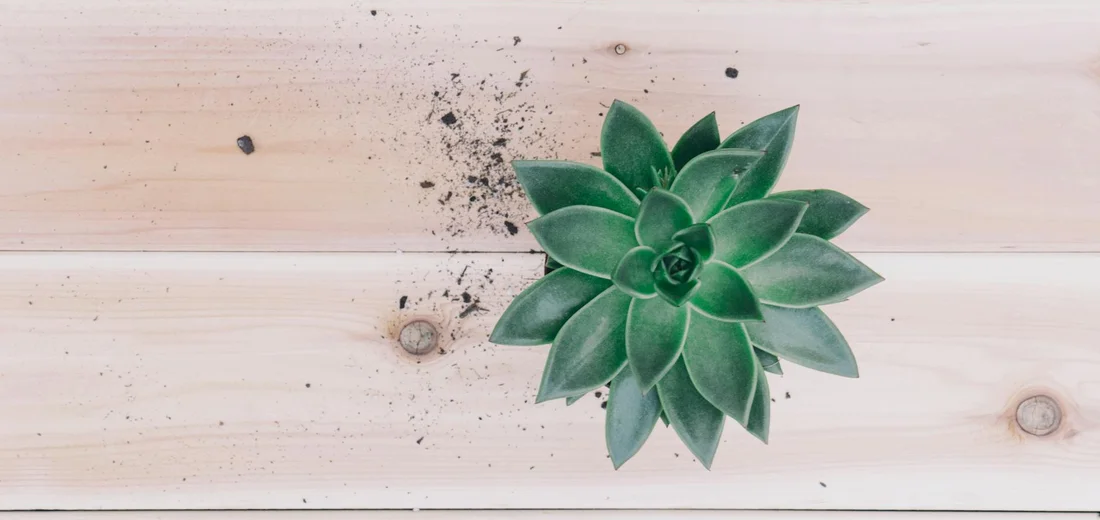
Succulents are tough little survivors, but their thick, water-filled leaves make them a prime target for root rot. Their roots are surprisingly delicate and designed for infrequent, heavy desert downpours followed by long dry spells. When we water them on a regular schedule, we’re essentially drowning them in kindness. Recognizing root rot causes helps save succulents, and the right treatment can stop it in its tracks. Early detection makes all the difference.
I’ve learned this the hard way with more than one jade plant. The first sign was always a leaf that felt a bit soft, not firm and plump. When I’d finally check the roots, they’d be a mushy, dark mess. Succulents often show distress in their leaves long before the stem shows any issues, giving you a small window to act. These leaf cues are the telltale signs that your succulents need water. Check the soil moisture and water only when the soil is dry.
My Step-by-Step Rescue Plan for a Rotten Succulent
- Gently tip the plant out of its pot and brush away all the old, damp soil.
- Inspect the roots carefully. Healthy succulent roots are firm and can be white, tan, or even orange.
- Using sterile scissors or pruners, cut away every single soft, brown, or black root. Be ruthless here-any rot left behind will spread.
- If the rot has traveled up the stem, you must cut the stem above the rot until you see clean, healthy tissue. It might feel scary to behead your plant, but it’s its only chance.
- Lay the plant, with its trimmed roots and stem, on a paper towel in a bright, airy spot out of direct sun. Let it dry for at least two to three days, or until the cut end has completely calloused over. This is non-negotiable.
- Once calloused, plant it in a completely dry, fresh succulent and cactus mix. Do not water it.
- Wait at least a week, sometimes more, before giving it a small drink. Your goal is to encourage new roots to seek out moisture.
Quick Tip: For succulents, I use the “chop and drop” method for severe rot—chop off the top, healthy part, and drop it on dry soil to re-root. It often works better than trying to save the original root system. Once rooted, transplant the new plant into a slightly larger pot to keep propagating. This approach helps propagate succulents successfully from cuttings.
The Perfect Potting Mix for a Second Chance
After root rot, the soil you use is your succulent’s new best friend. A standard potting mix holds far too much water. They need special soil to thrive. I always make my own blend for my recovering patients.
- Two parts potting soil
- One part perlite
- One part coarse sand or poultry grit
This mix is incredibly fast-draining and provides the gritty environment succulent roots crave. The grittiness ensures that air pockets remain around the roots, preventing them from sitting in constant dampness. You should be able to water the plant and see the water run straight through almost immediately. Proper drainage is essential for succulents to thrive.
Repotting a succulent after root rot requires a bit of a tough-love approach. You have to be a surgeon with the scissors and then practice serious patience. Seeing that first new, firm leaf grow in is one of the most rewarding feelings for a plant parent—it means you truly saved a life. For beginners, here’s a simple, step-by-step guide to repot succulents. It covers pot selection, soil, and aftercare.
## Common Questions
How can I tell if my plant is too far gone to save from root rot?
A plant is likely unsalvageable if the rot has spread up into the main stem, making it soft and mushy, or if all of the roots have turned black and slimy with no healthy ones remaining.
Can I reuse the old pot after a root rot incident?
Yes, but you must first scrub the pot thoroughly with soap and water and then disinfect it with a diluted bleach solution or rubbing alcohol to kill any lingering fungal pathogens.
Is it normal for my plant to look worse after repotting for root rot?
Yes, it’s common for the plant to droop, wilt, or lose some leaves as it focuses its energy on regrowing a healthy root system instead of supporting top growth.
Should I water my plant with hydrogen peroxide after repotting?
No, you should not use a hydrogen peroxide solution for routine watering after the initial root soak, as it can harm beneficial microbes in the new soil over time.
My succulent has root rot but the leaves are still firm, can I still save it?
Yes, a succulent with firm leaves has a very high chance of survival by propagating the healthy top portion after beheading it above the rot and letting it callus before replanting.
How long does it take for a plant to recover after repotting for root rot?
It can take several weeks to a few months to see signs of active new growth, as the plant’s priority is to first establish a new network of healthy roots in the fresh soil.
Your Plant’s Recovery Journey
From my years of nursing houseplants and succulents back to health, I’ve learned that successfully repotting after root rot hinges on removing all damaged roots and providing a fresh, well-draining environment. Swift action and careful aftercare dramatically increase your plant’s chances of bouncing back. After repotting, focus on giving it time to recover with gentle care. In the days to weeks that follow, monitor moisture, light, and warmth to support steady recovery. Here’s a quick checklist to guide you:
- Trim away any soft, discolored roots until only firm, white ones remain.
- Repot using sterile, fast-draining soil to prevent reinfection.
- Adjust watering habits and monitor for signs of new growth.
For more trusted plant care tips, keep following Hardy House Plants at www.hardyhouseplants.com. I’ve seen countless plants thrive after a rough patch, and with these steps, yours will too-just give it time and consistent care.
Further Reading & Sources
- Root rot: How to spot it and fix it | Patch
- Root Rot Quick Fix: How to Save Your Indoor Plants – Outside In
- How to Identify and Treat Root Rot in Houseplants
- Root Rot in House Plants | BBC Gardeners World Magazine
Lena Greenfield is a passionate horticulturist and plant care expert with over 10 years of experience cultivating and nurturing hardy house plants. With a deep understanding of both indoor and outdoor gardening, Lena shares practical advice on choosing, caring for, and maintaining resilient plants that flourish year-round. Through her knowledge and hands-on approach, Lena helps plant lovers transform their spaces into vibrant, green sanctuaries, no matter their gardening experience.
Repotting Guidelines