
How to Repot a Snake Plant: An Easy, Stress-Free Guide
Published on: December 31, 2025 | Last Updated: December 31, 2025
Written By: Lena Greenfield
Is your snake plant looking a bit cramped or tipping over its pot? Repotting might seem intimidating, but it’s a simple process that gives your plant a fresh start. I’ve repotted dozens of snake plants over the years, and I’m here to walk you through it without any guesswork.
In this guide, I’ll cover when to repot, the best soil mix, choosing the right pot, the step-by-step repotting process, and aftercare tips.
Quick Tip: The best time to repot your snake plant is in the spring or early summer when it’s actively growing.
Spotting the Tell-Tale Signs for Repotting
Your snake plant will give you clear signals when it’s feeling cramped. I’ve learned to look for roots peeking out of the drainage holes, a sure sign the plant has run out of room downstairs. It’s the plant’s way of saying, “Hey, I need a bigger apartment!”
Another classic sign is when the plant starts to look top-heavy or the pot bulges. I’ve had pots literally crack open from the pressure of a thriving snake plant’s root system. If you water your plant and the liquid runs straight through without being absorbed, that’s a red flag that the pot is more root than soil.
- Visible Roots: Roots circling the top of the soil or escaping through the drainage hole.
- Watering Issues: Water rushes through the pot immediately, indicating no soil left to hold moisture.
- Cramped Quarters: The plant looks like it’s bursting out of its pot, or the pot itself is deforming.
- Stunted Growth: Your snake plant hasn’t produced any new leaves in over a year, despite good care.
Don’t feel pressured to repot on a strict schedule. Snake plants actually enjoy being a bit root-bound and typically only need repotting every 2-3 years. I always wait for the plant to tell me it’s time, rather than the calendar. Keep in mind that the best time to repot varies by plant type. For many houseplants, spring is ideal as they start actively growing, while succulents and cacti may be happier after a rest period.
Gathering Your Essential Repotting Toolkit
Getting everything ready before you start makes the whole process smooth and stress-free for both you and your plant. Lay out your tools on an old towel or newspaper to make cleanup a breeze. I usually do this on my kitchen counter for easy access to water.
- Your New Pot: One that is 1-2 inches wider in diameter than the current one.
- Fresh Potting Mix: A well-draining succulent or cactus blend is perfect.
- Pruning Shears or Scissors: Clean and sharp for trimming any dead roots or leaves.
- A Trowel or Large Spoon: For scooping and moving soil.
- Gloves: Snake plant sap can be mildly irritating to skin, so I always wear them.
- Watering Can: You’ll need it for the final step!
You don’t need fancy equipment. In a pinch, I’ve used an old mug to scoop soil and kitchen scissors sterilized with rubbing alcohol to trim roots. The goal is to be prepared so you can focus on the plant.
Choosing the Perfect Pot for Your Plant
Pot choice is critical for a snake plant’s long-term health. Always, and I mean always, pick a pot with at least one drainage hole. I learned this the hard way with my first snake plant, which developed root rot from sitting in soggy soil at the bottom of a “pretty” pot with no hole. (Drainage matters.)
Terracotta pots are my go-to because they are porous and allow the soil to dry out more evenly, preventing overwatering. For many indoor plants, terracotta pots are ideal thanks to their breathability. Their porous walls help regulate moisture and prevent root rot indoors. If you love a decorative pot without a hole, use it as a cachepot by placing your plastic nursery pot inside it. This gives you the best of both worlds-style and function.
When sizing up, be conservative. A pot that is just 1-2 inches wider provides enough room for new growth without leaving so much damp soil that it could cause root issues. A pot that’s too large is one of the most common mistakes I see beginners make.
Mixing the Ideal Snake Plant Soil
Snake plants are succulents, which means they despise wet feet. The perfect soil mix feels gritty and loose, not dense and clumpy like garden soil. Its main job is to provide support while letting excess water drain away quickly.
You can buy a bagged succulent and cactus mix, which works great. To make it even better, I always amend a standard succulent mix with extra perlite. I use a ratio of about 2 parts succulent soil to 1 part perlite for super-fast drainage.
Here is my favorite DIY snake plant soil recipe that I’ve used for years:
- 2 parts All-Purpose Potting Mix
- 1 part Coarse Sand or Pumice
- 1 part Perlite
This creates a chunky, airy environment that mimics the snake plant’s natural, well-draining habitat. Mixing your own soil might seem like a small step, but it’s the single best thing you can do to prevent overwatering problems down the line, especially when you’re careful to use appropriate soil for snake plants.
The Step-by-Step Repotting Process
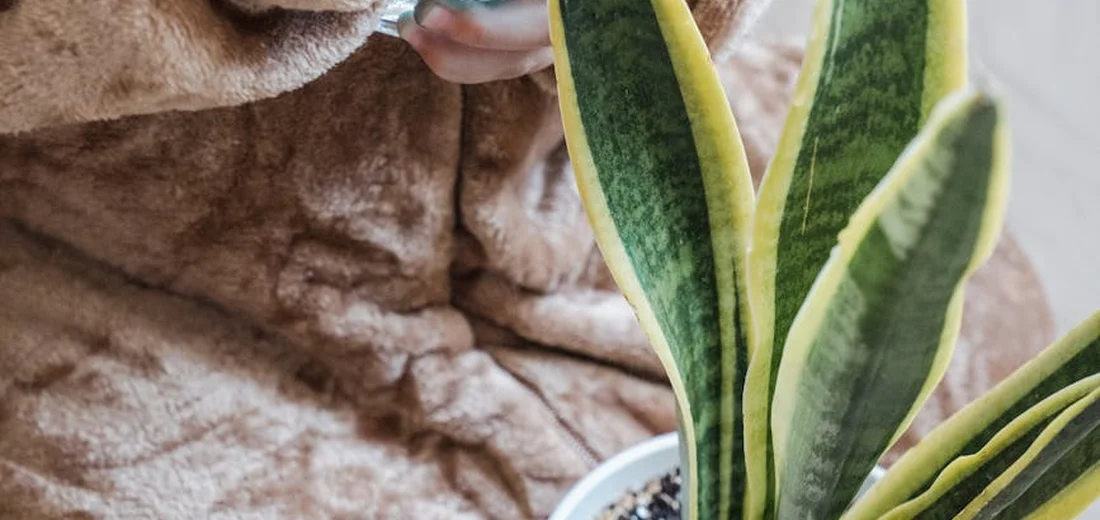
Step 1: Gently Freeing the Plant
This is where patience pays off. I always lay the pot on its side and gently squeeze the sides of a plastic pot to help loosen the root ball’s grip. For a stubborn plant, I’ll carefully run a butter knife or a soil knife around the inside edge of the pot to break the suction. Never pull hard on the leaves; you can risk snapping them off at the base. Instead, tilt the pot and coax the whole plant out slowly.
Step 2: Inspecting and Pruning the Root System
Once your snake plant is free, take a good look at its roots. Healthy roots are firm and range in color from pale yellow to orange. Gently tease apart the root ball with your fingers to loosen any tightly wound roots. Use clean, sharp scissors to snip away any roots that are mushy, black, or smell bad—these are signs of rot and need to be removed. Don’t be shy about trimming a few of the very long, circling roots either; this encourages new growth in the fresh soil.
Step 3: Dividing Pups for Propagation
If you see smaller plants, or “pups,” growing from the main root mass, you can separate them to create new plants. I find the easiest way is to identify where the pup connects to the mother plant and use my hands to gently pull them apart. If they’re really stuck, a clean, sharp knife can make a clean cut through the connecting rhizome. Each new division should have its own set of roots and at least a few leaves to be successful.
Step 4: Settling into the New Home
Place a layer of fresh, well-draining potting mix in the bottom of your new pot. I prefer a cactus and succulent mix for my snake plants. Position your plant (or divisions) in the center, making sure it’s sitting at the same depth it was in its old pot. Backfill around the roots with more soil, gently tamping it down as you go to remove large air pockets. Leave about an inch of space between the soil surface and the rim of the pot to make watering easier.
Step 5: The First Crucial Watering
This initial watering helps the new soil settle around the roots. I give the plant a thorough, deep watering until water runs freely out of the drainage hole. Let the pot drain completely in the sink before placing it back in its decorative pot or saucer. This step is vital to prevent the roots from sitting in soggy soil right from the start, which can lead to rot.
Caring for Your Snake Plant After the Move
Your plant has just been through a big change, so it needs a little extra TLC. For the first week or two, place it in a spot with bright, indirect light and avoid any direct, harsh sun. Hold off on fertilizing for at least a month to let the roots get established in their new environment without the stress of extra nutrients. You might notice the plant looks a little droopy or doesn’t grow much at first-this is normal as it focuses energy on its root system.
Resist the urge to water again until the top couple of inches of soil are completely dry. Overwatering is the fastest way to harm a newly repotted snake plant. I typically wait a full two to three weeks after repotting before I even check the soil moisture again. Proper watering techniques are crucial during this time. Your plant is incredibly resilient and will soon reward your careful work with a fresh burst of new growth.
Timing Your Snake Plant’s Repotting
Getting the timing right is the secret to a stress-free move for your plant. Look for signs that it’s time to repot—roots poking out of drainage holes or a crowded root ball. Repotting at the wrong time can shock your snake plant, so watching for its specific signals is much smarter than following a calendar. In general, repot when you notice these signs or about every 2-3 years, whichever comes first.
Key Signs Your Plant Needs a New Home
Your snake plant will tell you when it’s feeling cramped. I look for these clear indicators in my own collection.
- Roots on the run: The most obvious sign is roots growing out of the drainage holes or pushing the plant upwards out of the pot.
- The tight squeeze: If you gently slide the plant out and see a solid wall of roots with little soil visible, it’s definitely time.
- Slowed growth: A healthy snake plant that suddenly stops putting out new leaves might be root-bound.
- Watering woes: Water runs straight through the pot without soaking in because the root mass leaves no room for the soil to hold moisture.
The Best Season for Repotting
I always aim for the spring or early summer. This gives your plant the entire growing season to settle into its new pot and recover from any minor root disturbance. The longer days and warmer temperatures encourage new root growth.
Avoid repotting in the dead of winter. Your plant is semi-dormant then, and it won’t have the energy to establish itself in fresh soil, making it more susceptible to rot.
When to Leave It Alone
Snake plants actually enjoy being a little snug in their pots. If your plant is still happily producing new growth and isn’t showing any of the distress signals, you can often let it be for another year. I’ve had some thrive in the same pot for three years before needing an upgrade. Big snake plants grow slowly toward their maximum height, so understanding their growth habits helps you plan when a larger pot or taller space is needed.
Don’t feel pressured to repot a perfectly happy plant just because you bought a cute new pot! Wait for the plant to give you the signal.
FAQs
Is it safe to repot a snake plant in the fall?
Fall is not the ideal time, but if necessary, repot in early fall and provide bright, indirect light to help the plant adjust.
Should I repot my snake plant immediately after buying it?
No, wait 2-4 weeks after purchase to let the plant acclimate to its new environment before repotting.
How do I repot a snake plant from a leaf cutting?
First, root the leaf cutting in water or soil, then transfer it to a small pot with well-draining mix once roots develop.
Are there YouTube tutorials for repotting snake plant leaf cuttings?
Yes, search for gardening channels on YouTube that specialize in houseplants for step-by-step video guides on leaf cutting propagation and repotting.
What is the difference between repotting a mature snake plant and a leaf cutting?
Repotting a mature plant focuses on dividing root-bound clumps, while leaf cutting repotting involves transplanting a newly rooted cutting into its first pot.
How long does it take for a repotted leaf cutting to establish itself?
A repotted leaf cutting typically shows new growth within a few weeks to months, depending on light and care conditions.
Your Snake Plant’s Happy New Start
Based on my many years of growing snake plants, the single best piece of advice I can give is to always use a well-draining pot and soil to prevent root rot. Getting the fundamentals right from the start makes all the difference for a smooth transition. If you’re focusing on choosing the right pot size, here’s a quick step-by-step guide to help you pick the perfect container for your snake plant. Here are the core steps to remember:
- Gently loosen the root ball when removing the plant.
- Place it in a new pot that’s only 1-2 inches wider.
- Wait a week before the first thorough watering.
You’ve got this, and your snake plant will thank you with lush, upright growth. For more hands-on guides and tips tailored to your plant-parenting journey, I invite you to browse the other helpful articles right here on our site. Explore our complete indoor snake plant care guide, with practical placement and maintenance tips. It covers placement, lighting, watering, and routine upkeep.
Further Reading & Sources
- How to Repot Your Snake Plant in 6 Easy Steps
- r/houseplants on Reddit: Tips needed for repotting snake plant
- Repotting Snake Plants: Easy Tips for Transplanting Snake Plants
- r/houseplants on Reddit: Should I repot my snake plant? How should I go about doing so?
Lena Greenfield is a passionate horticulturist and plant care expert with over 10 years of experience cultivating and nurturing hardy house plants. With a deep understanding of both indoor and outdoor gardening, Lena shares practical advice on choosing, caring for, and maintaining resilient plants that flourish year-round. Through her knowledge and hands-on approach, Lena helps plant lovers transform their spaces into vibrant, green sanctuaries, no matter their gardening experience.
Repotting Guidelines