
What is the Best Time of Year to Repot Different Types of Plants?
Published on: January 14, 2026 | Last Updated: January 14, 2026
Written By: Lena Greenfield
Knowing the ideal time to repot your plants can boost their health and help them flourish. If you repot at the wrong moment, you might accidentally stress your green friends or slow their growth-but I’ve got you covered with easy, experience-tested advice.
Based on my years of nurturing everything from succulents to tropicals, I’ll walk you through seasonal timing cues, plant-specific needs, telltale signs your plant is ready, and straightforward repotting steps so you can give your plants the fresh start they deserve.
Why Repotting Timing Matters for Plant Health
Think of your plant’s life in seasons, just like the world outside its pot. Repotting during a plant’s natural growth spurt works with its internal clock, not against it. When days get longer in spring, most houseplants wake up from a semi-dormant state and are eager to push out new roots and leaves. Giving them fresh soil and more space at this exact moment feels like a supportive upgrade, not a stressful interruption.
Getting the timing wrong can set your plant back significantly. Repotting a dormant plant in the middle of winter is like waking someone up from a deep sleep to move their bedroom. The roots are largely inactive and can struggle to establish in the new soil, leading to root shock, rot from unused water, and a long period of stunted growth. I’ve seen a fiddle leaf fig I repotted in late fall just sit there for months, looking sad, while its spring-repotted sibling doubled in size.
From my own collection, the difference in recovery speed is night and day. A pothos I repotted in March was climbing its pole within two weeks, while one I repotted in October simply held on until spring finally arrived. Your plant will tell you how it feels about the timing by how quickly it bounces back and starts growing again.
Best Repotting Seasons for Common Houseplants
Spring: The Ideal Window for Most Houseplants
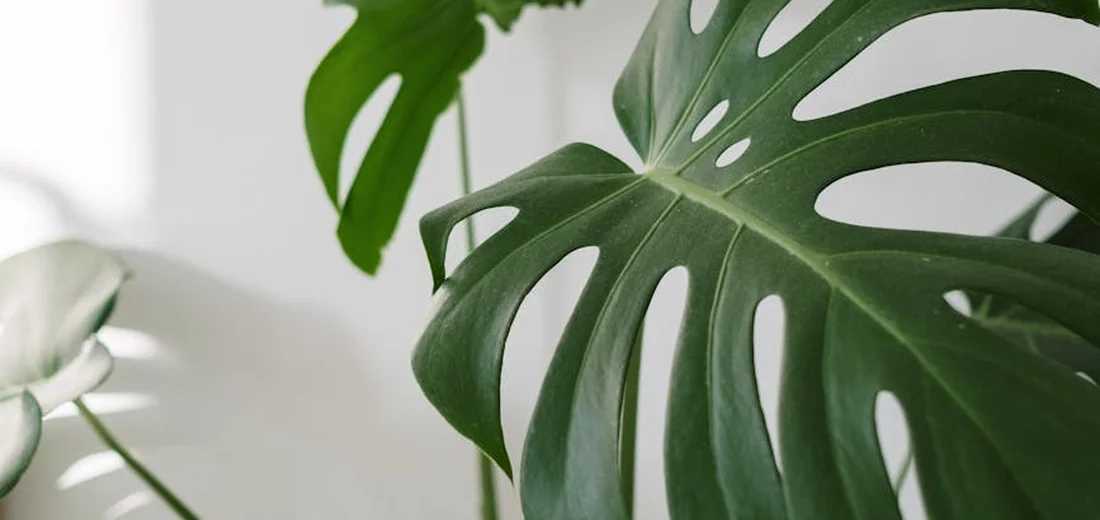
For the vast majority of your leafy friends, spring is the undisputed champion of repotting seasons. This is your prime time for workhorses like Pothos, Peace Lily, Fiddle Leaf Fig, Rubber Plant, and the ever-popular Monstera. The increasing light and warmer temperatures act as a natural signal for them to grow, helping new roots quickly colonize the fresh potting mix.
This quick establishment is key. The plant can focus its energy on new growth above and below the soil instead of just recovering from the move. You’ll often see a new leaf unfurling just a week or two after a spring repot, which is incredibly rewarding.
Keep an eye out for exceptions, especially with plants that have their main flowering period outside of spring. Some flowering plants, like certain Christmas Cacti or holiday-season bloomers, are best left alone until after their show is over. You don’t want to disrupt bud formation with the stress of a move.
When to Adjust for Specific Plant Needs
Not all plants read the same calendar. Orchids, particularly common Phalaenopsis, are a perfect example. The best time to repot most orchids is right after they finish flowering, regardless of the season. This allows them to use their energy to re-establish their roots before initiating the next bloom cycle. I always wait for that last flower to drop before I get out the orchid bark.
Herbs like basil, mint, and rosemary that you might grow indoors also follow their own rules. I repot my indoor herbs whenever they become visibly root-bound and outgrow their container, as their growth can be continuous under grow lights. The same goes for many tender perennials kept indoors year-round; watch the plant, not just the date on the calendar. Match indoor plants to your lifestyle and care commitment. Busy schedules benefit from low-maintenance varieties, while a few favorites can handle a bit more hands-on tending.
My personal rule of thumb from managing a crowded plant shelf: If a plant is actively putting out new growth, it’s generally a safe bet for repotting, even if it’s not technically spring. Always check the specific needs of your plant, but an actively growing plant is a happy and resilient one.
Succulent and Cacti Repotting Guidelines
Optimal Times for Succulents
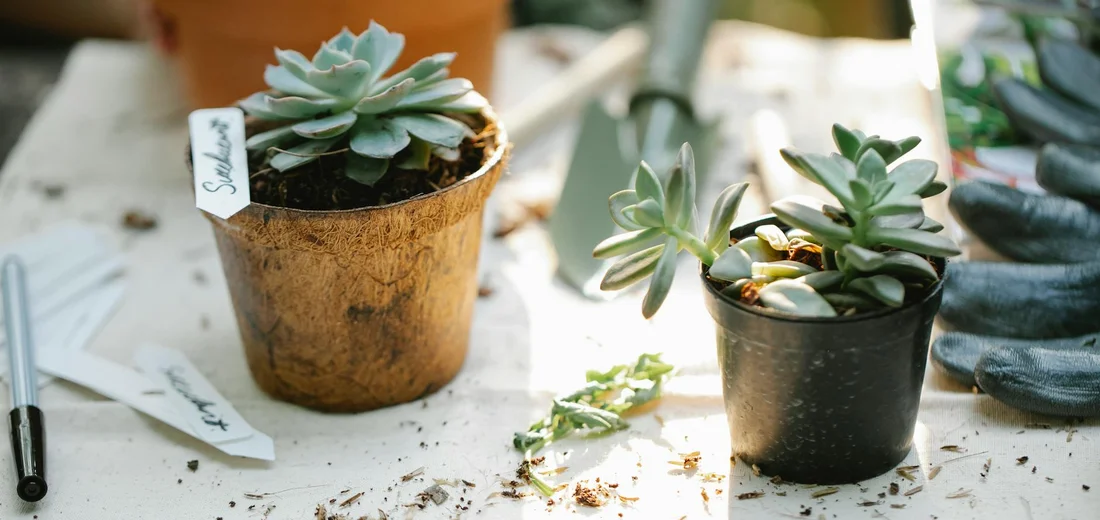
I’ve found the sweet spot for repotting most succulents is in the early spring, just as they’re waking up from their winter rest and showing signs of new growth. Knowing the right time to repot and change soil is crucial for their health.
Late summer can also work well, as the intense summer heat starts to fade and the plants get a second wind before cooler weather arrives. This is a great time to start planning the transition of outdoor plants indoors for the winter. Gradually acclimating them now helps prevent winter shock.
- Succulents like jade plants and echeverias enter a dormant state during extreme heat or a hard freeze, and repotting them during this time can shock their system.
- I always wait until my jade plant’s little red leaf tips appear in spring, signaling it’s ready for a new home and a fresh growing season.
- My echeverias tell me they’re ready when their rosettes start to look a bit too crowded in their current pot, which I usually notice in late February or early March.
Cacti Repotting Considerations
The absolute best time to repot a cactus is in the late winter to early spring window, right before their main growth spurt kicks into high gear. For beginners, here’s a quick step-by-step guide to repot succulents. It covers pot choice, soil, and basic root care.
This timing gives them a chance to settle into their new soil and recover from any root disturbance before they put all their energy into growing.
- You’ll know it’s time when you see roots poking out of the drainage hole, the cactus has completely stopped growing, or water rushes straight through the pot without being absorbed.
- To handle a spiny cactus safely, I create a simple sling using a long strip of folded newspaper or a piece of flexible cardboard, which gives me a safe handle to lift the plant with.
- Wearing a pair of thick leather gloves on top of nitrile gloves has saved my fingers more times than I can count when dealing with particularly tricky spines.
Signs Your Plant Needs Repotting Now
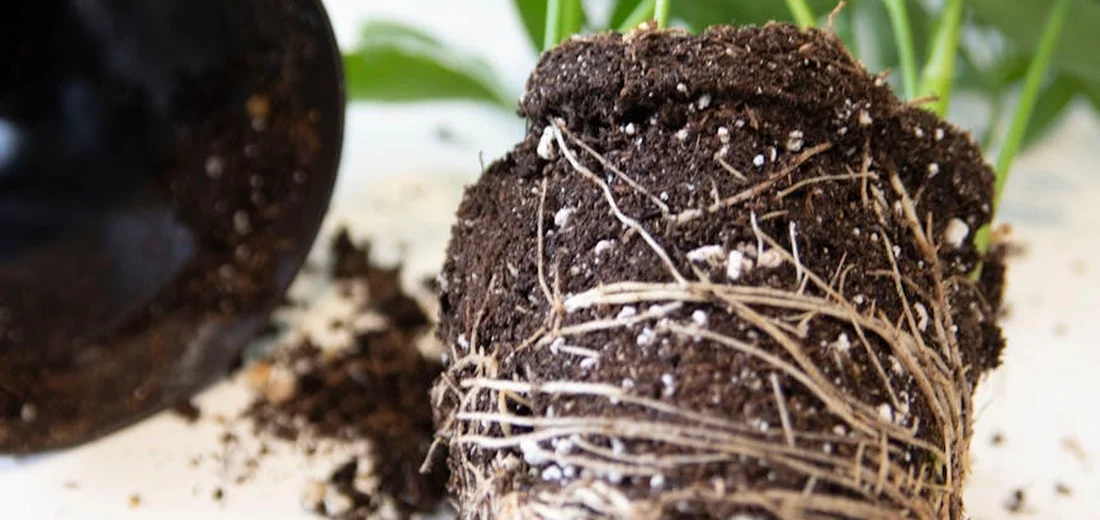
Some signs are subtle, but others scream for immediate attention. Roots circling the inside of the pot or growing out of the drainage holes are a clear cry for more space.
- If your plant’s growth has dramatically slowed or stopped completely, even during its growing season, it’s likely root-bound and struggling for nutrients.
- Water that pools on the surface for ages or drains through in seconds indicates the root-to-soil ratio is off, often because the roots have taken over the pot.
- To check the root system without harming your plant, gently squeeze the plastic pot and tilt it to slide the plant out for a quick peek; if you see a solid mass of roots, it’s time.
I once had a peace lily that looked perfectly healthy but stopped flowering for nearly a year; when I finally checked, its roots were so tight I had to cut the pot away. Repotting it was an instant fix, and it bloomed again within weeks.
Another time, I noticed my snake plant was starting to crack its terracotta pot—a surefire sign I’d waited too long, and a lesson I only needed to learn once! If you see roots crowded in the pot or poking out of the drainage holes, it’s time to repot. For snake plants, a typical timing is every 2-3 years, or sooner if it becomes clearly root-bound.
Step-by-Step Repotting for Different Plant Types
General Repotting Steps for Houseplants and Succulents
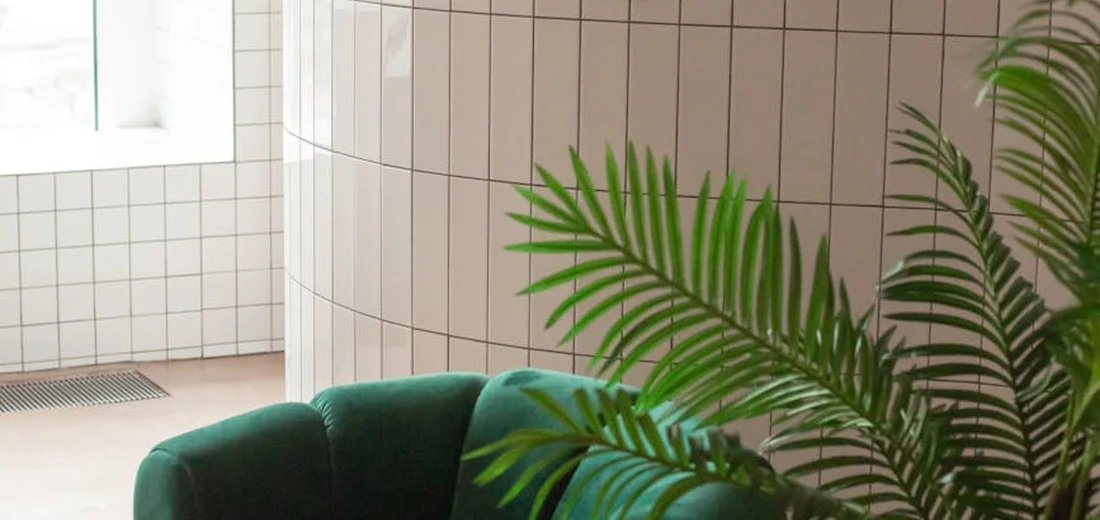
Repotting can feel daunting, but I’ve found that breaking it into simple steps makes it a breeze for both you and your plants. In this properly repot snake plant step-by-step guide, I’ll walk you through each stage—from choosing the right pot to refreshing the soil. Follow along for a simple, confidence-boosting process that keeps your snake plant thriving.
- Choose the right pot size and potting mix. I always pick a pot just one size larger than the current one to prevent waterlogged soil. For succulents, I mix in extra perlite or sand for drainage, and for most houseplants, a standard potting soil works well.
- Gently remove plant and inspect roots. Tap the pot’s sides and tilt it to ease the plant out. If roots are tightly wound, I gently loosen them with my fingers. Look for firm, white roots and trim any that are brown or mushy with clean scissors.
- Place in new pot, fill with soil, and water lightly. Center the plant in the pot, add soil around it, and press down softly. Give it a light watering to settle the roots, but hold off on a deep drink for a few days to avoid shock.
Special Techniques for Delicate Plants
- Orchids thrive in chunky bark mixes, and I handle their delicate aerial roots with extra care to avoid breakage. When repotting, I make sure the base isn’t buried too deep and provide support with a stake if needed. Quick tip: Soak orchid roots in water for 10 minutes before repotting to make them more flexible.
- Cacti require fast-draining soil and careful handling to prevent spine injuries. I use tongs or folded newspaper to hold spiny cacti and wear gloves for protection. After repotting, I keep them in bright, indirect light and wait a week before watering to let any root damage heal.
- Emphasize aftercare to reduce stress by maintaining higher humidity and avoiding direct sun initially. I often place a clear plastic bag over repotted delicate plants for a few days to create a mini greenhouse effect, which I’ve seen help ferns and peace lilies recover faster.
Aftercare Tips for Newly Repotted Plants
- Adjust watering schedules by waiting about a week before the first thorough watering to let roots settle. I check soil moisture by sticking my finger in-if it’s dry up to the first knuckle, it’s time to water. Keep plants in bright, indirect light and avoid moving them to direct sun too soon to prevent leaf scorch. Monitor for drooping or yellowing leaves, which can signal stress, and mist lightly if needed.
- I’ve helped many plants bounce back by giving them a consistent environment and patience. Once, my fiddle leaf fig drooped after repotting, so I placed it in a stable spot with filtered light and resisted the urge to overwater. Within two weeks, it perked up and grew new leaves.
- Avoid common mistakes like over-fertilizing right after repotting. Fresh soil often has nutrients, so I wait at least a month before adding fertilizer. I learned this when my pothos developed burnt tips from early feeding-now I let the plant focus on root growth first.
Creating a Year-Round Repotting Schedule
Over the years, I’ve found that sticking to a seasonal schedule makes repotting feel less like a chore and more like a natural part of plant care. Aligning your repotting with a plant’s natural growth cycle is the single best way to encourage a speedy recovery and explosive new growth. For succulents, those key seasonal timing milestones—spring growth and a slower summer period—help you time repotting and watering. Knowing these milestones makes succulent care more predictable and less guesswork. Let’s break it down by season and plant type.
Your Seasonal Repotting Calendar
Think of this as your gardening calendar. I keep a similar one taped inside my gardening shed!
Spring (Late February – May)
This is the main event for most repotting. Days are getting longer, and plants are waking up.
- Most Houseplants: This is prime time. Your pothos, monsteras, and ferns are bursting with energy. Repot now and they’ll fill their new space in no time.
- Flowering Plants (like African Violets): Repot before they set their flower buds for the season. You’ll be rewarded with a spectacular bloom.
- Succulents & Cacti: Early spring is perfect, just as they exit winter dormancy. I always wait until I see the first signs of new, bright green growth at the tips.
Summer (June – August)
Growth is in full swing, but the heat can be stressful. Be selective.
- Tropical Plants: If you missed the spring window, your heat-loving hibiscus or bird of paradise can still be repotted in early summer. They thrive in the warmth.
- Emergency Repots Only: Only repot if a plant is severely root-bound, sick, or you just brought home a new plant that’s still in its nursery soil.
Quick Tip: Water your plant thoroughly a day before a summer repot to reduce transplant shock.
Fall (September – November)
Growth is slowing down as light levels drop. This is a time for preparation, not major changes.
- Avoid Repotting Most Plants: I generally stop all repotting by mid-fall. A plant won’t have enough time to establish new roots before winter dormancy sets in.
- The Exception: If you have a plant that is an absolute mess-think root rot or a pest infestation-go ahead and repot. Saving its life is more important than the calendar.
Winter (December – February)
This is the plant world’s quiet time. Leave them be.
- Hands Off! With lower light and cooler temperatures, plants are resting. Repotting now can shock their system and lead to rot, as roots sit in damp soil without growing.
- Your Winter Job: This is the perfect time to plan, research, and stock up on pots and soil for the spring frenzy!
Factoring in Growth Cycles and Dormancy
Your plant will tell you what it needs if you know what to look for. Dormancy isn’t just a winter thing; some summer-dormant succulents need a different schedule entirely. Understanding winter vs summer dormancy differences helps you tailor care for each season. This keeps your succulents healthier year-round.
- Active Growth Signs: Look for new leaves unfurling, stems lengthening, and roots peeking out of the drainage holes. This is your green light.
- Flowering Times: Never repot a plant while it’s in full bloom. All its energy is going to those flowers. Wait until the show is over.
- Succulent Dormancy: Many haworthias and aloes grow in winter and sleep in summer. For these, the best repotting time is early fall, as they’re coming out of their summer nap.
Quick-Reference Repotting Guide
Here’s a simple table I use to keep everything straight at a glance.
| Plant Type | Best Repotting Window |
|---|---|
| Most Foliage Houseplants (Pothos, Philodendron, etc.) | Early to Late Spring |
| Flowering Houseplants (African Violet, Peace Lily) | Early Spring, after flowering |
| Succulents & Cacti (General) | Early Spring |
| Winter-Dormant Succulents (Haworthia, Aloe) | Early Fall |
| Orchids | After blooming, when new roots appear |
Quick Tip: The “finger test” is my go-to for checking if a plant is root-bound. If you feel more roots than soil, it’s time for a new pot. If you identify a root-bound plant, the fix is to repot with fresh potting mix and trim the exposed roots. This reset helps the plant recover and resume healthy growth.
FAQs
When is the best time to repot a rubber plant?
Repot rubber plants in early to late spring when they enter their active growth phase.
When should I repot a Phalaenopsis orchid?
Repot Phalaenopsis orchids right after they finish flowering to allow root recovery before the next bloom cycle.
What is the ideal time to repot a cactus?
Repot cacti in late winter to early spring, just before their main growth period begins.
When is the optimal time to repot a Monstera?
Repot Monstera plants in spring to align with their natural growth spurt and faster root establishment.
When should I repot a fiddle leaf fig?
Repot fiddle leaf figs in spring to support quick recovery and new leaf development.
When is the best time to repot a pothos?
Repot pothos in spring when they show active growth for a smooth transition into fresh soil.
Your Repotting Success Made Simple
In my years of tending to houseplants and succulents, I’ve learned that repotting during active growth seasons ensures your plants settle in happily and thrive. After repotting, give them a gentle recovery period with bright, indirect light and light, infrequent watering. This helps roots re-establish. Keep this quick guide handy:
- Repot most houseplants in spring as new leaves emerge.
- Choose early spring or late summer for succulents to avoid extreme temperatures.
- Always check for crowded roots or sluggish growth as your cue.
Follow our website for more trusted advice, and don’t fret-your plants are tougher than they look, and you’re doing great! With a bit of attention, they’ll reward you with lush, vibrant growth.
Further Reading & Sources
- Repotting Houseplants | How to tell when your plant needs repotting.
- Repotting Houseplants
- How to repot a plant: Expert Guide | RHS Advice
- How (and When) to Repot Your Plants | Plant Perfect
Lena Greenfield is a passionate horticulturist and plant care expert with over 10 years of experience cultivating and nurturing hardy house plants. With a deep understanding of both indoor and outdoor gardening, Lena shares practical advice on choosing, caring for, and maintaining resilient plants that flourish year-round. Through her knowledge and hands-on approach, Lena helps plant lovers transform their spaces into vibrant, green sanctuaries, no matter their gardening experience.
Repotting Guidelines