
Pet-Safe Succulents: Non-Toxic Plants for Animal Homes
Published on: February 2, 2026 | Last Updated: February 2, 2026
Written By: Lena Greenfield
Are you worried about which succulents won’t harm your pets? I’ve gardened with cats and dogs for years, and I know how scary it can be to pick plants that keep everyone safe.
In this guide, I’ll walk you through safe succulent varieties, simple care steps, and pet-proofing tips based on my hands-on experience.
The Truth About Succulents and Pet Safety
Many plant lovers assume all succulents are harmless, but that’s a dangerous myth. I’ve learned from my own collection that some of the most popular succulents can cause real issues for curious pets. It’s always worth double-checking a plant’s toxicity before bringing it into a home with animals.
If your cat or dog takes a nibble of a toxic succulent, watch for these common symptoms.
- Drooling or pawing at the mouth
- Upset stomach, including vomiting or diarrhea
- Lethargy or unusual tiredness
- Loss of appetite
Top Non-Toxic Succulent Varieties for Your Home
The good news is there are plenty of stunning, completely pet-safe succulents to choose from. My own home is filled with these varieties, and they’ve thrived for years alongside my pets without a single incident. If you’re new to succulent care, these are the best succulents for beginners—the top 10 easy-care varieties. Here are my top picks that are beautiful and easy to care for.
Haworthia
Often called the “Zebra Plant” for its striped, pointed leaves, Haworthia is a tough little plant. I love clustering a few different Haworthia types together for a striking, architectural display on a sunny windowsill. They are slow growers and very forgiving.
- Light: Bright, indirect light. Can tolerate some direct morning sun.
- Water: Water thoroughly only when the soil is completely dry.
Echeveria
These are the classic rosette-shaped succulents that look like beautiful, fleshy flowers. Echeverias come in a rainbow of colors, from dusty blue to soft pink, and they’re completely safe if your pet investigates them. With proper echeveria care, you can grow many beautiful rosette varieties indoors or outdoors. They thrive in bright light and well-draining soil. They are the centerpiece of many of my container gardens.
- Light: Needs several hours of direct sunlight daily to maintain its compact shape.
- Water: Use the “soak and dry” method, avoiding water on the leaves.
Sempervivum (Hens and Chicks)
These are incredibly cold-hardy succulents that produce a main “hen” and many tiny “chicks” around it. I grow Sempervivum in shallow, wide pots where their prolific nature can really shine, and I never worry about my dog sniffing around them. They are virtually indestructible. For care, Sempervivum prefer bright light and sparing water. There are many Sempervivum varieties with a range of colors and growth habits, making them a versatile choice for spilling over pots or growing in rock gardens.
- Light: Full sun to partial shade. They love being outdoors in the summer.
- Water: Water when the soil feels dry. They are very drought-tolerant.
Burro’s Tail (Sedum morganianum)
This is a fantastic trailing succulent with long, braid-like stems covered in plump, blue-green leaves. It’s perfect for a high shelf or hanging basket where its beautiful tails can cascade down, safely out of reach of playful paws. The leaves are very fragile, so handle with care.
- Light: Bright, indirect light. Too much direct sun can scorch the leaves.
- Water: Water deeply when the top few inches of soil are dry.
Christmas Cactus (Schlumbergera)
While not a desert succulent, this jungle cactus is a fabulous, non-toxic houseplant. My Christmas cactus blooms reliably every winter, providing a gorgeous pop of color when most other plants are dormant. It’s a wonderful, pet-safe alternative to poinsettias.
- Light: Prefers bright, indirect light. Too much direct sun will turn the stems red.
- Water: Keep the soil slightly moist, but not soggy, especially when in bud or bloom.
Blue Chalk Sticks (Curio talinoides, formerly Senecio vitalis)
This succulent has fantastic, finger-like blue-green foliage that grows in an upright, sprawling habit. It adds a unique texture and cool color to any plant collection, and it’s completely safe for your furry family members. It’s a fast grower and very easy to propagate.
- Light: Loves plenty of bright, direct light.
- Water: Allow the soil to dry out completely between waterings.
Succulents to Keep Away from Pets
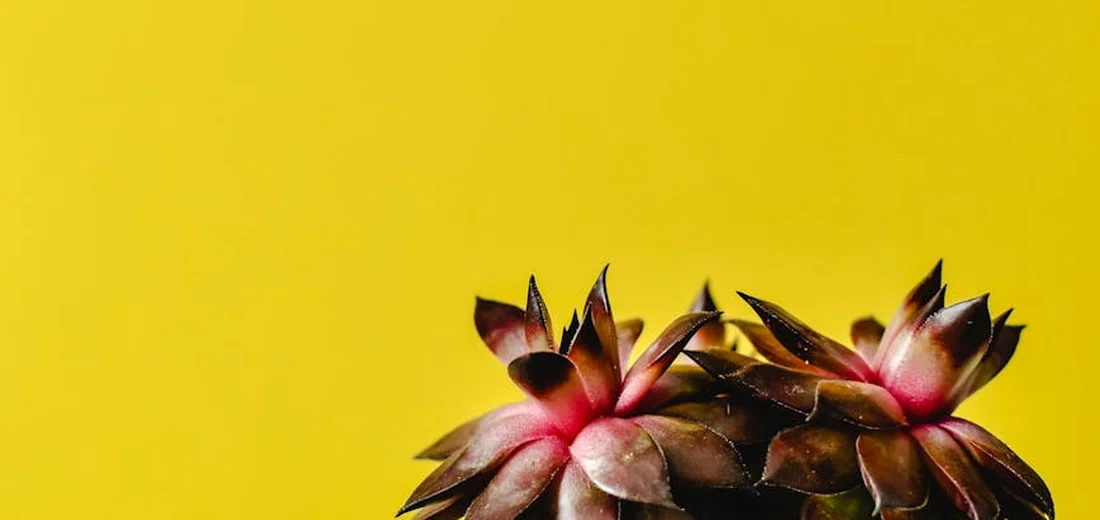
In my years of filling my home with greenery, I’ve learned that some popular succulents and pets just don’t mix. It’s always better to be safe than sorry, so I keep these specific varieties completely out of my pet’s reach. For anyone balancing greenery with a pet-friendly home, essential succulent care guides highlight specific varieties to avoid and offer pet-safe alternatives. Sticking to these care tips helps you enjoy thriving succulents without risking your pets.
- Jade Plant (Crassula ovata): This was one of the first plants I ever owned, but I had to rehome it when I adopted my cat. If ingested, jade plants can cause vomiting, depression, and a loss of coordination in both cats and dogs.
- Aloe Vera: While the gel inside is wonderful for burns, the latex layer just underneath the leaf skin is a strong irritant. I’ve seen it cause lethargy and diarrhea in pets who decide to take a nibble.
- Euphorbias (like the Pencil Cactus): This entire plant family has a milky, white sap that is a serious skin and eye irritant. Ingesting any part of a euphorbia can lead to intense mouth and stomach irritation, resulting in excessive drooling and vomiting.
- Kalanchoe: These pretty flowering succulents contain compounds that are toxic to the heart. Even a small amount can cause vomiting, diarrhea, and in severe cases, abnormal heart rhythms.
- Snake Plant (Sansevieria): A fantastic, low-light plant, but it contains saponins. If your pet chews on it, it can cause nausea, vomiting, and diarrhea.
Smart Placement for a Pet-Safe Home
You don’t have to give up your plant dreams! I’ve perfected a few simple strategies to keep my curious cat and my plants living in harmony. A little strategic placement goes a long way in preventing a midnight snack on your prized echeveria.
- Embrace Vertical Space with Shelves: I’ve installed several floating shelves high up on my walls. This keeps my plants in my line of sight but completely out of my cat’s jumping range. It also creates a beautiful, living wall art display.
- Hang Them High: Macramé hangers and hanging planters are your best friend. I have several suspended from ceiling hooks in bright windows. This method is a foolproof way to add greenery without any pet-related worries.
- Create a Plant Sanctuary Room: If you have a spare room with a door, like a sunny office or bathroom, designate it as a pet-free plant zone. This is where I keep my larger, non-toxic floor plants that I can’t easily lift onto a shelf.
- Use Furniture as a Barrier: Place plants on top of tall, sturdy bookcases or cabinets that your pet can’t easily scale. I have a large bookcase that my cat has never shown interest in climbing, making it the perfect plant perch.
- Employ Deterrents for Outdoor Plants: For patio plants, I sometimes use a light spritz of a bitter apple spray on the pot’s rim (not the plant itself). The unpleasant taste discourages any curious chewing. A quick tip: always test any spray on a small, hidden area first to ensure it doesn’t damage the pot’s finish.
Caring for Your Pet-Safe Succulents
Now that you know which succulents are safe, let’s talk about how to keep them thriving. I’ve found that most pet-safe varieties are wonderfully low-maintenance, but they do have a few simple preferences. Make sure to provide them with proper light and water for the best results.
Light: Their Favorite Sunshine Spot
Most of these succulents love bright, indirect light. A spot near an east or south-facing window is usually perfect, giving them plenty of light without the harsh, direct rays that can cause sunburn. I keep my haworthias and burro’s tails on a shelf that gets morning sun, and they’ve rewarded me with steady, happy growth. That said, different succulents really vary in how much light they need. Some thrive in direct sun, while others prefer bright indirect light.
Watering: The “Soak and Dry” Method
The biggest mistake I see new plant parents make is overwatering. Succulents store water in their leaves, so they prefer a good drink followed by a period of drought. To avoid these common watering mistakes, keep a dry spell between drinks. We’ll cover how to water correctly to prevent root rot and other issues.
- Stick your finger about two inches into the soil.
- If it feels completely dry, it’s time to water.
- Water thoroughly until it runs out of the drainage hole.
- Empty the saucer underneath so the roots aren’t sitting in water.
- Wait until the soil is bone dry again before repeating.
In winter, you might only need to water your succulents once a month or even less. Their leaves will tell you if they’re thirsty-they’ll look a little wrinkled or feel less firm. It’s important to adjust your watering frequency according to the season.
Soil and Pots: The Right Foundation
These plants need soil that drains quickly to prevent root rot. I always use a pre-mixed cactus and succulent potting mix. For an extra boost, you can mix in some perlite or coarse sand. Always choose a pot with a drainage hole; it’s non-negotiable for a healthy plant. Terra cotta pots are my favorite because they’re porous and help the soil dry out faster.
Styling Your Pet-Friendly Displays
Creating a beautiful display with your non-toxic succulents is half the fun! I love grouping a few different varieties together in a wide, shallow bowl. If you’re looking for creative ways to decorate and display succulents in your home, try pairing them with textured pots and varying heights. Wall-mounted frames or terrariums can add visual interest while keeping the plants accessible.
- Combine different textures, like the smooth beads of a string of bananas with the plump, fuzzy leaves of a panda plant.
- Play with height by placing a taller haworthia in the back and letting a burro’s tail cascade over the edge of the pot.
For homes with curious cats, consider placing your arrangements on high shelves or in hanging planters, keeping them out of easy reach. This protects both your pets and your beautiful plants from any unwanted nibbling or playful swats.
FAQs
Where can I buy pet-safe succulents?
You can find them at local nurseries, online plant retailers, or garden centers that specify non-toxic options.
Are these succulents safe for dogs?
Yes, all the recommended varieties like Haworthia and Echeveria are non-toxic and safe for dogs.
Can I grow pet-safe succulents indoors?
Absolutely, most pet-safe succulents adapt well to indoor conditions with adequate light and proper care.
Which pet-safe succulents are best for outdoor gardens?
Sempervivum and certain Sedum species are ideal for outdoor settings due to their durability and cold tolerance.
Are the listed succulents non-toxic to cats?
Yes, varieties such as Burro’s Tail and Christmas Cactus are completely safe and non-toxic for cats.
How do I ensure a succulent is pet-safe when shopping?
Always verify with the seller or check trusted resources like the ASPCA database before making a purchase.
Growing in Harmony
Choosing a pet-safe home simply means selecting from wonderful non-toxic varieties like Haworthia, Echeveria, and Burro’s Tail, and always confirming a plant’s safety before bringing it home. My best advice is to stick with this simple checklist: know your plant’s scientific name, buy from reputable sources, and place even non-toxic plants out of reach to prevent any tummy troubles. This is a natural segue into our pet-safe indoor plants complete guide with protection tips. Stay tuned for practical pet-proofing and safe placement ideas.
For more guides on creating a beautiful, worry-free indoor jungle with your furry friends, be sure to follow along right here. You can absolutely have a lush, vibrant home that is both stunning and completely safe for every member of your family.
Further Reading & Sources
- Pet Safe Succulents for Sale Online | Mountain Crest Gardens
- Toxic vs. Non-Toxic Succulents for Pets – Succulents Box
- Are Succulents Safe to Have Around Pets? | ASPCA
- Pet-Friendly Houseplants & Succulents – Fantastic Gardens
Lena Greenfield is a passionate horticulturist and plant care expert with over 10 years of experience cultivating and nurturing hardy house plants. With a deep understanding of both indoor and outdoor gardening, Lena shares practical advice on choosing, caring for, and maintaining resilient plants that flourish year-round. Through her knowledge and hands-on approach, Lena helps plant lovers transform their spaces into vibrant, green sanctuaries, no matter their gardening experience.
Types of Succulents