
Echeveria Succulent Care: Growing Beautiful Rosette Varieties
Published on: February 6, 2026 | Last Updated: February 6, 2026
Written By: Lena Greenfield
Echeveria succulents captivate with their perfect rosettes, but many gardeners worry about keeping them from stretching or rotting. I’ve grown dozens of Echeveria varieties over the years, and I know that a few simple steps can transform your care routine.
In this guide, I’ll share my hands-on tips for vibrant, compact rosettes, covering light requirements, watering schedules, soil mixes, propagation techniques, and common problem-solving.
Understanding Echeveria and Their Rosette Forms
What Makes Echeveria Unique Among Succulents
What truly sets Echeveria apart in my collection is their stunning symmetry. Their perfectly spiraled rosettes look like living flowers, offering a geometric beauty that few other succulents can match. I find their color range incredible-from pale blue-greens to deep purples and even pinks that intensify with sunlight. Many varieties develop a powdery coating called farina, which acts as a natural sunscreen and gives them that dreamy, matte finish.
Unlike some sprawling succulents, Echeverias tend to grow in a tight, compact form. This tidy growth habit makes them perfect for arrangements and small spaces where you want maximum visual impact. To keep succulents small and healthy, give them bright light and well-draining soil. Water sparingly, letting the soil dry between waterings. I’ve also noticed they’re prolific producers of “chicks”-adorable baby plants that cluster around the mother “hen,” giving you new plants to share or expand your own garden.
Common Traits of Rosette Varieties
While each Echeveria has its own personality, most rosette types share a few key features. Recognizing these has helped me care for them better over the years.
- Symmetrical Growth: Leaves radiate from a central point, creating that classic flower-like shape.
- Leaf Texture: Leaves are typically thick and fleshy, storing water to survive dry periods. Many feel smooth, while some have a slight fuzz.
- Stress Coloring: With the right light exposure, the edges of the leaves often blush with vibrant reds, oranges, or purples. This is a sign of a happy plant, not a problem!
- Low, Compact Stature: They generally stay close to the ground, though some may develop a stem over time.
Quick Tip: Gently brush off any farina that gets on your hands, as this protective coating doesn’t grow back on mature leaves.
Essential Care Requirements for Healthy Echeveria
Ideal Light Conditions for Vibrant Rosettes
Light is the magic ingredient for gorgeous Echeveria. These plants crave bright, direct light for at least 4-6 hours daily to maintain their compact shape and intense colors. A south-facing window is usually perfect. When mine don’t get enough light, they start to “stretch,” with the leaves spacing out-a process called etiolation. It’s their way of reaching for more sun.
If you’re growing indoors and notice stretching, don’t panic. Gradually introduce them to stronger light to avoid sunburn, which shows up as bleached or brown patches on the leaves. I sometimes rotate my pots a quarter-turn each week to ensure every side of the rosette gets even exposure.
Watering Practices to Prevent Rot
Overwatering is the number one killer of Echeveria, and I learned this the hard way with my first plant. The golden rule is to always let the soil dry out completely between waterings. I stick my finger an inch into the soil; if it feels dry, it’s time to water. In winter, I sometimes go 3-4 weeks between waterings.
When you do water, do it thoroughly. Soak the soil until water runs out of the drainage holes, then let all excess water drain away completely. I never let my Echeverias sit in a saucer of water. Water directly onto the soil, avoiding the rosette itself, as trapped moisture in the center can lead to rot.
Choosing the Right Soil and Potting Mix
Echeverias need fast-draining soil more than almost any other houseplant I grow. Regular potting soil holds too much moisture and will suffocate their roots, leading to rot. I always use a specialized cactus and succulent mix, often amending it with perlite or coarse sand for extra drainage.
The pot matters just as much as the soil. Always choose a container with a drainage hole—this is non-negotiable for healthy roots. Terra cotta pots are my favorite because the porous clay helps soil dry faster. When repotting, I gently loosen the root ball and place the plant so the base of the rosette sits just above the soil line. Also, pick a pot only slightly larger than the root ball to give roots space to grow without holding excess moisture.
Temperature and Humidity Preferences
Echeverias enjoy the same comfortable temperatures that most people do. They thrive in daytime temperatures between 65-80°F and can handle slightly cooler nights. What they can’t handle is frost. I always bring mine indoors when temperatures drop below 50°F. A light frost can damage their fleshy leaves almost instantly.
When it comes to humidity, less is more. Average household humidity is perfect – high humidity encourages fungal issues and rot. I avoid placing mine in bathrooms or kitchens where steam accumulates. Controlling humidity is key to healthy indoor plants. Monitor levels with a simple hygrometer and adjust as needed. Good air circulation around the plants helps prevent moisture from settling on the leaves.
Quick Tip: If your home gets very dry in winter, group your succulents together—they create their own slightly more humid microclimate. Succulents have specific temperature and humidity needs for healthy growth—aim for steady warmth and moderate humidity. Grouping helps stabilize those conditions for healthier plants.
Step-by-Step Guide to Growing Echeveria Indoors
Step 1: Selecting Your Echeveria Variety
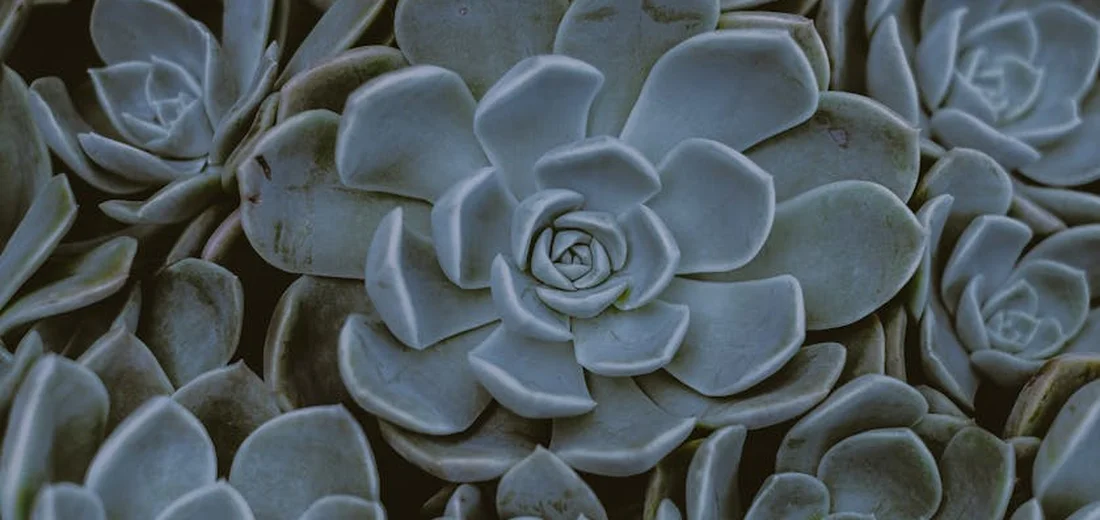
Choosing your first Echeveria feels like picking a pet-you want one that matches your lifestyle. I always recommend beginners start with Echeveria ‘Lola’ or Echeveria ‘Perle von Nurnberg’ because they are forgiving and widely available. For a pop of color, look for Echeveria ‘Afterglow’ with its pink edges, or the deep, moody tones of Echeveria ‘Black Prince’. Run your fingers over the leaves; they should feel firm and tightly packed, not loose or squishy.
Step 2: Potting and Repotting for Success
The right pot is your Echeveria’s best friend. I learned this the hard way when a beautiful glazed pot without a drain hole led to a rotted plant. Your pot must have a drainage hole and be made of a breathable material like terracotta or concrete. Use a gritty, fast-draining cactus and succulent mix. When repotting, which I do every two years, gently tease the old soil from the roots and place it in its new home at the same depth it was growing before.
Quick Tip: Water your Echeveria lightly a day before repotting. This makes the roots more flexible and less prone to breaking. After repotting, wait a few days before watering to let the roots re-establish. Then water sparingly, only when the soil is dry.
Step 3: Finding the Perfect Spot
Light is the secret ingredient for those gorgeous, compact rosettes. An east or south-facing window is the prime real estate for an indoor Echeveria, providing the bright, direct light it craves. If your plant starts stretching out, a condition called etiolation, it’s begging for more sun. I use a simple grow light during our dark Pacific Northwest winters to keep my collection happy and colorful. Avoid hot, afternoon sun through a west-facing window, as it can scorch the delicate farina coating on the leaves.
Step 4: Establishing a Watering Routine
Forget watering on a schedule. I killed my first succulent by giving it a sip every Sunday. The only rule you need is the “soak and dry” method: drench the soil completely, then wait until it is bone dry before watering again. To test, stick your finger an inch into the soil—if it’s dry, it’s time. In the winter, your plant is semi-dormant and might only need water once a month. Always water the soil, not the rosette, to prevent rot. If you’re wondering how often you should water succulents, our complete guide has you covered. It explains watering frequency by climate, season, and plant type.
Propagating Echeveria for More Plants
Method 1: Leaf Cuttings
This is my favorite way to multiply my collection. Gently twist a healthy, plump leaf from the stem, ensuring you get a clean break with no part left on the stem. Lay the leaves on dry soil in a bright spot (but out of direct sun) and forget about them. Seriously, no watering! In a few weeks, you’ll see tiny pink roots and a miniature rosette. Only then do you mist the soil lightly.
Method 2: Separating Offsets
Many Echeverias, like the prolific Echeveria ‘Blue Bird’, produce little clones called “chicks” or “pups” around their base. When the offset is about one-third the size of the mother plant, you can carefully separate it with a clean, sharp knife. I let the cut end callous over for a day or two before potting it in its own small container. This method gives you a mature-looking plant much faster than starting from a leaf.
Method 3: Stem Cuttings for Leggy Plants
If your Echeveria has gotten tall and leggy, don’t despair-you can give it a fresh start. Use sterile shears to behead the plant, leaving a few inches of stem and a beautiful rosette on top. Let both the cutting and the original stem dry out for several days until the cut end forms a callus. Then, plant the rosette cutting, and new growth will eventually sprout from the old stem left in the pot. It’s like getting two plants from one!
Troubleshooting Common Echeveria Issues
Identifying and Fixing Overwatering and Rot
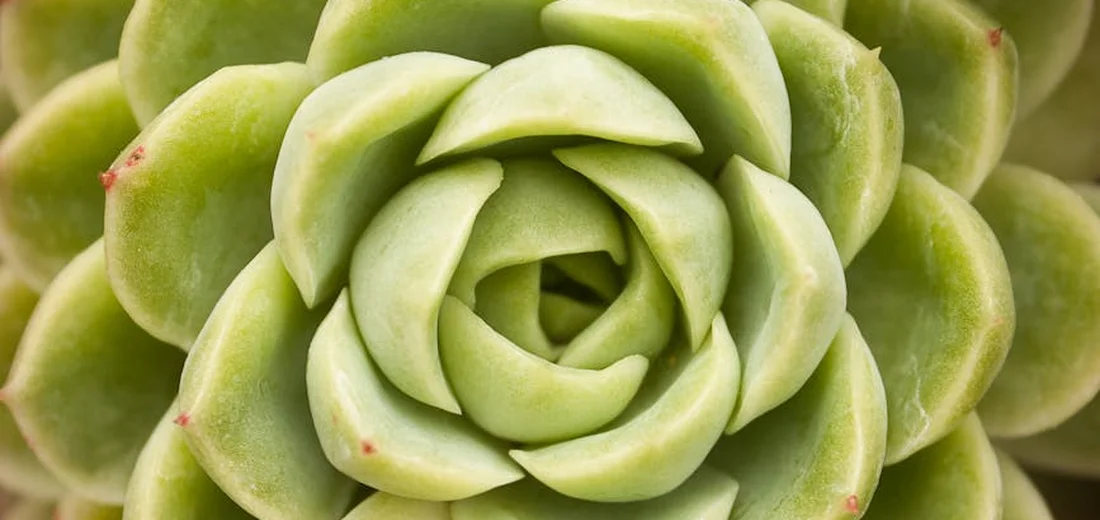
I’ve learned the hard way that overwatering is the fastest way to lose an Echeveria. The first sign is often a leaf that feels soft, mushy, and translucent, almost like a water balloon. If the stem near the soil feels soft or looks black, you need to act immediately to save the plant. Gently remove the plant from its pot and inspect the roots-healthy ones are firm and white or light tan, while rotten roots are dark, slimy, and fall apart.
If you find rot, use a clean, sharp knife to cut away every bit of the mushy stem and roots until you only see healthy tissue. Let the plant sit out in a shady, airy spot for a few days until the cut end forms a firm callus. Then, you can replant it in fresh, dry succulent mix and wait a week before giving it a tiny sip of water. Learn more about treating root rot.
Quick Tip: Stick a wooden toothpick deep into the soil; if it comes out clean, it’s time to water.
Dealing with Pests Like Mealybugs
Finding a fluffy white cotton-like substance in the leaf crevices of your Echeveria means you’ve got mealybugs. I check my plants weekly because these pests multiply quickly. They suck the sap right out of the leaves, leaving them weak and discolored. My go-to weapon is a simple cotton swab dipped in isopropyl (rubbing) alcohol. Dab it directly onto every bug and white patch you see.
For a larger infestation, mix one part 70% isopropyl alcohol with three parts water in a spray bottle and thoroughly mist the entire plant, getting into every nook of the rosette. Always treat your plant in the evening or move it out of direct sun after spraying to prevent leaf burn. You’ll likely need to repeat this treatment every 5-7 days for a couple of weeks to catch any newly hatched bugs.
Addressing Sunburn and Etiolation
Echeverias tell you a lot with their shape and color. Sunburn shows up as flat, crispy, brown or white scars on the leaves, usually on the side facing the sun. This damage is permanent, but the plant will eventually grow out of it if you provide some shade during the hottest part of the day. A sunburned leaf won’t recover, but it’s a clear signal to adjust your plant’s light exposure.
Etiolation is the opposite problem-it’s when the plant stretches out, with a long stem and widely spaced leaves, as it desperately reaches for more light. The rosette loses its tight, compact form. If this happens, you can behead your Echeveria. Cut the top rosette off, let it callus, and replant it. Give the new plant much brighter light to prevent it from stretching again. The old stem will often produce new baby rosettes, giving you more plants!
Seasonal Care Through Growth and Dormancy
Spring and Summer Active Growth
This is when your Echeveria is happiest and putting on most of its growth. I increase my watering frequency, but I still always wait for the soil to be completely dry before giving it a good, deep soak. I like to water mine in the morning during the growing season so any splashes on the leaves can dry quickly in the sun. This is also the perfect time to fertilize. I use a diluted, balanced liquid fertilizer made for succulents, but only once a month at most. Over-fertilizing can cause weak, leggy growth.
Your plant can handle more direct sun now, but be careful not to move it from a shady spot directly into blazing afternoon sun-acclimate it gradually over a week or two to prevent shock and sunburn.
Fall and Winter Dormancy Management
As the days get shorter and cooler, your Echeveria will slow its growth significantly. This is its natural rest period. The most critical change is to drastically reduce watering. In winter, I sometimes go 4-6 weeks or more between waterings, depending on how warm and sunny my house is. The goal is to just give it enough water to prevent the roots from completely drying out and dying.
Stop fertilizing entirely during this time. Your plant isn’t growing and won’t use the nutrients, which can instead build up and harm the roots. If you’re using a grow light, you can keep it on for about 10-12 hours a day to supplement the weak winter sun. Keep your Echeveria away from cold drafts near windows and heating vents that blast dry air, as both can stress the plant.
Popular Echeveria Varieties and Their Care Nuances
Echeveria Lola: Delicate and Compact
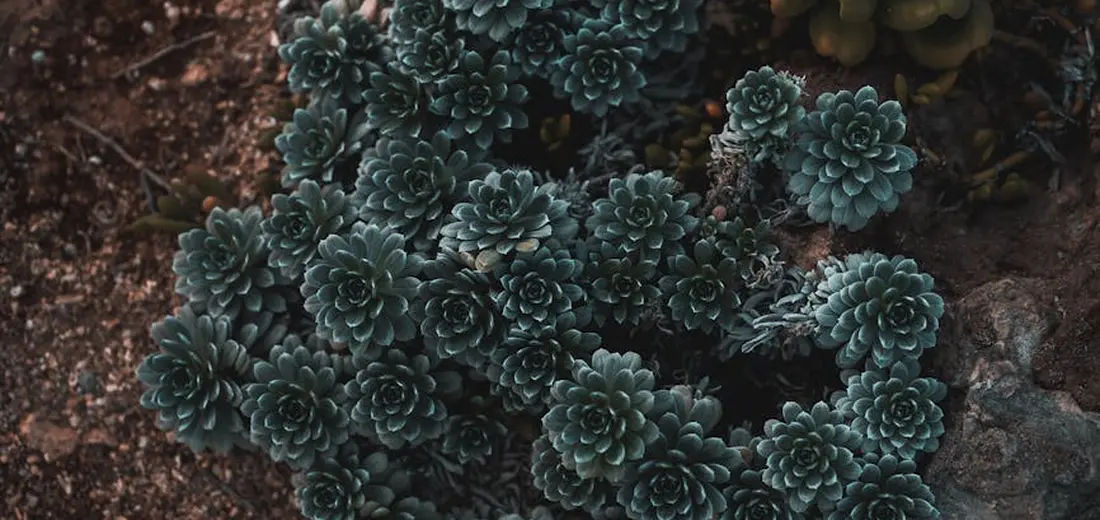
Echeveria Lola is one of my all-time favorites for its pearlescent, lavender-tinged leaves that form a perfect, tight rosette. I find its compact, almost sculptural shape makes it ideal for small spaces like office desks or narrow windowsills. The key to keeping Lola happy is providing very bright, indirect light; too much harsh, direct sun can actually scorch its delicate, powdery coating, called farina.
In my experience, Lola is a bit more sensitive to overwatering than some other echeverias. Always wait until the soil is completely dry and the lower leaves feel just slightly soft before giving it a thorough drink. I’ve had great success using a gritty cactus mix and a terra cotta pot, which helps excess moisture evaporate quickly and prevents root rot.
Echeveria Black Prince: Dark and Dramatic
If you want a succulent that makes a bold statement, Echeveria Black Prince is your plant. Its deep, almost blackish-purple rosettes are a stunning contrast to greener plants in a collection. To achieve that intense dark coloring, this variety needs a generous dose of direct sunlight for at least four to six hours a day. I keep mine on a south-facing windowsill, and the color just gets richer and more dramatic throughout the summer—much like other heat-tolerant succulents that thrive in full sun.
One quirk I’ve noticed with Black Prince is that it’s what’s known as a “monocarpic” echeveria. This means the main rosette will flower beautifully, send out plenty of baby offsets (chicks), and then eventually die after blooming. Don’t panic when this happens! The plant lives on through all its offspring, so you’ll never truly lose it.
Other Notable Rosette Cultivars
Beyond Lola and Black Prince, the echeveria world is full of incredible variety. Here are a few other cultivars I love growing:
- Echeveria ‘Perle von Nürnberg’: This is the classic, with dusty pink and purple leaves. It’s a fast grower and propagates easily from leaves.
- Echeveria ‘Topsy Turvy’: Its leaves curve upwards and inwards, giving it a unique, sculptural look. It’s very hardy and great for beginners.
- Echeveria ‘Dusty Rose’: A real showstopper with large, powdery lilac rosettes. It needs protection from rain to preserve its beautiful farina.
- Echeveria agavoides: Has pointed, apple-green leaves with red tips, resembling an agave plant. It’s very sun-tolerant and stays relatively compact.
Quick Tip: Group different echeveria varieties together in a shallow bowl for a stunning, low-maintenance living centerpiece.
Advanced Tips for Enhancing Echeveria Beauty
Styling with Echeveria in Home Decor
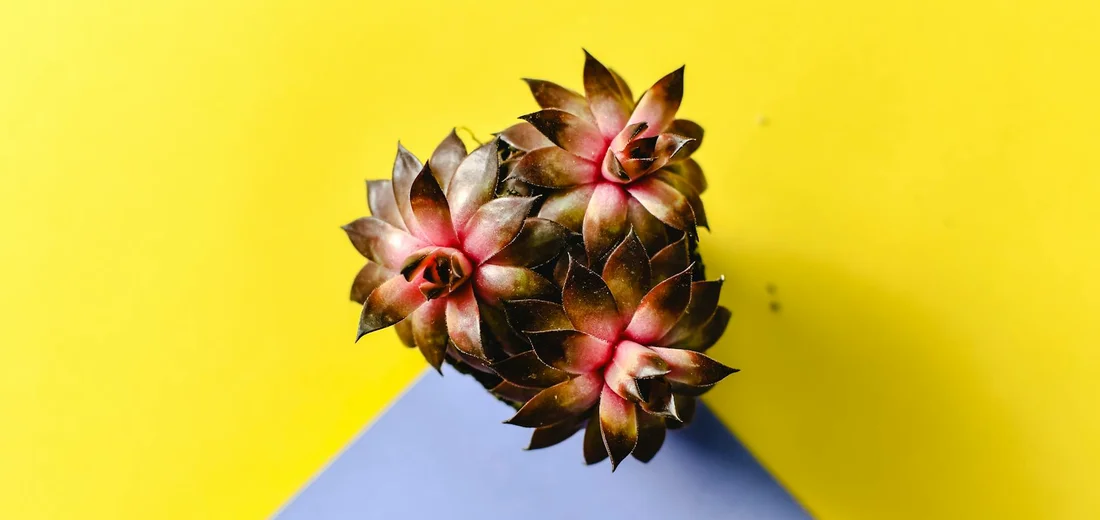
Echeverias are more than just plants; they’re living decor. I love using them to add a touch of natural artistry to any room. Their symmetrical shape makes them perfect for creating pleasing arrangements, especially when you play with contrasting colors and textures. Try pairing a pale Echeveria Lola with the dark foliage of a Black Prince for a dramatic effect.
Don’t be afraid to get creative with containers. I’ve planted single, perfect rosettes in everything from vintage teacups to geometric concrete pots, and the result is always stunning. Just remember, if your chosen container doesn’t have a drainage hole, be extra cautious with watering. You can use it as a cachepot by placing a plastic nursery pot inside that you can remove for watering.
Encouraging Blooms in Mature Plants
There’s nothing quite like seeing an echeveria send up a tall, arching flower stalk covered in bell-shaped blossoms. To encourage this show, your plant needs to feel a slight change in seasons. Mimicking a natural winter dormancy period is the single most effective way to trigger flowering in spring.
Here is my simple process for encouraging blooms on mature, healthy plants:
- As daylight hours shorten in the fall, gradually reduce watering frequency.
- Move the plant to a slightly cooler spot (around 50-55°F / 10-13°C) for about 6-8 weeks, like a cooler room in your house.
- Ensure it still gets plenty of bright light during this “cool rest” period.
- When you see a flower stalk emerging in late winter or early spring, resume your normal watering and feeding schedule with a diluted, low-nitrogen fertilizer.
Once the spectacular bloom is finished, you can simply snip the spent flower stalk off at the base to keep your plant looking tidy. The main rosette will continue growing, often producing new offsets around its base.
FAQs
How often should I water my Echeveria succulent?
Water your Echeveria only when the soil is completely dry, then soak it thoroughly and let all excess water drain away.
Why is my indoor Echeveria stretching and losing its shape?
Your Echeveria is stretching due to insufficient light, so move it to a brighter location or supplement with a grow light.
What is the best way to care for Echeveria in the UK climate?
In the UK, provide maximum light through a south-facing window and water very sparingly, especially during cloudy winter months.
How do I care for an Echeveria Lola differently from other types?
Echeveria Lola requires protection from harsh direct sun to prevent scorching its delicate, powdery coating.
What should I do if my Echeveria becomes leggy?
If your Echeveria becomes leggy, you can behead the top rosette, let the cut end callous, and then replant it.
When should I separate the offsets from my main Echeveria plant?
Separate Echeveria offsets when they are about one-third the size of the mother plant using a clean, sharp knife.
Your Echeveria Success Story Starts Here
From my years of growing succulents, I’ve learned that keeping Echeverias vibrant boils down to nailing their simple care routine—proper watering, ideal light, and the right soil make all the difference. Color can shift with the seasons and sun exposure, but steady care helps you maintain vibrant colors. Little tweaks in light and water can bring out deeper hues while keeping them healthy. Stick to these core habits, and you’ll watch those rosettes stay tight and colorful season after season.
- Water only when the soil is bone-dry to avoid root rot.
- Give them bright, indirect sunlight for about 6 hours daily.
- Use a gritty, well-draining cactus mix for happy roots.
For ongoing tips and plant inspiration, I invite you to explore more at Hardy House Plants (www.hardyhouseplants.com). Trust me, with a little patience and these basics, your Echeveria will thrive and bring you joy-you’ve totally got this!
Further Reading & Sources
- Echeveria | How To Care For Echeveria
- r/succulents on Reddit: Echeveria care advice for a newbie?
- How to Grow Echeveria (Succulent Tips)
- How To Plant, Grow, and Care for Echeveria | Lula’s Garden
Lena Greenfield is a passionate horticulturist and plant care expert with over 10 years of experience cultivating and nurturing hardy house plants. With a deep understanding of both indoor and outdoor gardening, Lena shares practical advice on choosing, caring for, and maintaining resilient plants that flourish year-round. Through her knowledge and hands-on approach, Lena helps plant lovers transform their spaces into vibrant, green sanctuaries, no matter their gardening experience.
Types of Succulents