
Snake Plant Care Guide: Light, Water, and Soil for Every Type
Published on: January 22, 2026 | Last Updated: January 22, 2026
Written By: Lena Greenfield
If you’re unsure how to care for your snake plant, you might be worried about giving it too much water or not enough light. I’ve seen many plant lovers struggle with this, but with a few simple tips, your snake plant can thrive for years.
Based on my experience growing dozens of snake plant varieties, I’ll explain light needs, watering routines, and soil choices to help you keep yours healthy and strong.
Meet the Snake Plant Family
Over the years, I’ve collected quite a few snake plant varieties, and each one has its own quirky personality. Getting to know the different types is the first step to giving them the perfect care. Here are some of the most common ones you’ll likely encounter.
- Sansevieria trifasciata (Mother-in-Law’s Tongue): This is the classic. It has tall, stiff, sword-like leaves with gorgeous green and silver-gray horizontal stripes. It’s the workhorse of the snake plant world and incredibly forgiving.
- Sansevieria cylindrica (Cylindrical Snake Plant): This one looks completely different with its smooth, round, spear-like leaves that grow in a fan shape. I love the modern, architectural vibe it adds to a room.
- Sansevieria moonshine: A real stunner with wide, silvery-light green leaves. It brightens up a dark corner like nothing else, but I’ve found its leaves can be a bit more prone to marks if you water from above.
- Sansevieria hahnii (Bird’s Nest Snake Plant): This is a shorter, rosette-forming variety. It’s perfect for a small shelf or table and stays much more compact than its taller cousins.
- Sansevieria laurentii (Variegated Snake Plant): You’ll recognize this one by its striking green leaves edged in a bright, creamy yellow. It’s probably the most popular variety, and for good reason-it’s dramatic and easy-going.
Finding the Perfect Light for Your Snake Plant
Light is like food for your plants, and getting it right makes all the difference. The beautiful thing about snake plants is their incredible adaptability to various light conditions. I’ve successfully kept them in everything from a dim north-facing bathroom to a bright, sunny southern window. Some snake plant varieties are particularly forgiving in very low light. For example, the classic Sansevieria trifasciata ‘Laurentii’ or the compact ‘Hahnii’ forms tend to hold up well in dim corners, even if their color may not be as vibrant.
As a general rule, most snake plants are happiest in bright, indirect light. Think of a spot a few feet back from a sunny window. The light is plentiful but not harsh enough to scorch their leaves. They can absolutely survive in lower light, but their growth will slow down significantly, and the vibrant colors on variegated types may fade. Snake plants have flexible light requirements rather than a strict rule. They do best in bright indirect light, but they will tolerate lower light with slower growth and less vibrant color. For more information, you can check the light requirements for snake plants. If you only have a low-light spot, just water much less frequently.
Snake Plant Types and Their Light Preferences
While all snake plants are tough, some have specific preferences I’ve noticed in my own collection.
- For Variegated Types (like Laurentii): These guys need a bit more light to maintain their bright yellow or white edges. I keep my Laurentii in a spot with medium to bright indirect light. In lower light, the variegation can slowly revert to solid green.
- For Deeper Green Types (like Zeylanica): These are the true low-light champions. Their darker leaves are packed with chlorophyll, making them super efficient at photosynthesis even in dim corners. They are practically made for that tricky bookshelf far from a window.
- For Pale or Silvery Types (like Moonshine): Be a little more careful with these. Their lighter leaves are more sensitive to intense, direct sun, which can easily cause brown, scorched spots. Bright indirect light is their sweet spot.
- For Cylindrical Types: My cylindrical snake plant thrives in very bright light and can even handle some direct sun. I’ve found it grows much tighter and more upright when it gets plenty of light.
Quick Tip: Rotate your plant a quarter turn every time you water it. This simple habit ensures all sides get even light, preventing it from leaning awkwardly toward the window.
Watch your plant for clues. If the leaves are stretching out and becoming floppy, it’s begging for more light. If you see bleached or crispy brown spots, it’s getting too much direct sun. Brown tips can also warn of under- or over-watering, or dry indoor air. Knowing why leaves turn brown helps you prevent it. Your snake plant will tell you what it needs; you just have to learn its language.
Mastering the Art of Watering Snake Plants
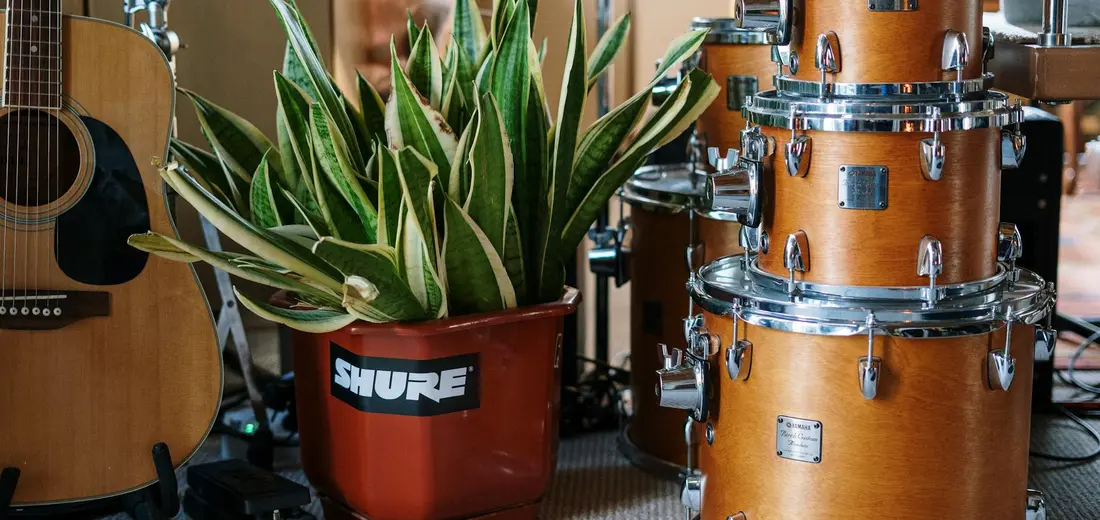
Overwatering is the number one way to kill a snake plant, but I learned this the hard way with my first one. The golden rule is to treat them like a cactus: they thrive on neglect and love to dry out completely between drinks. I’ve found that a consistent, mindful approach prevents the dreaded mushy leaves.
My Step-by-Step Watering Check
This is the exact routine I follow for all my snake plants, from the common Laurentii to the cylindrical Boncel. It hasn’t failed me yet.
- Check the Soil with Your Finger. Push your finger about two inches into the soil. If you feel any moisture or coolness at your fingertip, walk away from the watering can.
- Lift the Pot. Get familiar with how the pot feels when the soil is bone dry. A light pot is a thirsty pot. This is my favorite quick-check method for larger plants.
- Water Deeply and Thoroughly. When it’s finally time, take your plant to the sink or use a watering can with a long spout. Pour water evenly over the soil until it runs freely out of the drainage holes. This encourages deep root growth.
- Let it Drain Completely. Never let your plant sit in a saucer of water. I leave mine in the sink for about 30 minutes to let all the excess water drain away before putting it back in its decorative pot.
In my sunniest spot, a plant might need water every 3-4 weeks. In a low-light corner, I’ve gone a full two months without watering, and the plant was perfectly happy. Always let the plant’s condition and the soil-not the calendar-tell you when it’s time.
Crafting the Ideal Soil Mix
Snake plants store water in their thick leaves and rhizomes, so their roots absolutely despise soggy, dense soil. In our complete guide on using succulent soil for snake plants, you’ll learn how to pick a mix that drains quickly. The right soil mix is your best defense against root rot and ensures your plant has a healthy, breathable foundation. A standard bag of potting soil straight from the garden center is often too moisture-retentive on its own.
Two Simple Soil Recipes I Use
I mix my own soil for all my snake plants because it gives me complete control. Here are my two go-to blends, from a simple starter recipe to my premium mix.
Recipe 1: The Simple Starter Mix
This is a fantastic, no-fuss blend perfect for beginners or if you’re repotting a common variety.
- 2 parts All-Purpose Potting Soil
- 1 part Coarse Sand or Fine Grit
- 1 part Perlite
Mix these three ingredients in a large bucket until they are evenly distributed. The sand and perlite create instant air pockets and dramatically improve drainage, preventing water from pooling around the roots.
Recipe 2: My Premium Aeration Mix
I use this for my more rare or sensitive varieties, like the ‘Moonshine’ or ‘Whitney’, to give them the absolute best environment.
- 1 part Cactus & Succulent Potting Mix
- 1 part Perlite
- 1 part Orchid Bark (or Coconut Chips)
- A handful of Horticultural Charcoal (optional, but great for filtering impurities)
The orchid bark is the star here, creating chunky air gaps that mimic the well-draining conditions these plants crave in the wild. When you pour water into this mix, it flows through almost immediately, which is exactly what you want to see.
Supporting Growth with Temperature and Humidity
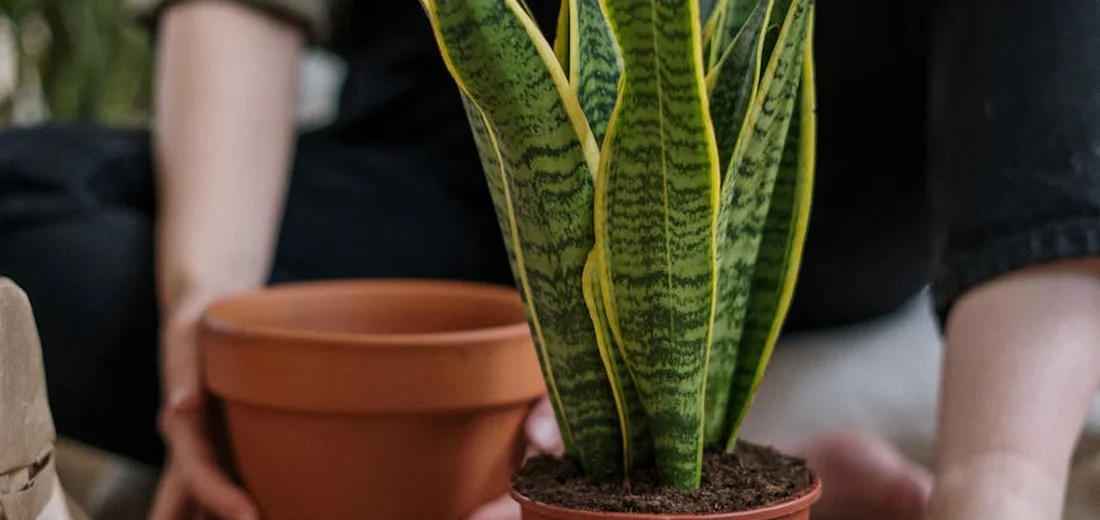
Snake plants are famously tough, but they do have preferences for comfort, just like us. I’ve found the sweet spot for temperature is between 70°F and 90°F (21°C and 32°C), which makes them perfect for typical indoor living spaces. They can handle a bit of chill, but you should never let them sit in a spot that drops below 50°F (10°C), as cold drafts from windows or doors can cause permanent damage to their leaves. For a complete indoor snake plant care guide from placement to maintenance, check out the full guide. It covers placement, watering, lighting, and seasonal tips.
When it comes to humidity, these plants are incredibly low-maintenance. Your average home humidity is absolutely perfect for them; they don’t require any special misting or humidifiers. In fact, high humidity can sometimes be a problem, encouraging fungal issues, so a dry environment is often better than a steamy one. I keep mine in my living room and bedroom with no issues, even when the heater is on in the winter.
Simple Maintenance for Thriving Plants
When and How to Repot Your Snake Plant
Snake plants actually love being a little bit root-bound, so you don’t need to repot them often. I typically only repot mine every three to five years, or when I see clear signs it’s necessary. The biggest clue is roots starting to bulge out of the drainage holes or even cracking a plastic nursery pot. You might also notice that the plant has stopped putting out new growth entirely, which is its way of saying it’s out of room. Put differently, repotting should be guided by signs and timing, not just a calendar. If you do see roots bulging or cracking the pot, it’s a clear cue to when to repot snake plant, even if it hasn’t reached the three to five-year guideline.
When it’s time, choose a new pot that is only 1 to 2 inches wider in diameter than the old one. A pot that’s too large will hold excess moisture around the roots, which is the main cause of root rot. Always select a pot with at least one drainage hole-this is non-negotiable for a healthy snake plant. Terra cotta pots are a fantastic choice because they are porous and help the soil dry out more evenly.
Here is my simple, step-by-step process for a successful repotting:
- Gently remove the plant from its current pot. You may need to tap the sides or run a knife around the edge to loosen it.
- Inspect the root ball. Use your fingers to carefully tease apart any tightly wound roots.
- Place a layer of fresh, well-draining succulent or cactus mix in the bottom of the new pot.
- Position the snake plant in the center and fill in around the sides with more soil, firming it gently.
- Wait about a week before giving it the first watering to allow any disturbed roots to heal.
Repotting is also the perfect time for propagation. If your plant has produced “pups” or offshoots, you can gently separate them from the mother plant and pot them up individually to grow your collection. I’ve given away many baby snake plants to friends this way, and it’s incredibly rewarding to see a new plant thrive from one you’ve cared for. You can also propagate from leaf cuttings or let pups root in water before potting. Water propagation is simple: place the cutting or pup in a jar of water until roots appear, then transfer to soil.
Solving Common Snake Plant Problems
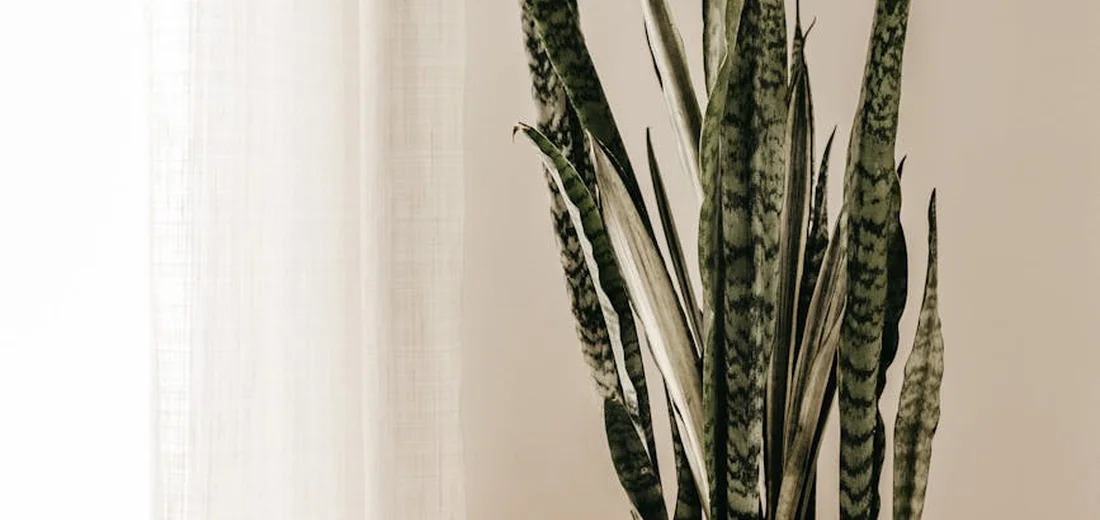
Even the toughest plants have their off days, and I’ve seen my fair share of snake plant dramas over the years. Most issues are easy to fix once you know what to look for, and your plant will usually bounce back with incredible resilience.
Yellowing or Mushy Leaves
This is the number one issue I encounter, and it almost always points to one thing. If your snake plant’s leaves are turning yellow or feeling soft, you are almost certainly giving it too much love in the form of water. I learned this the hard way with my first Laurentii, which I nearly drowned with kindness.
Here is my immediate action plan:
- Stop watering immediately and pull the plant from its pot.
- Inspect the roots for rot-healthy roots are firm and orange-ish, while rotten ones are mushy and brown or black.
- Use clean scissors to cut away every single rotten root and any mushy leaves.
- Repot the plant into fresh, dry succulent soil and do not water for at least a week to let the roots heal.
Wrinkled or Curling Leaves
When leaves start to look puckered or fold inwards, your plant is getting thirsty. Wrinkled leaves are your snake plant’s direct way of telling you it has used up all the water stored in its thick leaves. I see this most often in the summer when my whale fin sansevieria sits in a hot, sunny spot.
The fix is simple but important:
- Give the plant a thorough, deep watering until water runs freely from the drainage hole.
- Allow the pot to drain completely-never let it sit in a saucer of water.
- The leaves should plump back up within a day or two as they rehydrate.
Brown Tips on Leaves
Brown, crispy leaf tips can be frustrating because they don’t always point to a single cause. In my experience, brown tips are usually a sign of inconsistent watering, low humidity, or a buildup of minerals and salts from tap water. My cylindrical snake plant was particularly fussy about this.
Try these solutions to prevent further browning:
- Water with filtered or distilled water if your tap water is very hard.
- Use a humidifier nearby or place your plant on a pebble tray with water to increase moisture in the air.
- Snip the brown tips off with clean scissors, following the natural V-shape of the leaf to make it less noticeable.
Leaves Falling Over or Drooping
A snake plant that can’t hold itself up is a sad sight. When leaves flop over, it’s often due to a combination of overwatering weakening the roots and insufficient light causing the plant to grow weak and leggy. I had a moonshine snake plant do this once after a dark, rainy winter.
To help your plant stand tall again:
- Check for root rot and treat it as described above if needed.
- Move the plant to a brighter location with indirect light to encourage stronger growth.
- You can stake a leaning leaf temporarily with a small bamboo stick until it regains its strength.
Pests: Mealybugs and Spider Mites
While generally pest-resistant, snake plants can occasionally host uninvited guests. I’ve found that mealybugs, which look like tiny bits of white fluff, are the most common culprit, especially in the tight crevices where leaves meet.
My go-to method for pest control is simple and effective:
- Dip a cotton swab in rubbing alcohol and dab it directly on any visible bugs.
- For a larger infestation, wipe down every leaf with a soft cloth dipped in a solution of mild soap and water.
- Isolate the affected plant from your other houseplants until you’re sure the pests are gone.
FAQs
Can snake plants survive in low light conditions indoors?
Yes, snake plants can tolerate low light indoors, but they grow best in bright, indirect light.
How often should I water my snake plant?
Water your snake plant only when the soil is completely dry, typically every few weeks depending on light and temperature. This is part of our complete guide on how often to water snake plants indoors, along with other essential indoor care tips.
Is it possible to grow snake plants outdoors?
Snake plants can be grown outdoors in warm, frost-free climates with well-draining soil and partial shade.
What is the ideal temperature range for snake plants?
Snake plants thrive in temperatures between 70°F and 90°F (21°C and 32°C) and should not be exposed to below 50°F (10°C). This temperature tolerance makes them well-suited for typical indoor conditions. Keep them away from cold drafts or direct heat to stay within that range.
How should I adjust snake plant care in winter?
In winter, reduce watering frequency significantly and protect the plant from cold drafts to prevent damage.
Do snake plants need fertilizer?
Snake plants benefit from occasional fertilizing during the growing season, but they do not require it frequently. For best results, fertilize during the active growing period with a diluted fertilizer every 4-6 weeks. Avoid feeding in fall and winter.
Your Snake Plant Care Journey Starts Here
From my experience with various snake plant types, I’ve learned that thriving plants come from customizing light, water, and soil to each one’s preferences.
- Tailor light exposure-some varieties need bright indirect light, while others handle low light well.
- Water only when the soil is dry to the touch to prevent overwatering issues.
- Choose a fast-draining soil mix to keep roots healthy and avoid rot.
For ongoing support, bookmark Hardy House Plants at www.hardyhouseplants.com to access more plant care insights, and take heart-snake plants are forgiving and will reward your efforts with steady growth.
Further Reading & Sources
- Best tips for snake plant care
- Snake Plant Care Guide
- How to Care for a Snake Plant: The Complete Survival Guide
- Snake Plant Care Guide – The Turquoise Home
Lena Greenfield is a passionate horticulturist and plant care expert with over 10 years of experience cultivating and nurturing hardy house plants. With a deep understanding of both indoor and outdoor gardening, Lena shares practical advice on choosing, caring for, and maintaining resilient plants that flourish year-round. Through her knowledge and hands-on approach, Lena helps plant lovers transform their spaces into vibrant, green sanctuaries, no matter their gardening experience.
Types of Succulents