
Zebra Plant Succulent Care: Growing Haworthia Successfully
Published on: January 25, 2026 | Last Updated: January 25, 2026
Written By: Lena Greenfield
That striking zebra plant on your shelf looks incredible, but are you worried you might accidentally kill it with too much love? You’re not alone-many new plant parents find themselves second-guessing their care for these uniquely patterned succulents.
I’ve grown these resilient little plants for years, and I’m here to show you just how simple it is to keep them thriving. In this guide, we’ll cover proper watering techniques, ideal light conditions, the best soil mix, how to handle common problems, and simple propagation methods.
Understanding Your Zebra Haworthia
When I first got my Zebra Haworthia, I was struck by its architectural form. It’s not a sprawling, vine-like plant; it’s a composed little sculpture. This tidy, clumping growth habit is one of its best features for small spaces. It grows slowly and deliberately, forming neat rosettes that multiply over time to create a fuller pot.
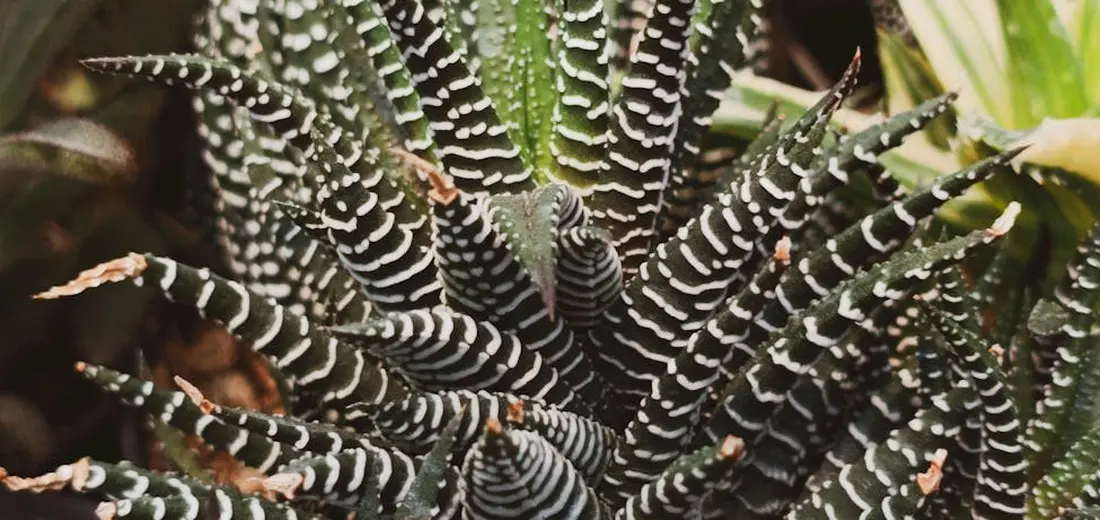
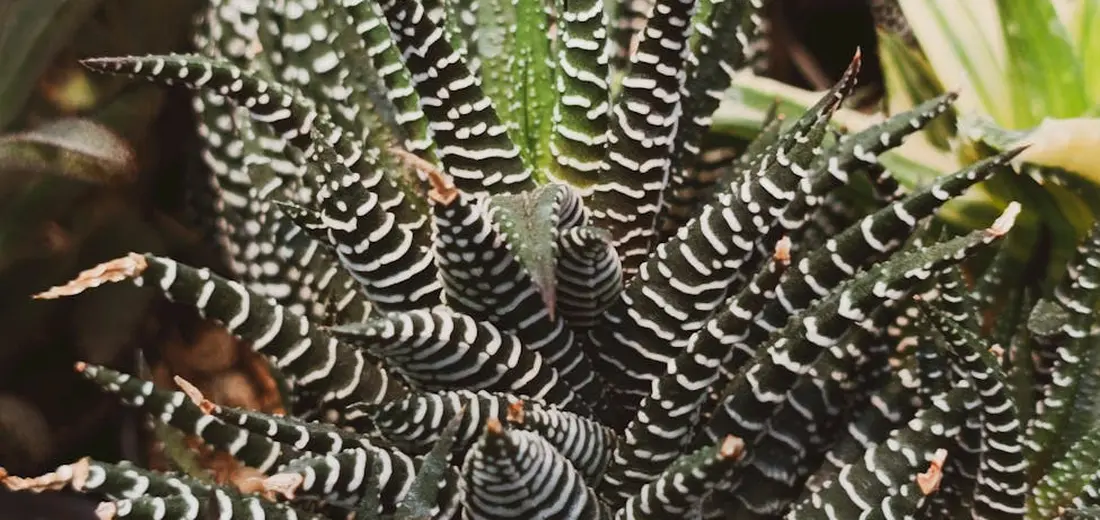
Those famous white stripes aren’t just for show. They’re called tubercles, and they’re actually translucent windows. These clever windows allow light to penetrate deep into the leaf’s core, a genius adaptation for surviving in shady, rocky crevices in its native South Africa. This is a huge clue about the kind of light this plant truly craves.
Its leaves are plump and firm, storing all the water it needs. A healthy Haworthia should feel solid, like a well-stuffed pillow. Gently squeeze a leaf; if it feels hard, your watering schedule is on point. If it feels soft or squishy, that’s your plant’s way of telling you it’s thirsty or, conversely, that it’s had too much to drink and the roots are struggling.
Finding the Perfect Light for Your Haworthia
This is where most people, including my past self, get tripped up. We see “succulent” and think “blazing, direct sun.” For Haworthias, that’s a recipe for a sunburned plant. Think of bright, indirect light as the sweet spot-like the light under a tree canopy. A north or east-facing windowsill is often absolutely perfect.
I keep mine about a foot back from a large east-facing window. It gets a few hours of gentle morning sun and bright light for the rest of the day. This placement has given me the most vibrant stripe definition without any risk of scorching. The leaves will tell you everything you need to know about their light situation.
- Happy & Healthy: Leaves are a deep, rich green with bright, crisp white stripes. The plant maintains its compact, upright shape.
- Too Much Light: Leaves start to turn red, brown, or a pale, washed-out color. You might see brown, crispy tips or sunken, scorched spots.
- Not Enough Light: The plant starts to stretch out, with more space between the leaves. The rosette becomes loose and leggy, and the green color may fade. The stripes might also become less pronounced.
If your only option is a very sunny south or west window, don’t despair! A simple sheer curtain is your best friend, diffusing that harsh light into the soft glow your Haworthia loves. I’ve used this trick in a past apartment with great success. Rotate your plant a quarter turn every time you water to ensure it grows evenly and doesn’t lean towards the light source.
Creating the Right Watering Schedule
I’ve killed more succulents with kindness (read: overwatering) than with neglect, and the Zebra Plant is no exception. Your watering can is not your primary tool for friendship with this plant; patience is. These plants are masters of water storage, and their plump leaves are like little water balloons.
I rely on the “soak and dry” method, which has never failed me. Here’s my simple, foolproof process:
- Wait until the soil is completely dry all the way to the bottom of the pot. Don’t just test the top inch.
- Take your plant to the sink and give it a thorough, deep watering. Pour slowly until water runs freely out of the drainage hole.
- Let the pot drain completely in the sink before returning it to its decorative saucer. Never let it sit in a puddle of water.
- Now, walk away and forget about it again until the soil is bone-dry once more.
How long does that take? It depends. In the bright, warm growing season (spring and summer), you might water every 2-3 weeks. In the low-light winter months, I’ve gone 5-6 weeks without watering mine. This is the classic winter vs summer pattern for succulents: they need far less water in winter and a bit more in warm, sunny months. A quick tip: gently squeeze a lower leaf. If it feels firm, it’s full of water. If it has a little give, it’s time for a drink.
Your Zebra Plant will tell you if you’re getting it wrong. Mushy, translucent leaves mean you’re loving it too much with water. Leaves that are wrinkled, thin, and crispy mean it’s been too long between drinks.
Choosing the Best Soil and Pot
Think of your Haworthia’s pot and soil as its foundation. Get this right, and you prevent a world of problems. The golden rule is one word: drainage. Good drainage is the single most important factor for a happy, healthy Zebra Plant.
I always use a pot with a drainage hole. Always. Terra cotta pots are my personal favorite because the porous clay allows the soil to dry out faster, which is a great safety net if you tend to overwater. Ceramic or plastic pots work too, but you must be extra vigilant about your watering schedule.
As for soil, regular potting soil is a death sentence-it holds far too much moisture. You need a gritty, fast-draining mix. Here is the simple recipe I’ve used for years with fantastic results:
- 50% Bagged Succulent & Cactus Soil
- 50% Perlite or Pumice
This mix creates air pockets and ensures water flows through quickly, mimicking the plant’s natural, rocky habitat. If you’re new to repotting succulents, this beginner-friendly, step-by-step guide will walk you through the process. When it’s time to repot, which is only necessary every 2-3 years, gently shake the old soil from the roots and place it in a new pot that’s only slightly larger than the old one. A quick tip: when repotting, you can gently remove the “pups” (baby plants) that grow from the base and pot them up separately to expand your collection for free!
A snug pot is a happy pot for Haworthias. They actually enjoy being slightly root-bound. A pot that’s too large holds excess soil, which stays wet for too long and can lead to root rot. Choose a container that gives the roots just a little room to grow, and your plant will thrive.
Solving Common Zebra Plant Problems
Even the most attentive plant parent runs into issues sometimes. I’ve found that most Haworthia problems are simple to fix once you know what to look for. Let’s troubleshoot the usual suspects.
Soft, Mushy Leaves
This is the number one issue I see. If your Zebra Plant’s leaves feel soft and squishy, it’s almost always a sign of overwatering. The plant is essentially drowning.
- Immediate Action: Stop watering immediately and gently remove the plant from its pot. Check the roots for rot-they’ll be brown, black, and slimy instead of firm and white.
- The Fix: Using clean scissors, cut away all the rotted roots and any severely affected leaves. Let the plant sit out of soil for a day or two to callous over, then repot it into fresh, dry succulent mix. Wait at least a week before even thinking about watering again.
Brown, Crispy Leaf Tips
If the tips of your lovely striped leaves are turning brown and dry, the air is too dry for its liking. My Haworthias always get crispy tips during winter when the heater is running nonstop.
- Increase humidity around the plant by placing it on a pebble tray filled with water (ensure the pot isn’t sitting in the water).
- Group it with other plants to create a mini-humid microclimate.
- You can also snip the brown tips off with clean scissors, following the leaf’s natural V-shape for a seamless look.
Leaves Stretching Out or Losing Color
When your compact rosette starts to look leggy and the vibrant white stripes fade to a pale green, it’s begging for more light. This is called etiolation.
- Gradually move your plant to a brighter spot. A south or east-facing window is ideal.
- If you don’t have enough natural light, a simple grow light placed a few inches above the plant for 6-8 hours a day will work wonders.
Quick Tip: Rotate your Zebra Plant a quarter turn every time you water it to ensure all sides get even light and it grows symmetrically.
Pests: Mealybugs and Fungus Gnats
Thankfully, Haworthias are fairly pest-resistant, but they can occasionally attract mealybugs (little white, cottony pests) or fungus gnats (from overly moist soil).
- For mealybugs, I dip a cotton swab in rubbing alcohol and dab it directly on any bugs I see. It kills them on contact.
- For fungus gnats, the best cure is prevention. Let the soil dry out completely between waterings. You can also use yellow sticky traps to catch the adult flies.
When and How to Fertilize Your Succulent
Zebra Plants are not heavy feeders, so fertilizing is more about a gentle boost than a full meal. Over-fertilizing can do more harm than good, causing fertilizer burn on the roots and disrupting their growth cycle.
The Best Time to Fertilize
I only fertilize my Haworthias during their active growing season, which is typically from spring through early fall. This is when they are naturally putting out new roots and leaves and can actually use the nutrients.
- Do not fertilize in the winter. The plant is semi-dormant and won’t use the nutrients, which will just build up in the soil and potentially harm the roots.
Choosing the Right Fertilizer
You don’t need anything fancy. I’ve had great success with a balanced, water-soluble fertilizer.
- Look for a formula where the three numbers on the bottle (N-P-K) are balanced, like 10-10-10 or 5-5-5.
- Alternatively, a fertilizer formulated specifically for cacti and succulents is perfect, as it is usually lower in nitrogen.
My Simple Fertilizing Method
I follow a “weakly, weekly” approach during the growing season, but I dilute the fertilizer much more than the bottle recommends.
- I mix my fertilizer to half or even a quarter of the recommended strength.
- I then use this diluted solution to water my plant as I normally would, ensuring it drains freely from the bottom.
- I do this only once a month, or at most, every other time I water during the spring and summer.
The golden rule of succulent fertilizing is “less is more.” It’s better to under-fertilize than to overdo it. A happy, well-cared-for Zebra Plant will thrive with just this light, occasional feeding. For succulents, maximum growth comes from feeding during the active growing season, typically spring through early summer. Use a diluted fertilizer and avoid feeding in winter or during dormancy.
How to Propagate New Haworthia Plants
One of my favorite things about Haworthia is how easily you can make more plants. Propagation is like getting free plants from a friend, and that friend is your own original succulent. Transplanting the little pups into fresh pots is the next step, and with clean cuts and a brief dry period, you can propagate succulents successfully. A well-draining mix and a sunny window help them settle in quickly. I’ve filled an entire windowsill with pups from just one mother plant over the years.
The Easiest Method: Separating Pups
Your main plant will eventually produce tiny offsets, or “pups,” around its base. This is the most reliable way to propagate. You can also use these pups to propagate different snake plant varieties, following a simple step-by-step method.
- Wait until the pup is about one-third the size of the mother plant. It should have its own little root system.
- Gently remove the entire plant from its pot. I cradle the main plant in my hand and tip the pot sideways.
- Brush away the soil to see where the pup connects to the mother. You’ll see a small stem or root tether.
- Use a clean, sharp knife or your fingers to gently twist and separate the pup. Try to keep some roots intact on the baby.
- Let the pup sit in a shady spot for a day or two. This allows the cut end to callous over, which prevents rot when you plant it.
- Plant the new pup in a small pot with fresh, dry succulent mix. Wait a week before its first tiny watering.
Trying Your Hand at Leaf Cuttings
This method takes more patience but is great if your plant isn’t producing pups. You need a clean, full pull of the leaf from the stem for this to work. A broken leaf won’t grow.
- Choose a plump, healthy lower leaf.
- Gently wiggle it back and forth from side to side until it cleanly snaps off at the base. Don’t just pull it straight down.
- Lay the leaf on a paper towel in bright, indirect light for about a week. The broken end will form a callus.
- Place the calloused end just on top of dry succulent soil. Do not bury it.
- Mist the soil very lightly every couple of weeks. In a few months, you should see tiny roots and a new rosette forming.
Quick Tip: Spring is the absolute best time for any propagation. Your plants are entering their active growing season and will root much faster. If you’re wondering how long succulent propagation takes, check out the complete timeline guide that breaks down each stage from rooting to maturity.
The Simple Guide to Repotting
I only repot my Haworthias every two to three years. They actually like being a little snug in their pots. The biggest sign it’s time for a new home is when the plant is so tight it’s starting to push itself up and out of the container.
Choosing the Perfect Pot and Soil
Getting this combination right prevents most common problems.
- Pot: Always choose a pot with a drainage hole. Terracotta pots are my go-to because they are porous and help the soil dry out faster, which Haworthias love.
- Size: Only go up one pot size, about an inch wider in diameter. A pot that’s too large holds excess moisture around the roots.
- Soil: Do not use regular potting soil. It holds too much water. I mix my own with two parts succulent & cactus mix to one part perlite or pumice for extra drainage.
Your Step-by-Step Repotting Process
This process is simple and stress-free for both you and the plant.
- Water your Haworthia a couple of days before you plan to repot. This makes the roots more flexible and less brittle.
- Place a small piece of mesh or a shard of a broken pot over the drainage hole to keep soil from washing out.
- Add a layer of your fresh soil mix to the bottom of the new pot.
- Gently tip the old pot and coax the plant out. If it’s stuck, you can squeeze the sides of a plastic pot or run a knife around the edge of a ceramic one.
- Loosen the root ball with your fingers, shaking off the old soil. This is a good time to check for any mushy, rotten roots and snip them off with clean scissors.
- Place the plant in the new pot, making sure it’s sitting at the same soil level as before. You don’t want to bury the stem.
- Fill in around the sides with your soil mix, gently tapping the pot on the table to settle it. Don’t pack it down tightly.
Here’s my most important repotting tip: Wait at least five to seven days before you give it the first watering. This gives any tiny root abrasions time to heal, preventing rot. When you do water again, do so sparingly and only after the soil is dry to the touch—this is especially important for succulents after repotting. After that, resume your normal care routine.
Common Questions
What are the basic care requirements for a zebra haworthia?
Provide bright, indirect light and water only when the soil is completely dry.
How do I care for a zebra haworthia indoors?
Place it near an east or north-facing window where it will receive plenty of indirect sunlight.
How often should I water my zebra haworthia?
Water deeply but infrequently, only when the soil has been completely dry for a few days.
Does zebra haworthia care differ in the UK?
Care is similar, but you may need to water less frequently due to the UK’s cooler, often cloudier climate.
Why are the leaves on my zebra haworthia turning yellow?
Yellow leaves are most often a sign of overwatering and potentially the start of root rot.
What is the most important tip for haworthia zebra plant care?
The single most important rule is to avoid overwatering by ensuring the pot has excellent drainage.
You’ve Got This: Easy Zebra Plant Care Recap
In my years of growing Haworthia, I’ve found that keeping your Zebra Plant thriving simply means mimicking its natural dry habitat with bright, indirect light and infrequent watering. These succulents are remarkably forgiving and actually prefer a bit of benign neglect.
- Position it where it gets plenty of light but no harsh, direct sun.
- Water only when the soil is completely dry to the touch.
- Use a fast-draining cactus or succulent soil mix.
I’ve seen countless beginners succeed with these straightforward steps, and your plant will be no exception. For more hands-on tips and guides that I use in my own home, you can always find a wealth of friendly advice right here on our site, like our essential indoor planting tips for absolute beginners.
Further Reading & Sources
- How to care for the Haworthia succulent | Plants 101 – The Sill
- Haworthia Zebra is The Best Succulent for Beginner | Tips & Care Guide – Succulents Box
- Zebra Succulent Care: A Beginner’s Haworthia Growing Guide
- r/succulents on Reddit: How to take care of a Zebra plant?
Lena Greenfield is a passionate horticulturist and plant care expert with over 10 years of experience cultivating and nurturing hardy house plants. With a deep understanding of both indoor and outdoor gardening, Lena shares practical advice on choosing, caring for, and maintaining resilient plants that flourish year-round. Through her knowledge and hands-on approach, Lena helps plant lovers transform their spaces into vibrant, green sanctuaries, no matter their gardening experience.
Types of Succulents