
Best Soil Mixes for Succulents
Finding the perfect soil for your succulents can feel confusing, but it’s the single most important step for a thriving plant. A one-size-fits-all mix simply doesn’t work, and getting it wrong is the fastest way to cause root rot.
In this guide, I’ll share the soil secrets I’ve learned from years of growing everything from hardy Haworthias to finicky Lithops. We’ll cover the one universal rule for all succulent soil, common potting mistakes to avoid, tailored recipes for different succulent types, and my favorite simple DIY mix you can make at home.
Why the Right Succulent Soil Mix Is a Lifesaver
I’ve learned from experience that using the wrong soil is the fastest way to lose a beloved succulent. Think of soil as your plant’s foundation-it dictates how much air the roots get and how long they stay wet. A dense, moisture-retentive mix acts like a wet blanket, suffocating roots and inviting rot. I’ve lost a beautiful Echeveria to this very mistake, and it’s a heartbreaking lesson.
Getting the mix right solves about 80% of common succulent problems. The perfect soil provides a stable anchor while allowing water to drain away almost instantly, giving roots the quick drink and fresh air they crave. It’s the difference between a plant that merely survives and one that truly thrives, pushing out vibrant new growth season after season.
The Key Qualities of a Great Succulent Soil
A great succulent soil isn’t just “dirt”; it’s a carefully balanced environment. The single most important quality is exceptional drainage, which prevents water from pooling around the roots. This mimics the arid, rocky native habitats these plants love, where a downpour drains away in minutes, not hours. To connect this to action, test your succulent soil for proper drainage by watering the pot and watching how quickly water moves through. If it lingers on the surface, amend the mix with more grit or perlite.
Your soil must also be loose and airy. Good aeration is non-negotiable, as it allows oxygen to reach the roots, which is just as vital as water, especially when dealing with common succulent soil problems. Compacted soil starves the roots and creates a stagnant, unhealthy environment. A quick tip: if you squeeze a handful of damp soil and it forms a tight clump, it’s too dense for most succulents.
Finally, the mix should be low in organic matter. While a little organic material provides nutrients, too much acts like a sponge, holding onto moisture for far too long. I aim for a mix that feels gritty and looks more like a dry, rocky landscape than a rich, dark garden loam.
Your Go-To List of Soil Ingredients
Building your own mix is like being a chef for your plants—you get to control the exact recipe. Here are the ingredients I always keep on hand in my plant-care toolkit. Tailoring soil to different plant types helps you balance drainage, moisture, and aeration. Next, we’ll cover the best soil mixes for various indoor plants.
- Potting Soil (The Base): This is your nutrient source, but it should never be used alone. I always choose a cactus & succulent mix or a standard potting soil with no added moisture-retaining crystals.
- Perlite (The Lightweight Aerator): Those little white, popcorn-like pieces are volcanic glass. They are fantastic for creating air pockets and keeping the soil mix light and fluffy, preventing compaction.
- Coarse Sand (The Drainage Champion): Not just any sand-you need coarse, sharp, or horticultural sand. Play sand is too fine and will cement your soil together. This ingredient dramatically improves drainage.
- Pumice (The All-Star): My personal favorite. Pumice is a porous volcanic rock that provides aeration and drainage without being too lightweight. It doesn’t float to the top like perlite and has a neutral pH.
- Grit or Chicken Grit (The Heavy-Duty Option): This is crushed granite that adds significant weight and improves drainage. It’s excellent for top-heavy plants that need extra stability in their pots.
Mixing these components gives you complete control. For a general-purpose starter mix, I combine two parts potting soil, one part perlite, and one part coarse sand. This creates a well-draining, airy medium that works for a wide variety of common succulents like Aloes and Haworthias. It’s a simple DIY succulent potting mix recipe you can customize at home. Tailor the ratios to suit different species or drainage needs.
Tailored Soil Recipes for Popular Succulent Types
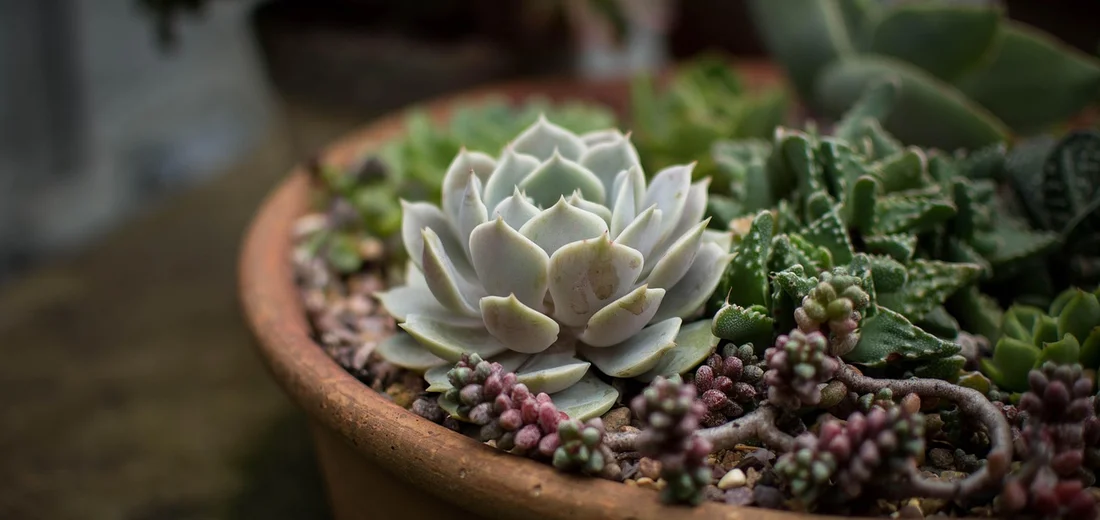
Not all succulents want the same dinner. I’ve learned that giving them a custom soil mix is like cooking their favorite meal—it makes them thrive. Do succulents really need special soil? The truth is nuanced.
Crafting the Perfect Cactus Soil Mix
Cacti are the ultimate desert dwellers, and their roots despise moisture. My go-to cactus mix is incredibly gritty to prevent any chance of soggy soil around their sensitive root systems. I use a simple 1:1:1 ratio that has never failed me.
- 1 part potting soil (a basic, peat-free blend)
- 1 part coarse sand (horticultural grade, not from the beach)
- 1 part perlite or pumice for maximum aeration
When I mix it, it should feel loose and crumbly in my hands, not clumpy. If it holds any shape when I squeeze it, I add more perlite.
Creating a Specialized Mix for Haworthia and Aloe
Haworthias and Aloes have thicker, fleshier roots that can handle a touch more moisture than a cactus, but they still need excellent drainage. I treat these guys to a slightly richer, but still very airy, soil blend that supports their robust root growth. My mix for them is a little more forgiving.
- 2 parts potting soil
- 1 part coarse sand
- 1 part pumice or perlite
I sometimes add a handful of worm castings to this mix for a gentle nutrient boost. The texture should be light and rocky, like a well-draining mountain path.
My Simple Guide to Mixing Your Own Soil
Making your own soil is easier than baking a cake, and far more rewarding. I do this on a large tarp in my garage to contain the mess.
- Gather all your ingredients in separate containers.
- Use a small cup or trowel as your “part” measurement for consistency.
- Combine all parts in a large tub or wheelbarrow.
- Put on garden gloves and mix everything thoroughly with your hands until the color is uniform.
- Do the squeeze test: grab a handful and squeeze. It should fall apart easily when you open your hand.
A quick tip: Mix a large batch and store the extra in a sealed container to save time on your next repotting day.
How to Adjust Your Mix for Pot Type and Home Environment
Your pot and your home’s humidity are part of the recipe, too. A one-size-fits-all approach doesn’t work here.
For unglazed terracotta pots, which breathe and dry soil quickly, I might use a tiny bit less perlite. The pot itself is helping with drainage. In a plastic or glazed ceramic pot, which holds moisture, I make my mix even grittier, sometimes upping the inorganic parts (sand, pumice) to 70% of the total mix.
If your home is very humid, your soil will take longer to dry out. In my humid summer months, I add extra pumice. If your air is very dry, your standard mix will be perfect. Your plant will tell you what it needs-plump leaves mean you’ve got it right, while soft, translucent leaves often mean the soil is too wet.
Finding Good Soil: A Guide to Components and Pre-Mixed Bags
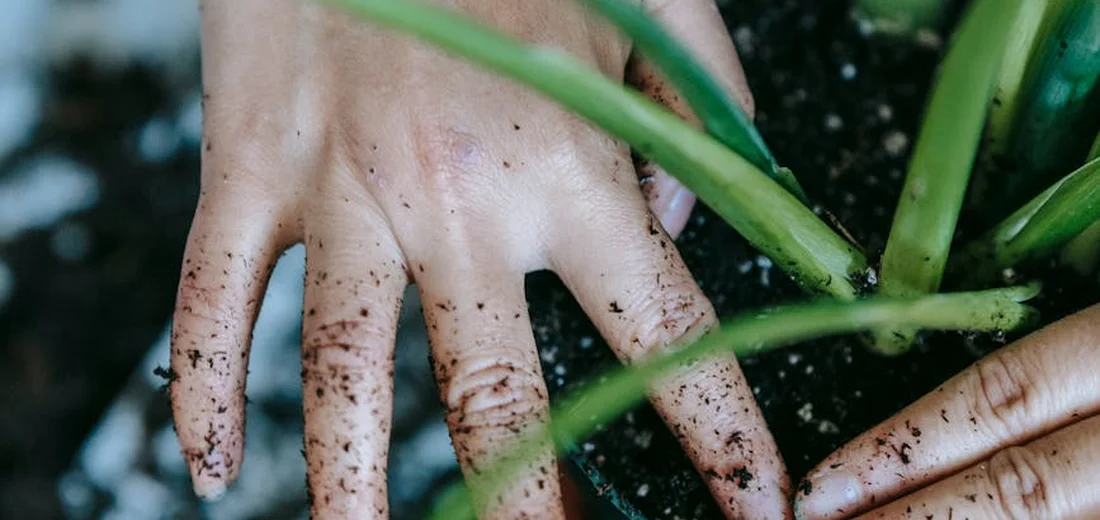
When I first started with succulents, I thought any old bag of potting soil would do. I quickly learned that a generic mix is the fastest way to drown your plants. The perfect soil is all about creating a home that drains in seconds, not minutes. So, what are the best soil amendments for succulents? The best options are gritty amendments like perlite, pumice, and coarse sand that boost drainage.
Your Soil Component Toolkit
Think of building your mix like making a custom salad for your plants. You need the right crunchy and soft ingredients. Here’s what I always keep on hand in my potting shed:
- Gritty, Inorganic Materials (The “Crunch”): These create air pockets and ensure water flows through fast. Perlite, pumice, coarse sand (like horticultural or builder’s sand, not beach sand!), and crushed granite are my go-tos. Pumice is my absolute favorite because it’s lightweight and holds a tiny bit of moisture without staying soggy.
- Organic Matter (The “Soft” Part): This provides nutrients and holds a little moisture. I use a standard potting mix, coconut coir, or compost. The secret is to use far less of this than you think you need. A little goes a long way.
- Mineral Boosters: For certain succulents, I add a handful of turface (calcined clay) or small aquarium gravel to really amp up the drainage. This is a game-changer for finicky cacti.
Trusting a Pre-Mixed Bag
Not everyone has the time or space to mix their own soil, and that’s perfectly fine! A good quality pre-mixed bag can be a lifesaver. Look for bags specifically labeled for “cacti and succulents.” I always do a quick check by squeezing a bit of the dry mix in my hand. If it feels gritty and falls apart easily, it’s a winner. If it feels dense and clumpy, put it back on the shelf.
My favorite trusted brands include Bonsai Jack (incredibly gritty), Espoma Cactus Mix, and FoxFarm Happy Frog. Even with a pre-mix, I often add an extra handful of perlite for my thirstiest succulents like String of Pearls. It’s an easy insurance policy against overwatering.
5 Common Soil Problems and How to Fix Them
Even with the best intentions, soil issues pop up. I’ve faced them all, and here’s my straightforward guide to diagnosing and fixing the most common headaches.
1. Soil That Stays Wet For Days
If your soil feels like a wet sponge days after watering, you have a drainage emergency. This is the number one killer of succulents.
- The Fix: Unpot the plant immediately. Gently remove as much of the soggy soil from the roots as possible. Let the roots air dry for a day, then repot into a fresh, fast-draining mix with at least 50% gritty material. This simple repot has saved more plants in my collection than any other action.
2. Soil Pulling Away from the Pot’s Edge
This means your soil has become hydrophobic-it actually repels water. When you water, it just runs down the sides and out the bottom, leaving the roots bone-dry.
- The Fix: The best solution is bottom-watering. Place the entire pot in a tray of water for about 30 minutes, allowing the soil to wick up moisture from the bottom. For a long-term fix, repot with a mix that contains coconut coir, which resists this problem better than peat.
3. Mold or Fungus Growing on the Surface
Seeing white fuzz on your soil is a sign of too much moisture and not enough air circulation.
- The Fix: Scoop off the visible mold. Let the soil dry out completely. Increase air flow around the plant with a small fan. Adding a top dressing like small pebbles can prevent spores from taking hold in the future.
4. Soil Becoming Hard and Compacted
Over time, organic matter breaks down and the soil turns into a hard brick. This chokes the roots and prevents drainage.
- The Fix: There’s no saving compacted soil. Gently repot your succulent, teasing apart the root ball and placing it in a fresh, loose mix. To prevent this, I refresh the soil of my succulents every two years.
5. Fungus Gnats Flying Around the Soil
These tiny black flies love damp, rich soil. They’re more annoying than harmful, but their larvae can munch on tender roots.
- The Fix: Let the soil dry out deeply between waterings to break their life cycle. I also use yellow sticky traps to catch the adults. For a serious infestation, a top dressing of sand or gravel prevents the adults from laying eggs in the soil.
FAQs
What do Reddit communities suggest for succulent soil?
Reddit enthusiasts often recommend gritty, fast-draining mixes with ingredients like pumice or perlite to prevent root rot.
What are the best succulent soils available on Amazon?
Highly rated pre-mixed soils on Amazon include Bonsai Jack’s gritty mix and Espoma’s cactus potting mix for reliable drainage.
How should I choose soil for indoor succulents?
For indoor succulents, opt for a well-draining mix and consider adding extra perlite if your home has poor air circulation. Using perlite in succulent soil mixes helps improve drainage and aeration. This keeps roots healthier in containers with limited airflow.
Can I make effective succulent soil at home?
Yes, you can create a balanced homemade mix using potting soil, coarse sand, and perlite to ensure proper aeration and drainage.
What is the importance of soil mix ratio for succulents?
The right ratio of organic to inorganic components is vital to maintain drainage and avoid waterlogged roots.
What type of soil is best for most succulents?
Succulents prefer loose, fast-draining soil types that are low in organic matter to mimic their natural arid habitats. When choosing a mix, consider the organic vs inorganic components and favor more inorganic material like perlite, pumice, or coarse sand to improve drainage.
Your Path to Thriving Succulents
The single most important takeaway is to match your soil’s drainage and texture to your succulent’s natural habitat. Remember these three core components for a perfect mix: a gritty material for drainage (like perlite or pumice), a porous component for aeration (such as coarse sand), and a small amount of organic matter (like coco coir) to hold minimal moisture. For a deeper dive, see our sand succulent soil mixes guide. It covers ideal ratios, sand textures, and common pitfalls.
Don’t be afraid to get your hands dirty and experiment-your plants will tell you what they love. You’ve got this, and your little green friends are going to thank you for the perfect home.
Further Reading & Sources
- Best Soil for Succulents – DIY and Pre-Mixed Options | Succulents and Sunshine
- Best succulent soil mix for drainage
- Succulent Care Series: The Dirt on Soil – Artisan Plants
- r/succulents on Reddit: Best soil mix for succulents?
Lena Greenfield is a passionate horticulturist and plant care expert with over 10 years of experience cultivating and nurturing hardy house plants. With a deep understanding of both indoor and outdoor gardening, Lena shares practical advice on choosing, caring for, and maintaining resilient plants that flourish year-round. Through her knowledge and hands-on approach, Lena helps plant lovers transform their spaces into vibrant, green sanctuaries, no matter their gardening experience.
Soil Types