
The Best Soil Mixes for Different Types of Indoor Plants
Published on: February 26, 2026 | Last Updated: February 26, 2026
Written By: Lena Greenfield
Are your indoor plants looking a little sad no matter how much you water them? The problem might not be your care, but what’s happening beneath the surface in the soil.
I’ve learned from years of filling my home with greenery that using the right potting mix is the single biggest factor for a thriving plant.
In this guide, I’ll walk you through the best soil for succulents, aroids, ferns, and more, how to mix your own potting soil at home, and my favorite pre-mixed brands.
Quick Tip: If your plant’s soil is hard and compacted or stays soggy for days, it’s definitely time for a change. For succulents, that signals it’s time to repot and refresh the soil with a well-draining mix. Use a pot with drainage and a cactus/succulent soil for best results.
Why Your Plant’s Potting Mix Matters So Much
Think of your plant’s potting mix as its home, its bed, and its kitchen, all rolled into one. I’ve learned through trial and error that the right soil is the single biggest factor between a plant that survives and one that truly thrives. A great mix holds moisture and nutrients right where the roots can access them. It also lets excess water drain away quickly, preventing the dreaded soggy conditions that lead to root rot.
Your plant’s roots need to breathe. A dense, clumpy soil suffocates them, stunting growth. A well-aerated mix encourages strong, healthy root development, which is the secret engine for everything you see above the soil. Getting this foundation right means you’ll have to water less often, fertilize more effectively, and deal with far fewer problems down the line.
Essential Ingredients for Your Indoor Plant Soil Arsenal
Building the perfect soil mix is like stocking your pantry. Once you have these staples, you can whip up a custom blend for any plant. For succulents, a sandy, well-draining mix is key. This complete guide on sand-based succulent soil mixes walks you through how to build it.
- Base Components (Coco Coir, Peat Moss) These are the sponges of your mix. They hold onto water and provide a light structure. I personally prefer coco coir because it’s a sustainable byproduct and is easier to re-wet if it dries out completely.
- Aeration Champions (Perlite, Pumice, Orchid Bark) These are the non-negotiables for good drainage. Perlite is my go-to for most mixes-those little white pieces create crucial air pockets. For heavier plants, I use pumice. Orchid bark adds chunkiness for plants that need super airy conditions.
- Nutrition Boosters (Compost, Worm Castings) This is the slow-release, gentle fertilizer for your plants. A handful of worm castings mixed in provides a fantastic nutrient kick without the risk of burning delicate roots.
- Drainage Helpers (Coarse Sand, Horticultural Grit) Don’t use fine play sand-it turns to concrete. Coarse sand or grit adds weight and improves drainage dramatically, especially in mixes for succulents and cacti.
My Go-To Soil Mix Recipes for Common Indoor Plants
Here are the exact recipes I use for my own plant collection. I mix these in a large tub and store any extra.
- Simple All-Purpose Tropical Plant Mix This is my workhorse mix for Spider Plants, Philodendrons, and more. Combine two parts coco coir, one part perlite, and one part compost. This creates a light, moisture-retentive, and nutrient-rich environment that most common houseplants adore.
- Super-Draining Succulent and Cactus Mix For my succulents, drainage is everything. I mix one part coco coir, one part perlite, and one part coarse sand. The goal is a mix that feels gritty and dries out completely within a few days of watering.
- Chunky, Airy Aroid Mix (for Pothos, Monsteras) These plants hate wet feet. My recipe is one part orchid bark, one part coco coir, and one part perlite. The bark creates the chunky structure their roots love to climb through, mimicking how they grow in nature.
- Moisture-Loving Fern and Calathea Mix These drama queens need constant, even moisture. I use two parts coco coir, one part perlite, and a handful of worm castings. The coir holds water well, but the perlite still ensures it doesn’t become waterlogged.
- Specialized Orchid and Epiphyte Mix Skip the soil entirely. For my orchids and air plants, I use a simple blend of large orchid bark and a little bit of horticultural charcoal. This allows for massive air flow around the roots, which is exactly what they need.
How to Mix Your Own Potting Soil Like a Pro
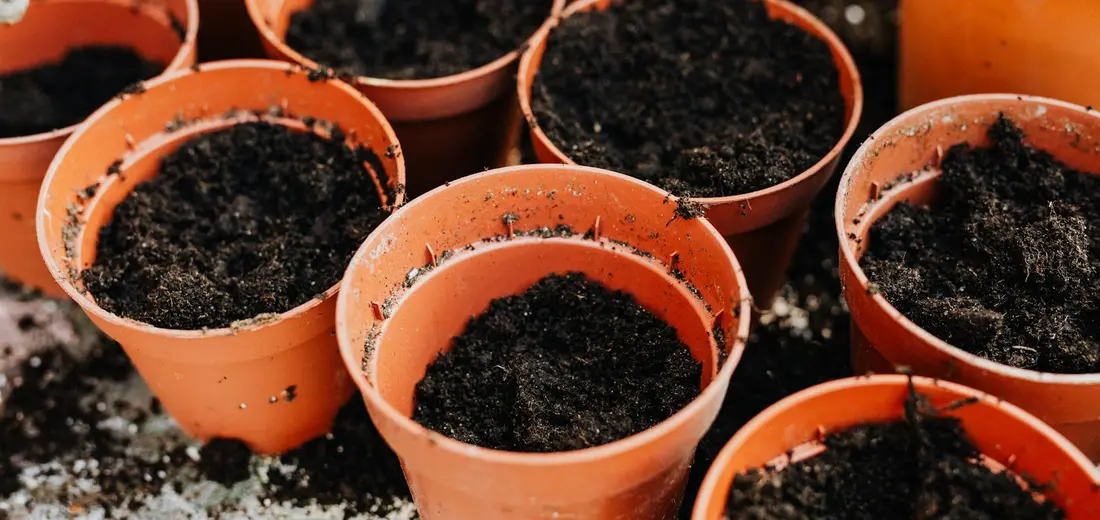
Mixing your own potting soil is like becoming a chef for your plants, and it’s a skill that has saved so many of my own houseplants from decline. Creating a custom blend lets you perfectly match the soil to your plant’s specific needs, something pre-mixed bags often miss. I do this on my balcony with a large storage tub, and it’s simpler than you might think. For succulents, try a DIY succulent potting mix with extra drainage. DIY recipes let you tune texture and moisture to your plant’s needs.
Start with a quality base. I always use a good, sterile potting mix as my foundation-it’s the flour in our recipe. From there, you add amendments to change the texture and function. Here is my go-to method:
- Gather Your Ingredients. Have your base potting mix, perlite (for aeration), coconut coir or peat moss (for moisture retention), and orchid bark (for chunkiness and drainage) ready.
- Sterilize if Needed. If you’re reusing any components from old plants or using garden soil, I bake them in the oven at 200°F for 30 minutes to kill any pests or pathogens. It’s a game-changer for preventing infestations.
- The Mixing Process. I use a 2:1:1 ratio as a fantastic starting point for most tropical plants. That’s two parts potting mix, one part perlite, and one part orchid bark. Dump them into your tub and mix with your hands or a small trowel until it’s completely uniform.
You can easily tweak this basic recipe. For my succulents and snake plants, I’ll add an extra part of perlite or some coarse sand for even faster drainage. These ideas echo what many call perlite succulent soil mixes—light, airy blends that drain quickly. Using perlite in these mixes helps keep roots happy and prevents rot. For a moisture-loving peace lily, I might reduce the perlite and add a bit more coconut coir to help the soil hold onto water a little longer. The goal is to get a mix that feels light and crumbly, not dense or muddy.
Troubleshooting Common Indoor Plant Soil Problems
Even with the best intentions, soil issues can pop up. I’ve dealt with every single one of these, and they’re usually a simple fix once you know what to look for.
Soil Staying Soggy and Smelling Bad
If your soil is constantly wet and has a rotten, swampy smell, you’re likely dealing with overwatering and poor drainage. This smell is a sure sign of anaerobic bacteria, which thrive in waterlogged conditions and will rot your plant’s roots. The first thing I do is stop watering immediately and check the drainage hole to make sure it’s not blocked.
For a severe case, you need to take action. Gently remove the plant from its pot and inspect the roots. Healthy roots are firm and white or tan. Mushy, black, or slimy roots need to be pruned away with sterile scissors. Repot the plant into fresh, well-draining soil and a clean pot, and resist the urge to water for at least a week to let the roots recover.
Soil Drying Out Too Quickly
When water seems to run straight through the pot, your soil has become hydrophobic-it actually repels water. This happens a lot with peat-based mixes that have been allowed to completely dry out for too long, a lesson I learned the hard way with a fiddle leaf fig. The peat shrinks and pulls away from the pot’s edge.
The fix is to re-wet the soil thoroughly. Don’t just pour water on top. Place the entire pot in a sink or basin filled with a few inches of water and let it soak from the bottom up for 30-60 minutes. You’ll see the soil slowly darken as it absorbs moisture. For a long-term solution, repot with a mix that includes moisture-retentive materials like coconut coir.
White Crust or Mold on Soil Surface
A white, crusty layer is usually a buildup of soluble salts from tap water or fertilizer, while a fluffy white substance is likely harmless saprophytic fungus. The crusty salt buildup can actually harm your plant by drawing moisture out of the roots, so it’s best to remove it. I simply scrape off the top inch of soil and replace it with fresh mix.
For the fluffy white mold, it’s a sign of consistently moist soil and organic matter breaking down. It’s not directly harmful, but it indicates conditions that could lead to root rot. Let the soil dry out more between waterings, increase air circulation around the plant, and you can gently stir the top layer of soil to disrupt the growth.
Plant Dropping Leaves or Turning Yellow
Yellow leaves are your plant’s universal distress signal, and nine times out of ten, the cause leads back to the soil. Overwatering is the most common culprit, suffocating roots so they can’t function, which shows up as yellowing and leaf drop. But don’t forget the opposite problem—underwatering and bone-dry soil will also cause leaves to yellow, crisp up, and fall. That’s a signal to troubleshoot common succulent problems—yellowing, drooping, and more. Start by checking soil moisture, drainage, and root health.
My diagnostic routine is simple: stick your finger two inches into the soil. Is it sopping wet? You’re overwatering. Is it dust-dry? You’re underwatering. Adjust your routine accordingly. Once you’ve identified whether the issue is overwatering or underwatering, you can apply the right fix. For overwatered succulents, let the soil dry and improve drainage; for underwatered, give a thorough soak and resume a light, regular watering schedule.
Choosing and Adjusting Store-Bought Potting Mixes
Walking down the garden center aisle, the sheer number of bagged soils can feel overwhelming. I’ve learned that the secret isn’t always finding the single “perfect” bag, but knowing how to tweak a good base mix to suit your specific plant’s needs. Think of it like buying a basic cake mix and then adding your own special ingredients. For ZZ plants, the best soil mix for ZZ plants is a light, well-draining blend—think potting soil amended with perlite or pumice. A touch of orchid bark helps keep the mix airy without sacrificing moisture.
Decoding the Bag: Common Mix Types
Most store-bought mixes fall into a few main categories. Recognizing what you’re starting with is the first step to making smart adjustments.
- All-Purpose Potting Mix: This is your standard, workhorse soil. It’s designed to hold moisture and nutrients well for a wide range of common houseplants. I use this as a reliable base for plants like Pothos, Spider Plants, and Peace Lilies.
- Cactus & Succulent Mix: Formulated for fast drainage, these mixes contain a lot of sand, perlite, and sometimes fine gravel. I find most commercial succulent mixes still hold a bit too much water for my liking, so I always add extra perlite.
- Orchid Mix: This isn’t soil at all! It’s typically a chunky blend of bark, charcoal, and sometimes sphagnum moss. It’s created to provide ample air circulation for orchid roots, which is crucial for their health.
- African Violet Mix: These mixes are often lighter and fluffier, with extra peat moss or coir to provide the slight acidity and moisture retention these delicate bloomers love.
My Go-To Adjustments for a Perfect Blend
Over the years, I’ve settled on a few key “ingredients” I keep on hand to customize any bagged soil. Your local garden center will have all of these, and they are total game-changers for plant health.
To Improve Drainage (The Most Common Fix)
If your mix feels too dense or holds water for days, you need to add chunky, inorganic materials. This creates air pockets and lets excess water flow through freely.
- Perlite: Those little white, popcorn-like bits are my absolute favorite. They are lightweight, sterile, and fantastic for preventing soil compaction. I add a handful to almost every mix I make.
- Coarse Sand (Horticultural Sand): Not beach sand! You want sharp, coarse sand. It adds weight and improves drainage significantly. I mix this into my succulent and cactus blends.
- Orchid Bark: Don’t save this just for orchids! Adding a small amount of small-grade orchid bark to an all-purpose mix creates fantastic texture for aroids like Monsteras and Philodendrons.
To Increase Moisture Retention
Some plants, like ferns and Calatheas, are real thirst pots. If your soil dries out too quickly, consider these additives.
- Sphagnum Peat Moss or Coco Coir: Both are excellent at holding many times their weight in water. Coco coir is a more sustainable option and is less likely to become hydrophobic when completely dry, which is a problem I often have with peat moss.
A Quick Recipe Cheat Sheet
Here’s a simple table of how I personally adjust a standard all-purpose potting mix for different plant groups.
| Plant Type | Base Mix | My Add-In |
|---|---|---|
| Snake Plants & ZZ Plants | Cactus Mix | An extra handful of perlite |
| Monstera & Philodendron | All-Purpose Mix | 1 part orchid bark & 1 part perlite to 2 parts mix |
| Succulents & Cacti | Cactus Mix | 1 part perlite or coarse sand to 2 parts mix |
| Ferns & Calatheas | All-Purpose Mix | A handful of coco coir to help retain moisture |
Always moisten your potting mix slightly before you plant anything in it. Dry peat and coir can actually repel water initially, making it hard to wet the root ball later. A light spray with a bottle does the trick!
FAQs
What is the best indoor plant soil?
The best soil depends on your specific plant, but a well-draining, aerated mix is crucial for most indoor varieties. To choose the right soil, match the mix to your plant’s needs by referring to this guide. Then prepare the soil with proper drainage before potting.
What is a good indoor plant soil mix ratio?
A great starting ratio for many tropical plants is two parts potting mix, one part perlite, and one part orchid bark.
Why is my indoor plant soil not drying out?
Soil that stays wet for too long is often caused by overwatering, poor drainage, or a compacted, dense soil mix.
Why is my indoor plant soil drying out so quickly?
Soil that dries out too fast is typically hydrophobic or lacks enough moisture-retentive materials like coco coir.
What should I look for in indoor plant soil at Home Depot or Lowe’s?
Look for a mix labeled for your plant type and be prepared to amend it with perlite or bark for better drainage.
Why does my indoor plant soil smell bad?
A foul, rotten smell indicates waterlogged soil and anaerobic bacteria, which can lead to root rot.
Your Soil Mix Journey: A Quick Recap
In my years of tending to everything from hardy succulents to finicky ferns, I’ve found that matching your soil mix to your plant’s specific needs is the fastest way to ensure vibrant, healthy growth. Are the best soil mixes different for different succulent types? Yes—some succulents like cacti thrive on very gritty, fast-draining blends, while others tolerate a bit more organic matter. Keep these core principles in mind:
- Always prioritize drainage for succulents and cacti to prevent root rot.
- Use moisture-retentive, nutrient-rich mixes for tropical plants that crave humidity.
- Don’t be afraid to customize store-bought soil with perlite or orchid bark for better aeration.
Trust your instincts and observe how your plants respond—you’re building a green thumb one pot at a time. I started with a single snake plant and now my home is a jungle, all because I learned to listen to what the soil was telling me. Different snake plant types have different light and water needs. Understanding their soil preferences helps you tailor care for each variety. For more hands-on advice and plant care stories, remember that our website is packed with resources to support your growing journey.
Further Reading & Sources
- Buy Indoor Plant Soil Mix for All Houseplants | Perfect Plants
- Indoor Plants – Soil Mixes | Home & Garden Information Center
- r/houseplants on Reddit: Soil mix for indoor plants
- Indoor Plant Potting Mix: Premium Soils for Popular Houseplants – rePotme
Lena Greenfield is a passionate horticulturist and plant care expert with over 10 years of experience cultivating and nurturing hardy house plants. With a deep understanding of both indoor and outdoor gardening, Lena shares practical advice on choosing, caring for, and maintaining resilient plants that flourish year-round. Through her knowledge and hands-on approach, Lena helps plant lovers transform their spaces into vibrant, green sanctuaries, no matter their gardening experience.
Soil Types