
What Are the Signs of Poor Soil Quality in Succulents?
Are your succulents looking a bit unhappy lately? You might be dealing with poor soil quality, which is a common culprit behind many plant problems.
In my years of growing succulents, I’ve learned to spot soil issues early, and in this article, I’ll cover discolored leaves, stunted growth, soil drainage problems, root health clues, and simple fixes to get your plants thriving again.
Visible Distress Signals from Your Succulent
Changes in Leaf Color and Texture
Your succulent’s leaves are its primary communication tool, and they’ll tell you exactly what they think of their soil. I’ve learned to pay close attention to these subtle shifts over years of collecting.
A sudden shift to yellow, often starting at the lower leaves, is a classic cry for help from waterlogged, dense soil. The roots are essentially drowning, unable to breathe, and the plant begins to shut down.
Leaves that feel mushy and translucent are a sure sign of rot setting in. I’ve sadly lost a few echeverias to this; the damage is often irreversible once it reaches this stage and the plant feels like a water balloon.
If the leaves are turning brown, crispy, and shriveling from the tips inward, the soil has become hydrophobic. It repels water instead of absorbing it, leaving the roots parched even after you water.
Look for leaves that are much paler green or even whitish than usual; this often indicates the soil is depleted and can no longer deliver essential nutrients. If nitrogen deficiency is the culprit, you can fix it by applying a nitrogen-rich fertilizer or organic matter. The plant is literally fading from hunger.
A healthy succulent leaf should feel firm and plump. If they’re becoming soft, limp, or wrinkled when the soil is damp, the roots are likely damaged and unable to drink. This is a common question: why are my succulent leaves wrinkly, soft, or squishy? Usually it’s a water issue—roots damaged or saturated soil prevent proper water uptake.
Unwanted Growth on the Soil Surface
The top of the soil can reveal just as much as the plant itself. A healthy succulent pot should look clean and earthy.
Spotting a white, fuzzy, or crusty layer on the soil surface is a huge red flag for mineral buildup from tap water or fertilizer salts. This crust actually prevents water from penetrating properly.
A green, slimy film or fuzzy mold growing on the soil means the environment is far too moist for too long. I see this most often in pots without drainage holes or with soil that holds too much water.
Tiny flying gnats are a common sight in my greenhouse when the soil stays damp. Their presence is a direct indicator of overwatering and overly organic, moisture-retentive soil.
If you notice a hard, cracked surface on the soil that pulls away from the pot’s edges, your soil mixture has become compacted and is likely root-bound. Water will just run down the sides without reaching the roots.
Algae growth, which looks like a green scum, thrives in constantly damp, nutrient-poor soil with low air circulation. It’s a sign the soil isn’t drying out between waterings.
Problems with Growth and Development
When Growth Stops or Slows
A happy succulent is a growing succulent. When that progress halts, the soil is usually the culprit. I judge my plants’ health by their steady, albeit slow, growth.
A complete halt in growth during the spring or summer growing season is a major sign that the roots have no room to expand or the soil offers no nutritional value. The plant is in survival mode, not growth mode.
If new leaves are emerging but are significantly smaller, thinner, or more spaced out than the older ones, the soil lacks the nutrients needed to form robust, healthy growth.
You might notice the stem stretching out awkwardly with large gaps between leaves, a condition called etiolation. While often due to low light, it can also happen in poor, compacted soil where the roots can’t uptake enough water and nutrients to support compact growth.
The plant may start shedding its lower, older leaves at a much faster rate than it produces new ones. This is the plant’s way of cannibalizing itself to stay alive when it can’t get what it needs from the soil.
Stunted growth paired with any of the leaf color issues is a clear double-confirmation that your soil mix needs an immediate refresh. The plant is telling you it’s not just thirsty, it’s starving and suffocating.
What’s Happening Below the Surface: Root Health
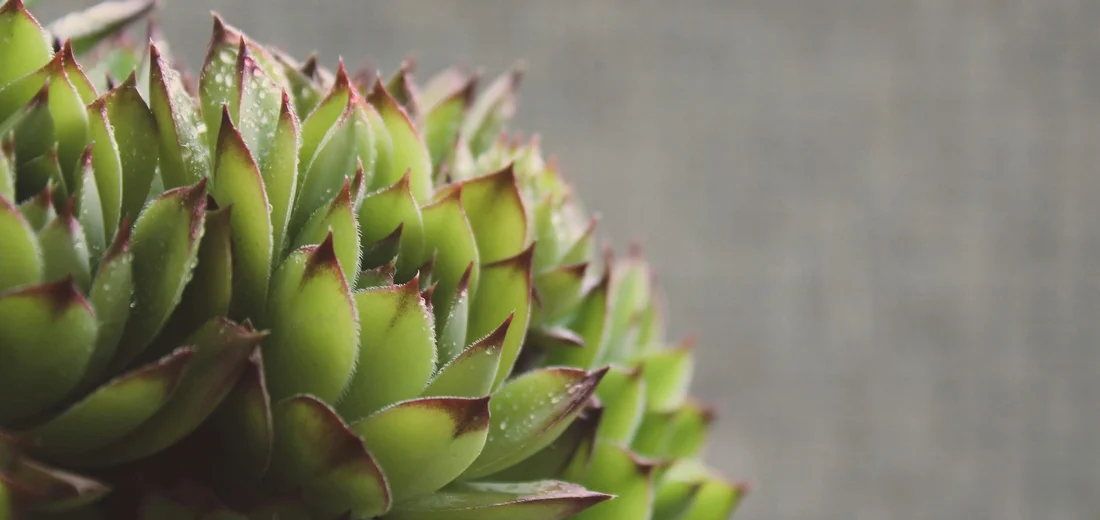
When your succulent looks unhappy, the problem often starts with its roots. I always gently lift my plants from their pots every few months for a quick root check; it’s the best way to catch issues before they become disasters.
Identifying Root Rot
Root rot is a succulent’s worst enemy, and it’s almost always caused by soil that stays wet for too long. Understanding the causes can help you save succulents with proper root rot treatment. Here’s what to look for:
- Mushy, Dark Roots: Healthy roots are firm and white or light tan. Rotten roots feel soft and look dark brown or black. They might fall apart when you touch them.
- A Foul Odor: A bad, sour smell coming from the soil is a dead giveaway. Healthy soil and roots shouldn’t smell like anything.
- Squishy, Translucent Leaves: If the lower leaves are turning to mush and feel like a waterlogged sponge, the rot has likely traveled up from the roots into the stem.
If you find rot, act fast: remove all the soggy soil, cut away every single mushy root with a sterile knife, and let the plant dry out for a day or two before repotting in fresh, dry mix.
How Your Soil’s Texture and Composition Fails
The wrong soil mix creates a hostile environment for your succulent’s roots. I learned this the hard way after losing a beautiful echeveria to a bag of standard potting soil that turned into a hard, dense brick.
Signs of Poor Drainage and Aeration
Your succulent’s roots need to breathe. If the soil is too dense, it suffocates them. Watch for these signs:
- Water Pools on the Surface: After watering, if the water just sits on top for more than a few seconds, your soil is too compacted.
- Soil Feels Like a Wet Sponge: Squeeze a handful of soil. If it clumps together and holds its shape, it lacks the gritty materials succulents need.
- Slow Growth and Pale Color: The plant isn’t getting enough oxygen to its roots, so it can’t absorb nutrients properly, leading to stunted, faded growth.
Quick Tip: Stick a wooden chopstick deep into the soil. If it comes out with wet dirt stuck to it hours after watering, your soil isn’t draining well enough.
Recognizing Salt and Mineral Buildup
Tap water and fertilizers leave behind salts that accumulate in the soil over time, essentially “burning” the roots.
- A White, Crusty Layer: Look for a white or yellowish crust on the soil’s surface or around the drainage hole and pot rim.
- Brown, Crispy Leaf Tips: The tips of the leaves may start to dry out and turn brown, as the plant struggles to take up water against the high salt concentration.
- The Plant Withers Despite Watering: The salty soil makes it harder for roots to absorb water, so the plant shows signs of thirst even when the soil is damp.
Flushing the soil every few months by running a slow stream of distilled water through it for several minutes can help wash these harmful salts away.
Fixing the Problem: How to Amend Poor Succulent Soil
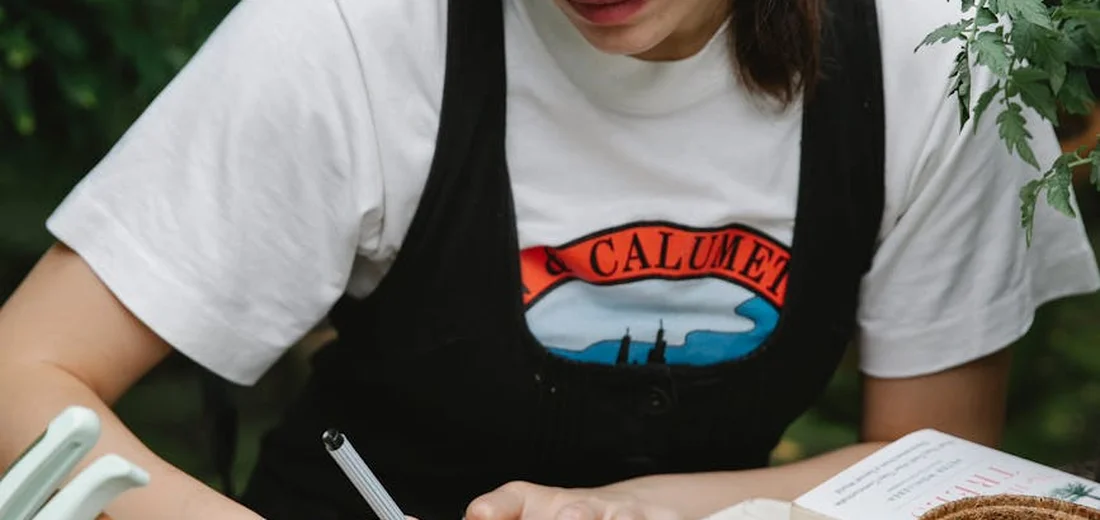
When your succulent’s soil is the problem, the best solution is a fresh start. I’ve rescued dozens of plants by simply giving them a better home to grow in. This one action can completely turn a struggling plant’s health around.
Step-by-Step Guide to Repotting
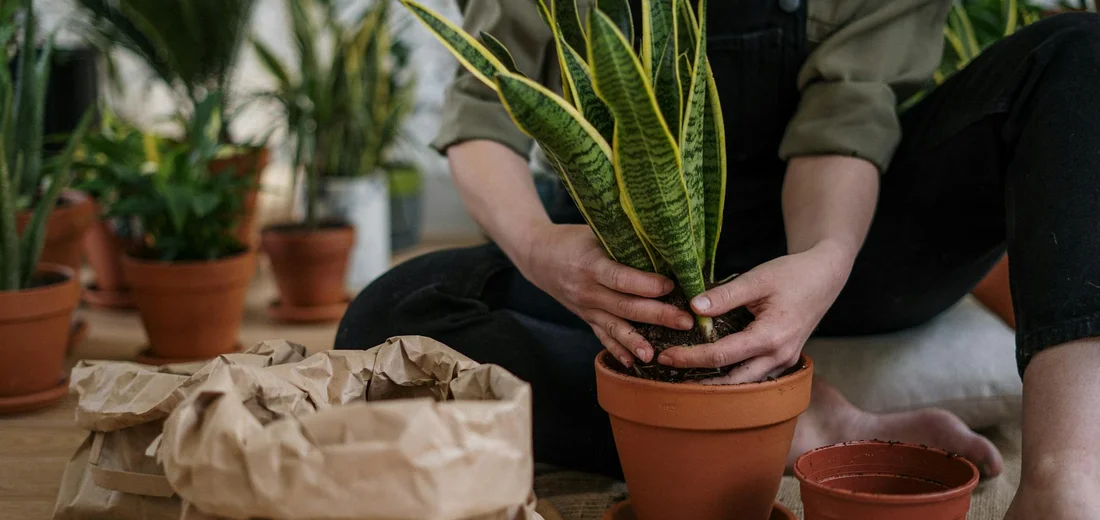
Repotting might seem intimidating, but it’s a simple, therapeutic process. Here’s how I do it every time.
- Gather Your Supplies: You’ll need a new pot with a drainage hole, fresh well-draining soil, and some paper towels.
- Gently Remove the Plant: Tip the pot on its side and coax the succulent out. If it’s stuck, I gently squeeze the plastic pot or run a butter knife around the inside edge.
- Inspect and Loosen the Roots: Shake off the old soil and look at the roots. Healthy roots are firm and white or light tan. Use your fingers to gently untangle any roots that are circling the root ball.
- Place in the New Pot: Put a layer of fresh soil in the bottom of the new pot. Set your succulent in, making sure the base of the plant sits just below the rim. The goal is to bury the roots, not the leaves.
- Fill and Settle: Fill in around the roots with more soil. I gently tap the pot on the table to help the soil settle and eliminate large air pockets.
- The Waiting Game: This is the most important step! Do not water your newly repotted succulent for at least 5-7 days. This gives any tiny root tears a chance to heal and prevents rot.
Creating Your Own Well-Draining Soil Mix
Store-bought cactus mix is okay, but I always amend it for even better drainage. Making your own mix gives you complete control.
My go-to, simple recipe is a 1:1 ratio of potting soil to inorganic grit.
- Potting Soil Base: Use a standard potting mix or a pre-made cactus and succulent mix. This provides the organic matter and nutrients.
- Inorganic Grit (Choose One or Mix): This is what creates the air pockets and fast drainage. I prefer perlite for its lightness, but coarse sand or pumice work wonderfully too.
Mix these two parts together thoroughly in a large bowl or bucket. You’ll know the texture is right when it feels gritty and falls apart easily in your hand, never clumping. This mix mimics the dry, rocky native habitats succulents love.
Keeping Your Succulent Soil Healthy Long-Term
Great soil is the foundation, but your daily habits are what keep it that way. Consistent care prevents most soil issues from ever starting.
Smart Watering and Fertilizing Habits
Overwatering is the number one killer of succulents, and it all comes down to technique.
My golden rule is to always water based on the soil’s dryness, not a set schedule. I stick my finger about two inches into the soil. If it’s completely dry, it’s time for a drink. When I water, I do it thoroughly-I pour water until it runs freely out of the drainage hole. Then, I let the pot drain completely and never let the plant sit in a saucer of water.
Think of it like a sponge. You want to fully soak the sponge, then let it dry out completely before soaking it again.
- Good Watering: Soak the soil completely, then let it dry out fully.
- Bad Watering: Giving small sips of water frequently, keeping the soil constantly damp.
For fertilizing, less is definitely more. I only feed my succulents during their active growing season (spring and summer) with a diluted, balanced fertilizer. A half-strength dose once a month is plenty. In the fall and winter, I stop fertilizing completely to let them rest. For maximum growth, start fertilizing in spring at the first signs of growth and keep feeding through the peak growing months. This timing aligns with their natural growth cycle.
Quick Answers
What are signs of well-draining succulent soil?
Well-draining soil feels gritty, doesn’t clump together when squeezed, and water flows through it quickly and out the pot’s drainage hole.
How can you tell if succulent soil drains too slowly?
You can tell soil drains too slowly if water pools on the surface for a long time after watering or if the soil feels like a wet, dense sponge.
What signs indicate succulent soil is too dry for healthy growth?
Soil that is too dry becomes hard, pulls away from the pot’s edges, and causes leaves to become brown, crispy, and shriveled.
What signs indicate succulent soil is retaining too much moisture?
Soil retaining too much moisture will feel constantly damp, may develop mold or algae on the surface, and can attract fungus gnats.
What ingredients and texture define ideal succulent soil?
Ideal succulent soil is a gritty, fast-draining mix of about half inorganic material like perlite or coarse sand and half potting soil. This highlights the balance between organic and inorganic components in succulent soil. Too much organic matter can hold moisture and invite rot, while a higher proportion of inorganic grit improves drainage.
How can you test succulent soil for proper drainage?
Test drainage by watering the plant thoroughly and timing how long it takes for excess water to stop dripping from the drainage hole.
Your Succulent Success Starts Here
From my experience, the best way to keep your succulents thriving is to watch for key soil issues and act fast—here’s a quick recap of what to do. So, do succulents need to thrive? They do, with the right care.
- Check for yellowing leaves, soggy soil, or stunted growth.
- Test drainage and repot with a gritty, fast-drying mix if needed.
- Adjust your watering habits based on the plant’s signals, not a set schedule.
You’ve got this! With a little attention and these simple steps, your succulents will reward you with vibrant, happy growth—so go give them some love today. If you’re aiming for bigger, plumper succulents, these steps will help you grow them fuller. With a little care, you’ll see them plump up and thrive.
Further Reading & Sources
- What Type of Potting Soil Do Succulents Need?
- Succulent Soil: The Ultimate Guide – Mountain Crest Gardens
- Succulent Soil: What Every Gardener Needs to Know
- Common Succulent Problems and How to Fix them by ourhouseplants.com
Lena Greenfield is a passionate horticulturist and plant care expert with over 10 years of experience cultivating and nurturing hardy house plants. With a deep understanding of both indoor and outdoor gardening, Lena shares practical advice on choosing, caring for, and maintaining resilient plants that flourish year-round. Through her knowledge and hands-on approach, Lena helps plant lovers transform their spaces into vibrant, green sanctuaries, no matter their gardening experience.
Stress Symptoms