
How Often to Water Pothos Plants Indoors
Published on: May 12, 2026 | Last Updated: May 12, 2026
Written By: Lena Greenfield
Figuring out how often to water your pothos can feel tricky, and you might be worried about giving it too much or too little. I can tell you from my years of keeping these plants lush that it’s simpler than it seems once you know the signals.
In this guide, I’ll walk you through spotting the signs of thirst, avoiding overwatering, adjusting for seasons, and understanding the factors that change your plant’s needs.
The Simple Secret to Pothos Watering Frequency
For years, I tried to water my pothos every single Sunday, convinced a rigid schedule was the key to success. I quickly learned that my pothos doesn’t own a calendar, and treating it like it does is a fast track to root rot. The real secret isn’t a number of days; it’s learning to check the soil moisture and respond to what your specific plant is telling you.
Your watering frequency will change based on a few key factors in your home. Getting to know these variables helps you become a more intuitive plant parent.
- Light: A pothos basking in a bright, sunny window will guzzle water much faster than one chilling in a low-light corner.
- Pot Size & Material: Small pots and porous terracotta pots dry out incredibly quickly, while large pots or non-porous plastic and ceramic ones hold moisture for much longer.
- Season: Your pothos is actively growing in the spring and summer, so it will be thirstier. In the fall and winter, its growth slows way down, and it needs far less water.
- Temperature & Humidity: A warm, dry room will cause the soil to dry faster than a cool, humid one.
I finally stopped killing pothos with kindness when I started treating each one as an individual. My pothos in the sunny bathroom needs water weekly, while the one on my dim bookshelf can go nearly three weeks between drinks. Your home is unique, so your schedule will be, too.
How to Check if Your Pothos is Thirsty
The Finger Test Method
This is my absolute go-to method because it requires no special tools and gives you an instant, physical connection to your plant’s needs. Your finger is the most reliable moisture meter you already own. Watch for signs like wrinkled or soft leaves and a dull color. Those cues tell you when your succulents need water.
- Gently insert your index finger straight down into the soil, pushing until your second knuckle is at the soil’s surface.
- Focus on what you feel. Is the soil completely dry? Does it feel cool or damp against your skin? If it’s dry at your fingertip, it’s time for a thorough watering.
- If you feel any moisture or coolness at all, pull your finger out and wait. Check again in two or three days. The top inch of soil should be dry before you water again.
Other Reliable Moisture Checks
While the finger test is my favorite, a few other tools can give you extra confidence, especially if you’re nervous about overwatering.
- The Chopstick Trick: Push a wooden chopstick or skewer deep into the soil, leave it for a minute, then pull it out. If it comes out clean and dry, it’s watering time. If it has damp soil stuck to it or looks darker, hold off.
- Moisture Meter: These inexpensive gadgets have a probe you stick in the soil to get a reading on a scale. They are fantastic for beginners who want a clear, visual confirmation of what’s happening below the surface.
- Lift the Pot: This method takes a bit of practice. After you water, lift the pot to feel its heaviness. Every few days, lift it again. A pot that feels surprisingly light is a sure sign the soil is dry and your plant is ready for a drink.
I’ve tried them all, but I always come back to the finger test. It’s free, it’s fast, and it forces you to physically engage with your plant, which helps you notice other changes in its health.
Mastering the Perfect Pothos Watering Technique
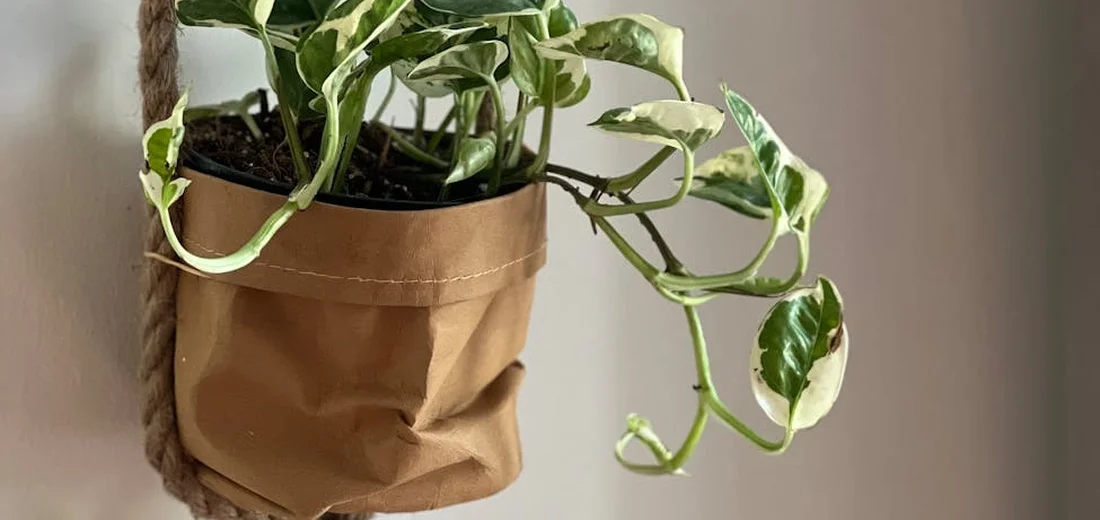
Top Watering vs. Bottom Watering
You have two main choices for how to get water to your pothos, and I’ve used both extensively over the years.
Top watering is my go-to method for almost all my houseplants, including pothos. You simply pour water evenly over the top of the soil until it runs out the bottom.
- Pros: It’s fast, simple, and helps flush out excess mineral salts and fertilizer buildup from the soil, which keeps the roots healthier long-term.
- Cons: If you pour too quickly, water can run down the inside of the pot and out the drainage hole without actually wetting the root ball.
Bottom watering involves placing your pot in a saucer or bowl of water and letting the soil soak it up from the bottom. This technique is a key topic in our bottom watering techniques for succulents complete guide. Learn when to use it and how long to soak to avoid overwatering.
- Pros: It ensures the entire root ball gets thoroughly and evenly hydrated, and it’s great if you’ve let the soil become extremely dry and compacted.
- Cons: It doesn’t flush out minerals, so salts can build up in the soil over time, potentially harming the roots.
Here’s how to do each method properly:
Steps for Top Watering:
- Take your plant to a sink or bathtub.
- Slowly pour room-temperature water all over the soil surface.
- Continue pouring until you see a steady stream of water escaping from the drainage holes.
- Let the pot drain completely before returning it to its decorative saucer.
Steps for Bottom Watering:
- Fill a saucer or tray with about an inch of water.
- Place the pothos pot (with drainage holes) inside the saucer.
- Leave it for 20-30 minutes, allowing the soil to wick up the water.
- If the soil soaks up all the water and still feels dry, add a little more.
- Once the topsoil feels moist, remove the pot from the saucer and discard any leftover water.
How Much Water to Use
Forget measuring cups; the right amount isn’t a specific volume.
The only correct way to water a pothos is to completely saturate the root ball using the “soak and drain” method. You want to mimic a good, soaking rain.
Water slowly and evenly until you see a steady stream flowing freely from the drainage holes at the bottom of the pot.
This next step is non-negotiable: you must empty the drainage saucer after about 15-20 minutes. I’ve learned this the hard way. Letting your plant sit in a puddle is the fastest way to invite root rot, as the roots are essentially drowning.
Spotting and Fixing Watering Problems
Signs of Overwatering and Root Rot
Overwatering is public enemy number one for pothos plants. I’ve rescued many from this fate.
Watch for these warning signs:
- Widespread yellowing leaves, often starting with the older ones.
- Stems that feel soft, black, or mushy near the soil line.
- A general look of wilting or drooping, even though the soil is wet.
- A foul, musty, or rotten smell coming from the soil.
That smell is a classic sign of root rot, a condition where the roots suffocate and decay in waterlogged soil. Root rot is a fungal disease that actively kills the roots, preventing them from absorbing water and nutrients, which is why an overwatered plant can look thirsty.
If you suspect overwatering, here’s how I save my plants:
- Gently remove the plant from its pot and shake off the wet soil.
- Inspect the roots. Healthy roots are firm and white or tan. Rotten roots are mushy, dark brown/black, and may fall apart in your hands.
- Using clean, sharp scissors, cut away all the rotted roots. Be ruthless-any rot left behind will spread.
- Repot the plant into fresh, well-draining potting mix and a clean pot with drainage holes.
- Water it lightly just to settle the new soil, then place it in bright, indirect light and wait until the top few inches of soil are dry before watering again.
Signs of Underwatering
An underwatered pothos is much easier to deal with than an overwatered one.
Look for these clear signals:
- Drooping or limp leaves that have lost their perky posture.
- Dry, crispy brown edges and tips on the leaves.
- The entire pot feels extremely light.
- The soil has shrunk and pulled away from the sides of the pot.
The wonderful thing about pothos is their incredible resilience; a thirsty plant will often perk up within hours of a good, thorough drink. If the leaves are crispy, those brown tips won’t turn green again, but the plant will stop new growth from suffering. Just give it a deep soak and it should bounce back beautifully. To revive a dying pothos plant, check the roots and ensure proper drainage. Then keep it in bright, indirect light as it recovers.
How Your Home Environment Changes Watering Needs
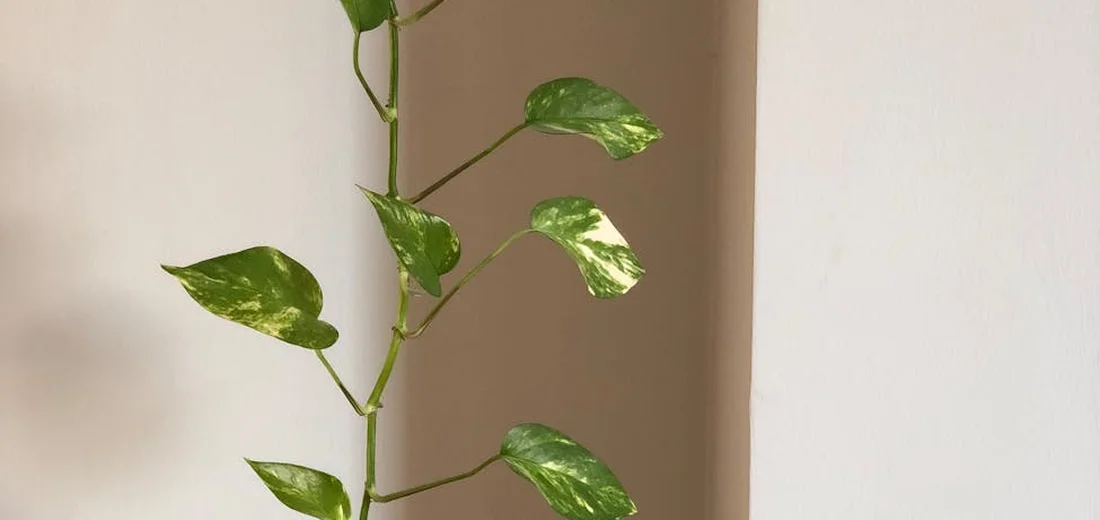
Seasonal Shifts in Watering
Your pothos isn’t static; its thirst changes with the calendar. During the short, dim days of winter, your plant’s growth slows to a crawl, meaning it uses far less water. I often go three or even four weeks between waterings for my mature pothos in winter.
Summer is a different story entirely. With more hours of intense light, your pothos kicks into high gear, growing vigorously and drinking much more frequently. This is when you might find yourself watering weekly to keep up with its demands. Pothos light needs change with the seasons.
The key is to sync your plant-checking habits with the seasons. Get into the routine of physically checking the soil moisture every time the seasons officially change, as this is your most reliable cue. Don’t just rely on a set weekly schedule year-round.
The Role of Pot, Soil, and Light
The materials you choose for your pothos play a huge role in its watering rhythm. Porous terracotta pots breathe, allowing moisture to evaporate through the walls, which can dry out soil significantly faster than a non-porous plastic or glazed ceramic pot. A plant in terracotta might need water twice as often as the same plant in plastic.
Soil composition is another critical factor. A dense, peat-heavy mix holds onto water for a long time, increasing the risk of root rot, while a chunky, airy mix lets water flow through quickly and provides oxygen to the roots.
Light is the engine that drives water consumption. A pothos basking in a bright, indirectly lit spot will process water much faster than one struggling in a dark corner. The same plant can have totally different watering needs just a few feet apart in your home. Similarly, care for snake plant types varies: they differ in light tolerance, water needs, and preferred soil mixes. Understanding these differences helps tailor care for each variety.
For a happy, healthy pothos, I’ve used this simple, well-draining mix for years with fantastic results:
- 2 parts regular potting soil
- 1 part perlite
- 1 part orchid bark
This combination provides the perfect balance of moisture retention and rapid drainage that pothos roots absolutely love.
Advanced Pothos Watering Tips
Is Tap Water Safe for Pothos?
Many plant parents worry about the chemicals in their tap water. Municipal tap water often contains chlorine and sometimes fluoride, which can slowly build up in the soil and cause brown leaf tips on some sensitive plants.
The good news is that the solution is simple and free. Just fill your watering can and let it sit out on the counter, uncovered, for 24 hours; this allows the chlorine to dissipate into the air. This one easy step makes tap water perfectly safe for the vast majority of houseplants.
From my own experience, all of my pothos have thrived for years on plain tap water that I’ve let de-gas overnight, and I’ve never seen any adverse effects from it. It’s a low-fuss method that works beautifully.
Understanding Pothos Drought Tolerance
Pothos are survivors, equipped with semi-succulent qualities. Their thick, fleshy roots and stems can store water, giving them a remarkable ability to bounce back from a missed watering or a short vacation. You’ll see the leaves droop dramatically when they’re truly thirsty, which is a clear signal to water. Learn more about how succulents store water in their leaves and stems.
This resilience is a fantastic safety net for beginners, but it is absolutely not a license for long-term neglect. Consistently letting the plant get to the severe wilt stage will stress it and stunt its growth over time.
I like to frame this trait as a reassurance. If you’re the type of plant owner who constantly worries about overwatering, remember that your pothos can handle a little underwatering much better than it can handle constantly soggy feet. When in doubt, it’s safer to err on the side of too dry than too wet.
FAQs
How often should pothos be watered indoors?
Water your pothos when the top inch of soil feels dry to the touch, as frequency depends on light, pot size, and season. To make it fuller and bushier, prune leggy stems and give it bright, indirect light. Regular pruning stimulates new growth and helps the plant fill in more densely.
How can you tell if pothos needs water indoors?
Use the finger test by inserting your finger into the soil; if it feels dry up to your second knuckle, it’s time to water.
Should you water pothos from the top or bottom indoors?
Top watering is generally recommended to flush out minerals, but bottom watering can ensure even hydration if the soil is very dry. Common succulent watering mistakes to avoid include overwatering and leaving water in the saucer.
Is tap water okay for pothos indoors or should you use filtered?
Tap water is safe for pothos if you let it sit out for 24 hours to allow chlorine to dissipate before use.
Does pothos prefer drying out between waterings indoors?
Yes, pothos prefer the soil to dry out completely between waterings to avoid overwatering and root rot.
Can overwatering kill pothos indoors?
Yes, overwatering can kill pothos by causing root rot, which suffocates the roots and prevents them from absorbing nutrients.
Your Pothos Watering Plan Made Simple
Remember, the golden rule for a happy pothos is to water only when the top inch or two of soil feels dry to the touch. Your watering schedule is not about the calendar, but about checking in with your plant’s soil. Across a diverse plant collection, you’ll tailor watering strategies by grouping plants with similar moisture needs. Adapt checks to light, pot size, and container type to keep all your plants thriving.
- Check soil moisture weekly by feeling it.
- Water less in winter, a bit more in summer.
- Always use a pot with drainage holes.
I’ve cared for pothos for years, and watching them thrive with this simple routine is incredibly rewarding. You’ve got this! Go give your plant a quick check-your green thumb is growing stronger every day.
Further Reading & Sources
- r/houseplants on Reddit: How often do you water your pothos?
- Pothos Care 101: How Often Should You Water Your Pothos
- When To Water Pothos Plant
- How Much Water Does My Pothos Need and How Often?
Lena Greenfield is a passionate horticulturist and plant care expert with over 10 years of experience cultivating and nurturing hardy house plants. With a deep understanding of both indoor and outdoor gardening, Lena shares practical advice on choosing, caring for, and maintaining resilient plants that flourish year-round. Through her knowledge and hands-on approach, Lena helps plant lovers transform their spaces into vibrant, green sanctuaries, no matter their gardening experience.
Watering Practices